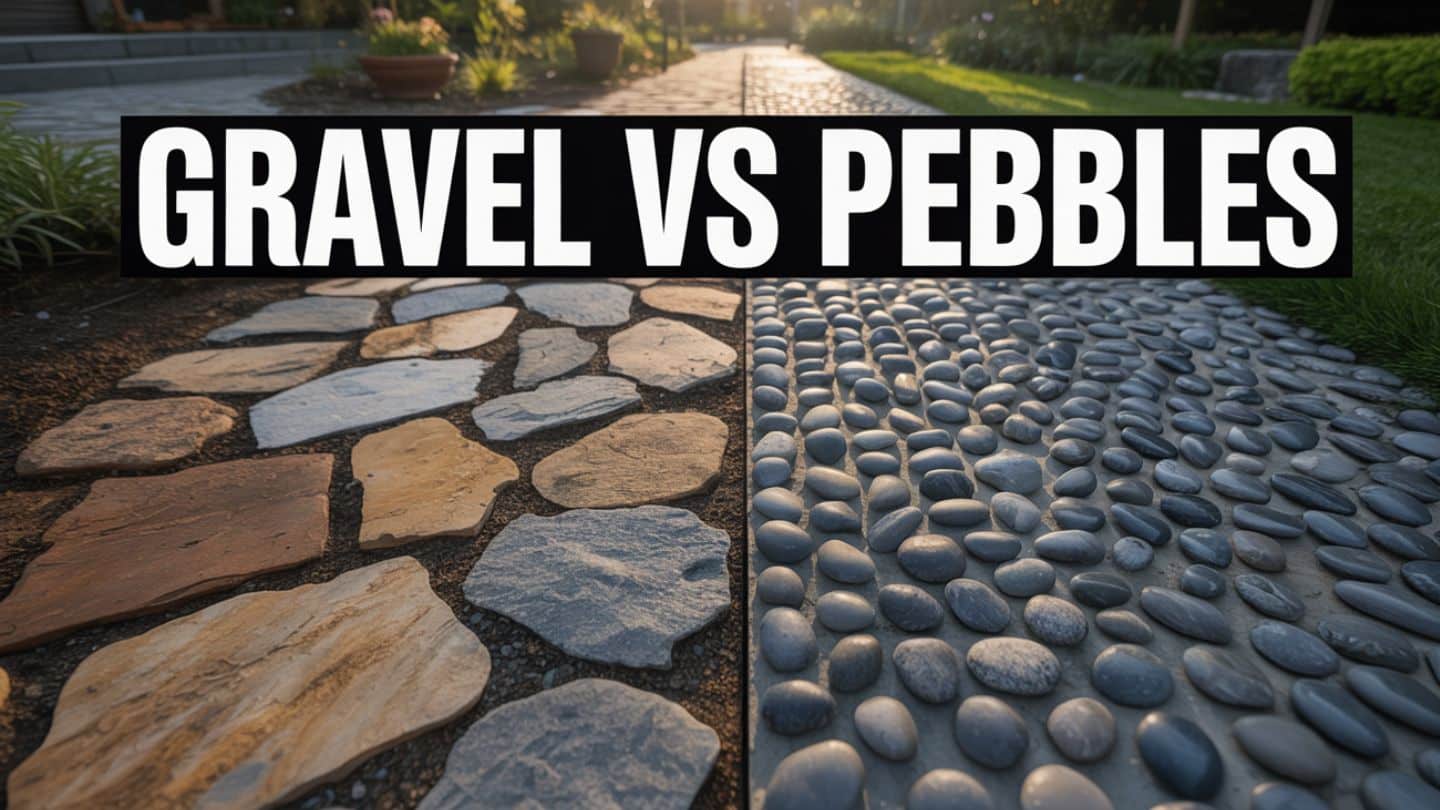

Designing a beautiful, durable garden pathway involves more than selecting a shape or layout; it starts with choosing the right material. One of the most common dilemmas for homeowners is deciding between gravel vs pebble surfaces. Both materials offer distinctive visual appeal, drainage benefits, and textural differences, but each performs differently under long-term outdoor conditions. Understanding these nuances helps ensure your landscaping investment stands the test of time.
Understanding the Difference Between Gravel and Pebbles
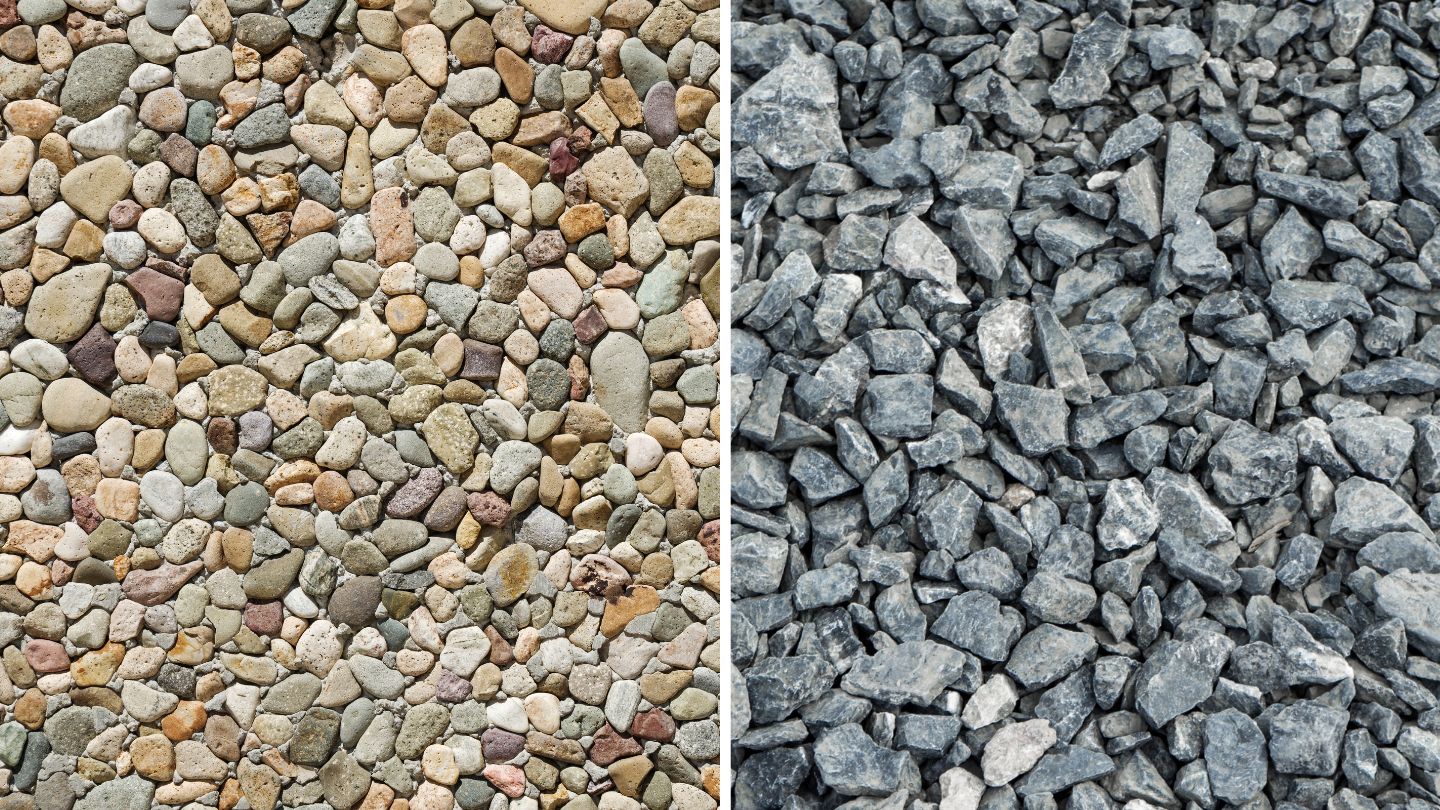
The primary difference between gravel and pebbles lies in origin, size, and finish. Gravel is mechanically crushed from larger stones or rock fragments, giving it a rougher texture and sharper edges. Pebbles, on the other hand, are naturally formed by the erosion of riverbeds and coastlines, creating smooth, rounded shapes.
In landscaping terms, pebble vs gravel debates often revolve around texture and application. Gravel provides superior compaction and stability, while pebbles excel in decorative flexibility and long-term durability. Knowing what is the difference between gravel and pebbles allows you to align functionality with design intent; whether it’s a walking path, garden border, or drainage solution.
Understanding material choices and their visual impact is further enriched by exploring gravel gardening, which showcases how different gravel textures transform outdoor spaces.
The Gravel Advantage
Durability and Traction
Gravel’s angular edges create friction and lock together tightly, producing a stable, non-slip surface ideal for driveways and high-traffic pathways. This interlocking structure makes gravel resistant to displacement, even under heavy use or rainfall.
For gardeners seeking a low-maintenance yet sturdy material, gravel vs pebbles comparisons often tilt toward gravel for its reliability. Its composition also supports water permeability, reducing puddling and erosion in sloped gardens.
Recognizing how these same benefits apply to seasonal performance becomes clearer through why gravel works best for winter driveways, which details the material’s traction and resilience in challenging weather conditions.
Affordability and Availability
Another key reason homeowners choose gravel vs pebble is cost efficiency. Gravel is widely available in various sizes and colors at a fraction of the price of polished or imported pebbles, making bulk gravel delivery in Milton a practical option for larger landscape and pathway projects. It’s easy to install, replenishable, and blends seamlessly with natural surroundings, making it a go-to choice for large outdoor spaces.
Functional Versatility
From pathway sub-bases to drainage trenches, gravel’s versatility extends beyond aesthetics. Coarser aggregates such as #57 gravel offer superior compaction beneath pavers, while finer screenings create smooth walking surfaces. Its adaptable structure ensures performance across multiple landscape applications.
The Allure of Pebbles
Natural Aesthetics
Pebbles are often favored for their organic beauty and calming presence. Their rounded surfaces create a sense of fluidity that complements minimalist gardens, Zen landscapes, or contemporary outdoor designs. When comparing pebbles vs gravel, the former tends to provide a more refined finish with a natural shine that enhances surrounding greenery and water features.
Long-Term Stability
Because of their weight and shape, pebbles stay in place even in windy conditions. They’re also less likely to migrate onto adjacent lawns or patios, reducing cleanup and re-leveling. While gravel vs pebble decisions often hinge on texture, the longevity of pebbles gives them an edge in areas requiring minimal upkeep.
Color Variety
Pebbles come in diverse hues; white, black, gold, and mixed tones; allowing customization to match any garden theme. Decorative pebbles, particularly river and beach varieties, elevate curb appeal and pair beautifully with stepping stones or mulch borders.
Comparing Functionality: Pebbles vs Gravel
Drainage and Erosion Control
Both materials promote excellent drainage, but their performance differs slightly. Gravel’s irregular shape creates more air pockets, allowing water to drain faster through compacted layers. Pebbles, being smoother, allow slower water movement, making them better suited for moisture-retention zones or garden beds prone to dryness.
Maintenance Demands
When evaluating pebble vs gravel, maintenance is a key factor. Gravel may shift over time and require periodic raking, while pebbles typically stay in place longer but can trap debris between stones. Periodic washing restores color vibrancy, but overall, both options demand minimal maintenance compared to organic mulch or pavers.
Comfort Underfoot
For garden pathways used barefoot or by children, pebbles are generally more comfortable. Their rounded edges minimize pressure points, offering a smoother walking experience than sharp-edged gravel. Functionally and aesthetically, the versatility of gravel is best appreciated when considering its value in overall garden design, knowing benefits of gravel in your garden, which emphasizes its drainage, longevity, and low-maintenance appeal.
Aesthetic Impact and Design Flexibility
Texture and Visual Harmony
A major element in the pebbles and gravel difference is tactile texture. Gravel gives a rustic, rugged look that complements cottage gardens or rural landscapes. Pebbles, conversely, provide sophistication and a softer appearance suited for contemporary courtyards or water features.
When planning gravel vs pebbles pathways, consider your landscape’s tone. A blend of both; gravel for structure and pebbles for finishing; often delivers the most visually balanced result.
Color and Light Reflection
Lighter pebbles can brighten shaded areas, while darker gravel enhances contrast against greenery. Using color strategically adds dimension and depth, creating distinct visual boundaries that guide movement through the garden.
Environmental and Practical Considerations
Sustainability and practicality are central to the difference between pebbles and gravel. Locally sourced gravel reduces transportation emissions and supports eco-friendly landscaping. Pebbles, though sometimes imported, are long-lasting and don’t require frequent replacement.
If sustainability is a concern, consult suppliers offering recycled or reclaimed aggregates. Modern landscape designers increasingly mix gravel and pebbles difference materials to balance environmental impact with performance.
Practical Applications in Garden Design
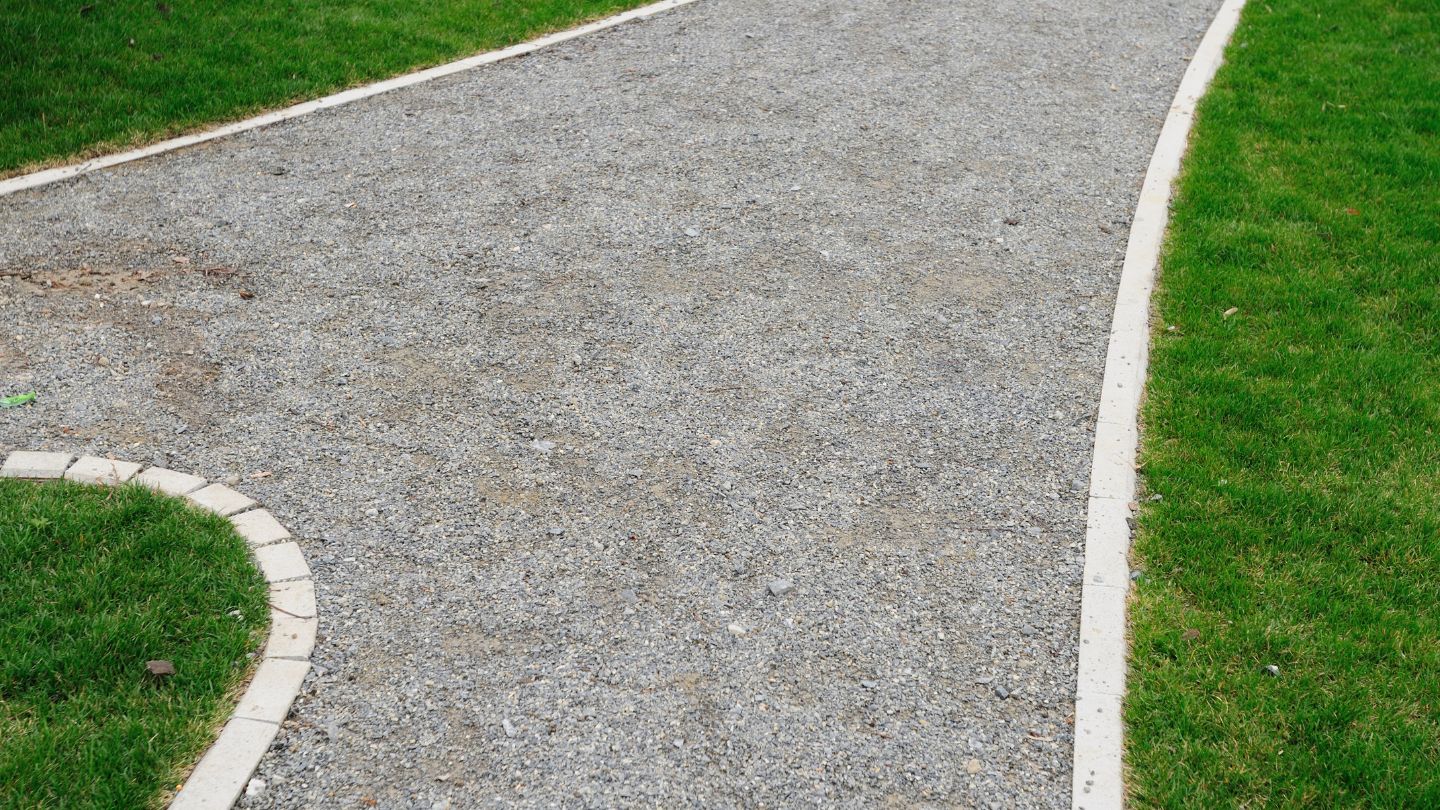
- Pathways and Walkways
Gravel offers reliable footing and affordability for long paths. Pebbles enhance short decorative walkways with smooth transitions between planting beds. - Borders and Edging
Use pebbles for contrast against dark soil or mulch. Gravel edges create definition around driveways or lawns. - Drainage Solutions
Coarse gravel excels in French drains and around downspouts, preventing water pooling. - Zen Gardens and Water Features
Pebbles deliver a tranquil aesthetic that reflects light beautifully in ponds and fountains. - Ground Cover Alternatives
Both materials act as effective weed suppressants when paired with landscaping fabric, maintaining neatness year-round.
Cost, Accessibility, and Longevity
When considering gravel vs pebble for your garden, evaluate total lifecycle cost rather than upfront price. Gravel is cheaper initially but may require topping every few years due to erosion. Pebbles have a higher purchase price but last significantly longer, maintaining color and structure for decades.
In terms of accessibility, gravel provides better traction for wheelchairs or strollers because of its compactable surface. Pebbles, while visually striking, can be challenging for accessibility in steep or frequently used areas. Balancing function with aesthetics ensures your garden remains both beautiful and practical.
Expert Tips for Choosing Between Gravel and Pebbles
- Analyze Site Conditions: Steep or drainage-heavy areas benefit from gravel’s stability.
- Factor in Usage: Choose pebbles for decorative spaces and gravel for high-traffic zones.
- Plan Depth Correctly: A minimum of 2 inches of gravel or 1.5 inches of pebbles ensures consistent coverage.
- Include Edging: Keeps materials contained and prevents migration into grass or planting beds.
- Combine Strategically: Mixing both adds dimension and functional balance across pathways.
Wrapping Up
Choosing between pebble vs gravel comes down to balancing design intent, durability, and functionality. Gravel provides strength and affordability ideal for large walkways and driveways, while pebbles bring elegance and visual tranquility suited for refined garden paths and decorative areas. Understanding the difference between gravel and pebbles ensures you select a surface that not only enhances curb appeal but also performs under your specific environmental conditions.
Whether you prefer the rugged charm of gravel or the serene beauty of pebbles, both materials can coexist harmoniously to create pathways that are as practical as they are captivating. For homeowners looking to upgrade their landscapes with high-quality gravel in Alpharetta, combining durable surfacing materials with expert installation ensures long-term beauty, performance, and value.
Frequently Asked Questions
What is the main difference between gravel and pebbles?
The key difference between gravel and pebbles lies in texture and formation. Gravel is mechanically crushed and angular, making it ideal for stability and compaction. Pebbles are naturally rounded by water erosion, giving them a smoother surface that’s best suited for decorative landscaping or garden accents.
Is gravel or pebbles better for garden pathways?
Both materials perform well, but the choice depends on usage. Gravel is more practical for high-traffic areas like driveways or long walkways due to its firm grip and affordability. Pebbles, on the other hand, offer a polished, elegant look perfect for low-traffic garden paths or ornamental sections.
How deep should gravel or pebbles be for a garden pathway?
For most pathways, gravel should be laid about 2–3 inches deep, while pebbles generally require 1.5–2 inches. This ensures proper coverage, drainage, and comfort underfoot. Using landscape fabric beneath the surface can also prevent weeds and improve longevity.
Can gravel and pebbles be used together in landscaping?
Yes, combining gravel and pebbles can produce stunning results. Many homeowners use gravel for base layers or borders and pebbles as decorative top layers or focal points. The mix adds texture, color contrast, and visual depth to your landscape design.