
Your driveway creates the first impression of your home, and choosing the right stone can make all the difference between a beautiful, durable surface and a constant maintenance headache. With so many gravel types and stone options available, selecting the best material for your specific needs doesn’t have to feel overwhelming.
A well-planned stone driveway offers excellent drainage, long-lasting durability, and attractive curb appeal at a fraction of the cost of concrete or asphalt alternatives. The key lies in understanding how different stone types perform under various conditions and matching the right material to your climate, traffic patterns, and budget.
This blog breaks down the top stone options, installation requirements, and maintenance expectations to help you make an informed decision for your driveway project.
Key Takeaways
- Crushed limestone and crushed granite offer the best balance of durability, drainage, and aesthetic appeal for most residential driveways
- Angular stones like crushed bluestone and quarry process provide superior stability compared to rounded stones like pea gravel
- Stone selection should consider local climate, traffic volume, and budget, with costs ranging from $25-$450 per cubic yard
- Proper base layer installation with larger stones is crucial for long-term driveway performance and prevents settling
- Regular maintenance every 2-3 years, including raking, filling low spots, and adding fresh gravel, extends driveway’s lifespan
Top 7 best types of stone for a driveway
Selecting the best types of stone for your driveway depends on understanding how different materials perform as a driveway surface. The fundamental difference between angular and rounded stones significantly impacts long-term performance. Angular stones interlock when compacted, creating a more solid driving surface, while rounded stones tend to shift and migrate under vehicle traffic.
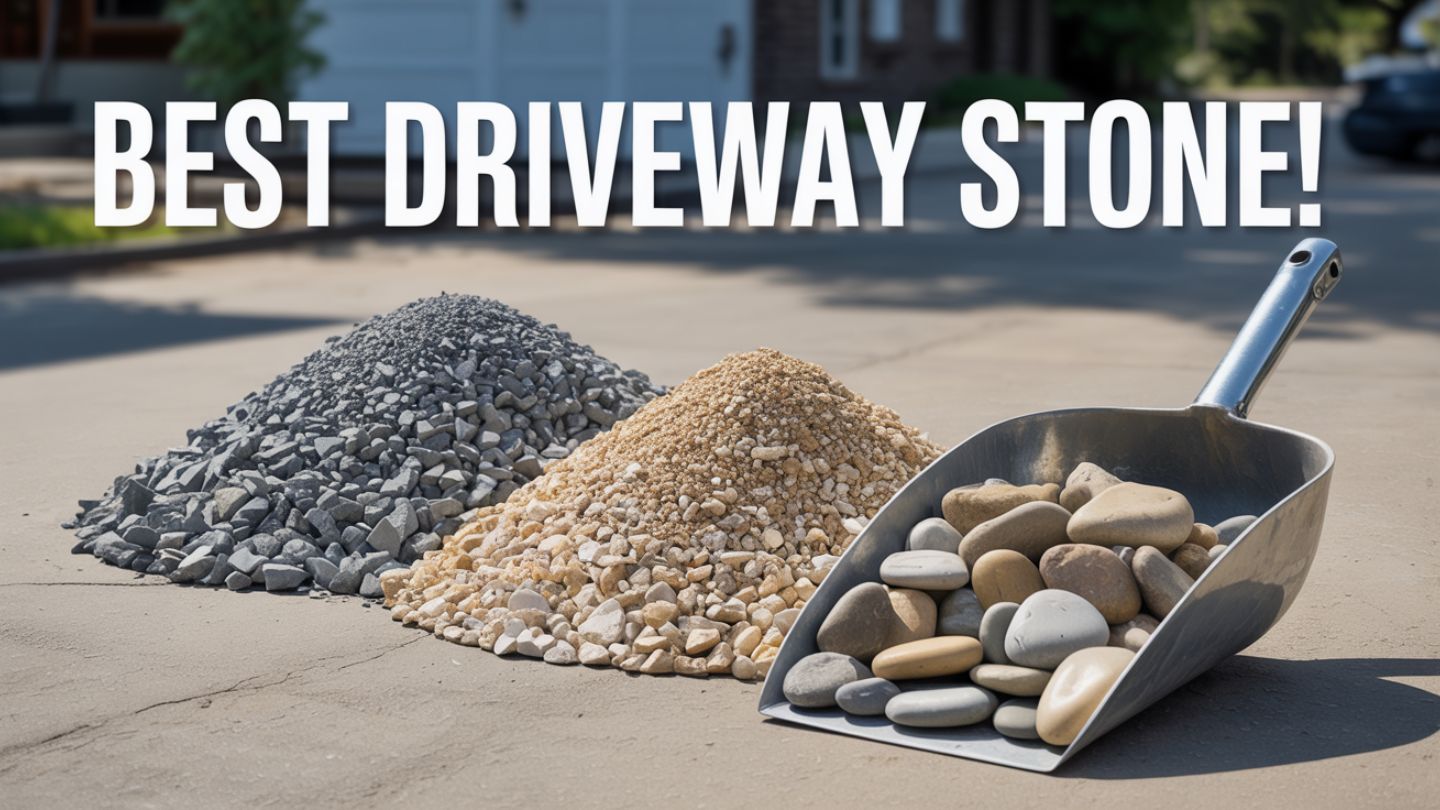
The seven most popular driveway stone options each offer distinct advantages for specific applications, budgets, and aesthetic preferences. Understanding these differences helps ensure you choose the right gravel for your particular situation. When homeowners ask which gravel fits their driveway best, the answer usually depends on traffic weight, slope, and whether you prefer a tighter surface or a more decorative finish.
Crushed Limestone
Crushed limestone stands as one of the most popular choices for gravel driveways due to its excellent drainage properties and attractive light gray to white appearance. This crushed stone provides superior compaction compared to rounded stones, creating a stable surface that handles moderate to heavy traffic well.
The light coloration helps reflect heat in warm climates, making it comfortable to walk on during hot summer months. Crushed limestone typically costs between $30-$115 per cubic yard, making it a mid-range option that delivers excellent value.
However, limestone can experience shifting issues in areas with frequent freeze-thaw cycles. The material’s porosity, while excellent for drainage, can allow water to penetrate and potentially cause frost heave in colder climates. This makes crushed limestone ideal for moderate to hot climate regions where freeze-thaw isn’t a primary concern.
The angular nature of crushed limestone creates better interlocking than rounded stones, resulting in less frequent maintenance needs. Property owners typically need to refresh the top layer every 2-3 years and perform regular raking to maintain an even surface.
Crushed Granite
Crushed granite offers superior durability and load-bearing capacity, making it an excellent choice for high-traffic areas and heavy vehicle use. This driveway gravel comes in attractive gray, pink, and brown color variations that complement various home styles and landscape designs.
The exceptional compaction properties of crushed granite create one of the most stable surfaces available in loose stone options. Unlike softer materials, granite resists rutting and maintains its shape even under repeated heavy loads. This durability translates to lower maintenance costs over time.
Crushed granite falls into the mid-range pricing category and enjoys wide availability across most regions, keeping transportation costs reasonable. The material’s hardness provides excellent resistance to weathering and chemical breakdown, ensuring long-term performance.
For homeowners with steep driveways or areas that experience regular delivery vehicle traffic, crushed granite provides the stability needed to prevent ruts and maintain a solid driving surface. The material’s excellent drainage characteristics also make it suitable for areas prone to heavy rain.
Crushed Bluestone
Crushed bluestone delivers an attractive medium-dark gray color that complements contemporary and traditional home styles. This angular stone offers good drainage and compaction characteristics while providing a more refined appearance than standard gray gravels.
Regional availability significantly impacts bluestone pricing, with costs ranging from $30-$65 per cubic yard depending on location. East Coast properties typically enjoy better availability and lower costs, while transportation expenses can increase prices substantially in other regions.
The material’s consistent color and texture create an upscale appearance that enhances curb appeal without reaching premium price levels. Crushed bluestone compacts well and provides a stable footing for both vehicles and foot traffic.
Like other crushed stones, bluestone requires proper installation with adequate base preparation and drainage planning. The material performs best in areas with moderate traffic and benefits from regular maintenance to preserve its attractive appearance.
Quarry Process (Crusher Run)
Quarry process, also known as crusher run, represents the most budget-friendly option for extensive driveway projects. This gravel mixture contains crushed stone, stone dust, and various-sized particles that create superior compaction properties when properly installed.
At $20-$25 per cubic yard, crusher run offers exceptional value for long driveways where material costs become a significant factor. The blend of particle sizes allows the material to compact into a semi-solid driving surface that rivals more expensive options in stability.
The inclusion of stone dust helps bind the larger particles together, reducing the migration and rutting common with single-sized gravels. However, this same characteristic requires careful drainage planning to prevent water retention issues that could compromise the base layer.
Professional installation becomes particularly important with crusher run due to its drainage requirements. Proper slope and drainage solutions ensure the material’s fines don’t create water problems while maintaining the excellent compaction properties that make it valuable.
Marble Chips
Marble chips provide a premium white stone option for homeowners seeking an elegant, high-end appearance. The bright white color offers excellent heat reflection properties, making it particularly suitable for hot climates where darker stones would absorb excessive heat.
As the most expensive option at $180-$450 per cubic yard, marble chips target upscale properties where aesthetic appeal takes priority over cost considerations. The striking appearance can dramatically enhance curb appeal and complement luxury home designs.
However, the light color shows dirt, tire marks, and organic debris readily, requiring frequent cleaning and maintenance. Property owners should expect more frequent maintenance compared to darker stone options to preserve the pristine appearance.
Marble chips work best for low-traffic applications where the aesthetic benefits justify the higher material and maintenance costs. The material’s angular shape provides decent compaction, though it requires careful installation and regular upkeep to maintain its premium appearance.
Caliche
Caliche offers an ideal solution for arid and rural applications, particularly in the southwestern United States regions where it’s naturally abundant. This sedimentary rock provides extremely budget-friendly pricing at approximately $25 per cubic yard.
The material’s unique property of naturally binding when properly compacted and wetted creates a solid surface that rivals more expensive options. This self-cementing characteristic makes caliche popular for country roads and long rural driveways where cost control is essential.
Regional availability primarily limits caliche to southwestern states, though its performance in arid climates makes it an excellent choice where available. The material requires specific installation techniques to achieve proper binding and long-term stability.
For rural properties with extensive driveway requirements, caliche provides an economical solution that delivers good performance when correctly installed. The material’s natural binding properties reduce the need for additional stabilizers while creating a durable surface.
Black Star (Crushed Basalt)
Black star, made from crushed basalt, creates a striking dark appearance ideal for modern and contemporary home designs. This premium material offers high durability and excellent load-bearing capacity that rivals crushed granite in performance characteristics.
The dramatic dark color provides sophisticated curb appeal but comes with premium pricing ranging from $190-$250 per cubic yard. This positions black star as a luxury option for discerning homeowners willing to invest in distinctive aesthetics.
However, the dark color absorbs significant heat in sunny climates, potentially creating uncomfortable surface temperatures during hot weather. This characteristic makes black star better suited for cooler regions or properties with significant shade coverage.
The material’s exceptional durability and unique appearance make it popular for upscale properties where the additional cost is justified by the aesthetic impact and long-term performance benefits.
Factors for Selecting the Right Driveway Stone
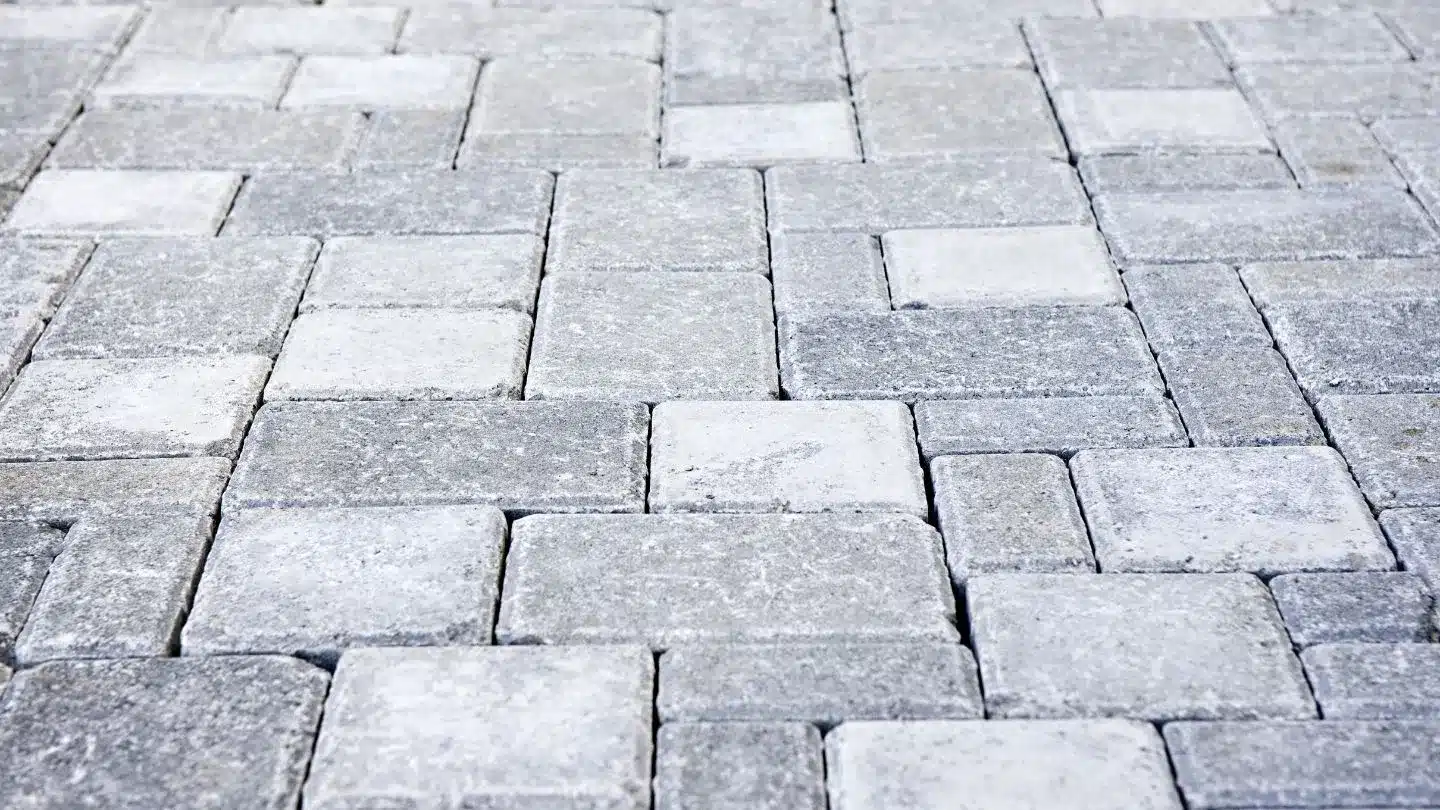
Choosing the best types of stone for your driveway requires careful consideration of multiple factors that affect both immediate performance and long-term satisfaction. These key criteria help determine which material will deliver optimal results for your specific situation.
Climate Considerations
Climate plays a crucial role in driveway stone selection, influencing both material performance and maintenance requirements. Heat absorption versus reflection properties significantly impact comfort and longevity in different environments.
Light-colored stones like crushed limestone and marble chips reflect heat, staying cooler in hot climates and reducing thermal stress on vehicles and foot traffic. Dark materials like black star absorb heat, which can accelerate snow melting in cold climates but create uncomfortably hot surfaces in summer.
Freeze-thaw cycles pose particular challenges for certain stone types. Materials with higher porosity may allow water penetration that expands during freezing, potentially causing surface displacement and requiring more frequent maintenance in cold regions.
Proper drainage becomes critical in heavy rainfall areas where inadequate water management can lead to erosion, rutting, and base failure. In colder or mixed winter climates, a well-graded gravel surface works well to handle snow, freeze-thaw movement, and meltwater runoff better than many rigid driveway materials. Installing drainage ditches and ensuring proper drainage help protect the investment, regardless of the stone type selected.
Traffic Volume and Usage Patterns
Understanding your driveway’s traffic patterns helps determine the durability requirements needed from your chosen stone material. Heavy vehicle traffic demands different performance characteristics than those of light passenger car use.
Regular delivery vehicles, RVs, or commercial traffic require materials like crushed granite or high-quality crusher run that resist rutting and maintain stability under heavy loads. These applications benefit from thicker base layers and more robust stone selections.
Foot traffic patterns also influence material choice, particularly around entry areas where people frequently walk. Angular stones can be uncomfortable under certain footwear, while smoother textures provide better pedestrian comfort.
Seasonal usage patterns affect maintenance scheduling and material selection. Driveways used primarily during specific seasons may tolerate materials requiring more frequent maintenance, while year-round access demands more durable options.
Budget and Long-term Costs

Initial material costs represent only part of the total investment in a gravel driveway. For some properties, it also helps to weigh gravel against a concrete driveway in terms of upfront cost, maintenance demands, and long-term curb appeal. Maintenance costs, longevity, and regional availability all impact the overall value proposition of different stone types.
| Stone Type | Cost per Cubic Yard | Maintenance Frequency | Best Climate |
| Quarry Process | $20-$25 | High | All climates |
| Caliche | $25 | Medium | Arid regions |
| Crushed Limestone | $30-$115 | Medium | Warm/moderate |
| Crushed Granite | $35-$120 | Low | All climates |
| Crushed Bluestone | $30-$65 | Medium | All climates |
| Black Star | $190-$250 | Low | Cool/moderate |
| Marble Chips | $180-$450 | High | Hot climates |
Regional availability significantly affects transportation costs, sometimes making locally abundant materials more economical despite higher base prices. Professional installation versus DIY approaches also impact total project costs and long-term performance.
Base Layer Requirements and Installation
The foundation of any successful stone driveway lies in proper base layer preparation and installation. Even the best surface stone will fail without adequate structural support underneath.
Choosing Base Layer Materials
A solid base layer provides the load distribution and drainage characteristics essential for long-term driveway performance. Large crushed stone in #3 or #5 grades creates an excellent foundation that distributes vehicle loads effectively.
Crusher run serves as a cost-effective base option that combines larger stone with fines for superior compaction. This material creates a level and solid foundation while maintaining drainage characteristics needed for stability.
Base thickness recommendations call for 4-6 inches of compacted material for typical residential driveways. Heavy-duty applications or weak soil conditions may require thicker bases and potentially geotextile fabric for additional support.
Installing a weed barrier underneath the base layer prevents vegetation growth that could compromise the driveway’s integrity over time. Proper weed barriers allow drainage while blocking plant growth.
Proper Installation Techniques
Excavation depth must account for both base and surface layers while ensuring proper drainage slopes. The subgrade should be compacted and graded to promote water movement away from the driveway surface.
Compaction occurs in layers, with each lift receiving thorough mechanical compaction before adding the next layer. This process creates the solid foundation necessary for preventing settlement and maintaining surface integrity.
The layering sequence typically includes a coarse base layer, an intermediate layer of crusher run or similar material, and finally the selected surface stone. Each layer serves specific structural and aesthetic functions.
Maintaining a minimum 2% grade ensures proper drainage while avoiding slopes so steep that stones wash away during heavy rain events. Proper edging contains the stone and prevents lateral migration.
Maintenance Requirements by Stone Type
Understanding maintenance requirements helps set realistic expectations and budget for ongoing driveway care. Different gravel materials require varying levels of attention to maintain optimal performance and appearance.
Routine Maintenance Tasks
All gravel driveways require regular maintenance to preserve their appearance and functionality. Bi-annual raking and leveling redistribute stone that migrates through normal use and weather exposure.
Pothole filling and surface restoration address localized settlement or displacement before minor problems become major repairs. Prompt attention to these issues prevents more extensive and expensive repairs.
Weed growth management involves both physical removal and preventive measures. Maintaining proper stone depth and occasional herbicide application helps control vegetation that could compromise the driveway structure.
Drainage system maintenance includes cleaning drainage ditches, clearing culverts, and ensuring water flows away from the driveway surface. Proper water management prevents many common driveway problems.
Stone-Specific Maintenance Needs
Marble chips require frequent cleaning to maintain their bright appearance, with pressure washing often necessary to remove tire marks and organic stains. The light color shows contamination readily, demanding more frequent maintenance.
Crushed limestone may require monitoring for shifting in cold climates where freeze-thaw cycles can displace material. Adding fresh gravel and raking helps maintain surface integrity in these challenging conditions.
Quarry process materials need careful drainage system maintenance due to their fine content. Poor drainage can create muddy conditions that compromise the surface quality and require more frequent maintenance.
Most stone types benefit from fresh material addition every 2-3 years, with the exact frequency depending on traffic levels, climate conditions, and maintenance quality. Regular upkeep extends the overall lifespan significantly.
Cost Comparison and Value Analysis
Understanding the total cost of ownership helps homeowners make informed decisions about driveway stone selection. Initial material costs, installation expenses, and ongoing maintenance all contribute to the long-term investment.
Installation costs vary significantly based on site conditions, access challenges, and local labor rates. Professional installation typically costs more initially but often provides better long-term performance through proper base preparation and drainage design.
The value proposition changes based on property type and usage patterns. High-end homes may justify premium materials for enhanced curb appeal, while rural properties often prioritize durability and cost-effectiveness over aesthetics.
Regional pricing variations affect material selection, with locally abundant stones offering better value despite potentially higher base prices elsewhere. Transportation costs can quickly eliminate apparent savings from distant sources.
Total cost of ownership over a 10-year period includes material, installation, and maintenance expenses. Materials requiring less frequent maintenance may offer better value despite higher initial costs.
Read More: Driveway Renovation: Gravel vs Crushed Stone
Upgrade Your Driveway with the Right Stone Choice
Choosing the best types of stone for your driveway ultimately comes down to balancing durability, drainage, comfort, and curb appeal. Angular options like crushed limestone, granite, bluestone, and quarry process create a tighter, longer-lasting surface because they compact well and hold up under traffic, while premium or decorative stones can elevate the look when appearance is a priority. With the right base layers, proper grading, and routine touch-ups, a stone driveway can stay stable, attractive, and low-maintenance for years—often at a far lower lifetime cost than concrete or asphalt.
When you’re ready to move from planning to project, Mulch Pros makes it simple to get driveway materials that match your goals and your property conditions. We help homeowners choose the right natural stone for strong, clean installations, whether you need a dependable base, a fresh top layer, or a specific blend like #57 Stone in Alpharetta for reliable compaction and drainage. Along with driveway stone, we also supply mulch, pine straw, soil, and firewood so that you can handle your full outdoor refresh in one go. If you want a driveway that looks sharp and performs in every season, we’re here to help you order the right material and get it delivered when you need it.
Frequently Asked Questions
What stone type works best for steep driveways?
Angular stones like crushed granite or crushed limestone provide the best traction and stability on steep driveways. These materials interlock when compacted, resisting the washing and migration common with rounded stones on slopes. Avoid pea gravel or river rock on steep grades as they’ll wash away during rain events.
How do I prevent stones from washing away during heavy rain?
Proper installation with adequate drainage and edging prevents stone loss during storms. Install drainage solutions alongside the driveway, ensure a crowned surface for water runoff, and use angular crushed stone rather than rounded materials. Solid edging materials contain the stone and prevent lateral movement.
Can I mix different stone types in layers for better performance?
Yes, layering different materials often improves performance and reduces costs. Use cheaper crusher run or large stone for the base layer, then top with more attractive or specialized surface material. This approach provides structural stability while achieving desired aesthetics in the top layer, where it’s most visible.
What’s the minimum driveway width needed for different stone types?
Standard residential driveways require a 10-12-foot width for comfortable two-way traffic, regardless of stone type. Single-lane driveways can work at 8 feet wide with occasional passing areas. Stone type doesn’t affect width requirements, but consider turning radii and parking areas when planning dimensions.
How long does a properly installed stone driveway typically last?
A well-installed stone driveway can last 15-25 years with regular maintenance. Crushed granite and limestone typically provide the longest service life, while softer materials may require more frequent refreshing. Proper base preparation and drainage significantly extend lifespan regardless of surface material choice.