
Choosing the right material for your driveway renovation can make the difference between a surface that lasts decades and one that requires constant maintenance. When comparing crushed stone and gravel for your driveway project, understanding their unique properties becomes crucial for making an informed decision that fits your budget, climate, and traffic requirements.
Both materials offer distinct advantages depending on your specific needs, from the natural aesthetic appeal of a gravel driveway to the superior structural integrity of a crushed stone driveway. Choosing the wrong material for a project can lead to premature wear and higher long-term costs. This comprehensive blog will help you navigate the key differences between these popular construction materials, ensuring your investment provides the best long-term value.
Key Takeaways
- Crushed stone provides superior stability and compaction for high-traffic driveways due to its angular, interlocking edges.
- Gravel offers better aesthetic appeal with naturally rounded stones, but requires more maintenance and edge containment.
- Crushed stone typically costs 15-25% more than gravel but lasts longer in heavy-use applications.s
- For rural or steep driveways, crushed stone with fines performs better in freeze-thaw cycles and wet conditions
- A hybrid approach using crushed stone base (3-4 inches) topped with decorative gravel (1 inch) balances durability and appearance.
Understanding the Fundamental Differences
The primary distinction between crushed stone and gravel lies in their formation process and resulting characteristics. Crushed stone is mechanically produced by crushing larger rocks through industrial processes, while gravel forms naturally through weathering and water erosion over thousands of years. This fundamental difference in origin creates materials with vastly different performance characteristics for driveway applications.
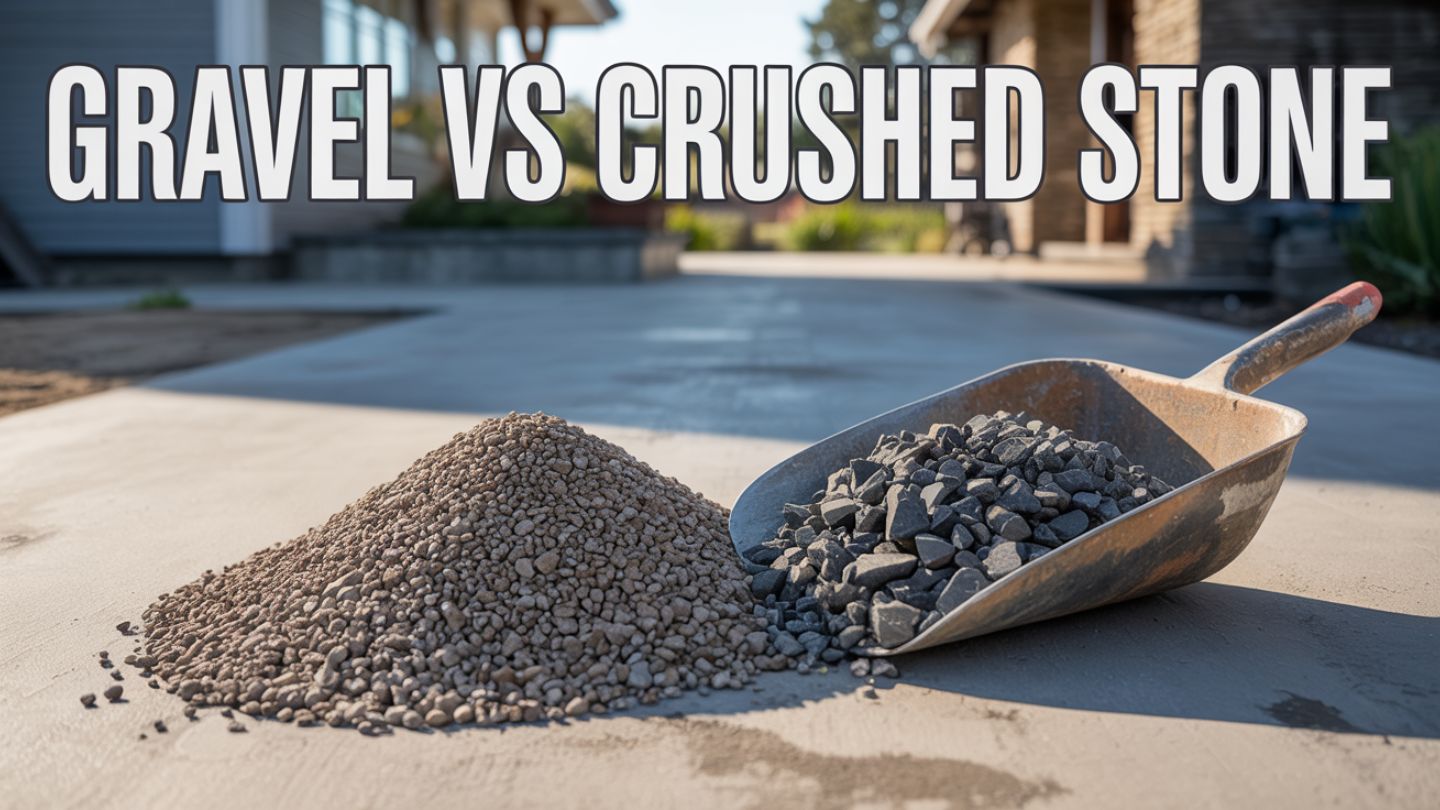
Shape characteristics represent the most critical factor affecting performance. Crushed stone features sharp, angular edges that interlock when compacted, creating a stable surface that resists shifting under vehicle traffic. In contrast, gravel displays smooth, rounded edges formed naturally through continuous water movement and friction. These naturally rounded particles don’t lock together as effectively, leading to more movement and displacement over time.
Particle size ranges vary significantly between the two materials. Crushed stone typically ranges from ¼ inch to 2 inches, with most crushed stone for driveways using the ¾-inch minus specification that includes beneficial stone dust. Gravel commonly available for construction projects ranges from ⅜ inch to 1½ inch sizes, though pea gravel at ⅜ inch represents the most popular choice for decorative landscaping applications.
Material composition provides another key difference. Crushed stone includes stone dust and fine particles that act as a binding agent during compaction, creating excellent compaction properties. Clean gravel lacks these binding particles, relying solely on the mechanical friction between smooth gravel pieces for stability. Crushed stone is typically more expensive than gravel due to processing and mining costs.
Gravel for Driveway Renovation
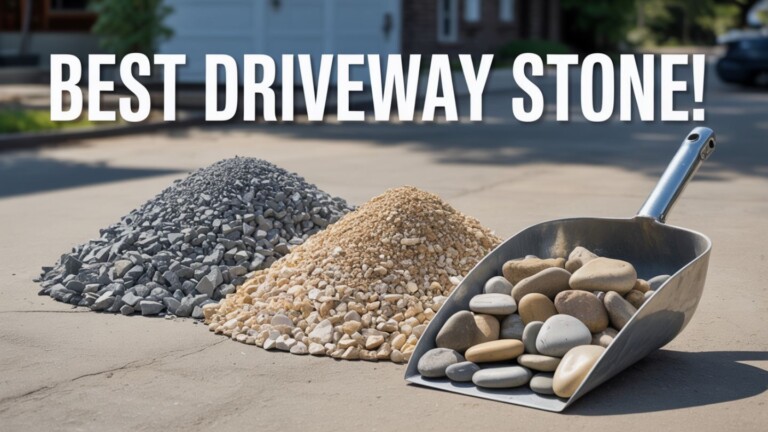
Natural aesthetic appeal stands as gravel’s primary advantage, offering varied colors, including brown, tan, gray, and multi-colored options that complement most home exteriors. River rock and decorative stone varieties provide particularly attractive options for homeowners prioritizing visual appeal in their landscaping design. The naturally rounded texture creates a softer, more organic appearance compared to the industrial look of crushed gravel. Natural, rounded gravel is often used for its aesthetic appeal in low-traffic or flat areas. Gravel is preferred for landscaping projects, including garden paths, water features, and rock gardens, due to its smooth and rounded appearance. Because gravel comes in several forms—like pea gravel, river rock, and other blended natural stone mixes—choosing the right type for your driveway style and surrounding landscape can make a noticeable difference in both appearance and performance.
Comfort and safety represent significant benefits for foot traffic areas. The smooth gravel surface with rounded edges won’t damage vehicle tires or create uncomfortable walking conditions for barefoot use around garden paths or garden beds. Gravel is often chosen for decorative or low-traffic applications due to its smooth, rounded texture. This makes gravel an excellent choice for decorative landscaping applications where people frequently walk. Gravel is often chosen for its visual appeal and comfort underfoot, making it suitable for low-traffic areas.
Lower initial costs make gravel attractive for budget-conscious homeowners, typically costing $1.25-$1.75 per square foot installed. This cost advantage becomes particularly significant for large driveways, where the price difference can amount to hundreds of dollars compared to crushed stone alternatives. The per-yard cost difference between crushed stone and gravel may be minimal, but the choice can affect overall project costs. Gravel typically incurs lower production costs because it is a naturally occurring material.
Easy installation and repair procedures allow confident DIY installation without heavy machinery. Homeowners can spread gravel by hand using basic tools, making repairs simple when addressing minor settling or displacement issues. This accessibility reduces long-term maintenance costs when professional help isn’t required.
Crushed Stone for Driveway Renovation
Superior compaction creates a stable surface that resists rutting and pothole formation even under heavy traffic conditions. The angular pieces interlock mechanically when compressed with proper equipment, forming a firm base that maintains its integrity over many years of use. This excellent compaction makes crushed stone ideal for areas experiencing regular heavy machinery or construction vehicle access. Crushed stone is commonly used as aggregate for ready-mix concrete.
Exceptional load-bearing capacity supports vehicles up to 40,000 pounds when properly installed over a prepared road base. This makes crushed stone driveways suitable for commercial applications, RV parking, and homes requiring access for delivery trucks or construction equipment. The firm surface distributes weight effectively, preventing the deep rutting common with other materials.
Minimal movement and displacement occur due to the angular edges that mechanically lock together during compaction. Unlike smooth gravel that rolls and shifts, crushed rock maintains its position even during aggressive turning maneuvers and sudden braking, creating a stable surface for all vehicle types.
Better performance in freeze-thaw cycles benefits properties in northern climates above 40°N latitude. The tight compaction and drainage properties of crushed stone with fines prevent water from pooling and freezing, which could otherwise cause heaving and surface damage during winter months.
Cost Comparison Analysis
Material costs reveal a significant price difference between the two options, with pea gravel ranging $25-$35 per ton while crushed stone costs $30-$45 per ton, depending on rock type and local availability. Crushed granite typically commands premium prices due to its durability and attractive appearance, while basic limestone crushed stone offers more economical options for budget-conscious projects.
Installation expenses reflect the complexity differences between materials. Gravel installation averages $2-3 per square foot, including basic site preparation and material spreading. Crushed stone installations require $3-4 per square foot due to the need for proper compaction equipment and more extensive base preparation work.
Delivery fees remain comparable for both materials, typically costing $100-$150 for loads under 10 tons within a 25-mile radius of the supplier. Planning gravel delivery in advance also helps you match the right load size to your driveway depth and schedule, which can prevent over-ordering, under-ordering, or delays once installation begins. Larger quantities may qualify for reduced per-ton delivery charges, making bulk purchases more economical for extensive driveway projects.
Long-term value calculations favor crushed stone despite higher initial costs. A properly installed crushed stone driveway provides an 8-12 year lifespan in high-traffic applications, compared to 4-6 years for gravel under similar conditions. This durability advantage translates to better cost per year of service.
Durability and Maintenance Considerations
Climate Performance Factors
Freeze-thaw resistance becomes critical in regions experiencing winter temperatures below 25°F for extended periods. Crushed stone with proper base preparation performs significantly better during these cycles due to superior drainage and compaction properties. The tight surface created by angular pieces prevents water infiltration that could freeze and cause heaving damage.
Water drainage capabilities affect long-term performance in areas with heavy precipitation or poor soil drainage. Both materials provide excellent drainage compared to concrete driveways or asphalt alternatives, but crushed stone sheds water more effectively when properly compacted. The combination of good drainage and a firm surface makes it ideal for areas prone to standing water.
Wind resistance matters in exposed locations subject to strong storms or frequent high winds. Crushed stone stays in place during severe weather events, while lightweight pea gravel can be displaced by winds exceeding 40 mph. This stability advantage proves particularly valuable for rural properties or coastal areas with regular storm exposure.
Heat performance varies between materials and colors, affecting comfort and longevity. Both materials reflect heat well compared to dark asphalt surfaces, but darker crushed stone varieties may absorb more solar energy during summer months. Light-colored options help maintain cooler surface temperatures for improved comfort and reduced expansion stress.
Maintenance Requirements
Gravel maintenance demands consistent attention throughout the year. Monthly raking helps redistribute displaced material and maintain proper coverage levels. Bi-annual edge repair addresses migration issues and maintains clean boundaries. Annual stone replacement of 10-15% of the original material compensates for losses due to traffic displacement and natural processes.
Crushed stone upkeep involves less frequent but more substantial maintenance activities. Seasonal grading helps maintain proper crown and drainage patterns. Annual compaction with appropriate equipment restores surface integrity after winter freeze-thaw cycles. Topdressing every 3-5 years with 1 inch of fresh material refreshes the top layer and extends service life.
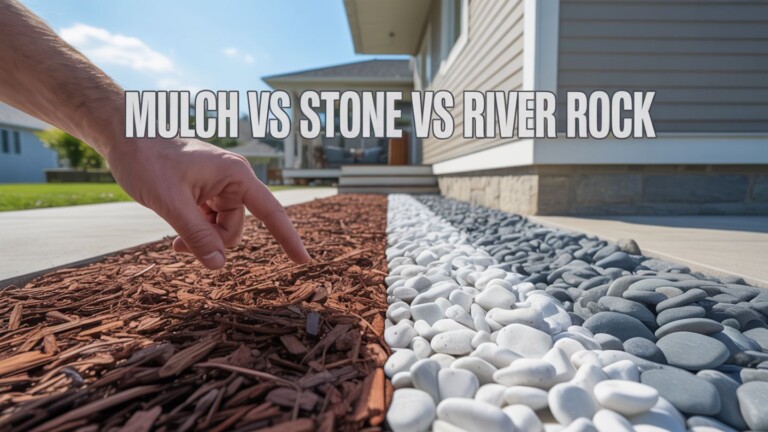
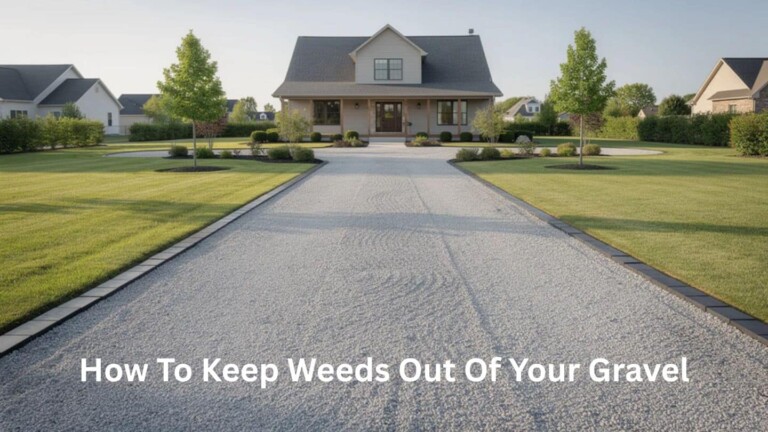
Weed control requirements apply to both materials, but with different approaches. The installation of landscape fabric before material placement helps prevent weed growth from below. Periodic herbicide application along edges controls invasive growth. Maintaining proper material depth (minimum 3 inches) blocks sunlight that enables weed germination.
Snow removal considerations affect northern climate installations significantly. Crushed stone provides better traction for plowing equipment and resists displacement during snow removal operations. Gravel may be displaced by aggressive plowing, requiring spring cleanup and releveling. The firm surface of properly compacted crushed stone enables more effective snow removal with less damage to the driveway material.
Installation Requirements and Preparation
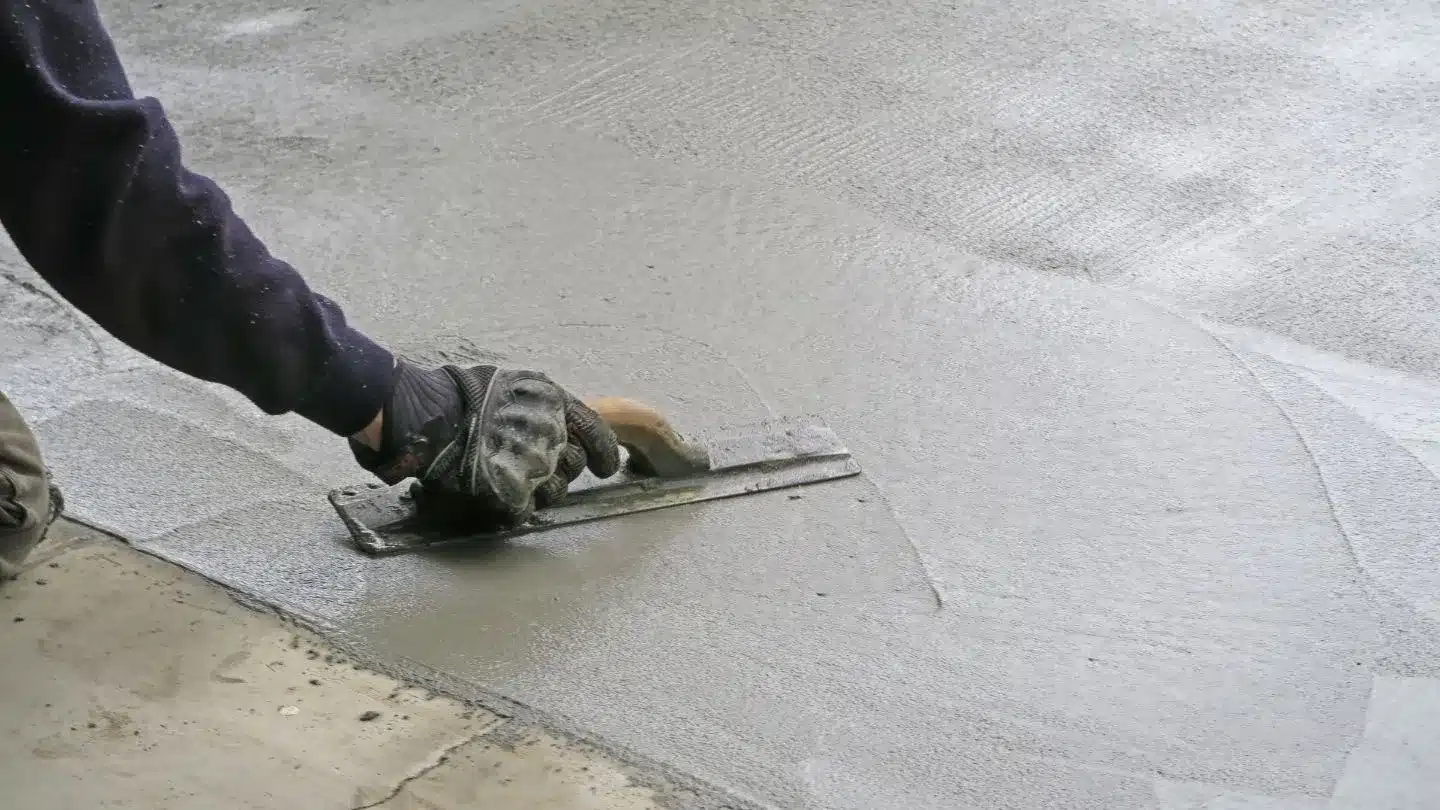
Proper excavation depth ensures long-term performance for both materials. Remove 6-8 inches of existing soil or material to create adequate space for base preparation and final material installation. This depth accommodates proper base layers while ensuring the finished driveway maintains appropriate grade relationships with surrounding concrete or paved areas.
Base preparation requirements differ significantly between the two materials. Crushed stone installations require a 4-inch compacted stone base using crusher run or similar road base material. This foundation provides the structural support necessary for heavy loads and prevents settling. Gravel installations need only a 2-inch base layer, primarily for drainage and separation from underlying soil.
Geotextile fabric installation proves essential for crushed stone applications and is highly recommended for gravel driveways. This road fabric prevents migration of materials into the subsoil while maintaining drainage capabilities. Proper fabric installation extends driveway life and maintains structural integrity over time.
Grading requirements ensure proper water management and surface stability. Establish a 2% crown (¼ inch per foot) from the centerline to direct water runoff toward edges and drainage systems. This prevents pooling and reduces erosion concerns while maintaining a firm surface for vehicle traffic. Many homeowners also extend driveway materials into nearby garden beds or drainage edges, since sand-and-gravel combinations improve water flow, reduce erosion, and keep landscaped areas cleaner through heavy rain.
Compaction processes require different approaches for optimal results. Crushed stone demands mechanical tamping in 2-inch lifts using plate compactors or similar equipment. Each lift must achieve proper density before adding the next layer. Gravel needs only light compaction to avoid breaking the naturally rounded particles while providing minimal consolidation.
Making the Right Choice for Your Driveway Project
Choose Crushed Stone When
Heavy traffic conditions require maximum durability and stability. Properties with multiple vehicles, frequent commercial deliveries, or regular construction equipment access benefit from the superior load-bearing capacity of crushed stone. The investment in higher initial costs pays dividends through reduced maintenance and longer service life.
Geographic factors favor crushed stone in challenging environments. Regions with harsh winters, steep grades exceeding 10%, or clay soil conditions require the enhanced performance that crushed stone provides. The material’s resistance to freeze-thaw cycles and superior drainage make it ideal for northern climates and areas with drainage challenges.
Long-term durability priorities justify the higher initial investment when minimal maintenance is desired. Property owners planning to remain in their homes for many years benefit from crushed stone’s 8-12 year service life compared to gravel’s 4-6 year replacement cycle. This longevity reduces ongoing disruption and maintenance costs.
Heavy vehicle support needs make crushed stone the only practical choice for properties requiring RV parking, delivery truck access, or construction equipment staging. The firm base created by properly compacted angular pieces provides the structural support necessary for vehicles weighing over 10,000 pounds.
Choose Gravel When
Aesthetic considerations take priority over maximum durability for decorative applications. Properties emphasizing natural landscaping, garden paths integration, or visual appeal benefit from gravel’s organic appearance and varied color options. The smooth, naturally rounded texture complements many architectural styles better than industrial-looking crushed materials.
Budget constraints limit initial investment options, making gravel’s lower material and installation costs attractive. Property owners comfortable with higher maintenance requirements can achieve satisfactory performance while preserving capital for other improvements. The easy DIY installation capability further reduces costs for handy homeowners.
Light traffic patterns with standard passenger vehicles make gravel adequate for many residential applications. Driveways serving only family vehicles weighing under 6,000 pounds don’t require the structural capabilities of crushed stone, making gravel’s cost savings more appealing for basic transportation needs.
Flat terrain with excellent natural drainage conditions allows gravel to perform adequately without the enhanced stability of crushed stone. Properties with minimal grades and sandy or well-draining soils reduce the risk of erosion and displacement that plague gravel installations on challenging sites.
Hybrid Approach Options
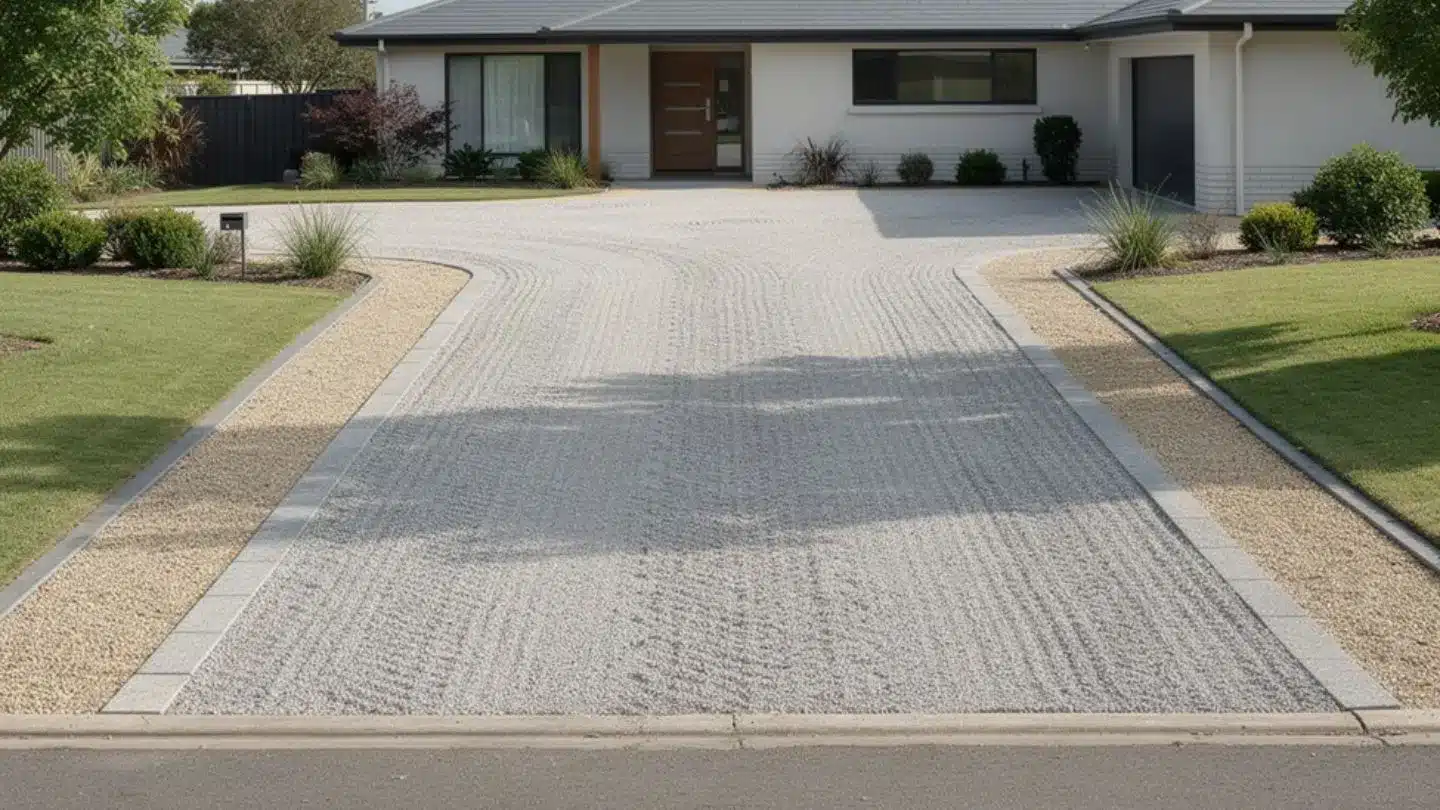
Combination installations offer the best of both materials by using crushed stone for structural integrity and decorative gravel for aesthetic appeal. Install a 3-4 inch crushed stone base for load-bearing capacity, then top with a 1-inch layer of attractive gravel for improved appearance. This approach provides 80% of crushed stone’s durability benefits while maintaining the natural look of gravel. If you want a finish that looks refined without sacrificing strength, decorative gravel styles that work well on pathways can also be used as a top layer over a crushed stone base for a polished driveway look.
Zoned applications use different materials for specific areas based on their intended use. Install crushed stone for main traffic lanes and high-wear areas, then transition to decorative gravel for parking areas and borders. This targeted approach optimizes material costs while ensuring adequate performance where needed most.
Integrated hardscape designs combine crushed stone and gravel with other materials for comprehensive landscape solutions. Consider permeable pavers with gravel joints for high-traffic areas, transitioning to full gravel surfaces for decorative borders and garden bed integration. This creates visual continuity while providing appropriate functionality for each area.
Built to Last and Look Great—All Year Long
At the end of the day, the best choice between gravel and crushed stone comes down to how you use your driveway. If you need maximum stability, low upkeep, and strong performance in tough weather or higher traffic, crushed stone is the clear winner. If visual appeal, softer texture, and lower upfront cost matter most—and your driveway sees lighter use—gravel can be a smart fit. And for many homeowners, a layered approach with a crushed-stone base and a gravel topcoat delivers the durability you want with the natural look you love.
If you’re ready to upgrade your driveway or refresh your landscape at the same time, Mulch Pros makes it easy to get the right materials delivered for your project. We can help you choose the ideal product for your surface, style, and budget—whether you’re planning a full driveway build or simply ordering gravel in Milton, Cumming, and nearby areas for a cleaner finish. While you’re at it, explore our full lineup for a complete outdoor transformation, including mulch, pine straw, and soil, to keep your property looking sharp and staying solid for the long haul.
Frequently Asked Questions
How much material do I need for a standard two-car driveway?
For most driveway renovation: gravel vs. crushed stone projects, a standard two-car driveway is about 20×40 feet (800 sq. ft.). If you’re using crushed stone and gravel at a 4-inch depth, you’ll usually need 12–15 tons total. A reliable estimate is: square footage × depth (in feet) × 1.3 for compaction. For example, 800 × 0.33 × 1.3 lands near 13 tons, and ordering extra is smart for topping off future wear. If the driveway sits on uneven terrain or you’re building over soft soil, plan closer to the high end — especially when using crushed gravel driveways with stone dust or fine dust that compacts tighter and resists shifting under traffic.
Can I install either material over existing concrete or asphalt?
Yes — both crushed stone and gravel can go over a stable concrete driveway or intact asphalt, as long as the surface is cleaned and leveled first. If the slab is broken or heaved, remove it before adding new construction materials. For better long-term performance, add a compacted base layer (often 0/1–2 crushed stone with stone dust) before your top layer such as pea gravel or decorative river rock. If drainage has been an issue, this is also the ideal time to add french drains or other drainage systems along the edges, especially where runoff pools near retaining walls or slopes toward garden beds.
What’s the best size crushed stone or gravel for driveways?
For durability, crushed gravel driveways perform best with 3/4-inch minus material, because the blend of angular larger rocks and stone dust locks together and resists shifting. This is the same type of aggregate widely used in road construction and even under concrete blocks. If you prefer a smoother surface for foot traffic, a top layer of pea gravel (around 3/8″) can work — but keep it over a compacted crushed base or it will roll due to its rounded edges. Avoid oversized larger stones or larger rocks on the surface since they don’t knit together well and can make ruts worse.
How do I prevent weeds from growing through my stone driveway?
Start with landscape fabric under your base, then build up at least 3–4 inches of compacted crushed stone and gravel so sunlight can’t reach seeds. A 3/4-inch minus base with stone dust creates a tight layer that blocks growth better than clean gravel alone. Along borders near garden beds, retaining walls, or concrete blocks, keep edges contained so drifting soil doesn’t feed weeds. If your driveway connects to a gravel road or sits near natural landscaping with natural stone or river rock, occasional pre-emergent treatment helps prevent seeds from settling in the surface.
Which material performs better in areas with heavy snowfall?
In winter climates, crushed stone and gravel with angular rock (like limestone or trap rock) generally outperforms smooth gravel because it compacts firm and resists shifting when plowed. Crushed gravel driveways also provide better traction than rounded river rock, which can scatter under tire spin or snow blades. If you’re renovating a driveway on uneven terrain, a crushed base supports snow removal equipment more reliably than loose gravel. Pairing the driveway with drainage systems or French drains helps meltwater exit fast, reducing ice buildup around edges and nearby garden beds.