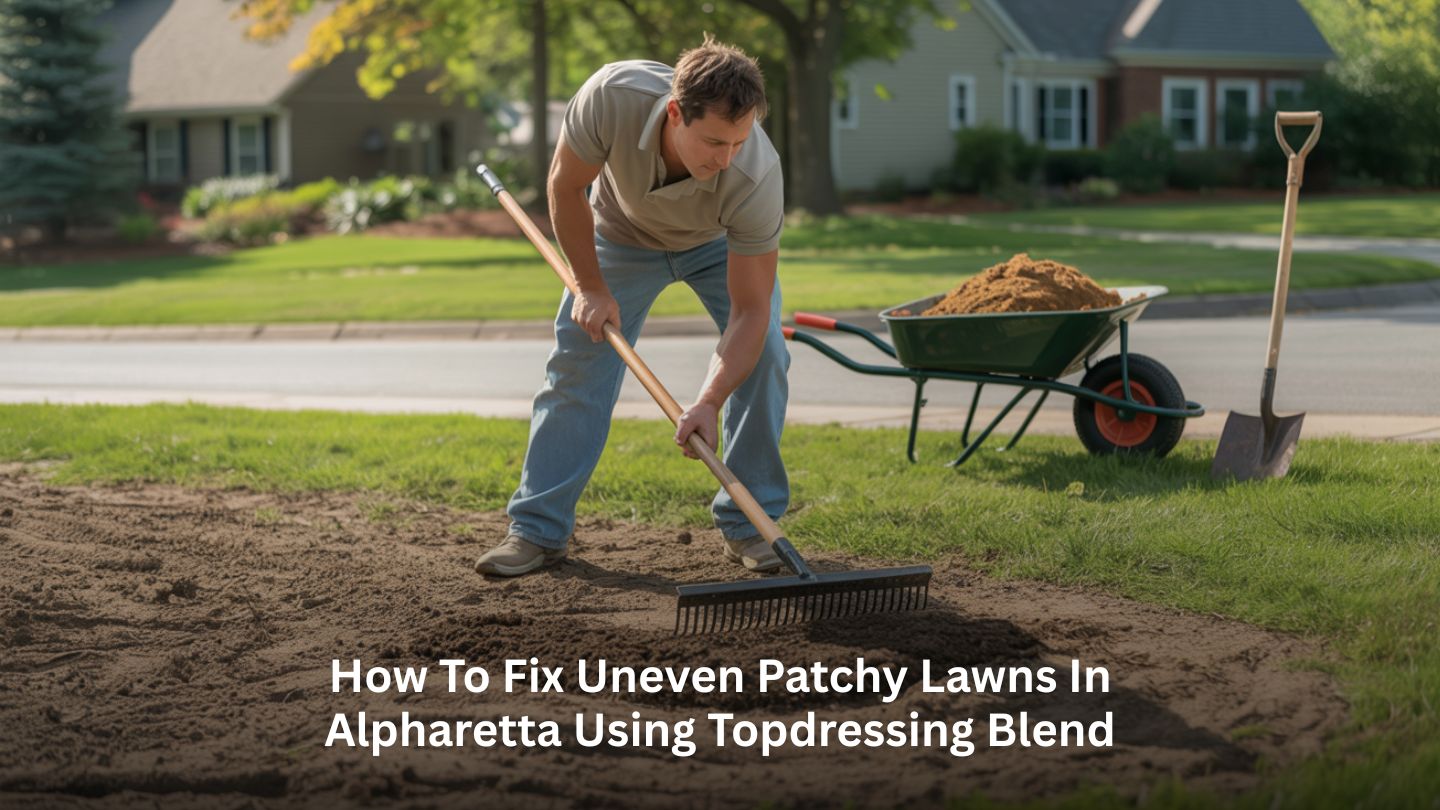

A patchy lawn with uneven surfaces can turn your Alpharetta yard from a neighborhood highlight into a constant source of frustration. If you’re wondering how to fix uneven patchy lawns in Alpharetta using topdressing blend, you’re looking at one of the most effective solutions for restoring your turf to healthy, level condition. This comprehensive blog walks you through everything you need to know, from understanding why your lawn developed these problems to applying the right compost mix that makes all the difference for North Georgia soil conditions.
Key Takeaways
- Topdressing blend effectively levels uneven lawns and fills bare spots while improving soil structure
- Late spring through early summer (May through early July) is the optimal timing for warm-season grasses in Alpharetta
- Core aeration before topdressing dramatically enhances results in compacted soil
- An 80% sand to 20% organic compost ratio works best for Alpharetta’s clay-heavy ground
- Apply thin layers (¼ inch maximum) and maintain consistent water to ensure successful lawn recovery
Understanding Uneven Patchy Lawns in Alpharetta
Alpharetta’s location in Georgia’s Piedmont region creates unique challenges for homeowners trying to maintain healthy turf. The area sits on Ultisol soil, a strongly weathered clay that compacts easily, drains poorly, and contains low organic matter. When you combine this poor soil with annual rainfall averaging 50-55 inches spread across 115-120 days, you get conditions that make lawn leveling a common necessity.
Summer temperatures regularly exceed 90°F, causing heat stress that leads to thin grass and brown patches, especially in areas where the root zone cannot access adequate moisture. Meanwhile, foot traffic from children, pets, and routine mowing further compresses the clay, reducing the macropore space that grass roots need for oxygen and nutrients.
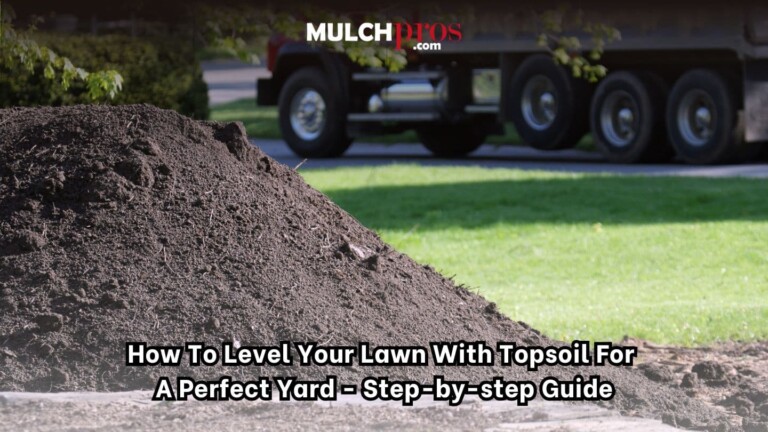
Slopes and drainage paths present additional problems. Stormwater runoff removes fine topsoil from high spots and deposits debris in low areas, creating uneven lawns that collect water in some places while leaving others bone-dry. In situations like these, learning how to level your lawn with topsoil can help homeowners better understand what it takes to create a smoother and more even yard.
Common Causes of Lawn Patchiness in Georgia
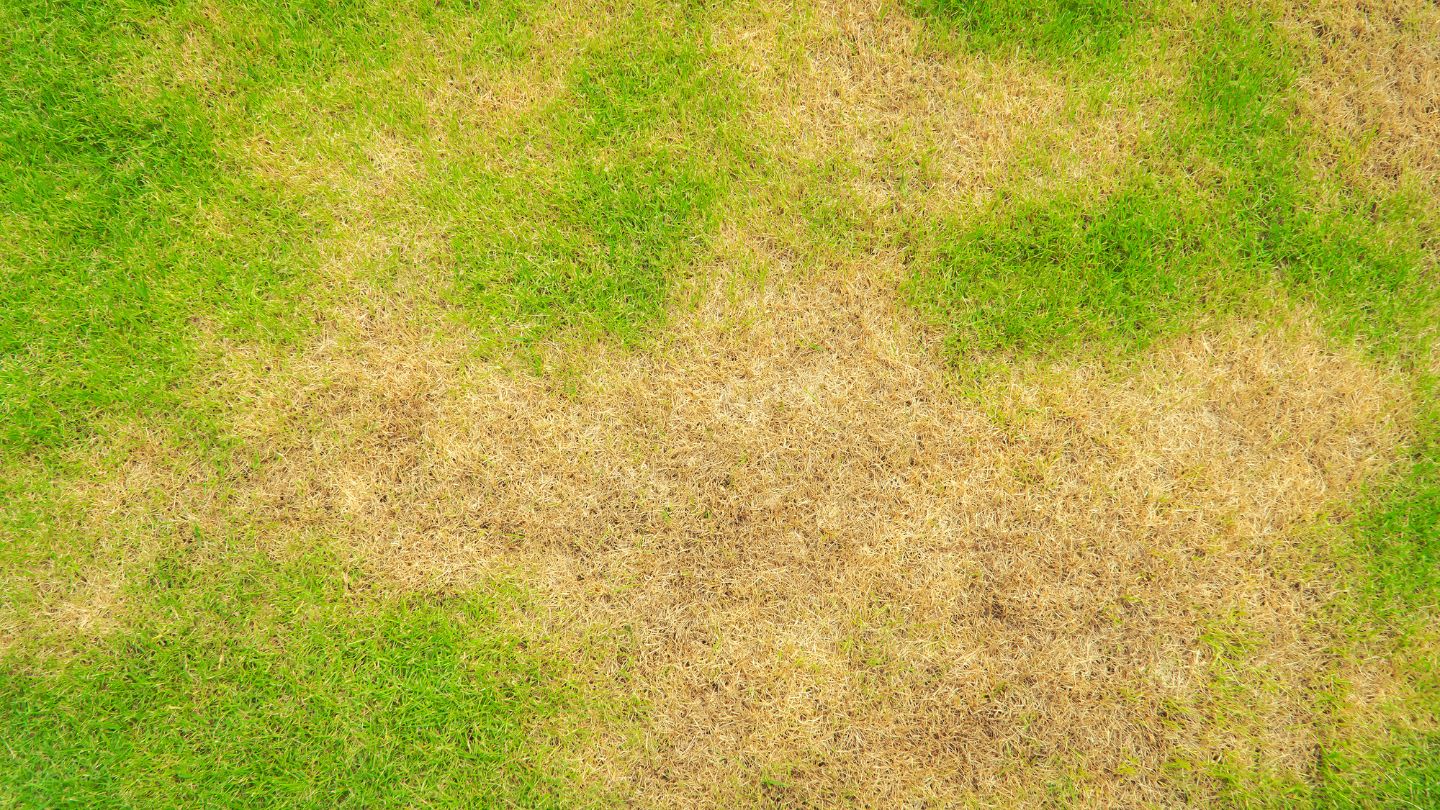
Clay soil compaction stands as the primary culprit behind patchy lawn conditions in the Alpharetta area. When heavy rains saturate the ground, clay particles settle tightly together. As the soil dries, it hardens into a nearly concrete-like surface that prevents grass roots from penetrating deeper than a few inches. Shallow-rooted turf cannot survive drought periods and becomes vulnerable to disease, weeds, and physical damage.
Summer heat stress affects warm-season grasses like Bermudagrass and Zoysiagrass when soil moisture drops during prolonged dry spells. The compacted clay makes matters worse by limiting water infiltration, leaving the soil surface dry while the subsoil remains inaccessible to roots.
Thatch buildup exceeding ½ inch creates another barrier between your grass and the nutrients it needs. This layer of dead grass clippings and organic material prevents water from reaching the existing soil, promoting disease and creating ideal conditions for weeds to establish in weakened areas.
Why Topdressing Blend is the Best Solution for Alpharetta Lawns
Top dressing with a quality blend addresses multiple lawn problems simultaneously, something that simple fertilize-and-water approaches cannot accomplish. The process introduces organic matter directly into contact with the soil surface, breaking down compaction while providing essential nutrients for grass growth.
For Alpharetta’s heavy clay, a blend containing 70-80% coarse sand and 20-30% mature organic compost delivers the best results. The sand fraction improves drainage and creates air pockets in the root zone, while the compost adds beneficial microbes, enhances soil structure, and increases moisture retention during the growing season. This is also why many homeowners focus on improving their lawn’s soil with topsoil and mulch when trying to build stronger root development and longer-lasting turf health.
Local suppliers like Mulch Pros offer an 80/20 sand-to-compost ratio specifically designed for North Georgia conditions, the same type of blend used on professional golf courses to maintain level, healthy turf year-round.
Unlike simply adding topsoil (which may contain more clay) or spreading pure sand (which doesn’t improve fertility), a properly balanced topdressing blend transforms your existing soil while filling low spots and creating a smooth, even surface that makes mowing easier and improves your yard’s overall appearance.
Common Mistakes to Avoid When Topdressing
Applying too thick a layer represents the most frequent error homeowners make. Spreading more than ½ inch of material at once can suffocate turf crowns, block sunlight, and cause root rot, especially during warm weather when grass is actively growing but stressed by heat. Questions like can you put topsoil over grass often come up when homeowners are trying to correct uneven areas without causing additional stress to the lawn.
Using materials with high clay content defeats the purpose entirely. Whether sourcing from garden centers or landscape suppliers, verify that your blend contains primarily coarse sand (particle size 0.5-1.0mm) with well-screened, mature compost free of weed seeds and pathogens.
Timing mistakes cause equally serious problems. Topdressing when warm-season grass remains dormant (soil temperatures below 65°F at 2-4 inch depth) prevents recovery and invites weed establishment. Similarly, applying material just before heavy spring storms risks washing your investment into drainage ditches.
Skipping soil pH testing leads to nutrient lockout. Alpharetta soils tend toward acidity, and most warm-season grass types perform best at pH 6.0-6.5. Without correction, even premium organic material cannot deliver its full benefits.
Step-by-Step Guide to Applying Topdressing Blend
Successful lawn leveling requires systematic preparation and careful application. It also helps to understand why mulching is important when supporting moisture balance, soil protection, and overall lawn performance after improvement work is complete. Follow this process for optimal results in your Alpharetta backyard:
- Test Your Soil: Contact the UGA Extension office for a soil test that reveals pH levels and nutrient deficiencies. If your pH falls below 6.0, apply lime several weeks before topdressing to allow correction time.
- Mow Lower Than Normal: Cut your grass shorter than usual (without scalping) so the dressing material can reach the soil surface. This also helps you identify low areas and bare spots requiring attention.
- Remove Thatch: If your thatch layer exceeds ½ inch, use a power rake or vertical mow to remove excess debris. This step is essential for allowing water, nutrients, and the topdressing blend to reach roots.
- Perform Core Aeration: Using a core aerator, pull plugs 2-3 inches deep at 3-4 inch spacing across your entire yard. This process breaks up compacted soil and creates holes that accept topdressing material directly into the root zone. For clay-heavy lawns, aerating while the grass is actively growing produces the best results.
- Calculate Material Needs: For light leveling of minor unevenness, plan for a ¼-inch depth application. A 1,000 square foot lawn requires approximately 0.75 cubic yards of material at this depth. Deeper low spots may need multiple applications over time.
- Spread the Blend: Use a shovel or mechanical spreader to distribute material evenly across the soil surface. Work in small areas to maintain consistent depth coverage.
- Work Material Into Holes: Use a flexible lawn rake or drag mat to push the blend into aeration holes and low areas. The goal is to ensure material contacts soil rather than sitting atop grass blades.
- Overseed If Needed: For patchy areas with bare spots, spread grass seed immediately after topdressing. Match the grass type to your existing lawn: Bermudagrass or Zoysiagrass for sunny areas, potentially Tall Fescue for shaded sections. The blend provides ideal seed-to-soil contact for germination.
- Water Consistently: Apply light water immediately after application to settle the material. For the following 1-2 weeks, maintain consistent moisture with daily light watering, then gradually reduce frequency as grass establishes. Avoid both drought stress and waterlogging.
- Resume Normal Mowing: Once grass grows through the topdressing layer (typically 2-3 weeks), resume mowing at normal height. Avoid collecting grass clippings for several mowings, as they add organic material back to your improving soil.
Read More: Should I Mix Grass Seed with Topsoil When Overseeding?
Conclusion
Fixing uneven and patchy lawns in Alpharetta becomes much more effective when you understand the underlying soil challenges and apply the right topdressing approach. By combining proper aeration with a well-balanced sand and compost blend, you can improve drainage, reduce compaction, and create a smoother, healthier lawn surface that continues to improve over time.
For homeowners looking to achieve consistent results without the guesswork, choosing a reliable supplier is essential. At Mulch Pros, we provide high-quality materials tailored to local soil conditions, including dependable solutions for mulch in Alpharetta, along with products like topdressing, topdressing blend, Erth Food organic compost, and topsoil to support lawn leveling and soil improvement needs. Get your lawn back to its best. Contact Mulch Pros today!
Frequently Asked Questions
When is the best time to apply a topdressing blend to patchy lawns in Alpharetta?
For Alpharetta’s warm-season grasses like Bermudagrass and Zoysiagrass, apply topdressing blend from late spring through early summer, typically May through early July. Soil temperatures must consistently exceed 65°F at a 4-inch depth for grass to grow through the material and recover properly. Avoid midsummer applications during peak heat or drought stress, and never topdress before warm-season grass breaks dormancy in spring.
What type of topdressing blend works best for Alpharetta’s clay soil?
An 80% coarse sand to 20% mature organic compost ratio works optimally for Alpharetta’s heavy clay conditions. The sand particles should measure 0.5-1.0mm for proper drainage without compacting, while the compost should be fully mature (C: N ratio 12-18:1) and screened to remove weed seeds and pathogens. Avoid blends containing fine sand or significant clay content, which can worsen compaction problems rather than solve them.
How thick should I apply the topdressing blend to fix uneven areas?
For light leveling and general soil improvement, apply a thin layer of ¼ inch maximum across your lawn. Deeper depressions require a layered approach, fill with up to ½ inch initially, allow grass to grow through over several weeks, then add additional material as needed. Never apply more than 1 inch total depth in a single season, as excessive material smothers turf crowns and promotes disease.