
Whether you’re building a new driveway, installing a garden pathway, or upgrading your landscape design, gravel remains one of the most practical and attractive materials for outdoor projects. However, while choosing the right type of gravel is important, knowing how to get gravel delivered efficiently is what ensures your project runs smoothly from start to finish.
This guide breaks down every detail about the gravel delivery process; how it works, what to expect, and how to prepare your site to make sure you receive exactly what you need, where you need it.
Understanding the Basics of Gravel Delivery
Before diving into logistics, it’s helpful to understand how is gravel delivered and why professional delivery services are essential. Gravel delivery typically involves transporting bulk materials from a quarry or supplier directly to your property. Trucks equipped with hydraulic lift systems unload the gravel into your designated area, allowing you to spread and compact it efficiently.
Whether you’re ordering one ton or several cubic yards, knowing how does gravel delivery work helps you avoid costly mistakes, such as underestimating the amount needed or failing to prepare adequate space for unloading. Understanding how different applications of gravel enhance landscape function, such as gravel gardening guide, can also help refine your material selection before ordering delivery.
Common Types of Gravel for Delivery
Different projects require different grades and textures of gravel. Understanding your options ensures you choose the right material for drainage, stability, and appearance.
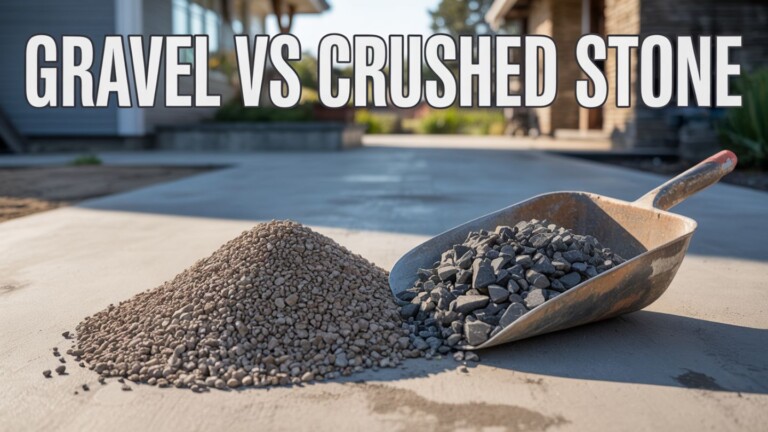
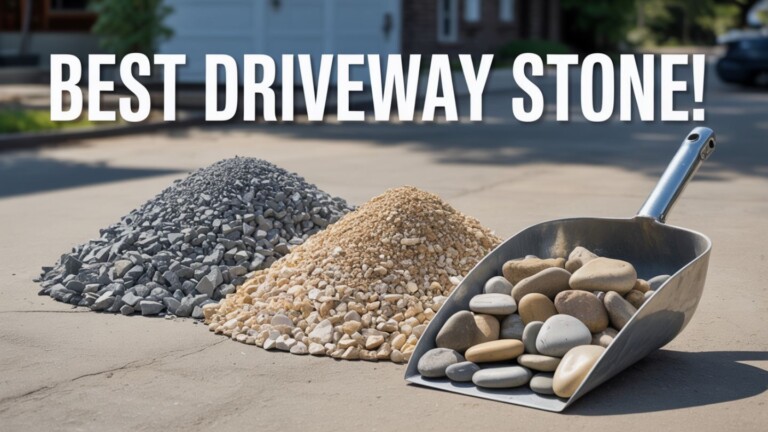
- Crushed Stone: Ideal for driveways and construction foundations due to its sharp edges that compact tightly.
- Pea Gravel: Small, rounded stones that create a smooth, decorative finish for walkways and garden beds.
- River Rock: Larger, polished stones used for landscaping and erosion control.
- Decomposed Granite: A fine-textured option perfect for patios or paths with a natural appearance.
- Limestone Gravel: Common for base layers beneath pavers or concrete installations.
When considering how to order gravel delivery, think about your project’s function and desired aesthetic. It’s often helpful to speak with your supplier for recommendations based on soil type, traffic levels, and drainage needs. Recognizing how specific aggregate types perform seasonally, particularly in colder regions, is detailed in why gravel works best for winter driveways, offering useful insight before placing an order.
Calculating How Much Gravel You Need
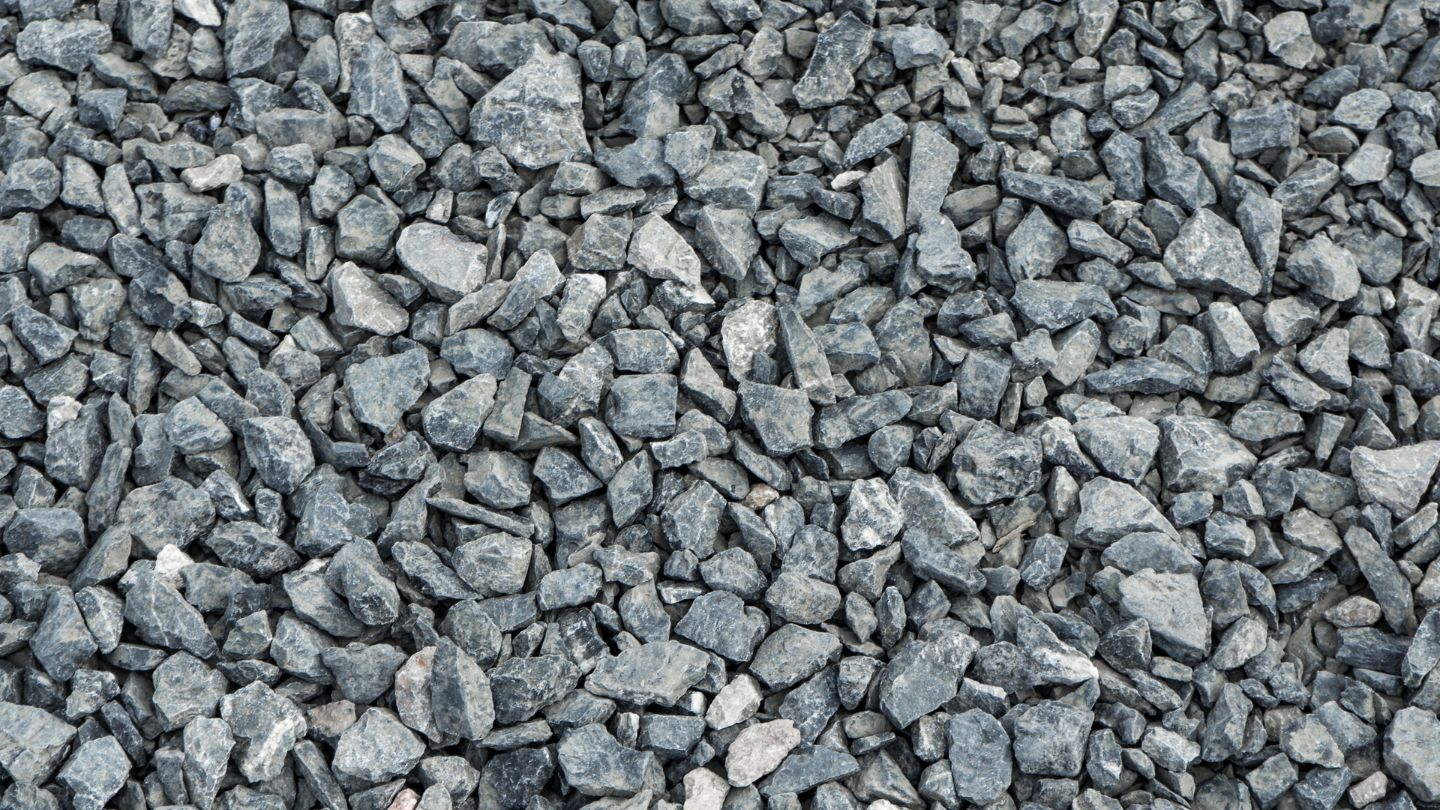
Estimating the correct quantity is one of the most important steps before placing your order. Gravel is measured by cubic yards or tons, and the formula depends on the area’s length, width, and depth. For most driveways or pathways, a 2–3 inch layer provides ideal coverage.
Online gravel calculators make this process easier. Still, understanding what to know before ordering gravel delivery helps prevent over-purchasing or coming up short. Always round up slightly; compaction and uneven surfaces can reduce total coverage once the material settles. The importance of quantity also ties to the type of base material and water flow management, key factors explored in finding the optimal gravel for drainage solutions, which explains how correct sizing and depth prevent pooling and erosion.
How to Order Gravel Delivery
If you’re new to the process, learning how to order gravel delivery step by step simplifies the experience.
- Choose Your Supplier: Research local aggregate or landscape supply companies known for reliability and timely service.
- Select the Material Type: Identify the grade of gravel suitable for your application.
- Measure and Calculate: Use your dimensions to determine total cubic yards or tons required.
- Schedule Delivery: Choose a time that allows preparation of your site in advance.
- Confirm Logistics: Ensure truck access and confirm whether the driver can dump directly into your work area.
Clear communication with your supplier prevents surprises on delivery day and ensures your gravel arrives exactly as expected.
The Process of Gravel Delivery
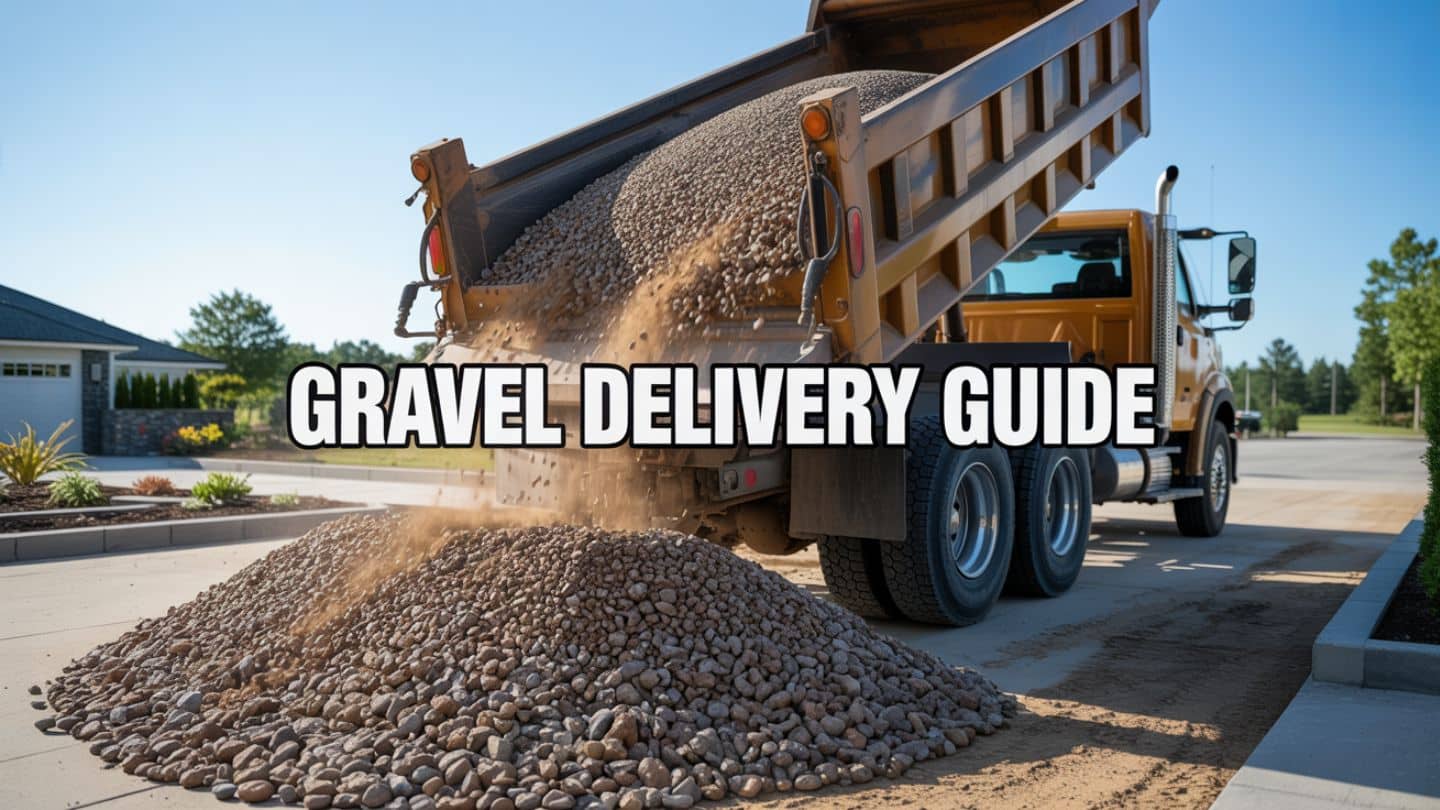
If you’ve ever wondered how does gravel delivery work, the process is straightforward but requires planning. Once your order is placed, the supplier loads your selected gravel type into a dump truck or tipper. The driver then transports the load to your property, navigating carefully to your chosen drop zone.
On arrival, the truck bed lifts to unload the material in a controlled pile. Most deliveries are completed in minutes, but proper site accessibility is crucial. Driveways should be clear of vehicles, and the ground should be level to prevent uneven dumping.
Preparing for Gravel Delivery
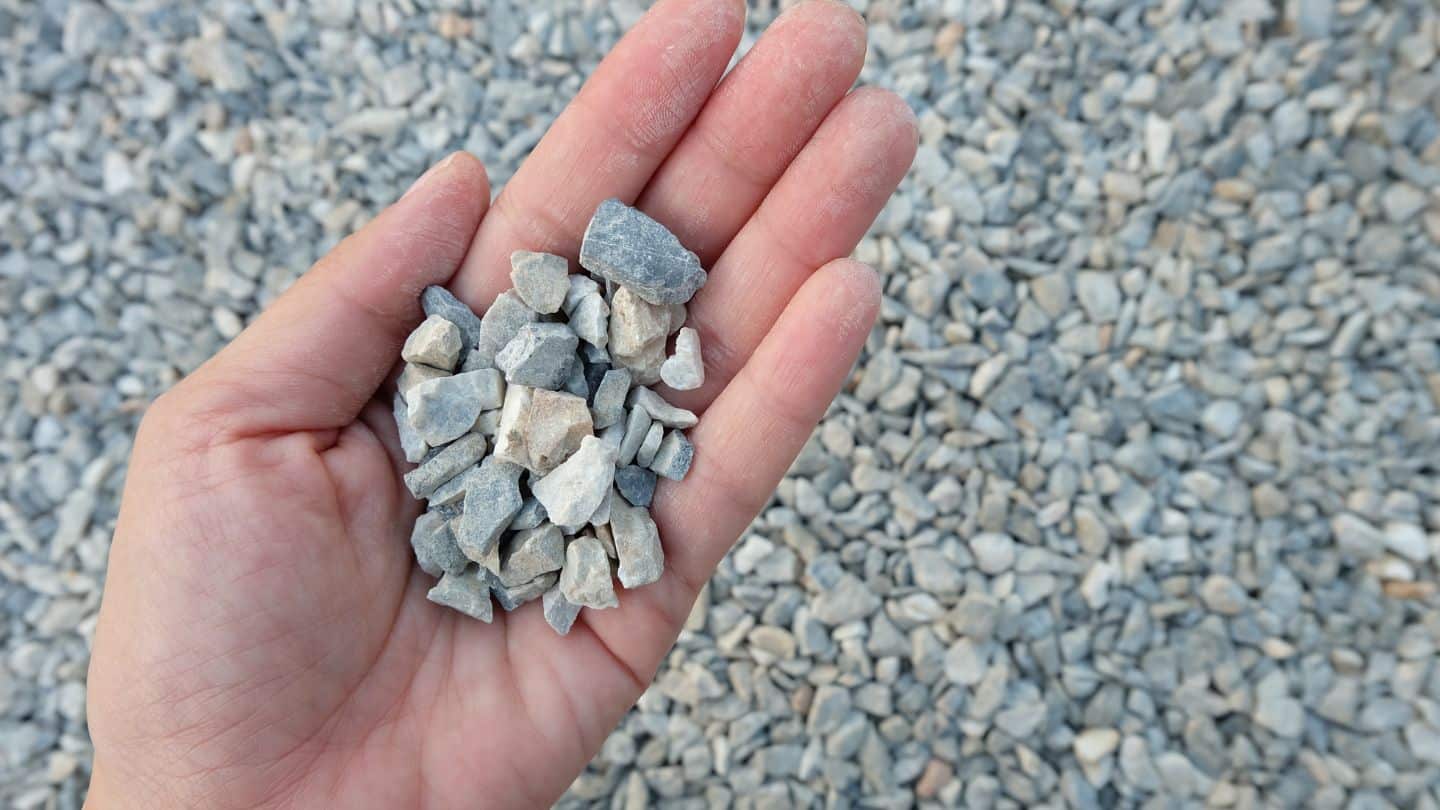
Preparation is key to ensuring your delivery goes off without a hitch. Here’s how to prepare for gravel delivery effectively:
- Clear the Area: Remove obstacles such as vehicles, tools, and lawn furniture.
- Mark the Drop Zone: Use cones, stakes, or spray paint to guide where you want the gravel unloaded.
- Ensure Accessibility: Confirm the truck can safely reach the drop point without damaging landscaping or driveways.
- Lay a Base or Fabric: If required, place landscape fabric to suppress weeds and improve stability.
- Check Weather Conditions: Avoid delivery during heavy rain or mud-prone periods, as wet ground can make spreading difficult.
These steps not only streamline the process but also help your gravel settle evenly once spread. Factoring in aesthetic and functional balance between materials, and understanding gravel vs pebbles, can further refine your surface design after delivery.
What to Expect on Delivery Day
Knowing how to get gravel delivered also means understanding what happens during delivery. On the scheduled day, your driver will contact you before arrival. Ensure someone is available to guide them to the correct unloading location.
Once the truck dumps the load, inspect the material immediately for quality and consistency. If the order doesn’t match specifications, notify the supplier before the driver leaves. After confirmation, begin spreading and compacting the gravel while it’s still loose for best results.
Advantages of Professional Gravel Delivery Services
Hiring a professional delivery service eliminates much of the guesswork and labor associated with sourcing and transporting bulk materials.
Time Efficiency
Professionals streamline the process by handling the logistics, ensuring the correct quantity and type of gravel arrives on schedule.
Quality Assurance
Reputable suppliers source from certified quarries and provide consistent, high-grade materials.
Equipment and Safety
Professional drivers use specialized dump trucks designed to unload materials safely and efficiently, minimizing property damage or uneven spreading.
Cost Savings
When factoring in fuel, vehicle wear, and potential errors from DIY hauling, professional services are often more cost-effective than multiple self-delivery trips.
Maximizing the Benefits of Your Gravel Delivery
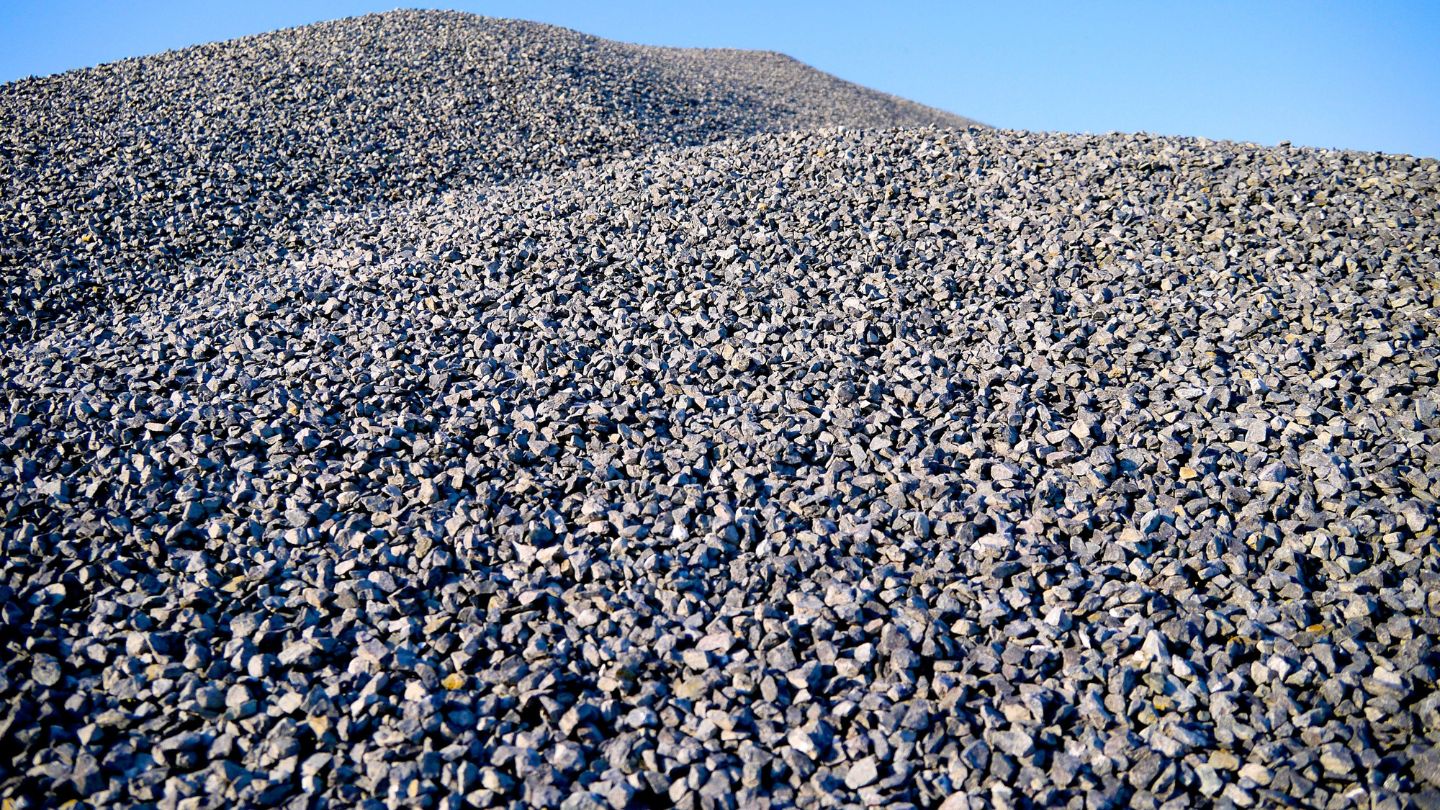
Once your gravel arrives, proper installation and maintenance ensure longevity.
- Spread Evenly: Use rakes or shovels to distribute material consistently.
- Compact the Surface: A plate compactor helps prevent displacement and improves load-bearing capacity.
- Add Edging: Concrete, timber, or metal edging prevents gravel from spilling into unwanted areas.
- Replenish Annually: Add fresh material to maintain depth and appearance over time.
- Drainage Check: Ensure proper slope to direct water away from structures.
Seasonal inspections can help maintain performance and prevent erosion, especially in high-traffic zones like driveways or pathways.
The Bottom Line
Understanding how to get gravel delivered efficiently ensures your landscaping or construction project starts on the right foundation. From choosing the right material to coordinating logistics, every detail plays a role in achieving a clean, professional result. Learning how is gravel delivered and how to prepare your site ahead of time saves both time and resources while guaranteeing smooth installation.
Whether you’re ordering a small load for garden enhancement or a full truck for driveway installation, knowing what to know before ordering gravel delivery empowers you to make informed, cost-effective decisions. For homeowners sourcing quality gravel in Milton, partnering with a trusted supplier ensures lasting performance and visual appeal. With proper planning and reliable service, your gravel delivery experience can be seamless, fast, and efficient.
Frequently Asked Questions About Gravel Delivery
What types of gravel are available for delivery?
Crushed stone, pea gravel, river rock, and limestone are among the most commonly delivered varieties. Each type serves a different function based on stability and drainage needs.
How do I calculate how much gravel I need?
Multiply the length by width and depth of the area, then divide by 27 to convert cubic feet into cubic yards. This calculation ensures accurate ordering.
What should I do to prepare my site for gravel delivery?
Clear the unloading zone, ensure truck access, and mark the area where you want the material dumped.
What are the benefits of using professional gravel delivery services?
Professional delivery ensures correct quantity, consistent material quality, and timely arrival; all while saving you labor and transportation costs.