
Excess water accumulation can turn a beautiful yard into a muddy, uneven mess, damaging both plants and soil. Gravel offers an effective and natural solution to enhance drainage while adding aesthetic value to your landscape. Creating pathways for water to flow and absorb evenly helps prevent erosion and flooding issues. It also promotes healthier soil conditions by improving water filtration and reducing compaction. In this blog, we’ll explore how gravel supports efficient yard drainage and guide you on choosing and installing the right type for your outdoor space.
Key Takeaways
- Implementing gravel solutions can drastically improve yard drainage, preventing issues like waterlogging, root rot, and soil erosion.
- Choosing the right type of gravel, such as pea gravel, crushed stone, river rock, or marble chips, is essential for maximizing drainage effectiveness in specific applications.
- Regular maintenance, including inspections and debris removal, is crucial for keeping your gravel drainage system functioning optimally and protecting your yard from excess water damage.
Understanding Poor Drainage and Its Effects
Poor drainage can turn your yard into a muddy mess. Persistent wet spots lead to the development of puddles that can last for days after rainfall. These soggy spots not only look unsightly but also create a host of other problems, including dead patches, soil compaction, which hinders water infiltration, difficulty for plants to access the nutrients they need, stunted growth, and stressed vegetation.
The effects of poor drainage extend beyond mere aesthetics:
- Waterlogged soil can lead to root rot in plants, ultimately harming their growth.
- Prolonged moisture can cause the roots of mature trees to suffer when submerged, potentially leading to stress and even death.
- Excess moisture can attract pests.
- It can increase the risk of disease for both plants and soil.
This not only affects the health of your garden but can also lead to infestations that are difficult to control.
Unchecked drainage issues can also cause significant structural problems, including:
- Flooded conditions that can damage the roots of trees, making them more susceptible to falling during storms.
- Excess water leads to soil erosion, stripping away valuable topsoil from gardens and lawns.
- Over time, this can result in uneven ground and destabilized foundations, posing a risk to your home’s structure.
Resolving drainage problems is a simple solution vital to keeping your yard healthy and attractive. Understanding the top benefits of gravel in your garden can help address these drainage challenges effectively and enhance both the beauty and health of your landscape.
How Gravel Improves Yard Drainage
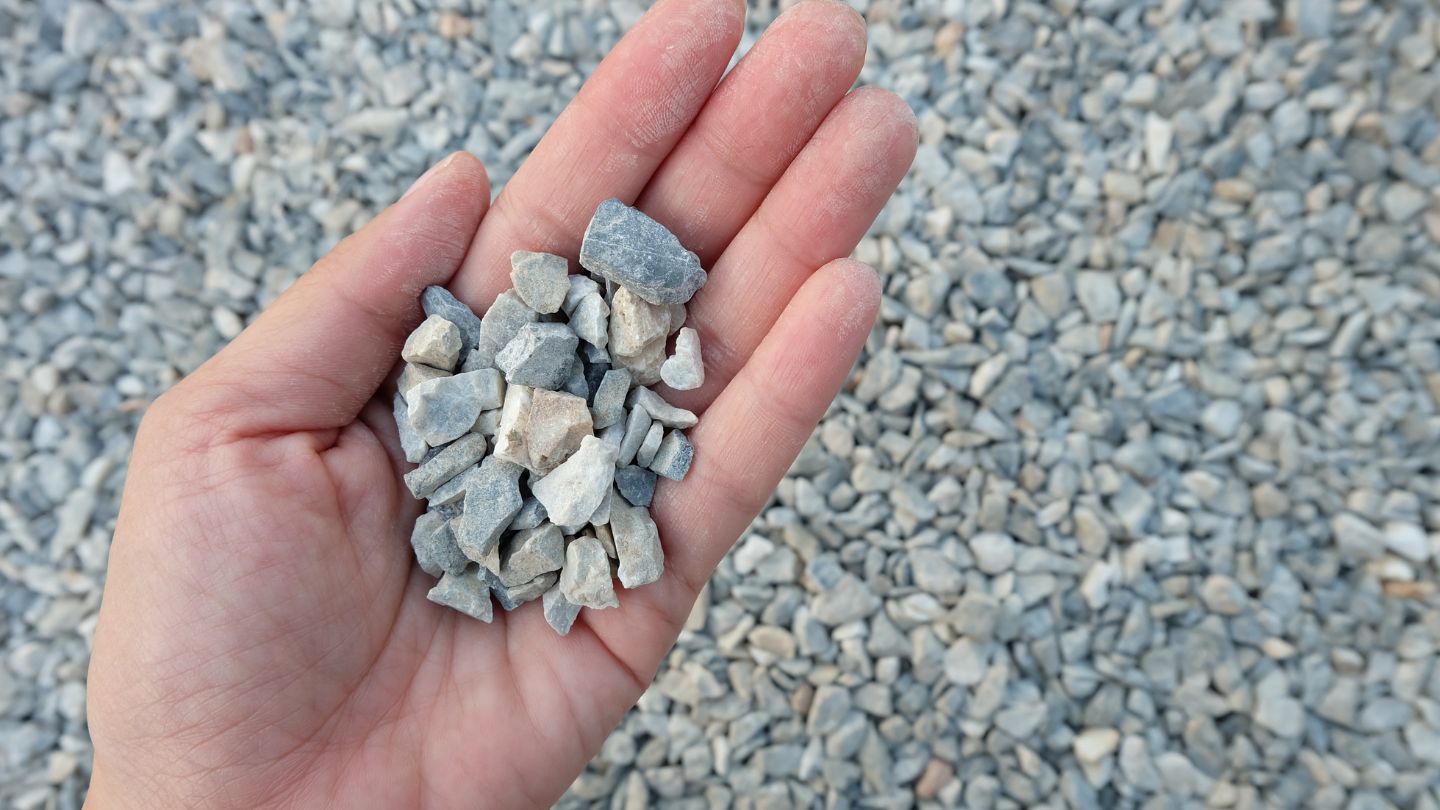
Gravel is a versatile and effective solution for improving yard drainage. One of the primary benefits of using gravel is its ability to:
- Create air pockets within the soil, which facilitates drainage and prevents soil saturation.
- Help manage excess water in areas prone to heavy rainfall, keeping plant roots healthy.
- Stabilize the ground and minimize erosion by directing water away from structures and holding soil in place.
Gravel driveways are a great example of how gravel can reduce runoff and minimize pooling. Gravel driveways allow water to permeate through the surface, preventing accumulation and potential damage. Additionally, gravel beds can channel water away from structures, minimizing water accumulation and protecting foundations from excess moisture. This not only preserves the integrity of your home but also enhances the overall health of your landscape. Furthermore, runoff carries water away from these areas, ensuring better drainage.
The loose composition of gravel allows it to protect foundations by enabling water to flow freely away from the structure. This is particularly beneficial in preventing water damage and maintaining the stability of your home’s foundation. In addition to its functional benefits, gravel can also be used to create aesthetically pleasing features such as gravel paths and walkways. These paths not only improve drainage but also add a charming, rustic touch to your outdoor space. Understanding the top gravel options for durable and stylish pathways helps ensure you choose materials that enhance both function and appeal.
When selecting the right gravel for your yard, it’s important to consider the specific drainage needs and the type of gravel that will best suit those needs. Different types of gravel have varying properties that make them more or less effective for certain applications. Let’s explore the different types of gravel and their specific uses for enhancing yard drainage.
Types of Gravel for Optimal Drainage
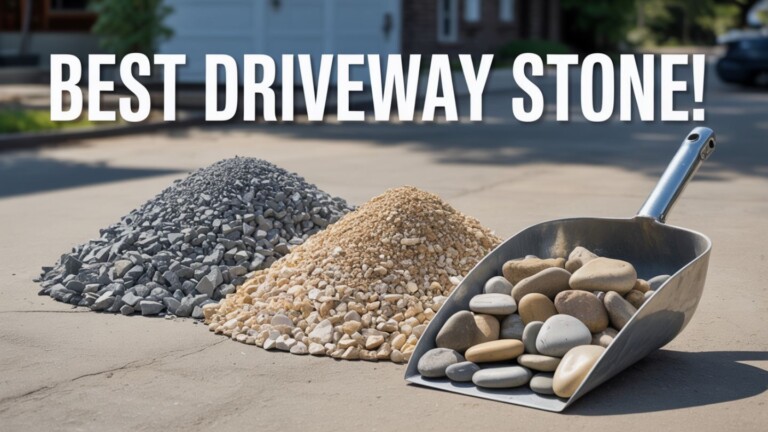
Selecting the appropriate type of gravel is key to improving yard drainage. Each type of gravel has unique properties that make it suitable for specific applications. Choosing the right gravel for applications like French drains, paths, or driveways significantly impacts the effectiveness of your drainage system.
Each type of gravel offers distinct benefits for improving drainage. Here are some common types of gravel to consider for your yard:
- Pea gravel
- Crushed stone
- River rock
- Marble chips
Let’s delve into the characteristics and uses of each type of gravel to help you make an informed decision for your yard.
Pea Gravel
Pea gravel is a popular choice for drainage in landscaping due to its small, smooth stones that allow water to flow through without compacting. This makes it an excellent option for directing water away from vulnerable areas, such as around foundations or in low spots in your yard. The rounded shape of pea gravel prevents compaction, enabling it to effectively channel excess water away from flooding-prone areas, while pebbles store water temporarily.
In addition to its practical benefits, pea gravel is also aesthetically pleasing, making it a versatile choice for various landscaping projects. It can be used in gravel paths, raised beds, and rock gardens, adding a decorative element while enhancing drainage. The small size and smooth texture of pea gravel facilitate effective water drainage while temporarily storing moisture, ensuring that your plants remain healthy and your yard stays dry. When choosing materials, recognizing what type of gravel is best for a playground can also guide you toward selecting the right texture and size for safe, functional outdoor use.
Crushed Stone
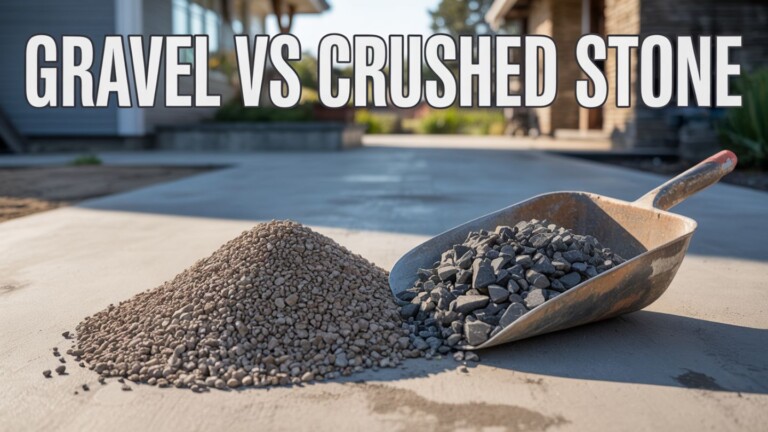
Crushed stone, particularly #57 stone, is another excellent stone option for drainage. Its size and durability make it ideal for various yard applications, including French drains and gravel driveways. The angular shape of crushed stone allows for excellent water passage and stability, preventing soil erosion and maintaining the integrity of your drainage system. This makes it a cost-effective and durable choice for effective water drainage solutions.
French drains are best installed with #57 crushed stone, which provides both drainage and structural support. By allowing water to flow freely into the perforated pipe, crushed stone enhances the drainage capacity of French drains, ensuring that excess water is effectively managed and directed away from your home. This helps prevent water accumulation and protects your landscaping from damage.
River Rock
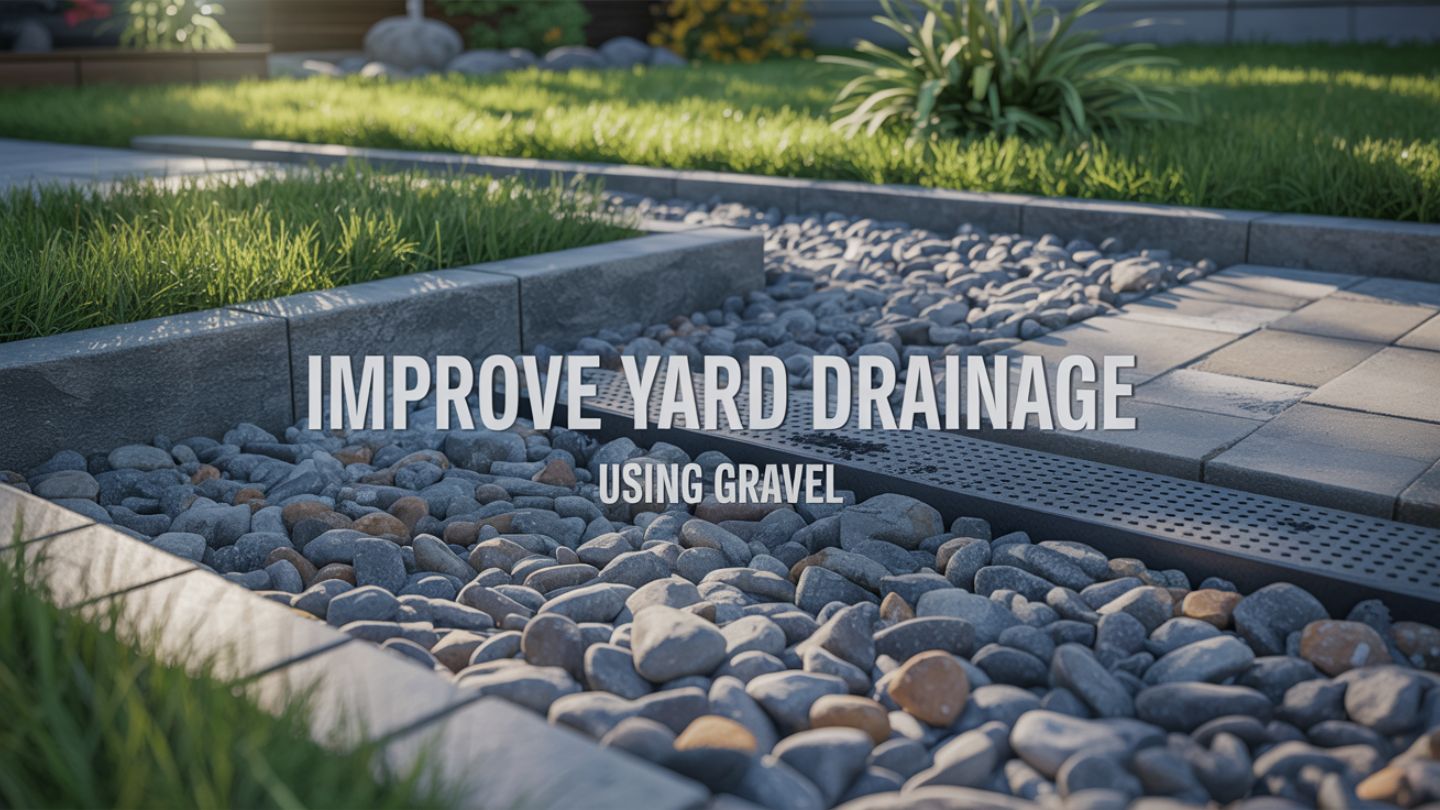
River rock is often used in landscaping to create dry creek beds and French drains, as its smooth texture enhances water flow while being visually appealing. These smooth stones are effective in directing water away from areas prone to flooding, making them a practical and attractive choice for managing water flow in your yard. The smooth surface of river rock promotes water movement, ensuring that excess water is efficiently channeled away from vulnerable areas.
In addition to their functional benefits, river rocks add a natural aesthetic to your landscape. They can be used to create visually appealing dry creek beds that not only manage water flow but also enhance the beauty of your yard. By incorporating river rock into your drainage system, you can achieve both practicality and elegance in your landscaping.
Marble Chips
Marble chips are another option for improving drainage in landscaped areas. These stones assist in regulating soil temperature while enhancing drainage efficiency, making them suitable for use around plants and in landscape beds. The porous nature of marble chips helps prevent water saturation in landscape beds, ensuring that plants receive the right amount of moisture without becoming waterlogged.
In addition to their drainage benefits, marble chips add a touch of elegance to your landscaping. They can be used in flower beds, around trees, and in other landscaped areas to create a polished and refined look. By incorporating marble chips into your yard, you can improve drainage while enhancing the overall aesthetic of your outdoor space.
Best Practices for Installing Gravel for Drainage
Proper installation techniques are essential for ensuring that gravel systems function effectively and prevent water pooling. To achieve the best results, it’s important to follow a few key steps when installing gravel for drainage. This includes preparing the ground, creating a gravel layer, and using geotextile fabric to maintain the integrity of the gravel structure.
Following these best practices will help you create a drainage system that efficiently manages excess water and protects your yard. We’ll provide detailed instructions on each step to ensure a successful gravel installation.
Preparing the Ground
The first step in installing a gravel drainage system is to prepare the ground. This involves clearing the area of any debris and vegetation to create a stable foundation for the gravel. It’s essential to level the surface prior to gravel installation, as this facilitates proper drainage and ensures that water flows away from your home.
Grading the area appropriately is also crucial for effective drainage. By creating a slight slope away from structures, you can direct water flow and prevent water from pooling around your foundation. Proper ground preparation sets the stage for a successful gravel installation in sloped areas and helps maintain the effectiveness of your drainage system. Understanding how to choose the right gravel size for your landscaping project ensures you match gravel type to drainage goals for long-term performance.
Creating a Gravel Layer
Once the ground is prepared, the next step is to create a gravel layer. Selecting the appropriate size and type of gravel is critical to match specific drainage needs. For example, pea gravel and crushed stone are both excellent options for different applications. The right gravel can prevent water accumulation and improve soil stability, making it an essential component of your drainage system.
To install a French drain, you’ll need to dig a trench, add a layer of gravel, and place perforated pipes to facilitate water movement. This combination of gravel and perforated pipes ensures that excess water is effectively channeled away from vulnerable areas, protecting your yard and home from flooding through strategic trench placement.
Using Geotextile Fabric
Geotextile fabric plays a crucial role in stabilizing gravel installations and ensuring effective drainage. By preventing soil from mixing with the gravel, geotextile fabric maintains the integrity of the gravel structure and enhances its drainage efficiency. This is particularly important in areas with extended moisture exposure, as it helps prevent sediment buildup and compaction.
Using non-woven geotextile fabric allows water to pass through while filtering out soil particles. This ensures that the gravel remains effective in channeling water away from your home and prevents blockages that could impede water flow freely underneath.
Using geotextile fabric in your gravel installation enhances the longevity and functionality of your drainage system.
Specific Applications for Gravel Drainage
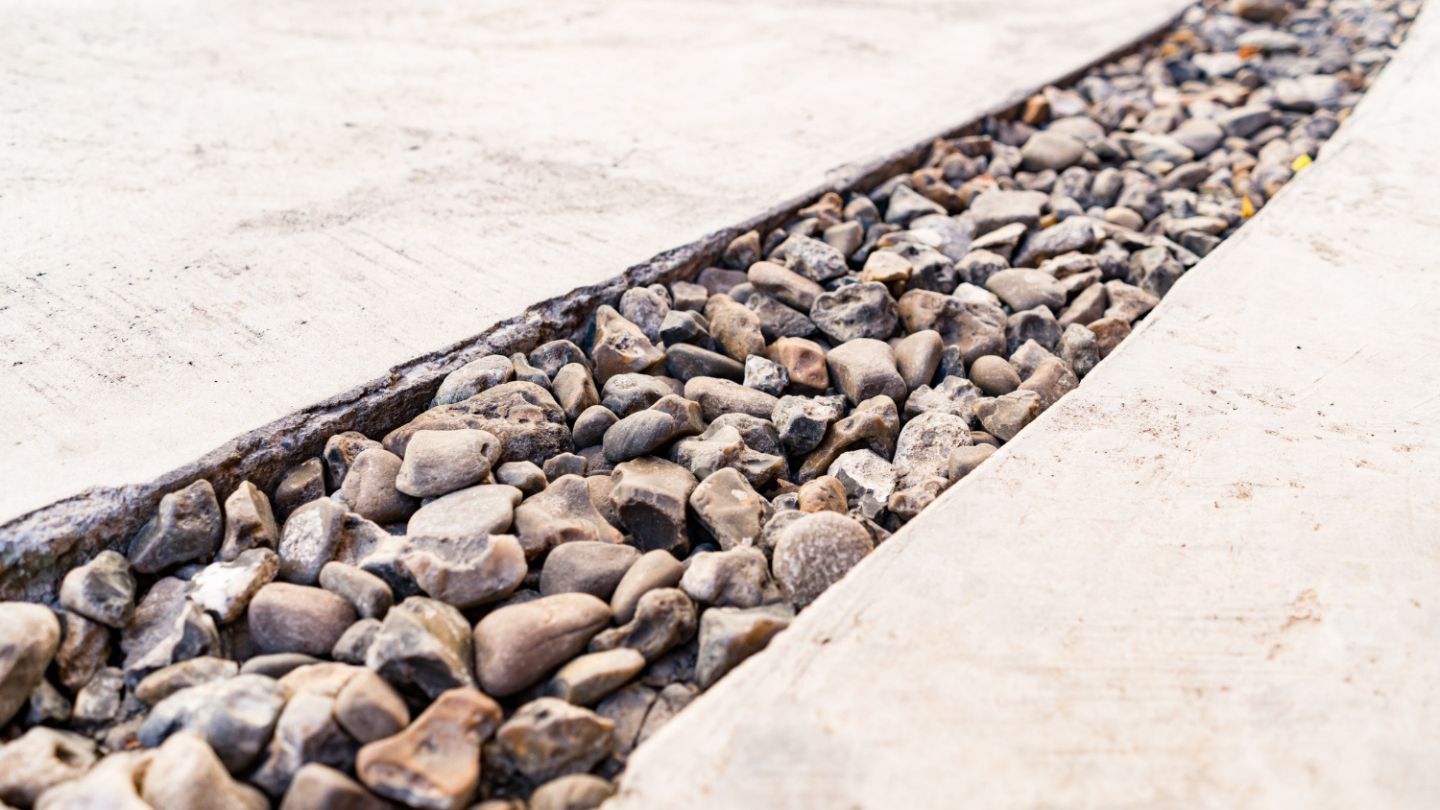
Gravel can be used in a variety of applications to improve drainage in your yard. From French drains to gravel paths and driveways, each application offers unique benefits for managing excess water and preventing damage. Choosing the right type of gravel for each application is essential for achieving the best results.
We’ll explore specific applications for gravel drainage, offering practical tips and insights for an effective yard drainage system.
French Drains
French drains are an effective solution for managing excess water and rainwater in low-lying areas. Installing a layer of gravel helps redirect water. It moves the water away from homes and towards drainage systems. Gravel trenches catch runoff from downspouts and hardscapes, temporarily storing water and preventing flooding.
Using gravel in French drains helps prevent water accumulation and protects landscaping from damage. This simple yet effective solution ensures that excess water is effectively managed, maintaining the health and beauty of your yard.
Gravel Paths and Walkways
Gravel paths and walkways provide practical solutions for managing water in outdoor spaces. These walkways shed water to the sides, preventing potholes and flooding, and keeping walkways clean and safe. Additionally, gravel paths facilitate water runoff, minimizing the occurrence of mud and maintaining a clean walking surface.
Incorporating gravel paths into your landscape design not only improves drainage but also enhances the overall aesthetic of your yard. These paths can be used to create a natural-looking alternative to paved surfaces, blending seamlessly with your garden and other outdoor features.
Whether you’re looking to create a charming garden path or a functional walkway, gravel is an excellent choice for improving drainage and adding visual appeal.
Gravel Driveways
Gravel driveways are an effective solution for improving drainage in residential areas. By allowing water to permeate through the surface, gravel driveways reduce the likelihood of water pooling and potential damage to paved surfaces. This not only prolongs the lifespan of your driveway but also helps prevent soil erosion and other drainage issues.
Incorporating gravel into driveway design can significantly benefit yard drainage and maintenance. Gravel driveways manage excess water effectively, ensuring that your yard remains dry and your foundation stays protected from water damage. This simple yet effective solution enhances the functionality and durability of your driveway, making it a practical choice for homeowners looking to improve their yard’s drainage.
Maintaining Your Gravel Drainage System
Proper maintenance of your gravel drainage system is essential to ensure its long-term effectiveness. Key maintenance steps include:
- Regular inspections and debris removal to prevent issues like sediment buildup and reduced drainage capacity.
- Checking your drainage system every six months to a year for any signs of sinking or compaction.
- Addressing any identified issues promptly to maintain system performance.
Incorporating geotextile fabric can extend the lifespan of your gravel drainage systems by reducing sediment buildup. Additionally, regularly removing debris like leaves and twigs from the drainage area helps prevent blockages that could impede water flow.
Regular maintenance ensures your gravel drainage system continues to manage excess water effectively and protect your yard.
Create a Yard That Drains Beautifully and Lasts Longer
Incorporating gravel into your landscape is one of the most effective ways to manage drainage while improving both function and appearance. It prevents standing water, reduces soil erosion, and promotes healthier plant growth by allowing water to filter naturally into the soil. Whether used in pathways, garden beds, or around foundations, gravel offers long-lasting performance with minimal maintenance, making it a smart and attractive choice for any yard.
At Mulch Pros, we specialize in gravel in Cumming, providing high-quality landscaping materials and professional installation services to help you achieve a durable, well-drained outdoor space. In addition to gravel, we supply and install premium pine straw, nutrient-rich soil, decorative mulch, and seasoned firewood to keep your property looking its best through every season. If you’re looking for premium service, let us help you design and maintain a yard that stays dry, strong, and visually stunning year-round.
Frequently Asked Questions
Does gravel improve drainage?
Yes, gravel significantly improves drainage by allowing water to flow freely, redirecting it away from your home and preventing potential water damage. By using gravel, you’re making a smart decision for better landscape management and protecting your property!
How often should I inspect my gravel drainage system?
Inspect your gravel drainage system every six months to a year to keep it functioning optimally and prevent any potential problems. Regular check-ups will help you maintain a healthy drainage system!
Can pea gravel be used for driveways?
Absolutely, pea gravel is an excellent choice for driveways because it facilitates drainage and prevents water buildup. Choose it for a durable and efficient driveway solution!
What is the role of geotextile fabric in gravel drainage systems?
Geotextile fabric is crucial in gravel drainage systems as it keeps soil and gravel separate, ensuring optimal drainage and structural integrity. By using it, you enhance the performance of your drainage system effectively!