
Avoid wasting time and money on your landscaping projects by knowing the common landscaping supply mistakes and how to avoid them. From choosing the wrong mulch to ignoring plant spacing, this blog will help you navigate common pitfalls and ensure your garden thrives.
Key Takeaways
- Choose the right mulch and apply it correctly to enhance plant health and soil moisture retention.
- Prioritize proper soil preparation and plant spacing to ensure robust growth and minimize maintenance challenges.
- Invest in professional landscaping advice to maximize your garden’s potential and boost property value.
Choosing the Wrong Mulch
Mulch selection impacts more than just appearance; the wrong type can reduce soil moisture retention and nutrient levels, harming plant health. Additionally, lower-quality mulch options can introduce pests and diseases into your garden, turning your green paradise into a problem zone. Understanding how to choose the right mulch for your landscape helps ensure your garden benefits from proper moisture control, protection, and longevity.
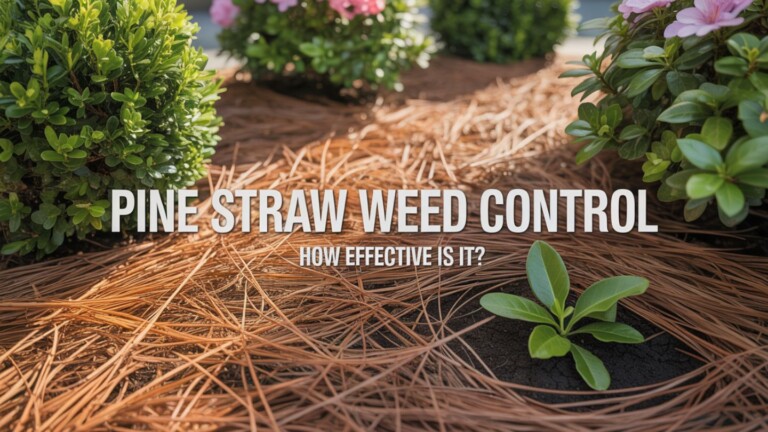
Organic mulching is a gardener’s best friend. They decompose over time, improving soil health by adding essential nutrients, unlike inorganic options that merely cover the ground. Regularly checking and refreshing mulch layers not only boosts their effectiveness but also enhances the aesthetic appeal of your garden.
Applying mulch in spring or fall maximizes its benefits, aiding your garden’s health across seasons. Remember to keep mulch away from plant stems to prevent rot and pest infestations. Choose wisely, and your garden will thank you.
Incorrect Mulch Application
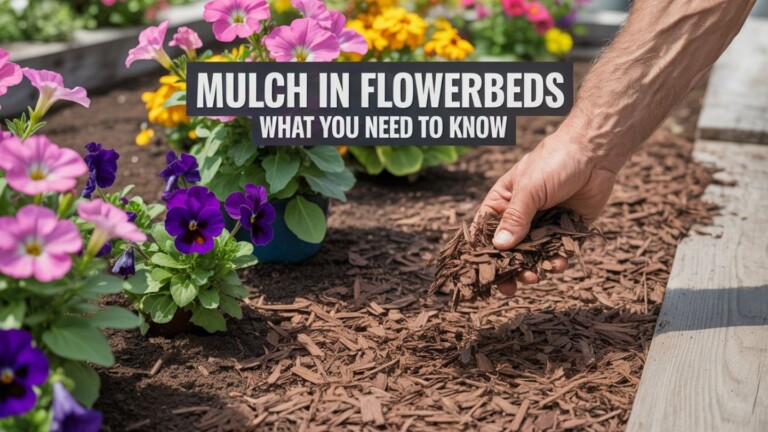
Even with the right mulch, incorrect application can lead to several issues. Apply mulch in layers of 2 to 4 inches for optimal moisture retention and nutrient access. About three inches of mulch is typically considered optimal for garden beds. Applying too thin a layer may fail to suppress weeds and retain moisture effectively, while excessively thick mulch can lead to moisture retention problems, promoting plant diseases and drowning.
Proper irrigation is another key aspect. Without it, excess water can lead to weeding and plant drowning. Ensure that your mulch application enhances plant health and moisture retention, creating a thriving garden environment. Improper watering can also contribute to these issues.
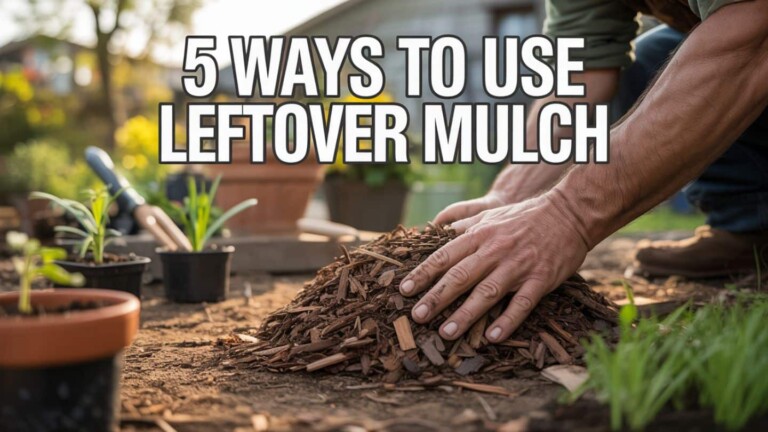
Remember, mulch is not a one-time solution. Periodically double-check your mulch levels and adjust them as needed. This simple step can make a significant difference in the health and appearance of your garden.
Overlooking Soil Preparation
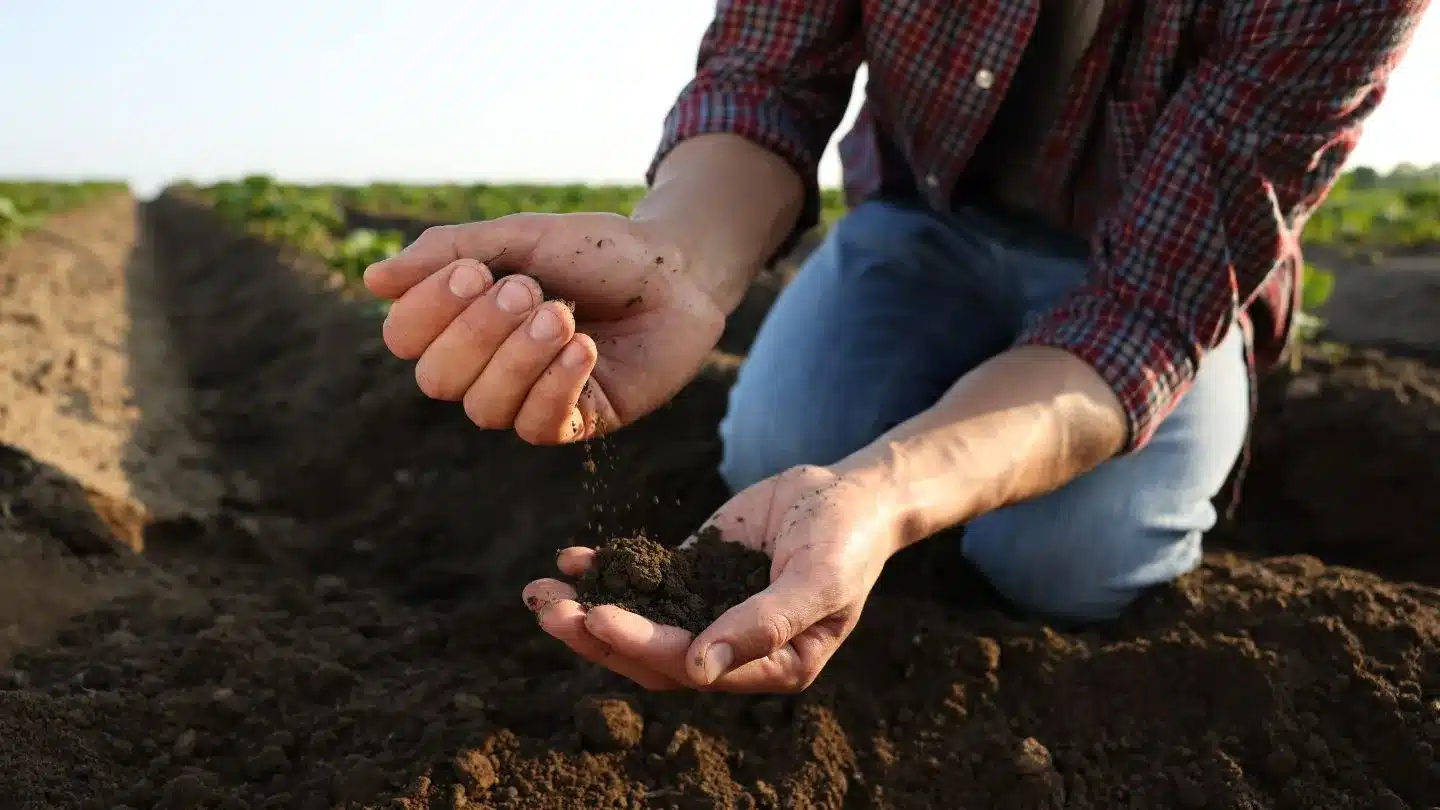
Proper soil preparation is crucial before planting. Skipping this step can lead to poor nutrient availability and rampant weed growth. Unfortunately, many gardeners make the landscaping mistake of ignoring soil conditions, leading to problems like construction soil presence and inadequate drainage.
The key to healthy soil lies in improving its structure and supplying natural nutrients. Sandy soils struggle to retain moisture, while clay soils can retain too much water, causing drainage issues. Turning over the soil to a depth of at least 8 to 10 inches and incorporating organic matter like compost or aged manure can solve these problems, making heavy soil conditions progressively better each year. Understanding how much topsoil you need for a healthy landscape project ensures that your garden beds have the proper foundation for healthy root development and balanced drainage.
Raised beds are a great idea as they facilitate proper drainage and allow better air circulation, crucial for healthy root development. Proper soil preparation is the foundation of a successful garden, ensuring your raised bed plants have the best start possible.
Ignoring Plant Spacing Requirements
Plant spacing is a critical aspect often overlooked in landscaping. Overcrowded plants compete for water and nutrients, leading to stunted growth. Narrow spacing reduces airflow, increasing the likelihood of fungal and bacterial diseases. Moreover, inadequate spacing can hinder photosynthesis as plants may shade one another.
Researching plant spacing and marking locations for seeds or bulbs is essential. Reading the information tag on plants can help determine their spacing needs, avoiding issues with overcrowded plants. If you notice overcrowding, thin out or transplant plants to ensure they have enough room to grow properly.
Proper spacing not only promotes plant health but also enhances the overall aesthetic of your garden. Give your plants the space they need to thrive and watch your garden flourish.
Failing to Plan for Irrigation
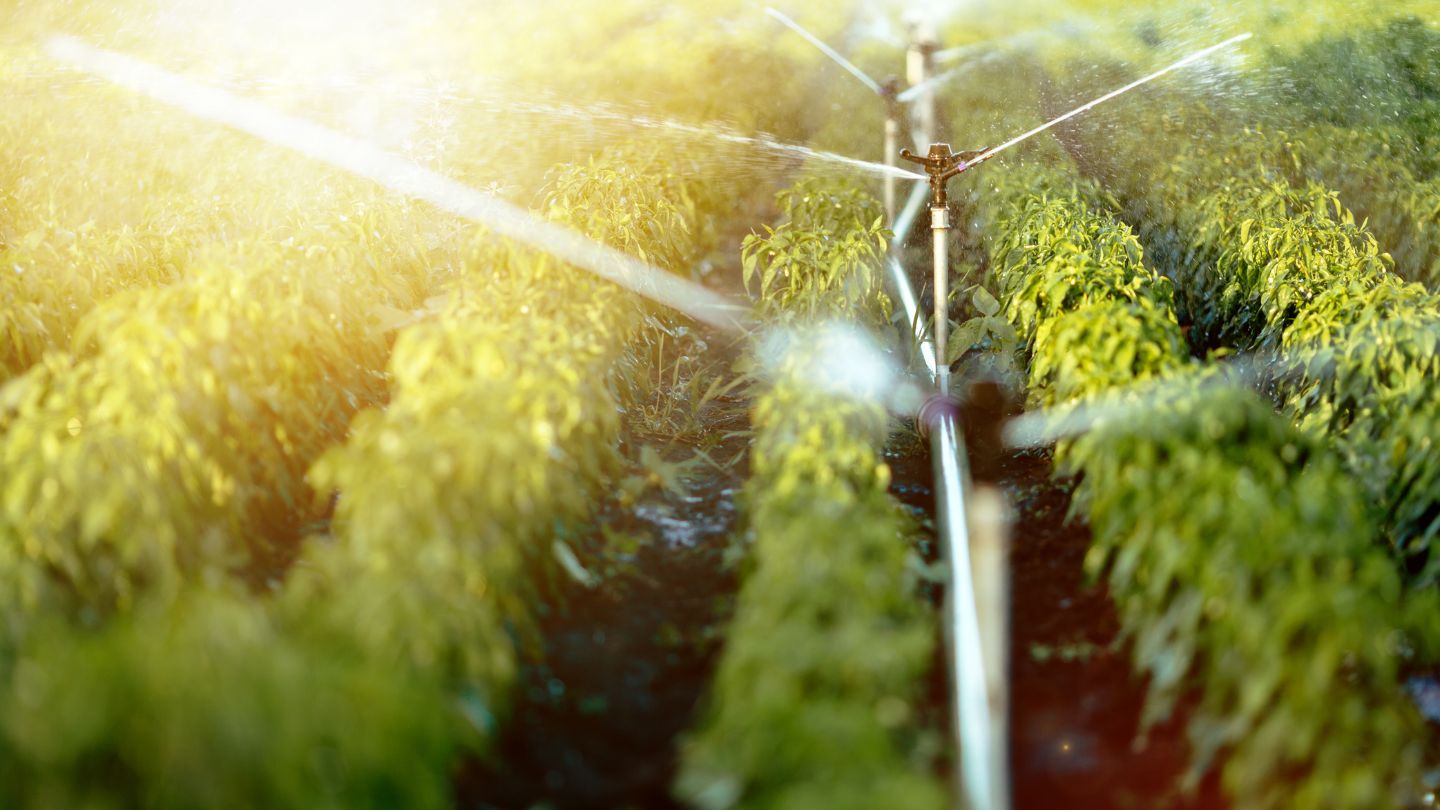
Irrigation planning is an integral part of any landscaping project. An efficient drip irrigation system saves water by delivering precise amounts to plants, minimizing waste. It also saves time by automating watering schedules, making maintenance easier and more consistent.
Consistent watering from an irrigation system retains soil nutrients and promotes healthy plant growth. Landscape professionals can devise efficient irrigation systems, preventing over-watering and enhancing plant health. Planning for irrigation ensures your plants receive consistent moisture, helping them thrive in the long run.
Don’t overlook this crucial aspect of landscaping. Plan ahead for irrigation with soaker hoses and enjoy a lush, healthy garden with minimal effort.
Using Inappropriate Edging Materials
Edging materials play a significant role in defining garden areas and preventing grass invasion. However, choosing cheap materials like plastic and untreated wood often leads to frequent replacements due to their quick deterioration. These materials can also attract pests, negatively affecting plant health.
Plastic edging is prone to cracking and fading, which can ruin the aesthetic appeal of your garden over time. On the other hand, steel landscape edging provides visual separation and acts as a barrier against invasive grasses. It comes in various colors and finishes, enhancing garden aesthetics.
For those who love creativity, using recycled materials can lead to informal and unique designs, though they may lack durability. Choose durable and aesthetically pleasing materials and consider other forms to ensure your garden stays beautiful and well-defined.
Neglecting Seasonal Maintenance
Seasonal maintenance is crucial for a thriving garden. Regular property inspections throughout the different seasons can help identify issues early. Spring maintenance involves fertilizing lawns and pruning damaged branches, while summer requires maintaining lawn height and monitoring for pests.
In the fall, overseeding and applying seasonal fertilizers prepare lawns for winter. Winter care includes watering evergreens during dry spells and protecting tender plants. It’s also important to monitor mulch levels and replenish or adjust them as needed due to compaction or decomposition. Recognizing how to choose the right color mulch can enhance your garden’s visual appeal while maintaining seasonal balance and harmony.
Paying attention to seasonal maintenance ensures your gardens remain healthy and visually appealing year-round, especially when incorporating perennial plants and low-maintenance plants in the same way. Make it a routine, and your garden will reward you with its beauty.
Improper Use of Fertilizers
Using fertilizers improperly can harm your garden more than help it. Soil tests are essential before applying fertilizers to determine nutrient deficiencies and excesses. Over-fertilization can lead to plants being unable to absorb water properly, causing dehydration and potential damage.
The environmental impact of over-fertilization includes nutrient runoff, contaminating waterways, and harming aquatic life. Recognizing signs of over-fertilization, such as yellowing leaves and slow growth, is crucial for plant health. Methods like fertigation can help maintain optimal nutrient levels around plant roots consistently.
Avoid common mistakes by applying fertilizer wisely to add nutrients, ensuring your garden soil remains healthy and your plants thrive. This is a common mistake many gardeners make.
Not Considering Mature Plant Size
Failing to consider the mature size of plants can lead to several issues, including the selection of the wrong plants. Researching the maximum growth dimensions of plants helps in planning adequate space for their maturation. Without this foresight, you may end up needing excessive pruning or facing complicated maintenance tasks. Overcrowded plants compete for sunlight and air, diminishing their health.
Sufficient spacing at planting time prevents these issues, ensuring surrounding plants have room to grow properly. Additionally, placing established plants a safe distance from home foundations minimizes maintenance challenges and pest issues.
Plan for the future size of your planted plants and different plants, and your landscape plan for the garden will be easier to maintain and more visually appealing, enhancing the plants’ overall health.
Skipping Professional Advice
Many homeowners overlook the many benefits of professional landscaping advice. Hiring a landscape architect can significantly boost your property’s value, sometimes by as much as 15%. They are trained to create comprehensive plans that address both aesthetic and functional aspects of a landscape, ensuring your garden looks great and serves its purpose.
Landscape architects provide ongoing support during project implementation, ensuring the landscape design is realized effectively. They also have expertise in selecting materials and plants suitable for low-maintenance landscaping. Consulting with professionals can also help you make informed decisions, such as deciding between hardwood mulch vs pine mulch, ensuring your landscape choices align with your garden’s unique conditions and design goals.
Don’t skip professional advice. It can make a world of difference in the success of your landscaping efforts.
Build a Landscape That’s Designed to Last
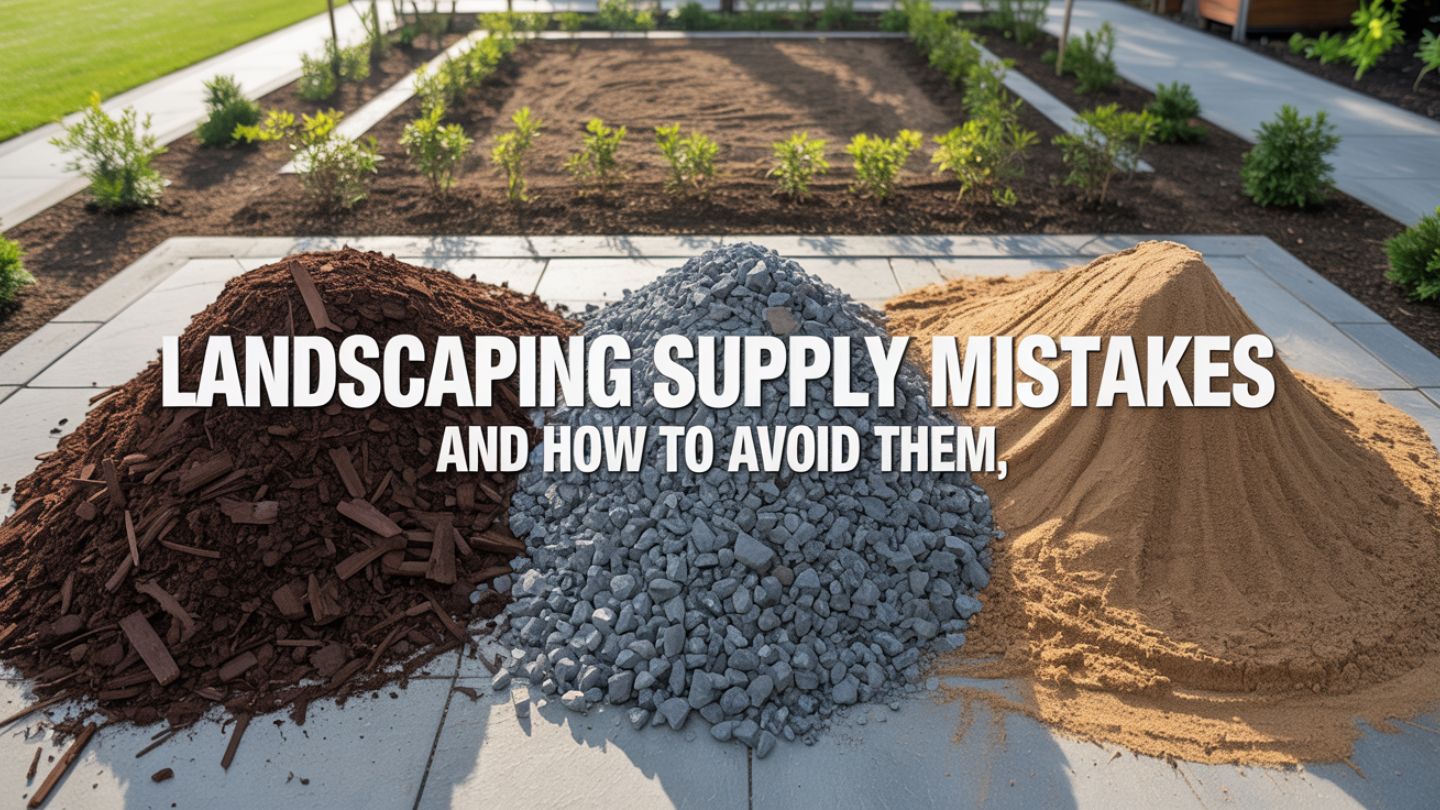
Avoiding common landscaping supply mistakes is key to achieving a beautiful and functional outdoor space. From selecting the right mulch and gravel to ensuring proper soil preparation and plant spacing, every detail contributes to a thriving landscape. Taking the time to plan, choose quality materials, and follow best practices ensures your yard not only looks great but also stands the test of time. A well-informed approach saves effort, reduces costs, and results in a landscape you can enjoy season after season.
At Mulch Pros, we provide landscape supply in Johns Creek, helping homeowners and landscapers create stunning outdoor environments with top-quality materials and expert guidance. From premium mulch and rich soil to durable gravel and sand, we provide everything you need for a landscape that lasts. We also supply fresh pine straw and seasoned firewood, ensuring your property looks great and stays well-maintained throughout the year. If you’re searching for dependable service, count on us to provide the products and knowledge that bring your vision to life, making your next project smooth, efficient, and successful.
Frequently Asked Questions
How can I choose the right mulch for my garden?
The best mulch depends on your landscape goals and plant types. Organic mulches like shredded bark or pine straw improve soil health as they decompose, while inorganic options like gravel are better for long-term weed control and drainage. Always consider local climate and soil conditions before choosing.
How often should I replace or refresh mulch and other landscaping materials?
Mulch should generally be refreshed once or twice a year; typically in spring and fall. Other materials like gravel or stone may only need occasional raking or topping off, depending on wear and weather conditions.
What’s the biggest mistake homeowners make when planning landscaping projects?
One of the most common mistakes is skipping soil preparation or using poor-quality materials. Without proper groundwork, even the best plants or supplies can struggle to thrive. Planning and quality sourcing are key to long-term success.
Why is plant spacing so important in landscaping?
Proper plant spacing allows for adequate airflow, sunlight, and nutrient distribution. Overcrowded plants compete for resources, which can cause stunted growth and increase the risk of disease. Always follow spacing guidelines for each plant type.
Where can I find high-quality landscape materials near me?
For homeowners seeking reliable landscape supply in Johns Creek, we provide a full range of premium products, including mulch, gravel, and soil enhancements. Our goal is to ensure your landscaping projects are both beautiful and built to last.