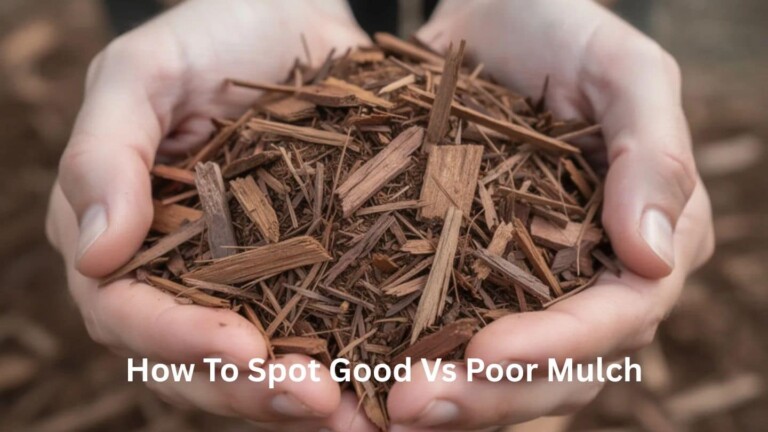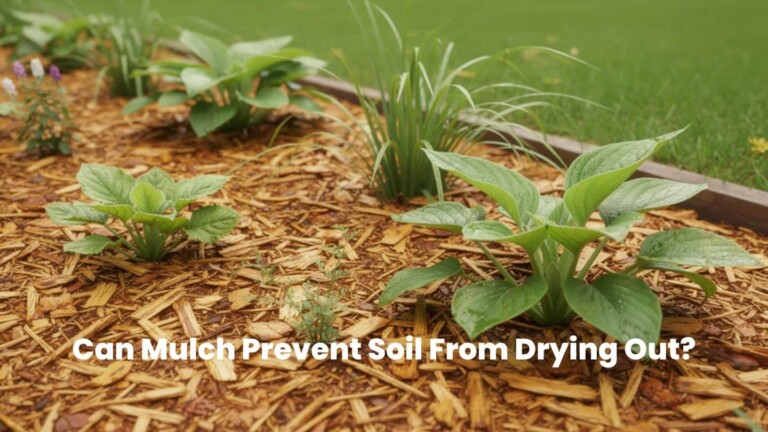
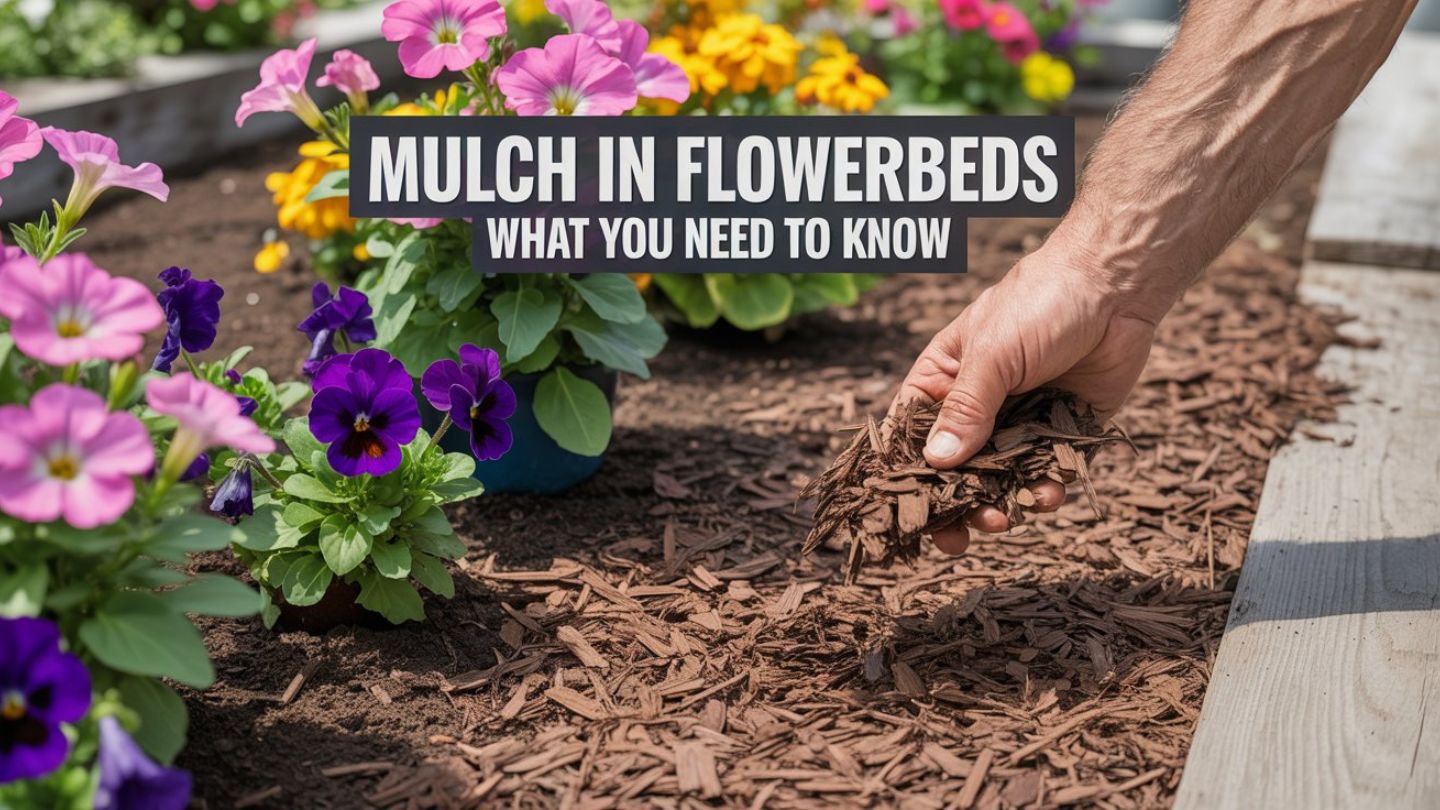

Mulching flowerbeds is one of the simplest ways to get healthier plants and a cleaner, more polished landscape with less work. The right mulch layer helps your flowers hold moisture, blocks weeds before they sprout, and protects roots from temperature swings through every season. But not all mulch is the same — and how you apply it matters just as much as what you choose. From picking the best material to getting the depth and timing right, a few smart steps can make your beds look professionally maintained year-round. This blog post breaks down everything you need to know to mulch your flowerbeds the right way the first time.
Key Takeaways
- Apply 2-4 inches of mulch around flowers to retain moisture, suppress weeds, and regulate soil temperature
- Keep mulch 3 inches away from plant stems to prevent rot and disease issues
- Organic mulches like wood chips and bark break down over time, enriching soil with nutrients
- Best application times are late spring (May-June) and early fall (September-October)
- Regular maintenance includes adding fresh mulch annually and removing weeds that breakthrough
What is Mulch and Why Flowerbeds Need It
Transform your flower beds from high-maintenance projects into thriving, low-effort showcases with the right mulching strategy. Mulch is simply a protective covering placed over the soil surface around your plants, but its impact on your garden’s health and appearance is anything but simple.
The primary benefits make mulching flowerbeds a smart investment for any gardener. Moisture retention is perhaps the most valuable advantage – properly applied mulch can reduce your watering needs by up to 50% by creating a barrier that slows evaporation from the garden soil below. This means less time dragging hoses around your yard and lower water bills during hot summer months.
Weed suppression ranks as the second major benefit. A proper mulch layer blocks sunlight from reaching dormant weed seeds in the soil beneath, preventing most annual weeds from germinating. When weeds do manage to sprout through the mulch, they’re much easier to pull from the loose, moist material than from compacted garden soil.
Soil temperature regulation protects plant roots from extreme weather conditions. During summer heat, mulched beds stay several degrees cooler at root level, reducing stress on your flowers. In winter, the insulating layer prevents rapid freeze-thaw cycles that can damage root systems and push bulbs out of the ground.
Beyond practical benefits, mulch creates a clean, finished appearance that makes flower colors pop. The uniform background provided by organic materials or decorative stone gives your landscaping that professional, polished look that increases curb appeal.
Finally, erosion control becomes crucial during heavy rain. Mulch prevents soil washaway by absorbing the impact of raindrops and slowing water movement across the soil surface, keeping your plants’ root zones stable and your nutrients from washing into storm drains.
Types of Mulch for Flowerbeds
Organic Mulch Options
Wood chips and bark remain the most popular choices for flower beds, typically lasting 2-3 years before fully decomposing into the soil. These natural materials come in various sizes and colors, allowing you to match your garden’s aesthetic while providing consistent moisture retention and weed suppression. Since bark breaks down at different rates depending on weather and bed conditions, it helps to know what lifespan to expect before planning your next refresh.
Shredded hardwood breaks down faster than bark, usually requiring replacement in 1-2 years, but this quicker decomposition means more frequent adding nutrients to your garden soil. This makes sense for annual flower beds where you’re regularly working the soil and want that extra organic matter boost.
Pine bark nuggets offer a more decorative option lasting 3-4 years, making them ideal for larger beds where you want longevity and visual appeal. The larger chunks resist washing away during heavy rain and maintain their shape longer than finer materials.
Leaf mold provides a budget-friendly choice that gardeners can create at home by composting fallen leaves. This material is rich in nutrients and closely mimics what happens naturally on the forest floor, making it excellent for woodland-style gardens and shade plants.
Straw works well for annual flower beds and vegetable gardens, offering good moisture retention at a lower cost. However, make sure to source straw rather than hay to avoid introducing unwanted grass clippings and weed seeds to your beds.
Pine straw and pine needles create an attractive, natural-looking mulch that’s particularly good for acid-loving plants. This material allows excellent water penetration while providing good insulation, though it may blow around more in windy areas. If you’re deciding between straw styles for seasonal beds, understanding how pine straw and wheat straw behave can make the choice a lot easier.
The key benefit of organic mulch is its ability to improve soil health over time. As these materials decompose, they add organic matter to the soil beneath, improving structure, drainage, and nutrient content while feeding beneficial soil organisms.
Inorganic Mulch Alternatives
Decorative stone and gravel provide permanent solutions that rarely need replacement, making them cost-effective for low-maintenance areas. These materials work particularly well around drought-tolerant plants and in formal garden designs where you want clean, consistent lines.
Rubber mulch, made from recycled tires, lasts for years without replacement and won’t blow away or wash out during storms. However, it doesn’t improve soil health and can heat up excessively in direct sunlight, potentially stressing plant roots during summer.
Landscape fabric serves as a weed barrier that’s often combined with a decorative top layer like stone or bark. This combination provides excellent weed control but makes it difficult to add new plants or modify bed layouts later.
Choose inorganic mulches when you’re dealing with areas that need minimal maintenance, such as around mature woody plants or in beds with drought-tolerant perennials that don’t benefit from the extra nutrients provided by decomposing organic materials.
The main drawbacks of inorganic mulches include no soil improvement over time and potential heat buildup that can stress plants during hot weather conditions. They also don’t provide the natural, forest-floor environment that many flowering plants prefer.
When to Apply Mulch to Flowerbeds
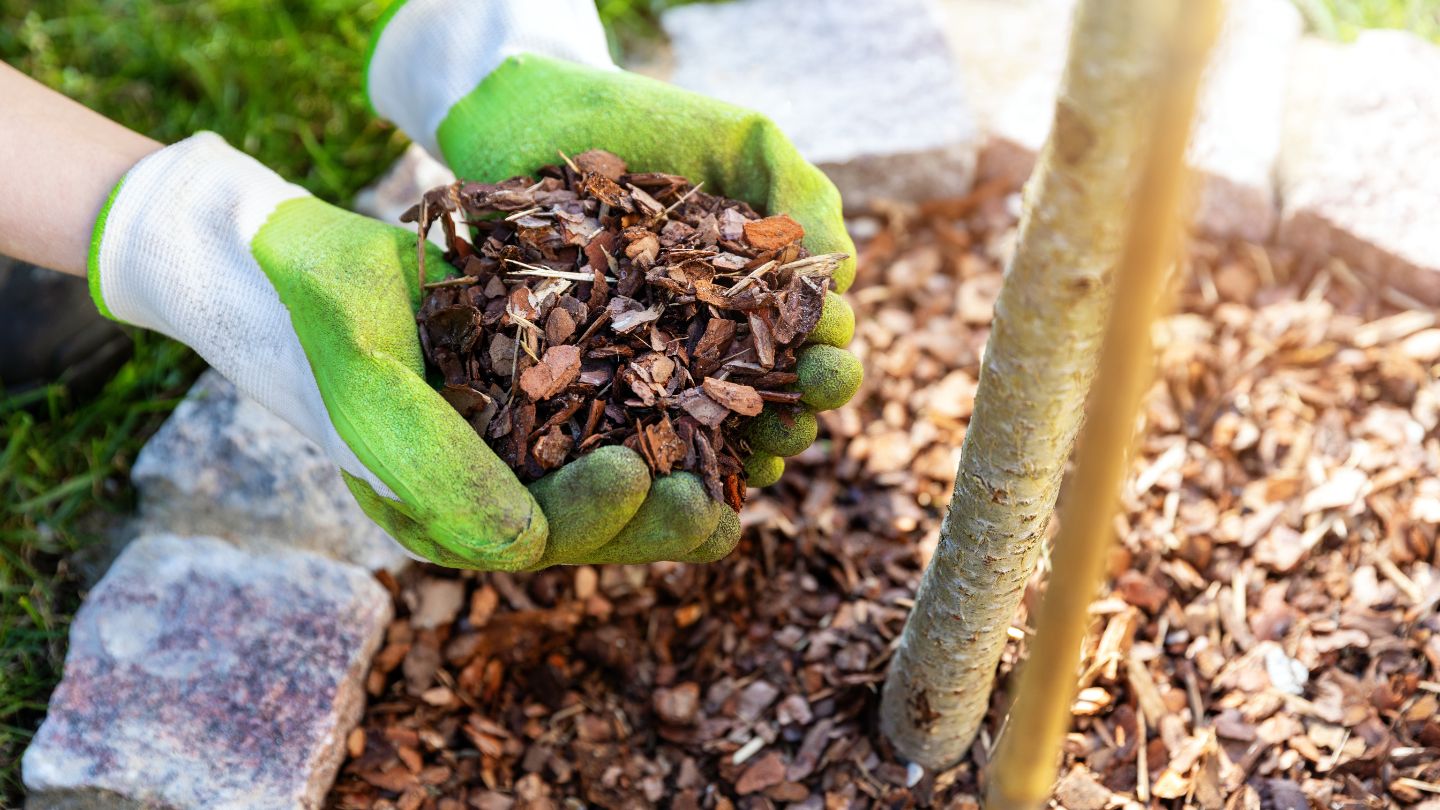
Spring application timing matters more than many gardeners realize. Wait until late May or early June, after your garden soil has warmed to around 60°F and the danger of late spring frost has passed. Applying mulch too early can trap cold in the soil and delay plant emergence, particularly for bulbs and perennials that need soil warmth to break dormancy.
Fall application, typically in September or October, provides different benefits focused on winter protection. Apply fresh mulch before the first hard frost to insulate plant roots and crowns through winter, preventing frost heave and providing extra protection for marginally hardy plants.
Summer refresh applications make sense during hot, dry periods in July when existing mulch has broken down or been scattered by weather. Add a thin layer to restore moisture retention during peak growing season, but avoid thick applications that might trap heat around plant roots.
For new plantings, apply mulch immediately after planting regardless of season. Fresh transplants need all the moisture retention and root protection they can get while establishing their root systems in their new location.
Avoid early spring mulching when soil needs to warm naturally for optimal plant growth. Similarly, don’t mulch frozen or waterlogged soil – wait for proper drainage and workable conditions to get the most benefits from your efforts.
Check soil moisture before applying any mulch. The ground should be moist but not waterlogged, as mulch applied over dry soil can actually prevent water from reaching plant roots effectively.
How to Mulch Your Flower Bed Properly
Preparation Steps
Start by removing existing weeds, debris, and old mulch from your flower bed if it’s heavily decomposed, diseased, or accumulated to more than 4 inches total depth. Most gardeners can simply add fresh mulch over existing layers that are still in good condition and properly distributed.
Edge your bed borders with a spade or install decorative edging to contain the mulch and create clean lines. This prevents mulch beds from spreading onto lawns and gives your landscaping a finished, professional appearance.
Apply pre-emergent herbicide if desired, following the manufacturer’s directions and watering it in thoroughly before adding your mulch layer. This extra step helps prevent weeds from establishing later in the season, though proper mulch depth usually provides sufficient weed suppression on its own.
Water dry garden soil lightly before spreading mulch to provide a good moisture base for your plants. Dry soil under mulch can repel water, creating drought stress even when you’re irrigating regularly.
Calculate your mulch needs accurately to avoid running short or over-ordering. One cubic yard covers approximately 100 square feet at 3 inches deep, or about 80 square feet at 4 inches deep. Measure your beds and use this formula to determine how much mulch to order.
Application Technique
Dump mulch in small piles throughout your flowerbed rather than in one large pile, which makes distribution easier and prevents you from walking on plants while spreading material. This approach also helps you achieve more even coverage across the entire bed.
Use a rake to spread mulch evenly, aiming for a consistent 2-4 inch thick layer throughout the bed. Hand-spread mulch around delicate plants to avoid damaging stems or foliage, taking extra care with newly emerged perennials and annual seedlings. Sticking to the right mulch thickness is what keeps beds protected without smothering roots or trapping too much moisture.
Maintain a 3-inch clearance around all plant stems and crowns – this is crucial for preventing moisture buildup that leads to rot and disease problems. Think of creating a small “donut” of unmulched soil around each plant base while covering the soil between plants thoroughly.
Extend your mulch layer to the drip line of larger plants to cover their entire root zone. Most flowering plants have root systems that spread at least as wide as their above-ground growth, so broader coverage provides better benefits.
Create a gentle slope away from plant crowns to prevent water from pooling around stems during heavy rain. Proper grading helps direct moisture into the root zone while keeping plant crowns relatively dry and healthy.
Common Mulching Mistakes to Avoid
Volcano mulching ranks as the most damaging mistake homeowners make when they spread mulch. Never pile material against plant stems, tree trunks, or shrub branches, as this creates constantly moist conditions that encourage rot, disease, and pest problems. Always maintain that 3-inch clearance zone around plant bases.
Over-mulching with layers thicker than 4 inches can suffocate plant roots by reducing oxygen exchange in the soil. Thick mulch layers also prevent light rainfall from penetrating to the root zone, forcing you to irrigate more heavily to reach the garden soil underneath.
Under-mulching with less than 2 inches provides insufficient benefits for the effort involved. Thin layers break down quickly, require frequent replacement, and don’t suppress weeds effectively or conserve moisture efficiently.
Wrong timing applications can harm plant growth rather than help it. Applying fresh mulch too early in spring prevents soil warming, while waiting too late in fall doesn’t provide adequate winter protection for plant roots.
Burying irrigation systems creates maintenance headaches and reduces watering efficiency. Keep drip lines and sprinkler heads accessible while arranging mulch around them for a clean appearance. Mark the location of buried irrigation components before adding new mulch.
Using fresh wood chips without allowing proper aging can temporarily tie up nitrogen in your soil as the material begins decomposing. Let wood mulch age for 2-3 weeks in a pile before applying, or compensate with additional nitrogen fertilizer if using fresh material.
Choose mulch materials carefully and avoid heavily dyed products or cypress mulch that may contain chemicals harmful to soil biology or come from environmentally sensitive sources. Stick with locally sourced, natural materials for the best long-term soil health.
Mulch Maintenance in Flowerbeds
Annual refresh schedules keep your flower beds looking their best while maintaining mulch effectiveness. Add 1-2 inches of fresh mulch each spring to restore proper depth as older material decomposes and settles. This timing also coincides with spring garden cleanup and plant division activities. As mulch breaks down over time, it steadily feeds the soil beneath, improving soil structure and nutrient quality in ways bare ground never can.
Weed removal becomes much easier with proper mulch, but you still need to pull breakthrough weeds immediately when they appear. The longer you wait, the more established these weeds become and the more likely they are to set seeds that create future problems.
Rake and fluff existing mulch monthly during the growing season to prevent compaction and maintain an attractive appearance. This light cultivation also helps water penetrate more easily and prevents the formation of water-repelling crusts on the mulch surface.
Monitor mulch depth throughout the season, particularly after heavy rain or windy weather that might shift material away from plant root zones. Redistribute mulch as needed to maintain consistent coverage and protection.
Seasonal cleanup includes removing diseased plant material, fallen leaves, and debris that accumulates on the mulch layer. This prevents disease problems and maintains the clean appearance that makes your flower colors stand out.
Complete replacement becomes necessary every 2-3 years for most organic mulches, depending on your climate and decomposition rates. Rather than removing all old material, simply add new mulch over existing layers that have broken down to less than 2 inches thick.
Keep records of when you apply fresh mulch and what materials you use. This helps you budget for future purchases and identify which products work best in your specific conditions and soil type.
Keep Flowerbeds Healthier With the Right Mulching Plan
Mulching flowerbeds is one of the simplest ways to boost plant health and keep your landscape looking polished with less effort. When you apply the right material at the right depth, you lock in moisture, cut down weeds, protect roots from temperature swings, and give your flowers a clean, finished backdrop. The key is consistency: stick to a 2–4 inch layer, keep mulch pulled back from stems, and refresh each year lightly so your beds stay vibrant without becoming smothered or messy.
When you’re ready to top off existing beds or start fresh, Mulch Pros makes seasonal projects easy with bulk landscape supplies and dependable local delivery. We help you get the right mulch delivery in Cumming for flowerbeds that need a clean refresh, and we can drop everything you need for a full yard upgrade in one order—including pine straw, soil, gravel and sand, and firewood. If you’re planning a bed reset or just want a quick top-dress, our delivery coverage in Cumming keeps your garden projects simple, fast, and done right.
Frequently Asked Questions
Can I put mulch directly against my flower stems?
No, maintain a 3-inch gap around all plant stems to prevent moisture buildup, rot, and pest attraction that can kill your flowers. This clearance allows air circulation around the plant crown and prevents the constantly damp conditions that encourage fungal diseases and insect problems.
How do I know if I’m using too much mulch in my flowerbed?
Signs include water pooling on the mulch surface instead of soaking through, mushroom growth indicating anaerobic conditions, plant stems becoming soft or discolored, and soil that stays constantly wet even during dry weather. Reduce mulch depth to 2-3 inches maximum and rake existing material to improve drainage.
Should I remove old mulch before adding new mulch to my flowerbeds?
Only remove old mulch if it’s diseased, accumulated to more than 4 inches total depth, or hasn’t decomposed after 3+ years of use. In most cases, you can add a fresh layer directly on top of existing mulch, allowing the older material to continue decomposing and enriching your soil.
What’s the difference between mulch and compost for flowerbeds?
Mulch goes on top of soil as a protective covering for moisture retention and weed control, while compost gets mixed into soil as an amendment to improve structure and add nutrients. Both materials can be used together – apply compost first, then top with mulch for maximum flowerbed health and performance.
Can I use grass clippings as mulch in my flowerbeds?
Yes, but only if your lawn wasn’t treated with herbicides that could damage your flowers, and the grass clippings are dried first to prevent heating and nitrogen lock-up. Fresh grass clippings can heat up as they decompose, potentially damaging plant roots, and may introduce weed seeds from your yard into your flower beds.