
Hauling dozens of heavy bags from big box stores across multiple trips wastes your entire weekend and leaves your back aching. Professional landscape supply delivery eliminates that frustration, bringing bulk materials directly to your property with precision placement and reliable service. Whether you’re a homeowner refreshing garden beds or a contractor managing larger projects, understanding the entire process from order to completion helps you make informed decisions and keeps your project timeline on track. This blog walks you through exactly what to expect when scheduling landscape material delivery, from initial consultation through delivery day and beyond.
Key Takeaways
- Professional delivery saves time, reduces physical strain, and ensures you receive high-quality materials in the right quantities
- Expect clear communication, including order confirmation, delivery window coordination, and real-time tracking updates
- Proper site preparation and adequate access are essential for smooth delivery execution
- Quality suppliers provide expert guidance on material selection, accurate estimates, and post-delivery support
- Bulk delivery is more cost-effective than multiple trips for projects requiring more than a few cubic yards
Pre-Delivery Communication and Planning
The delivery experience begins well before materials arrive at your property. Professional landscape supply companies invest significant effort in the planning phase to ensure customer satisfaction and project success. Working with the best landscaping suppliers can help simplify planning, material selection, and delivery coordination for local projects.
Initial Consultation and Material Estimation
A quality supplier starts with a consultation to determine exactly what materials your landscaping projects require. Most suppliers offer online calculators or in-person assistance to convert your project dimensions into accurate volume estimates, measured in cubic feet, cubic yards, or tons, depending on the material density.
For mulch in flower bed applications, you’ll typically need 2–3 inches of depth. Topsoil for a new lawn installation requires 4–6 inches, while bulk gravel for driveways often needs 4–6 inches of coverage. Professional suppliers add a 10–20% buffer to account for irregular shapes, settling, compaction, and spillage, ensuring you won’t run short mid-project.
To ensure a smooth delivery process, assess your project needs by measuring the area and determining how much material you’ll need before placing an order.
Read More: Mulch in Flowerbeds: What You Need to Know
Order Confirmation and Material Specifications
After estimation, you should receive a detailed order confirmation outlining the specifications for each material. This includes material type (shredded hardwood mulch, dyed varieties, pine straw, decorative stone), grade or color, screening quality, and any special characteristics. Different landscaping projects require different materials, such as mulch for moisture retention, topsoil for planting, gravel for pathways, and compost to enhance soil health.
Topsoil is the uppermost layer of soil, rich in organic matter and microorganisms essential for plant growth, and is often screened to remove debris for easier use. Compost is a nutrient-rich material made from decomposed organic matter, which enhances soil health by improving drainage and nutrient retention. Specialty soil mixes can be tailored for specific plants, such as acid-loving plants or heavy-feeding vegetables, to meet their unique growing requirements.
Scheduling Flexibility and Delivery Windows
Most suppliers offer delivery windows rather than precise appointment times, typically 2-hour blocks during the morning or afternoon. The typical timeline for landscape supply delivery is 3 to 5 days, with variations during peak seasons. Delivery options for bulk materials often include same-day or next-day services and may require scheduling in advance during busy spring and fall periods.
Expect multiple notifications: confirmation when you schedule your delivery, a reminder the day before, and real-time updates on delivery day when your driver departs. Scheduling your delivery for a day that aligns with your project timeline and considering weather forecasts can help avoid delays and ensure you are available to receive the materials.
Material Selection Guidance
Professional advice on choosing the right materials for specific needs separates quality suppliers from basic retailers. In North Georgia’s humid subtropical climate with its characteristic red clay soils, material selection matters significantly.
Expert guidance helps you choose mulch that resists mold and wash-off (cedar or pine bark works well), stone that won’t shift with freeze-thaw cycles, and soil blends high in organic material balanced for proper pH. When selecting materials, consider your garden’s specific needs, such as soil pH and nutrient levels, to ensure optimal growth conditions for your plants. Choosing the right soil is crucial for plant health, as it provides nutrients, supports strong roots, and manages water effectively.
Professional suppliers provide materials in quantities far exceeding typical retail options, often specializing in high-quality, locally sourced materials. Bulk aggregates include sand, gravel, decorative stones, and various types of soil and amendments, giving you access to premium materials unavailable at typical garden center locations. Following an essential guide to landscaping supplies can help you match mulch, soil, gravel, and other materials to your project’s needs before scheduling delivery.
Delivery Day Process and Timeline
Understanding the delivery day sequence helps you prepare properly and ensures materials arrive exactly where you need them.
Typical Timeline from Departure to Completion
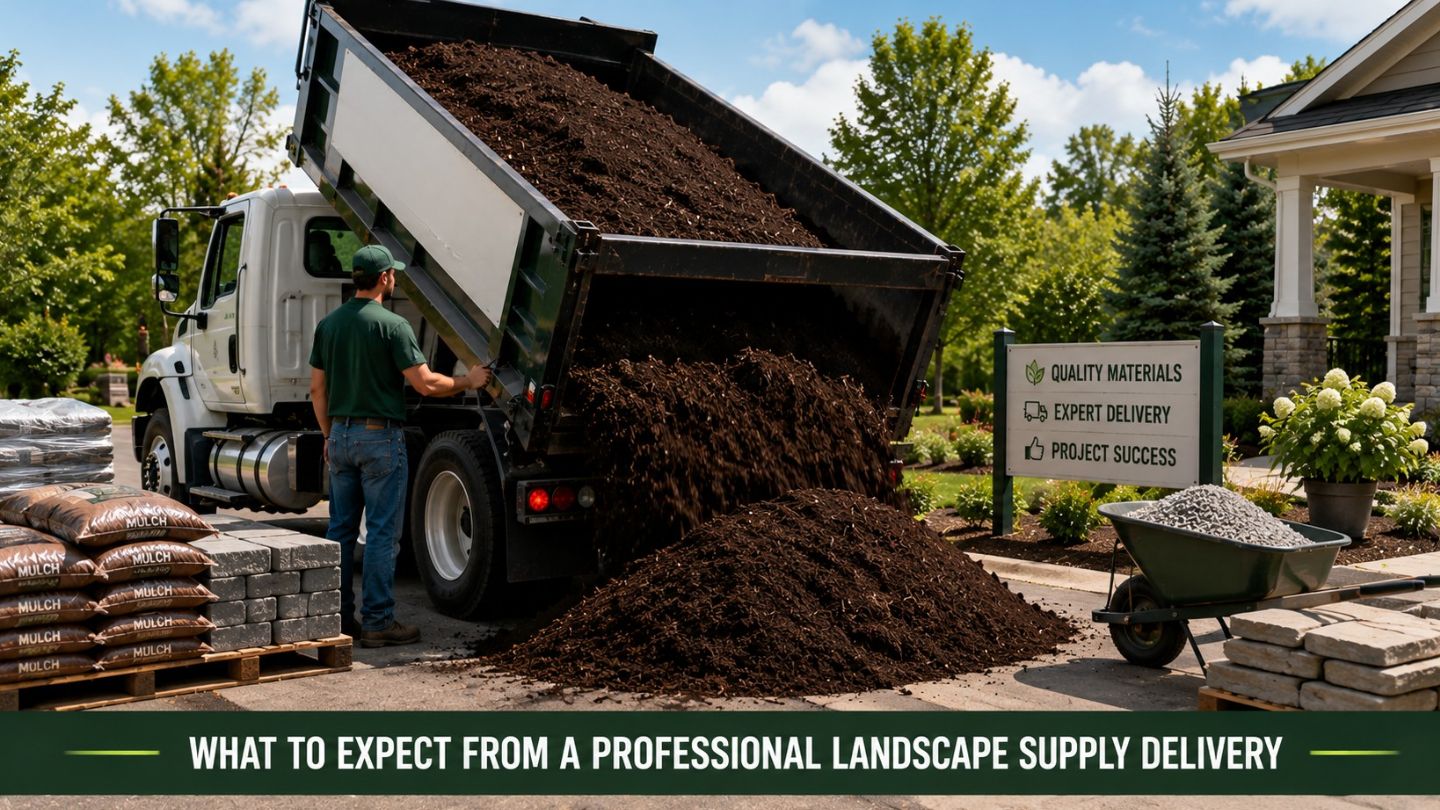
Delivery day begins when your driver loads materials at the depot. Bulk delivery and dumping of materials typically occur using heavy-duty dump trucks or trailers. Many delivery services can provide unloading logistics, including the ability to dump materials in a designated area.
Professional landscape supply delivery typically includes bulk and packaged products, along with specialized logistical services like precise unloading and site-specific scheduling. Bulk delivery of landscaping materials simplifies logistics, saving time and reducing the physical strain associated with transporting heavy materials yourself.
Tracking and Notifications
Modern suppliers use GPS-enabled delivery trucks, allowing you to view approximate locations in real time. Expect notification systems via SMS providing estimated windows and actual en-route alerts. Quality suppliers send confirmation with photos after delivery, documenting exactly what was placed and where.
Site Inspection and Safety Assessment
Upon arrival, your driver inspects overhead clearance for tree branches and power lines. Delivery trucks typically require at least 21 feet of vertical clearance. Ground conditions matter too: the delivery spot must be firm, level, and able to support truck and load weight.
Trucks delivering materials often require adequate space to operate, typically needing a minimum width for access. Professional delivery services often require a clear drop-off point for materials when ordering. Drivers may refuse to dump in unsafe spots, and some suppliers require signed waivers for off-driveway placement on soft or uneven ground.
Professional Unloading and Placement
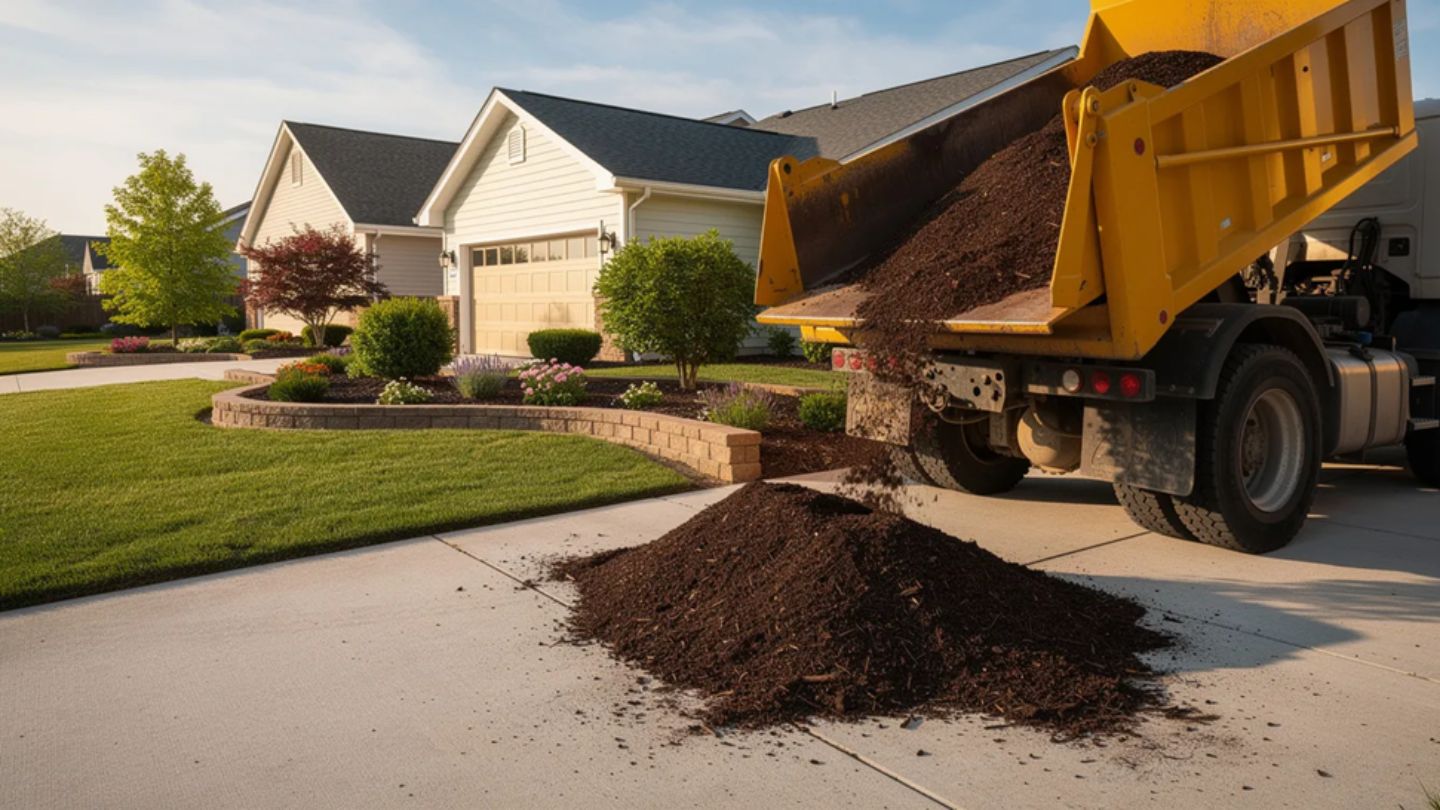
Dump trucks unload by tilting their bed, creating a spread or pile approximately 12 feet wide. Palletized materials, such as decorative stone, require flatbed trucks with forklifts for precise placement. Your driver compares delivered amounts to the order, often photographing the completed delivery for documentation.
Common Delivery Day Mistakes to Avoid
- Not preparing adequate access: Delivery trucks need sufficient driveway width and turning radius, typically space for a 24-foot vehicle to maneuver safely.
- Failing to clear delivery areas: Remove vehicles, lawn equipment, and other obstacles from the delivery path and dump location. Check for overhead obstructions, such as low branches or utility lines.
- Poor communication about placement: Mark your desired delivery spot clearly with stakes, cones, or spray paint. Be specific about exactly where you want large quantities of heavy materials placed.
- Scheduling when unavailable: While some suppliers deliver without requiring presence, being available allows you to direct placement and verify quantities immediately. Avoid unnecessary delays by confirming you can receive materials during the scheduled window.
Preparing your site before delivery day by clearing the area of debris and marking specific drop-off locations can streamline the delivery process and prevent delays. Avoiding common landscaping supply mistakes can help prevent delays, incorrect quantities, poor placement, and unnecessary project setbacks.
Quality Standards and Material Handling
What separates professional landscape material delivery from basic hauling is quality control, specialized equipment, and careful handling practices.
Professional Equipment for Precise Placement
Different materials require different handling. Bulk loose materials such as mulch, soil, sand, and gravel are delivered by dump trucks. Palletized items, pavers, flagstone, and larger rocks require flatbed trucks with forklift attachments. Quality suppliers match equipment to your specific order, ensuring materials arrive intact and properly placed.
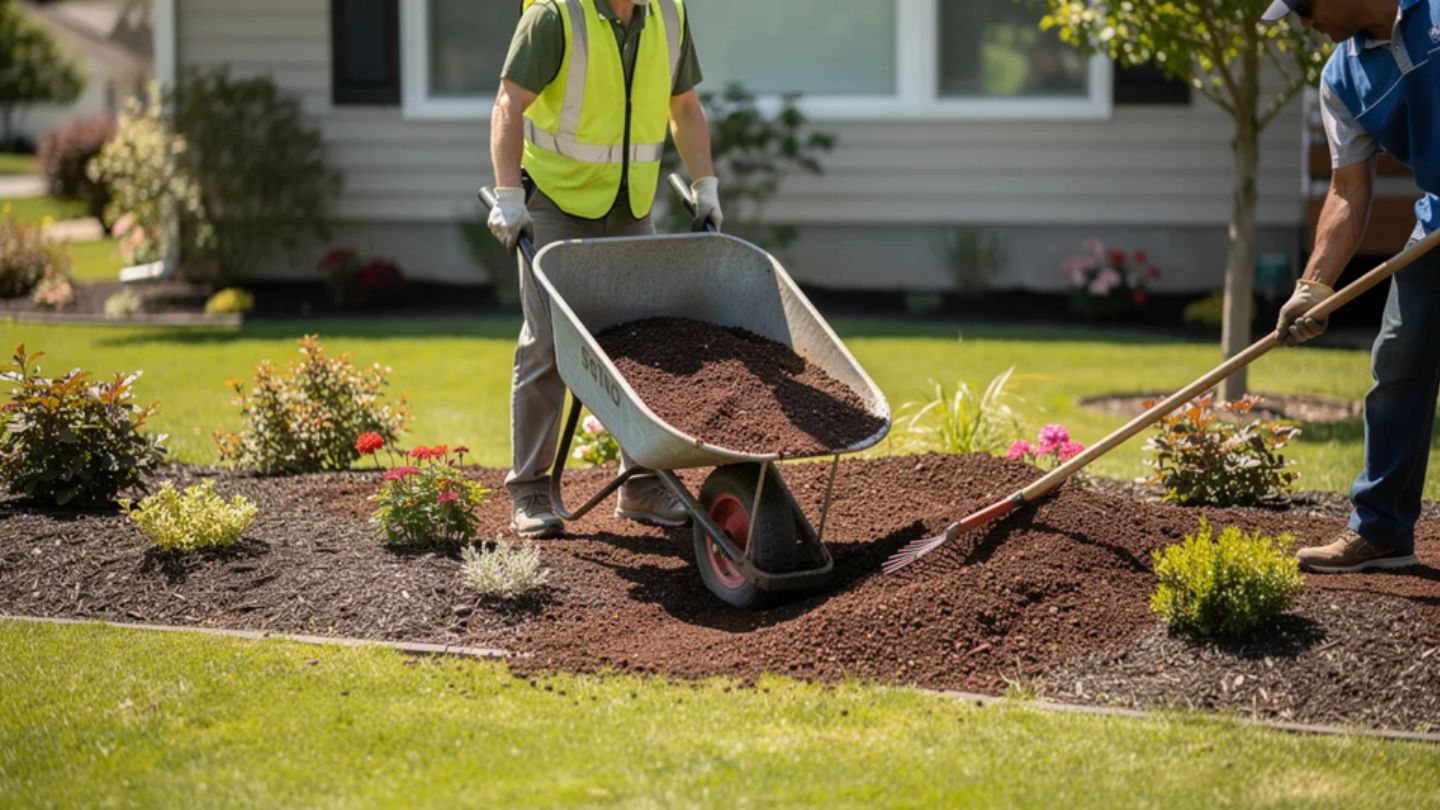
A sturdy wheelbarrow becomes essential once materials arrive, but the heavy lifting of transport falls to specialized equipment rather than your back. Reliable delivery makes the difference between starting your project energized versus exhausted.
Quality Control Measures
Professional suppliers ensure mulch arrives fresh, not stale or moldy, and free from weeds, pathogens, and large debris. Topsoil should be screened for consistent texture, appropriate pH, and nutrient levels. Decorative stone arrives graded and sorted to ensure consistent size and color, meeting your specifications. Understanding the best benefits of buying mulch from local suppliers can help homeowners and contractors prioritize fresher materials, reliable quality, and more convenient delivery.
Weight matters significantly for different materials. Mulch weighs approximately 400–600 pounds per cubic yard, while topsoil runs 1,800–2,500 pounds depending on moisture content. Bulk gravel and decorative stone often reach 2,500–3,000 pounds per cubic yard. Professional suppliers calculate these weights during planning because truck loading limits, driveway capacity, and safe handling all depend on accurate weight assessment.
Specialized Handling by Material Type
Each material type demands specific handling:
- Mulch: Delivered loose via dump truck, forms manageable piles for spreading
- Pine straw: Arrives in bales or bundled for easy distribution across flower bed areas
- Topsoil: Screened for debris, delivered in controlled dumps to prevent compaction
- Sand and gravel: Heavy materials requiring weight-rated delivery trucks and firm ground
- Firewood: Often palletized, properly seasoned, pest-free, and safe species verified
Property Protection During Delivery
Quality suppliers protect your existing landscaping during the entire process. This includes avoiding overloading on lawns or soft areas, using plywood to distribute weight when necessary, keeping equipment on hard surfaces, and taking care around planted beds and irrigation systems.
Liability policies vary; most suppliers limit responsibility beyond the curb line and require waivers for off-driveway dumping. Clear communication about ground conditions and access prevents property damage and ensures your outdoor space remains intact.
Post-Delivery Inspection
Once materials are placed, verify that the quantities match your order: the number of cubic yards, pallets, or bales received. Document any concerns immediately; photos help resolve disputes quickly. Reliable service includes driver confirmation of placement and customer sign-off before departure.
Ordering in bulk for larger projects can save money, ensuring you have enough material to complete the job without needing multiple trips. Ordering materials in bulk is often more cost-effective than purchasing smaller quantities, as it reduces the unit price and minimizes delivery fees.
Final Thoughts
Professional landscape supply delivery transforms how you approach landscaping projects, eliminating the time wasted on multiple trips, the physical strain of hauling heavy materials, and the frustration of inconsistent quality from retail sources. From accurate material estimation and scheduling coordination to safe unloading and dependable delivery, working with a professional supplier helps keep landscaping projects organized, efficient, and on schedule while ensuring you receive the right materials for the job.
At Mulch Pros, we provide dependable delivery services and premium landscaping materials for homeowners and contractors throughout North Georgia. Whether you need nutrient-rich soil, durable gravel and sand, premium mulch, quality firewood, or reliable landscape supply in Milton, our team is committed to delivering high-quality products with convenient, professional service tailored to your project needs. Contact us today to simplify your next landscaping project with reliable delivery and expert support.
Frequently Asked Questions
How far in advance should I schedule my landscape material delivery?
For most projects, scheduling 3–5 days ahead works well during normal periods. During peak spring and fall seasons, consider booking 1–2 weeks in advance. Same-day or next-day delivery may be available for urgent needs, but advance scheduling ensures you get your preferred time window.
What access requirements do delivery trucks need for my property?
Delivery trucks typically need at least 10 feet of width for access and approximately 21 feet of overhead clearance. The delivery spot should be on firm, level ground capable of supporting the truck and load weight. Minimum order requirements may vary, with some suppliers mandating a minimum volume for delivery.
How do I calculate the right amount of mulch or topsoil for my project?
Measure your area in square feet, determine the desired depth in inches, then use an online calculator or consult your supplier. For garden beds, plan for 2–3 inches of mulch depth. Topsoil for new lawns needs to be 4–6 inches deep. Always add a 10–20% buffer for waste and settling to avoid running short.