
Nearly half of all residential landscaping projects show visible signs of decline within two to three years-not because of neglect, but because of poor material choices made before the first plant ever went into the ground. Quality landscape supplies make a difference in long-term landscape health by building a foundation that supports strong root development, regulates soil moisture, and prevents soil erosion for decades rather than seasons. The difference between a landscape that thrives and one that requires constant intervention almost always traces back to the soil, mulch, and drainage materials used at installation.
This blog breaks down how premium landscaping materials-from tested topsoil blends and organic mulch to proper drainage stone-directly influence plant health, structural stability, and long-term maintenance costs. Whether you’re a homeowner tackling garden beds or a contractor managing large outdoor projects across North Georgia, understanding these connections will save you time, money, and frustration.
Key Takeaways
- Premium topsoil and soil amendments create stronger root systems that resist disease, drought stress, and the unique challenges of Georgia’s red clay.
- Quality organic mulches regulate soil temperature and soil moisture retention while enriching soil fertility as they decompose, reducing irrigation needs by up to 50%.
- Proper drainage materials prevent waterlogged soil, structural damage to retaining walls, and long-term erosion on slopes.
- Professional-grade supplies reduce maintenance costs and extend landscape lifespan, often by two to three times compared to budget alternatives.
- Native-friendly and eco-friendly materials support local wildlife and ecosystems while requiring less water and fertilizer over the long term.
Premium Soil and Amendments Build Strong Foundations
Soil quality affects plant growth and landscape durability more than any other single factor. In North Georgia, property owners face a specific challenge: the region’s dominant Ultisol soils-known locally as Georgia red clay-are heavily weathered, low in organic matter (often less than 1%), and form dense claypans that block root penetration and water infiltration. Without intervention, plant roots stay shallow, making them vulnerable to summer drought and winter stress.
High-quality soil promotes strong root development because it has been screened, tested for pH and nutrient levels, and blended with organic matter to improve soil structure, making quality landscaping supplies an important part of long-term landscape success. Premium soil supports strong root development and plant growth by moderating clay density, increasing aeration, and enabling deeper root systems. For example, University of Georgia extension research recommends blending pine bark humus or composted leaf mold into clay soils for planting beds-a practice that directly increases infiltration and nutrient availability.
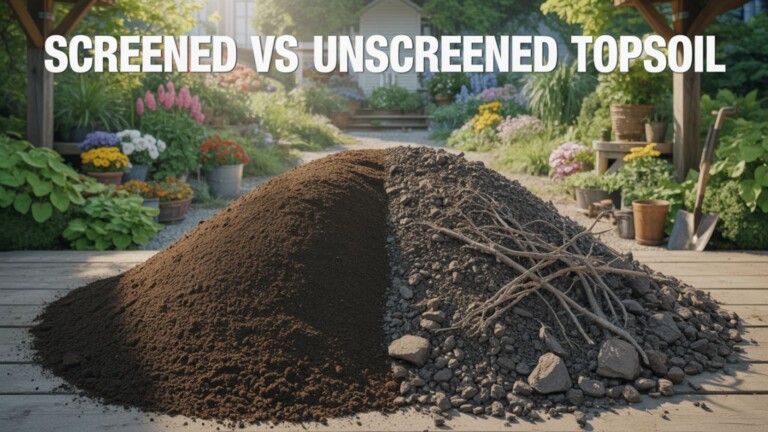
Compare that to generic fill dirt or unscreened topsoil from a big box store. These products often contain inconsistent particle sizes, unknown pH levels, and little to no organic content. Landscapes established with these materials frequently show failure within two to three years: stunted growth, disease, and dieback, as shallow root systems cannot access moisture below compacted clay layers. A UGA claypan study in Vidalia demonstrated this clearly: onion roots in shallow claypans (6 to 12 inches deep) had significantly reduced water availability and bulb size compared to deeper or absent claypan conditions.
Soil amendments improve moisture retention and nutrient availability when chosen correctly. Quality amendments for North Georgia include composted organics, yard waste compost, pine bark fines, and, in some cases, gypsum to break up compacted subsoil with high aluminum or sodium content. Nutrient-dense soil is foundational for strong root development-and building that foundation starts with understanding what’s already in the ground.
Professional Soil Testing Benefits

Regular soil monitoring maintains optimal conditions for plants, but the real value of professional soil testing comes before the first shovel hits the dirt. A proper test analyzes pH, macronutrients (nitrogen, phosphorus, potassium), secondary nutrients, organic matter percentage, and soil texture-including the ratio of clay, silt, and sand.
For North Georgia conditions, pH often skews acidic, requiring lime or other correctives depending on your plant mix. Subsoil testing below 15 inches is equally important to detect claypans or hardpans that could sabotage even the best surface preparation. When you know what you’re working with, you can build custom soil blends with specific amendment percentages-for instance, 25 to 50% organic amendments in topsoil for planting beds-and understanding how much topsoil I need helps match UGA extension recommendations while preventing costly replanting projects down the road.
Custom blends tailored to soil diagnostics also reduce long-term fertilizer dependence. UGA research on regenerative practices estimates that consistent organic amendment of Georgia’s degraded soils could have economic impacts in the tens of millions per year across the state’s agricultural systems by reducing fertilizer usage and improving yields. The same principle applies at the residential and commercial scale: investing in quality materials upfront means spending less on inputs every year after.
Quality Organic Mulches Sustain Plant Vitality
Organic mulch is a critical component of any sustainable landscaping plan, and quality mulch is one of the most cost-effective investments a property owner can make. High-quality mulch retains soil moisture and regulates temperature, protecting plants from the environmental stress of North Georgia’s hot summers and unpredictable rainfall.
The science is clear: mulch retains soil moisture, reducing evaporation by up to 50%. An Ohio State University study found that mulch application rates between 2 and 8 metric tons per hectare increased soil porosity by 35–46% and moisture retention by 29–70% compared to bare soil. That translates directly to reduced irrigation needs and healthier plant roots that can access water even during dry stretches. Using quality mulch can significantly reduce irrigation needs-a major benefit for property owners looking to conserve water.
Mulch regulates soil temperature, protecting roots from extreme conditions. During Georgia summers, exposed soil surfaces can reach temperatures that damage root systems and suppress the microbial activity essential for nutrient uptake. A mature layer of organic mulch buffers these temperature swings, keeping soil cooler and more stable. Organic mulch improves soil health by adding nutrients as it decomposes, feeding the soil microbiome and building soil fertility over time. Quality landscape supplies enhance soil microbial activity, creating a self-sustaining cycle that reduces dependence on organic fertilizers.
Properly applied mulch suppresses weed growth, reducing competition for plants and reducing the labor and chemical inputs needed to manage weed seeds from reaching weed seeds in your garden beds. Mulch prevents soil erosion, maintaining soil structure and health, which is especially valuable on slopes and in areas exposed to North Georgia’s heavy rainfall events.
When comparing mulch types, consider these regional specifics:
- Pine straw is the most common mulch in Georgia. It lasts approximately 12–18 months, costs about $3–$5 per bale (covering roughly 50 square feet), and provides mild soil acidification beneficial for native plants and acid-loving shrubs.
- Wood chips and bark mulches tend to last longer, hold moisture well, and offer stronger weed suppression when applied correctly, especially when selecting mulch types for shaded yards. Mini bark nuggets retain moisture better and stay in place longer than large chunks.
- Composted leaf litter breaks down faster but delivers rapid soil enrichment.
UGA extension recommends 3–4 inches of mulch for most applications, with pine straw potentially needing 5 inches and wood chips performing well at 2–3 inches. Investing in quality materials fosters a healthier, self-sustaining ecosystem in your outdoor spaces.
Common Mistakes to Avoid
Even superior materials can cause problems when applied incorrectly. Here are the most common mistakes professional landscapers and homeowners make with mulch:
- Volcanic mulching around trees: Piling mulch against tree trunks causes girdling, bark rot, and pest harborage. Always maintain 3–6 inches of clearance between mulch and the trunk. Follow best practices for mulching around trees to protect your investment.
- Using fresh, non-aged wood chips: Fresh wood chips have a high carbon-to-nitrogen ratio that temporarily draws nitrogen from the soil as microbes break down the material-a process called nitrogen tie-up. This starves nearby plants of a nutrient they need for growth.
- Dyed or chemically treated mulches: These can introduce undesirable chemicals into your soil, undermining the very soil health you’re trying to build. Eco-friendly options like natural bark or pine straw are always the safer choice.
- Over-mulching: Layers thicker than 4–5 inches for wood chips (or overly dense straw layers) can suffocate roots, trap excess moisture, and encourage fungal diseases. More is not better-depth matters.
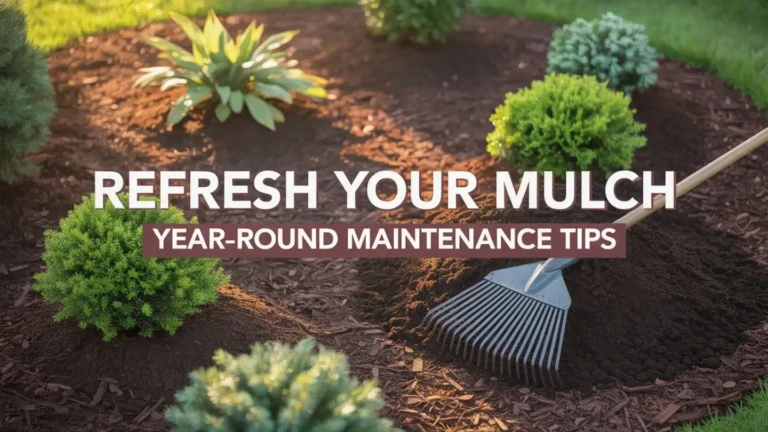
- Ignoring refresh intervals: Even high-quality mulch breaks down. Pine straw should be refreshed every 12–18 months; fine wood chips may need attention every 6–12 months in Georgia’s humid climate. Re-mulching properly prevents gaps that invite weeds and expose soil.
Drainage Materials Prevent Long-Term Problems
Proper drainage is the invisible backbone of a healthy landscape. Without it, even the best soil and mulch cannot compensate for waterlogged conditions that kill plant roots, encourage fungal diseases, and undermine hardscape materials over time. Quality landscape supplies contribute to effective erosion control and drainage-a fact that becomes painfully obvious only when drainage fails.
In North Georgia’s clay soils, heavy rainfall events quickly saturate the ground. Claypans near the surface trap water, creating standing pools that damage everything from lawn grass to retaining walls. Slopes amplify the problem: runoff concentrates, strips topsoil, and deposits sediment where you don’t want it. Using durable hardscaping materials ensures structural integrity against erosion, but the materials must be chosen with care.
Gravel and crushed stone are the workhorses of landscape drainage, and deciding whether to use landscape fabric under gravel depends on the specific application. Angular, properly graded crushed stone allows rapid water infiltration without migration or compaction-critical for French drains, retaining wall backfill, and foundation perimeters. The right gravel size depends on the application: finer grades for bedding layers, coarser grades for drainage channels.
Decorative stone serves double duty, providing both aesthetic appeal and functional erosion control, while understanding how gravel improves curb appeal helps create more attractive outdoor spaces. River rock and crushed granite slow runoff, protect soil surfaces, and add visual appeal to outdoor living spaces. Natural stone and high-quality concrete withstand weathering and foot traffic, making them ideal for paths, borders, and slope stabilization. Pavers and retaining wall blocks prevent structural failure in landscapes when properly installed with adequate base materials and drainage behind the wall.
Proper aggregates provide a stable foundation for hardscape features. Durable hardscape materials prevent cracking and shifting over time-and that durability starts with the base layer. Higher-quality hardscape materials tend to resist cracking and weathering, which means fewer repairs and fewer frequent replacements over a landscape’s 20- to 30-year lifespan.
Invest in a Healthier Landscape for Years to Come
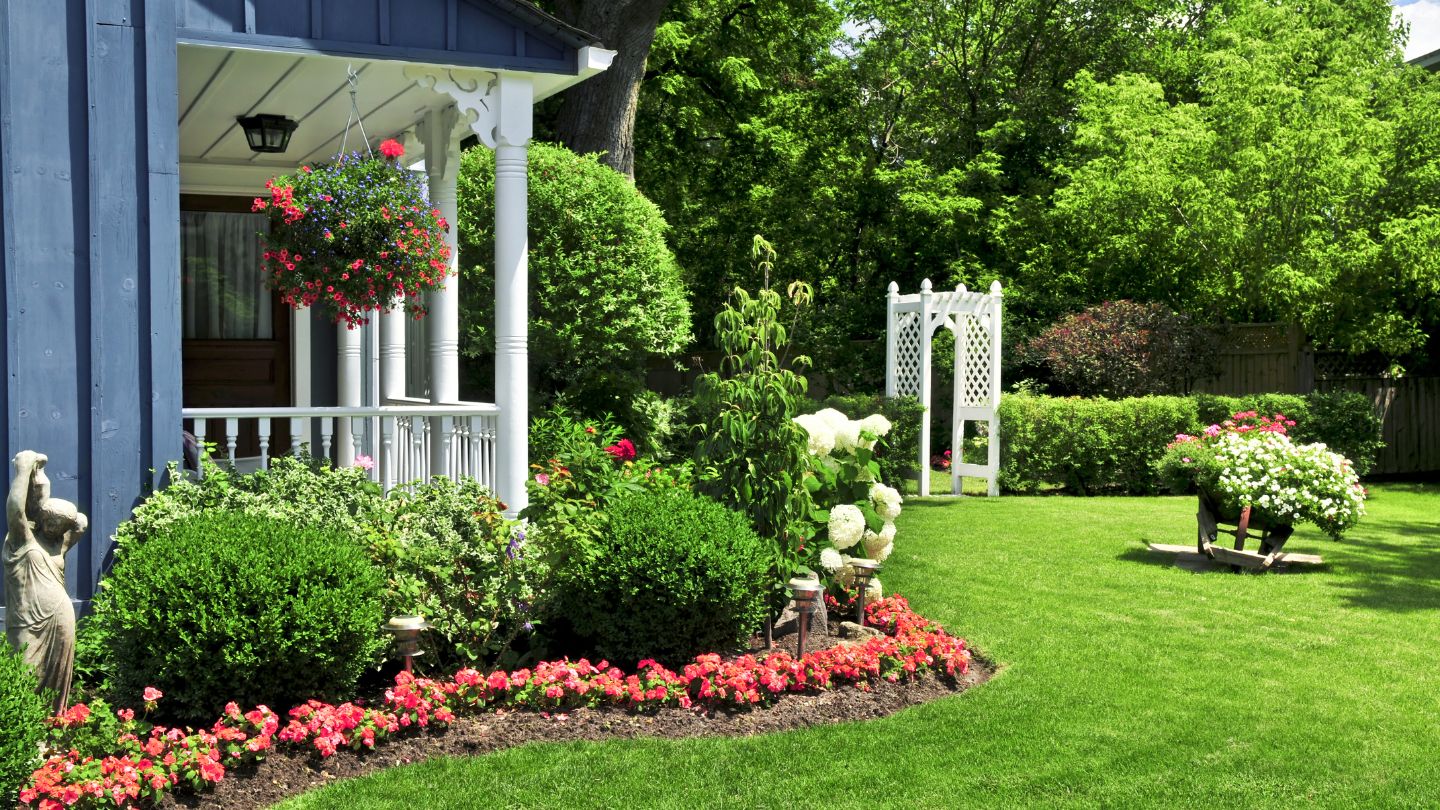
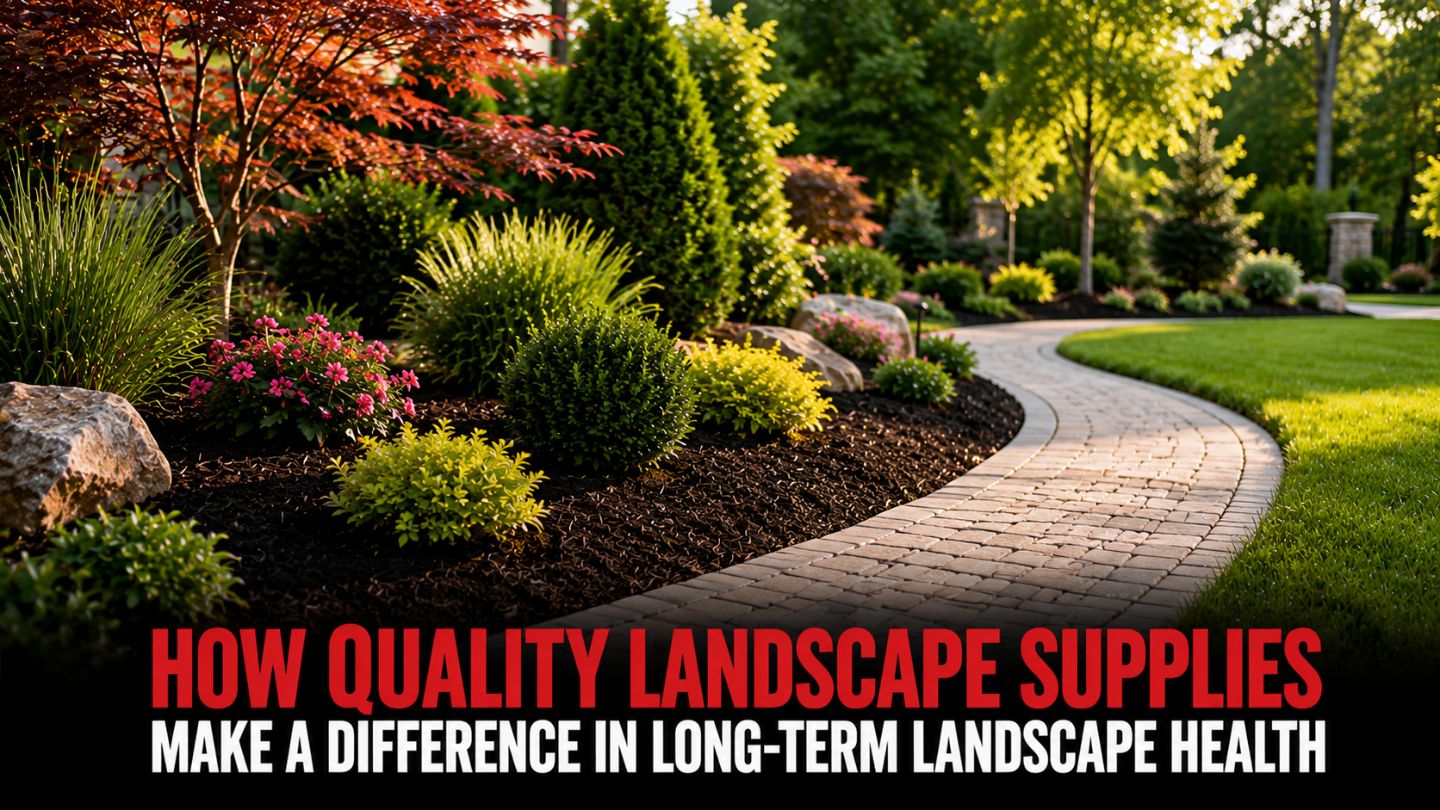
Quality landscape supplies provide the foundation for healthier soil, stronger plants, better drainage, and lasting curb appeal. Choosing dependable materials from the start helps reduce maintenance, supports long-term landscape performance, and creates outdoor spaces that remain attractive and functional through changing seasons and growing conditions.
Mulch Pros Landscape Supply is committed to providing quality products, reliable delivery, and exceptional customer service, including dependable landscape supply in Johns Creek. Whether you need mulch, firewood, soil, gravel and sand, or landscapers mix soil, we have premium materials for projects of every size. Contact us today and let us help you select the right materials for a healthier, longer-lasting landscape.
Frequently Asked Questions
How much more do quality landscape supplies cost compared to big-box store materials?
Premium landscaping materials typically cost 15–30% more upfront than big-box alternatives, but they deliver significantly better performance and longevity. Quality topsoil is screened, pH-tested, and blended with organic matter-none of which generic products guarantee. Over a landscape’s lifespan, the reduced need for frequent replacements, replanting, and additional amendments makes premium materials the more economical choice.
How often should quality topsoil be replaced or amended in Georgia?
Quality topsoil doesn’t need full replacement when maintained properly. Annual or biannual applications of compost or organic amendments replenish organic matter and sustain soil fertility. Soil testing every two to three years helps you adjust pH and nutrients precisely, preventing the guesswork that leads to over-fertilization or deficiency. Most Georgia soils have less than 1% organic matter, so consistent amendment is essential for long-term soil health.
Can I mix different types of gravel for drainage projects?
Yes, but the grading must be intentional. Mixing gravel sizes randomly can cause fine particles to fill gaps between larger stones, reducing drainage capacity. Professional drainage designs typically layer materials-coarser gravel for the drainage channel, finer aggregate for bedding-to maintain infiltration while providing a stable base. Choosing the right gravel for each layer ensures the system performs correctly over time.
What signs indicate my landscape materials need replacement or refreshing?
Watch for exposed soil between mulch (indicates decomposition or displacement), standing water after moderate rain (drainage material failure or compaction), visible weed breakthrough, faded or thinning mulch coverage, and plants showing stress despite adequate watering. For hardscape materials, cracking, shifting, or leaning retaining walls signal base material issues. Addressing these signs early prevents small problems from becoming expensive repairs.
Do quality landscape supplies really reduce maintenance time and costs?
Absolutely. Premium materials reduce maintenance needs over time across every category. Quality mulch suppresses weeds and retains moisture, cutting weeding labor and irrigation costs. Proper drainage prevents erosion damage that requires soil and plant replacement. And premium topsoil builds root systems resilient enough to withstand environmental stress without supplemental feeding.