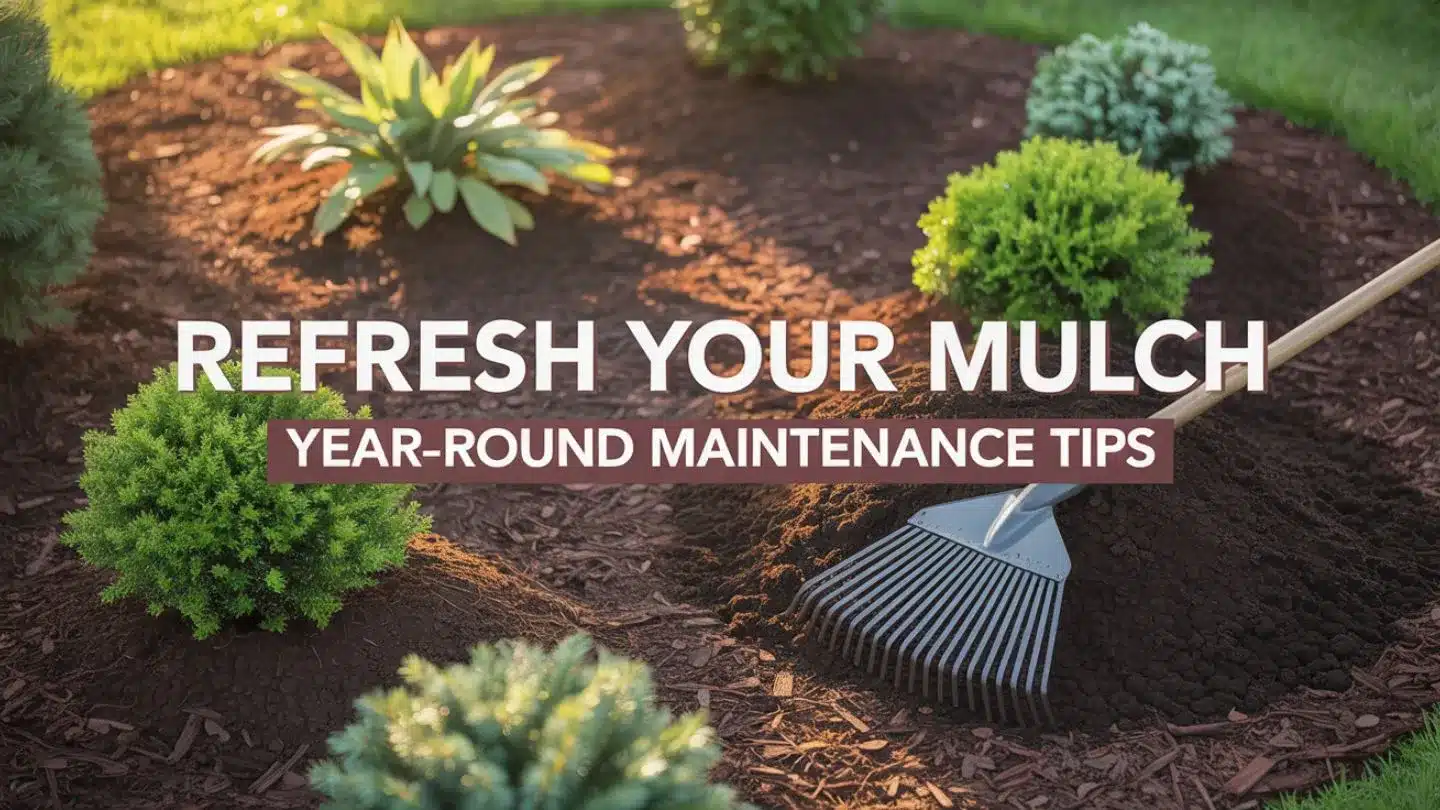

To keep your garden healthy all year, you need to know how to properly maintain and refresh your mulch for year-round benefits. This ensures effective moisture retention, weed control, and protection for your plants. In this blog, we’ll cover essential steps for regular maintenance, soil preparation, mulch selection, and seasonal application.
Key Takeaways
- Regular mulch maintenance is essential for conserving moisture, controlling weeds, and promoting plant health.
- Removing old mulch and preparing the soil before adding new mulch enhances its effectiveness and prevents pest issues.
- Selecting the right type of mulch based on the garden’s needs and monitoring its condition year-round ensures a vibrant and healthy landscape.
Importance of Regular Mulch Maintenance
Maintaining mulch enhances the vibrancy of your landscape and is a highly effective gardening practice. Proper mulching:
- Conserves moisture
- Improves garden appearance
- Promotes overall plant growth
- Provides aesthetic appeal
- Protects plant roots
- Regulates soil temperature
- Highlights the benefits of mulching
Refreshing mulch regularly helps maintain moisture retention and control weeds effectively. Mulch reduces evaporation, ensuring plants receive necessary hydration even during dry spells. It also suppresses weed growth by blocking sunlight, making it difficult for weeds to germinate and thrive. This dual action ensures a healthier and more robust garden environment.
Utilizing the right type of mulch based on your garden’s specific needs ensures long-term plant health. Replacing mulch in the spring prevents pests and diseases while enriching the soil for the growing season. Consistent mulch maintenance protects both plants and soil, ensuring a healthy garden throughout the year. Recognizing the importance of mulch longevity, understanding how long bark mulch lasts can help you plan maintenance and replenishment effectively.
Removing Old Mulch: The First Step in Refreshing
Removing old mulch is the first step in refreshing your garden. Here’s how to do it:
- Use a rake to loosen old mulch
- Protect your hands with gloves.
- Consider using a wheelbarrow or tarp for easier transportation
This careful handling ensures that the soil surface and protecting plant roots remain undisturbed.
Take special care around plant roots; use smaller tools to gently lift mulch near sensitive areas to avoid damage. Removing old mulch prevents issues like fungal growth and pest attraction. Starting with a clean slate allows your garden to breathe and prepares it for the benefits of fresh mulch, while understanding how much mulch you need ensures optimal coverage and prevents over- or under-application.
Preparing the Soil Before Adding Fresh Mulch
Preparing the soil before adding fresh mulch is crucial to avoid poor results. To do this, you should:
- Assess the soil for health and nutrient levels before applying a new layer.
- Test the soil pH.
- Test the nutrient content to ensure it can support plant growth effectively.
To improve soil conditions and soil quality, consider the following methods:
- Aerate the soil to enhance moisture absorption.
- Add compost to enrich the soil with nutrients and support plant growth.
- Use organic mulch types like shredded leaves
These steps ensure that the soil retain moisture and supports healthy plant roots, setting the foundation for proper mulching.
Read more: Benefits of Using Compost in Your Garden
Choosing the Right Mulch for Your Garden
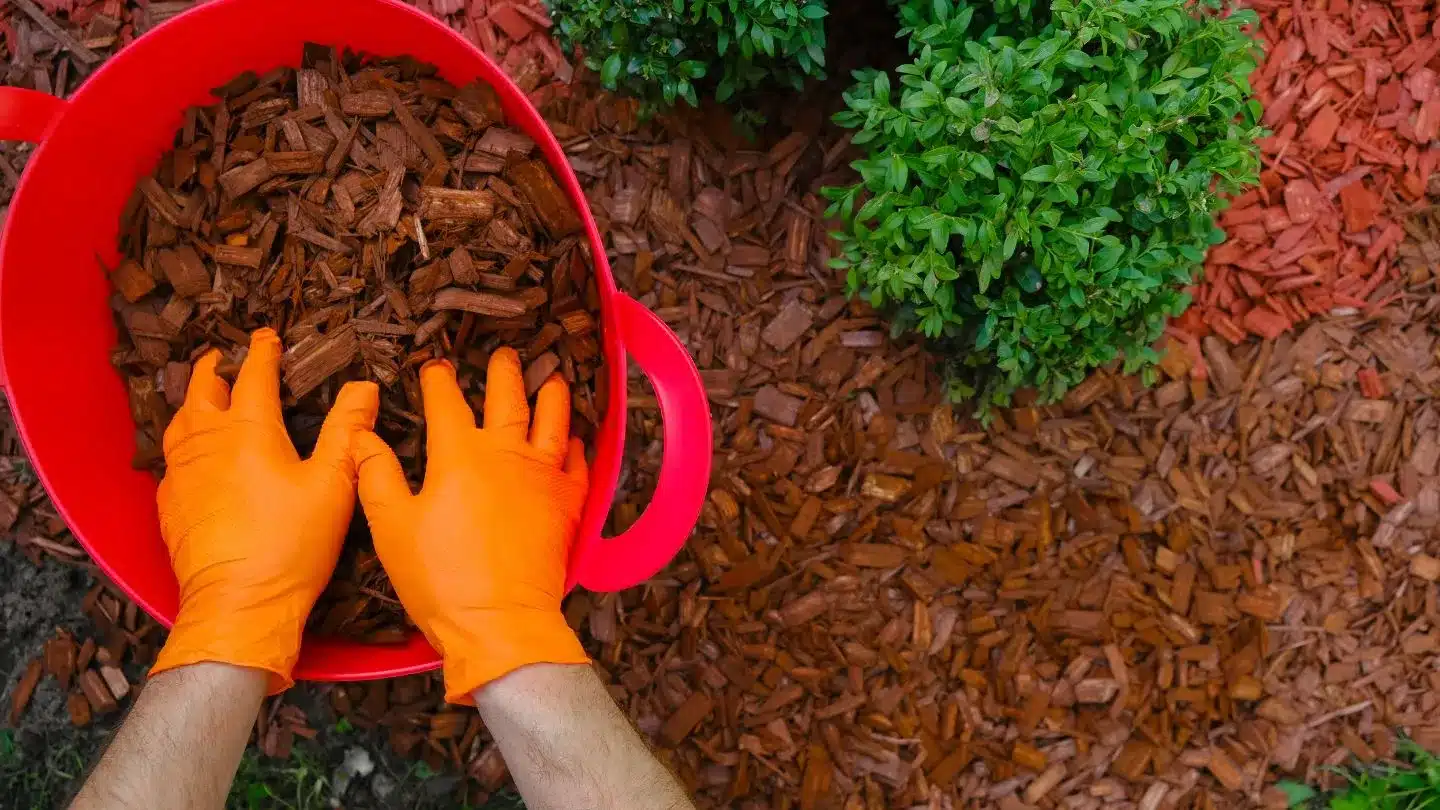
Choosing the right mulch for your garden protects plant roots and ensures optimal plant health. Organic mulches, such as shredded bark, leaf mold, and grass clippings, come from natural materials and improve soil health by adding nutrients and inviting beneficial organisms. Inorganic mulches, such as stones and synthetic materials, do not decompose quickly and help conserve moisture while providing aesthetic benefits.
Different types of mulch and their characteristics include:
- Bark nuggets: add a rich color and have a slow decomposition rate, making them a durable aesthetic option.
- Cedar chips: provide a pleasant aroma and enhance the visual appeal of garden pathways.
- Finely shredded hardwood mulch: contributes to a neat appearance while being effective for moisture retention.
- Bark chips: offer additional texture and help with moisture retention in garden beds.
Consider the local climate when selecting mulch, as it affects the type of mulch that can retain moisture and protect plants effectively. The quality of mulch is crucial; low-quality sources can introduce pathogens that harm plants. Understanding how to choose the right mulch for your landscape ensures that your garden thrives and remains healthy throughout the year.
Applying Fresh Mulch: Best Practices
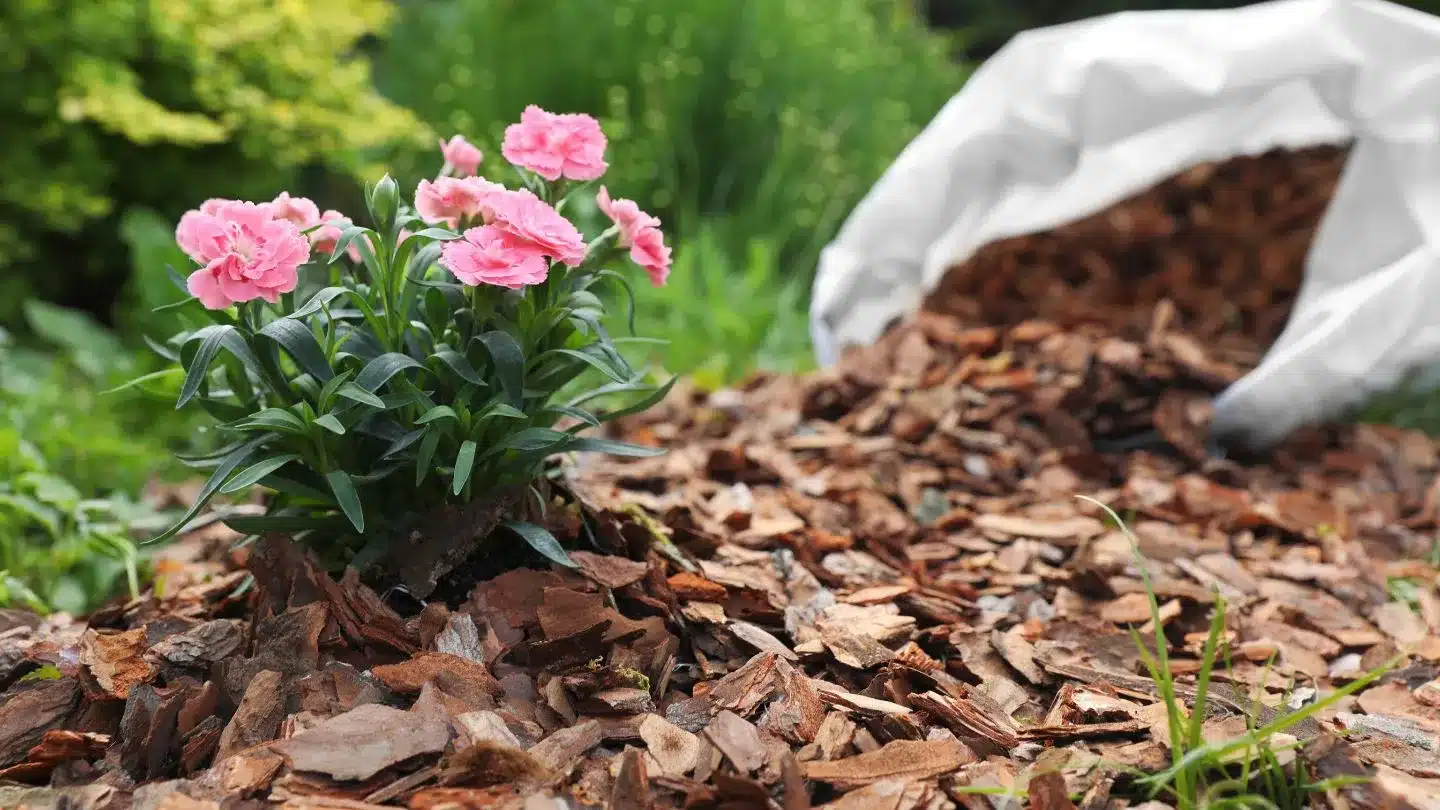
Correctly applying fresh mulch is key to reaping its numerous benefits. Here are the recommendations for most landscaping mulch:
- Apply mulch at a thickness between 2 and 3 inches to ensure optimal coverage and effectiveness.
- Maintain a mulch depth between 1 to 3 inches to prevent issues like trunk rot and to ensure effective weed suppression.
- Avoid applying mulch directly against plant stems to prevent disease caused by trapped moisture and pests.
- Keep a few inches of space between the trunk and the mulch.
Avoid over-applying heavier mulch products, as they can compact over time. Raking and fluffing existing piling mulch helps break up compacted areas, allowing air and water to penetrate more effectively.
Adding a fresh layer of mulch, typically 2 to 4 inches thick layers, can restore its appearance and enhance moisture retention while retaining moisture. These best practices ensure that your garden remains healthy and vibrant.
Read more: How Thick Should Mulch Be for Your Garden
Seasonal Mulching Tips
Mulching requires attention throughout the year to maximize its benefits. Different seasons call for different mulching techniques to protect plant roots and ensure optimal plant growth. Understanding the specific needs of each season helps maintain a vibrant garden year-round.
Here are seasonal mulching tips to ensure your garden thrives in spring, summer, autumn, and winter.
Spring
As the growing season begins, remove old mulch in early spring to prepare the garden for new growth and prevent mold or pest issues. Incorporating compost while refreshing mulch enhances soil nutrients. This combination provides plants with a nutrient-rich environment, setting the stage for a vibrant garden.
Spring mulching helps control early weed growth, giving plants a competitive advantage. A fresh layer of mulch suppresses weeds and retains soil moisture, ensuring your plants have the best start for the hot summer months ahead while controlling weeds. For ease and convenience, recognizing the benefits of scheduling mulch delivery ensures your garden beds are always replenished on time for the season.
Summer
During the hot summer months, mulch:
- Retains moisture
- Cools plant roots, which is essential for your garden’s health
- Reduces moisture evaporation with a thick layer
- Mulch blocks sunlight, keeping the soil cooler
This is particularly important for flower beds and other areas prone to drying out quickly.
Regularly monitor and replenish mulch as needed to ensure it continues to provide moisture retention and regulate soil temperature. A generous layer of mulch helps retain moisture, minimizes evaporation, and enhances the health of your garden during the summer months.
Proper mulching during summer keeps your garden lush and vibrant.
Autumn
As the growing season winds down, applying mulch in autumn insulates plant roots and protects them from harsh winter conditions. After the first hard frost, adding a layer of mulch regulates soil temperature and protects against freeze-thaw cycles. This preparation ensures that your plants are well-protected and ready to thrive when spring returns.
Applying mulch in autumn insulates plant roots and enriches the soil as it decomposes. Nutrients released from decomposing organic mulches provide a head start for plant growth in the following spring.
Winter
Winter mulching maintains a stable soil temperature, regulating soil temperature and protecting dormant plants from extreme cold. A well-applied winter mulch layer acts as insulation, minimizing temperature fluctuations in the soil. This protective layer prevents soil from freezing and reduces the risk of winterkill by insulating sensitive plants, contributing to soil temperature regulation.
Winter mulching ensures that when the growing season begins again, your garden is ready to burst into life. The thick layer of mulch you apply now will keep your plants protected and healthy through the harshest conditions.
Monitoring and Replenishing Mulch
Monitoring mulch levels ensures it remains effective in moisture retention. Regularly assess your mulch beds for signs of compaction, depletion, or weed growth to determine the need for replenishment. Proper mulching practices significantly reduce weed growth and limit competition for nutrients.
Key points about mulch care and benefits:
- Failing to refresh mulch periodically diminishes its ability to retain moisture and control weeds.
- Organic mulches, such as bark or straw, improve soil health as they decompose.
- Remove weeds before laying down mulch, as they can thrive under it if not addressed.
To maintain a healthy garden during summer:
- Replenish mulch regularly to maintain its moisture-retaining properties.
- Use a pre-emergent herbicide to prevent future weed growth beneath the mulch.
- Monitor the garden regularly and replenish mulch in a timely manner to ensure the garden thrives and remains healthy.
Read more: Control Weeds Naturally and Effectively With Mulch
Avoiding Common Mulching Mistakes
Avoid common mulching mistakes to maximize the benefits of your efforts. Applying too much mulch can lead to moisture buildup and root rot. Rubber mulch can result in poor moisture retention and may not provide adequate weed control.
Neglecting soil preparation before applying mulch results in ineffective moisture retention and pest attraction. Ignoring weeds after mulching undermines the benefits of your efforts. Being mindful of these common errors ensures that your mulching practices are effective and beneficial.
Enhancing Mulch Aesthetics
Enhancing mulch aesthetics significantly improves the visual appeal of your garden. Colored mulches and unique textures add a vibrant touch to your landscape. Colorful leaves or pine needles can be used as decorative elements for seasonal displays in gardens.
Smoothing the soil bed before applying mulch enhances the curb appeal of the landscape. Visually appealing mulches enhance the overall design and aesthetic of garden beds.
Choosing the right mulch and applying it with an eye for aesthetics creates a vibrant and thriving landscape that is both functional and beautiful. Mulch choosing is essential for achieving the best results.
Read more: How to Choose the Right Color Mulch: Expert Tips for a Stunning Landscape
Keep Your Landscape Thriving All Year Long
Properly maintaining and refreshing your mulch isn’t just about appearance; it’s about sustaining the health of your landscape through every season. By replenishing your mulch, you help retain soil moisture, regulate temperature, and prevent weed growth, ensuring your outdoor space remains lush and well-protected all year long. Consistent mulch care is a small effort that delivers big rewards in both beauty and longevity for your garden beds.
At Mulch Pros, we specialize in mulch in Alpharetta, keeping your outdoor spaces vibrant with premium mulch installation and maintenance services. Beyond mulch, we also provide high-quality pine straw, nutrient-rich soil, durable gravel and sand, and seasoned firewood, everything you need to enhance and maintain a beautiful, functional outdoor environment. Whether you’re refreshing existing mulch or starting anew, we’re here to make sure your property looks its best with expert guidance and high-quality materials. If you’re looking for professional service, trust us to help you achieve a polished, healthy, and sustainable landscape you’ll love year-round.
Frequently Asked Questions
How often should I refresh mulch?
You should refresh your mulch once a year, ideally in early spring, to prevent weeds and support plant growth effectively.
How soon can customers expect to receive their delivery?
Customers can expect to receive their delivery on the date and time they select during their order process. The delivery time is automatically confirmed to ensure reliability.
What type of mulch is best for flower beds?
For flower beds, organic mulches such as shredded bark, pine straw, or finely ground hardwood are ideal. They decompose slowly, improve soil fertility, and help retain moisture while enhancing the garden’s overall appearance.
Can I place new mulch over old mulch?
Yes, you can place new mulch over old mulch if the existing layer is still in good condition and not compacted. However, it’s important to loosen the old mulch and maintain a total depth of 2–3 inches to avoid smothering plant roots.
What is the best time of year to apply fresh mulch?
The best time to apply fresh mulch is in early spring or late fall. Spring application prepares your garden for the growing season, while fall mulching protects plant roots from winter cold and helps maintain soil health.