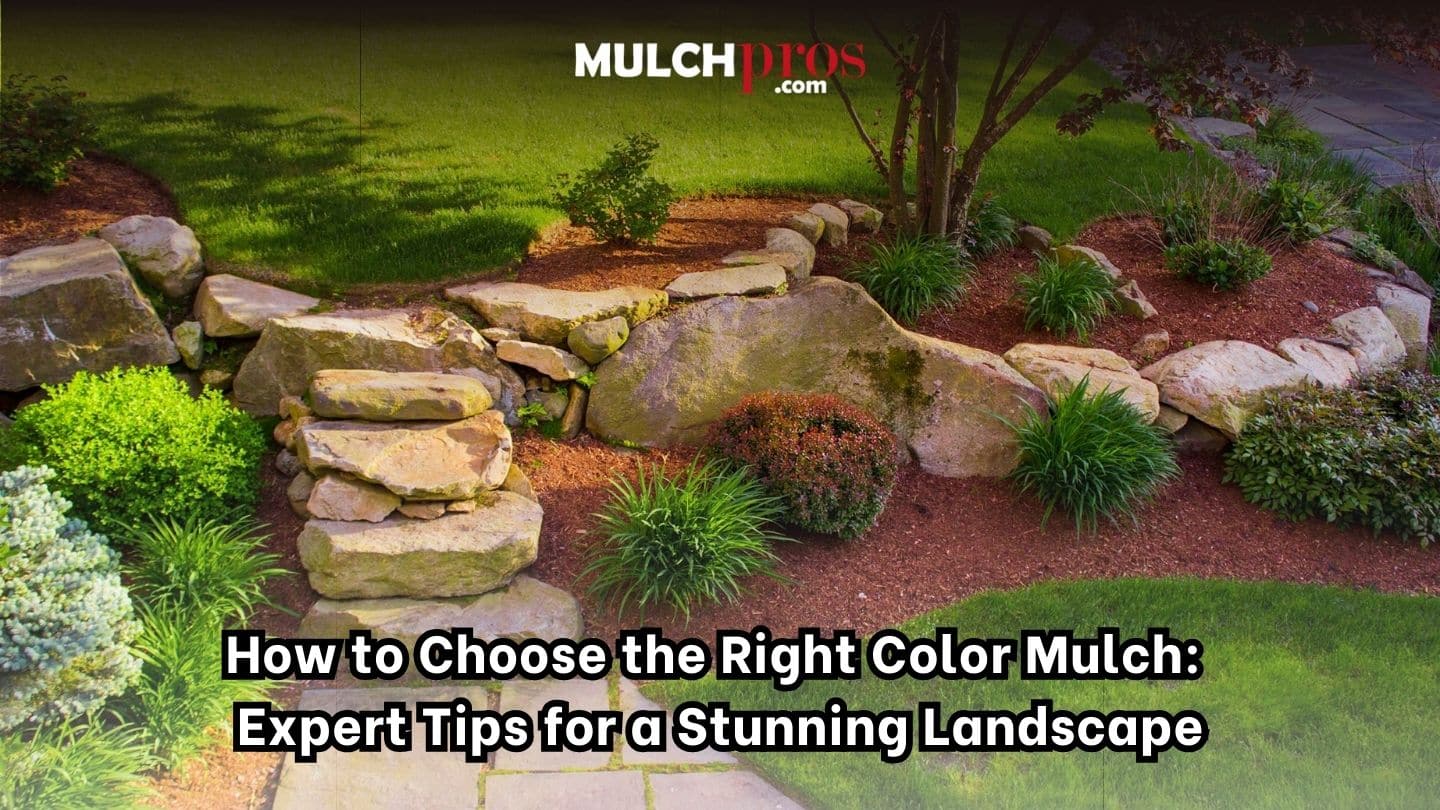

When it comes to landscaping, choosing the right mulch color can make a bigger difference than you think. The right mulch color not only supports soil health but also enhances curb appeal by complementing your home and garden design. With so many colors of mulch available, from earthy browns to bold blacks and vibrant reds, it’s important to understand how each shade impacts your outdoor space. This blog breaks down the different colors of mulch, when to use them, and how to pick the best mulch color for your unique needs.
Why Mulch Color Matters
Mulch is more than just a finishing touch, it protects your soil, retains moisture, and reduces weed growth. But beyond functionality, mulch colors influence the overall aesthetic of your yard. The best color of mulch can make plants stand out, highlight architectural features, and create visual harmony with your home’s exterior. Choosing wisely ensures both a healthy garden and stunning landscape design.
Read more: How to Choose the Right Mulch for Your Landscape
Types of Mulch and Their Color Options
When evaluating mulch color options, it helps to first consider the type of mulch:
- Organic mulches (bark, wood chips, straw) naturally enrich the soil while offering a range of mulch colors.
- Inorganic mulches (rubber, stones) last longer and often come in more vivid shades.
Each type offers different colors of mulch, giving you flexibility to choose what fits both your soil needs and design goals.
Read more: How Long Does Bark Mulch Last? A Practical Guide
Popular Mulch Colors and Their Uses
Brown Mulch
Brown is one of the most versatile mulch colors. It provides a natural, earthy tone that blends seamlessly with most garden styles. This best mulch color option is ideal for flower beds, pathways, and spaces where subtlety is key.
Black Mulch
If you’re asking, what color mulch looks best for a modern, bold landscape, black is a top choice. It creates a striking contrast with greenery and colorful flowers. Black is often considered the best color mulch for curb appeal in contemporary landscapes.
Red Mulch
For those who want to add vibrancy, red is a standout among the different colors of mulch. It pairs beautifully with light-colored homes and bright landscapes, making it a favorite in areas that need a bold accent.
(Pro Tip: When deciding what color mulch is best, compare how each shade complements your home’s siding, roof, or brickwork.)
How to Match Mulch Color to Your Home’s Exterior
One of the most overlooked factors in mulch selection is design coordination. The best color mulch for curb appeal often depends on your home’s materials:
- Light siding/brick → Black or red mulch for bold contrast.
- Dark exteriors → Brown mulch for balance.
- Neutral tones → Any mulch color can work, but brown tends to be safest.
This design-driven approach ensures your mulch looks intentional rather than mismatched.
Read more: Bulk Mulch vs. Bagged: Which is Better?
Enhancing Garden Aesthetics with Mulch Colors
Beyond the home itself, mulch also frames your plants and garden beds. Choosing the best color of mulch for your flowers or shrubs helps bring out their natural beauty:
- Bright flowers often pair best with darker mulch colors like black or brown.
- Subtle greenery benefits from the vibrancy of red.
By thinking of mulch as part of your garden’s color palette, you ensure every detail works together harmoniously.
Practical Considerations Before Choosing Mulch
While it’s easy to focus only on looks, practical factors matter:
- Longevity – Dyed mulch tends to fade; natural colors last longer.
- Heat absorption – Black mulch warms soil faster, which may affect plants.
- Safety – Always consider pet- and child-friendly options.
When evaluating mulch color options, balance both aesthetics and functionality for the best results.
Read more: How Much Mulch Do You Need?
Organic vs. Inorganic Mulch: Which is Better?
Still wondering what is the best color mulch to use? The answer often depends on whether you choose organic or inorganic.
- Organic mulch: Natural brown tones improve soil health over time.
- Inorganic mulch: Offers long-lasting mulch colors like black or red with less maintenance.
Your priorities, soil enrichment or longevity, will determine the best mulch color and material for your landscape.
Best Practices for Applying Mulch
Once you’ve selected your best color of mulch, applying it correctly is just as important:
- Spread 2–3 inches deep for proper soil coverage.
- Refresh mulch annually to maintain rich mulch colors.
- Avoid piling mulch against plant stems or tree trunks.
These simple steps ensure both functionality and curb appeal.
Read more: 3 Reasons Why You Need to Schedule Mulch Delivery
Conclusion
The right mulch color can completely transform your landscape. From the subtle elegance of brown to the dramatic impact of black or the vibrancy of red, the best color mulch for curb appeal depends on your home, plants, and overall design goals. Whether you’re choosing between different colors of mulch or still asking yourself what is the best color mulch to use, the key is balancing beauty with practicality.
Mulch Pros offers options for every look and need—cypress mulch for natural warmth, hardwood mulch for rich contrast, and pine bark jumbo nuggets or pine mini nuggets for a textured, organic finish for playgrounds or family areas. Kids’ safe playground mulch keeps things secure and stylish. For expert mulch guidance and professional delivery, trust Mulch Pros to help you pick the perfect option for your landscape.
FAQs About Mulch Colors
What color mulch looks best for landscaping?
Black mulch is often chosen for its modern contrast, but brown remains the most versatile.
What color mulch is best for curb appeal?
Many homeowners find black mulch to be the best mulch color for making plants pop and creating neat, clean lines.
What is the best color mulch to use for gardens?
Brown mulch works well universally, while red may enhance more vibrant landscapes.
Does mulch color fade over time?
Yes, dyed mulches fade faster than natural shades, so choose accordingly.