
Pine straw is a popular natural ground cover known for its attractive appearance and practical benefits in landscaping. It not only enhances the visual appeal of garden beds but also plays a key role in maintaining soil health and moisture. One of its most appreciated qualities is its ability to suppress unwanted weed growth effectively. By creating a protective layer, pine straw helps gardeners reduce maintenance and promote healthier plants. In this blog, we’ll discuss how pine straw works as a weed control solution and compare its effectiveness to other common mulch options.
Key Takeaways
- Pine straw mulch effectively suppresses weeds by blocking sunlight, forming a physical barrier, and retaining soil moisture.
- Long-needle pine straw is more durable and visually appealing for weed control compared to short-needle pine straw, though each type has its unique benefits.
- Using pine straw contributes to soil health and environmental sustainability, as it decomposes to enrich the soil and is sourced from renewable resources.
Understanding Pine Straw Mulch
Pine straw mulch, derived from dried fallen pine needles, is increasingly popular in landscaping, especially in areas rich with pine trees. This organic mulch is lightweight, easy to manage, and covers large areas, making it an eco-friendly choice for gardeners. Creating a bale of pine straw mulch involves harvesting and drying these needles to prepare them for landscaping use.
One of the primary reasons gardeners opt for pine straw is its ability to maintain slightly acidic soil, which is particularly beneficial for plants that thrive in acidic conditions. Moreover, pine straw mulch contributes to various landscaping needs, with an emphasis on top benefits of pine straw, offering a versatile and attractive solution for ground cover and weed control.
Exploring the different types of pine straw mulch helps us understand why this natural option is effective for weed control.
Types of Pine Straw
Pine straw mulch comes in two main varieties: long-needle and short-needle. Long-needle pine straw, sourced from longleaf pine trees, is known for:
- Its resilience and longer needle length
- preserving soil moisture
- A thicker texture
- An appealing reddish hue
- A slower decomposition rate
On the other hand, short-needle pine straw is typically more affordable but less effective compared to its long-needle counterpart. Despite being less resilient, short-needle pine straw still adds a polished and cohesive look to gardens, making it a visually appealing choice for various landscaping projects.
Both long-needle and short-needle pine straw enhance garden aesthetics while serving as functional mulch that supports plant health and suppresses weeds, and comparing pine straw vs. pine needles clarifies which texture and longevity best fit your beds.
Why Choose Pine Straw for Weed Control?
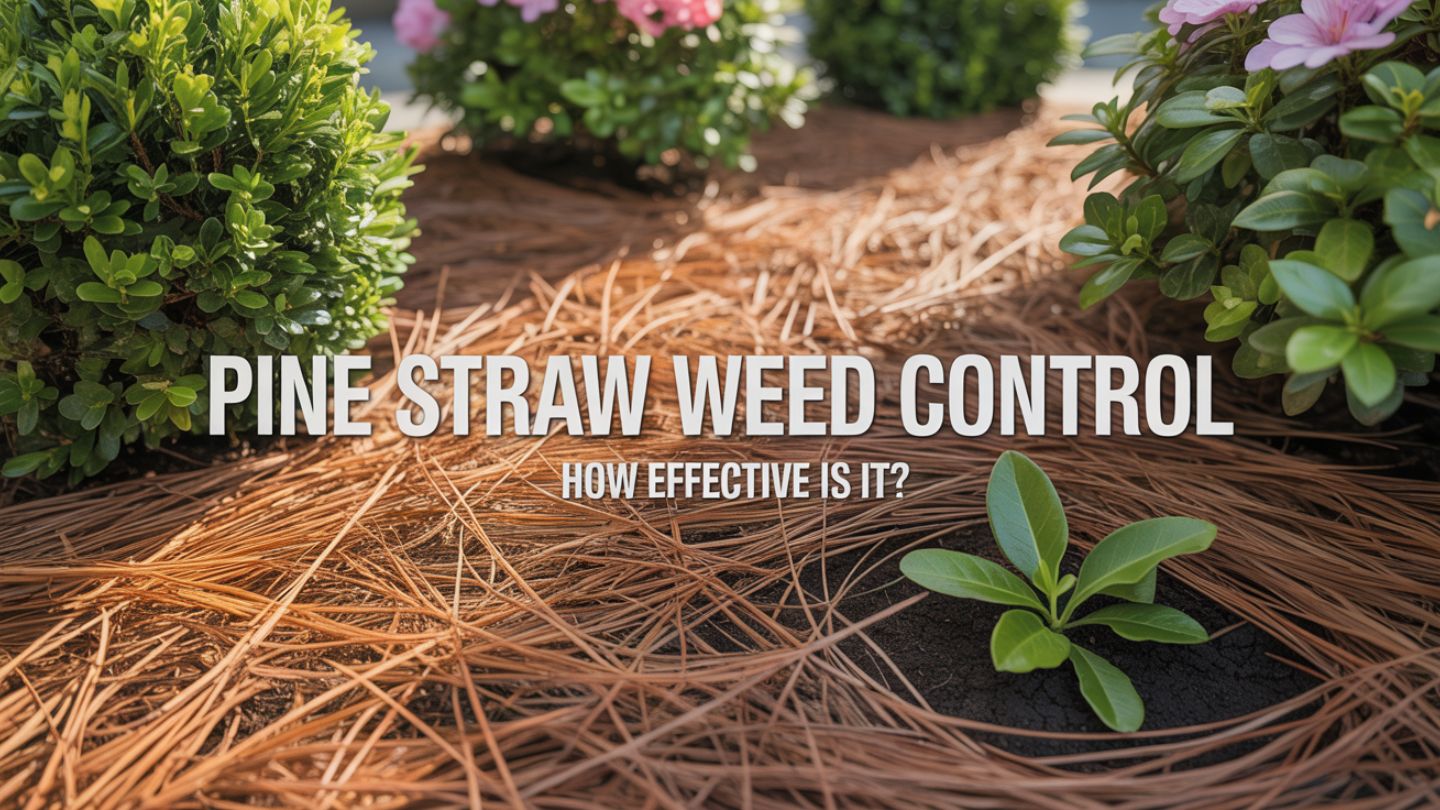
Pine straw mulch is highly effective for weed control due to its unique properties. When spread over garden beds, pine straw forms a dense mat that reduces light penetration to the soil, while addressing concerns such as whether pine straw attracts insects, inhibiting weed seed germination. This layer blocks sunlight, preventing weed seeds from sprouting and growing.
Additionally, the lightweight nature of pine straw allows it to be easily spread and cover the soil uniformly, creating an ideal environment for mulch application. This ease of application makes it a convenient choice for gardeners looking to control weeds without much hassle.
Beyond weed suppression, pine straw improves soil conditions and provides a protective layer that benefits plant growth.
Mechanisms of Weed Suppression with Pine Straw
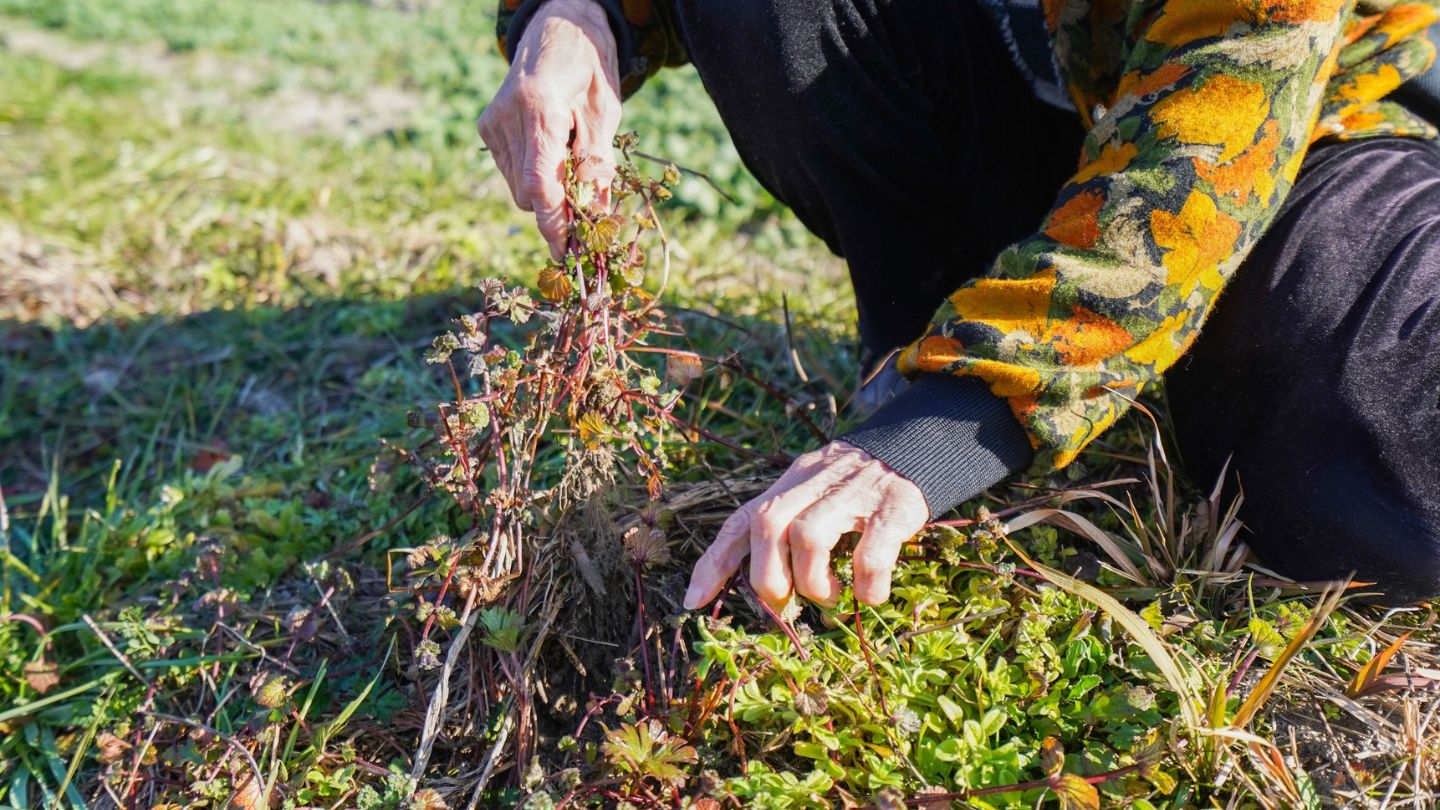
Pine straw mulch suppresses weeds through three primary mechanisms: blocking sunlight, forming a physical barrier, and retaining soil moisture.
These mechanisms work together to create an environment that is less conducive to weed proliferation.
Blocking Sunlight
The first mechanism through which pine straw mulch suppresses weeds is by blocking sunlight. When pine straw is spread in a thick blanket over the soil, it significantly reduces the amount of sunlight that reaches the soil surface.
Blocking sunlight prevents weed seeds from germinating, maintaining a healthy garden environment.
Forming a Physical Barrier
Pine straw mulch serves as a natural barrier. It creates a dense mat over the soil. This thick layer of pine straw not only blocks sunlight but also prevents weed seeds from accessing the nutrients and moisture they need to grow.
This physical barrier effectively suppresses weeds and supports garden plant health while suppressing weeds to help cultivate desired plants and also suppress weeds.
Soil Moisture Retention
Another critical mechanism of weed suppression with pine straw mulch is its ability to retain soil moisture. By forming a dense mat, pine straw enhances retaining moisture while still allowing adequate airflow, reducing the risk of fungal issues. This moisture retention helps maintain consistent soil hydration, which is vital for healthy plant growth.
Consistent soil moisture limits weed proliferation, as weeds struggle to thrive. Pine straw also insulates plant roots, protecting them from soil temperature fluctuations and contributing to a stable growing environment.
Comparing Pine Straw to Other Mulches for Weed Control
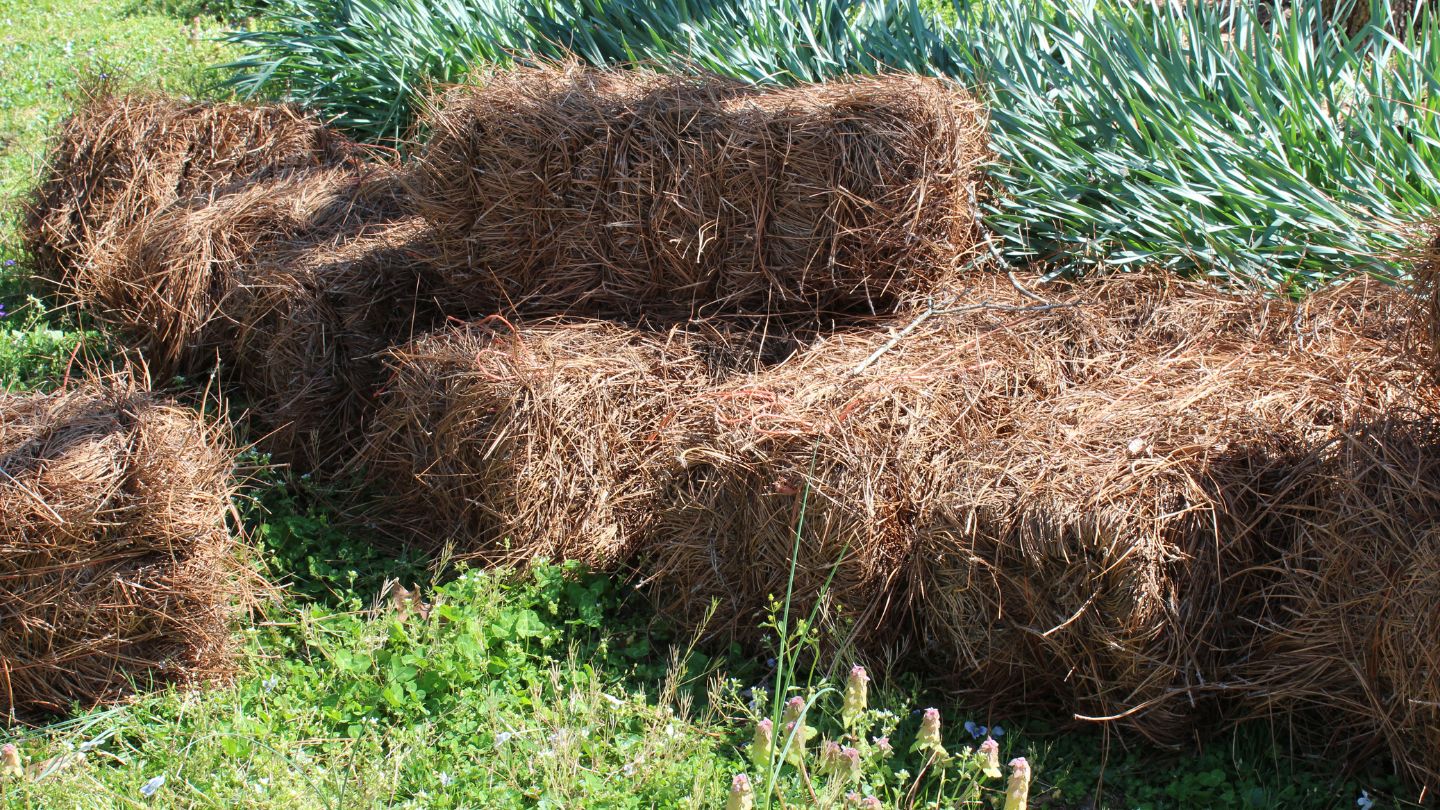
When it comes to weed control, not all mulches are created equal. Comparing pine straw mulch to other popular options such as shredded mulch, wood chips, and bark mulch, as well as understanding pine straw vs. wheat straw, can help you decide which is best for your garden.
Each type of mulch has unique benefits and drawbacks, so understanding these differences is essential for making an informed choice.
Pine Straw vs. Shredded Mulch
Pine straw mulch is visually appealing and stays in place without compacting, making it a long-lasting option. However, it can be less effective at weed control compared to denser materials like shredded mulch, which forms a thicker barrier that inhibits sunlight and moisture from reaching weed seeds.
Shredded mulch, typically made from:
- Wood chips
- Recycled pallets
- Hardwood mulches
- Softwood
It provides a better moisture barrier and is easier to find. It also decays faster, which can lead to quicker soil fertilization but may require more frequent replacement.
Both pine straw and shredded mulch offer unique benefits, so choosing the right one depends on your specific gardening needs.
Pine Straw vs. Wood Chips
Wood chips are generally more effective at weed suppression than pine straw due to their heavier and more compacted nature. This makes them a preferred choice for gardeners looking for optimal weed control. However, pine straw still provides a level of effectiveness, particularly when used in conjunction with other weed control methods.
For those who prioritize visual appeal and ease of application, pine straw remains a viable option. Its lighter structure and natural look make it attractive, even if it requires more maintenance compared to wood chips.
Pine Straw vs. Bark Mulch
Bark mulch, like pine straw, is an organic mulch that provides effective weed control and slows down moisture evaporation from the soil. However, bark mulch breaks down more slowly than pine straw, providing longer-lasting weed control and reducing the need for frequent reapplication.
Both options have merits, and the choice between pine straw and bark mulch often comes down to personal preference and specific landscaping needs. Pine straw offers a lighter, more natural look, while bark mulch provides a denser, longer-lasting barrier against weeds.
Best Practices for Using Pine Straw in Your Garden Beds
To maximize pine straw mulch benefits, follow best practices for installation, maintenance, and application depth. Proper installation and maintenance enhance its effectiveness in weed control and improve the overall health and appearance of your garden beds.
Proper Installation Techniques
Before spreading pine straw, follow these steps:
- Remove existing weeds and debris from the garden bed. This preparation helps the mulch effectively suppress new weed growth.
- Install pine straw by laying it a foot from the border.
- Rake the pine straw back into the bed to create a polished appearance and keep the mulch in place.
Keep pine straw 2 to 3 inches away from the base of plants and structures to avoid pests and reduce fire hazards. Its lightweight nature makes it easy to transport and place, ensuring it stays on slopes due to its interlocking nature.
Read More: Master the Art: Spread Pine Straw Like a Seasoned Pro
Maintaining Pine Straw Mulch
Refresh pine straw mulch once or twice a year to maintain its effectiveness and appearance. Adding a fresh layer helps keep weeds at bay and ensures your garden beds look neat.
Ideal Depth for Pine Straw Mulch
Apply pine straw mulch at a proper mulch depth of 2 to 3 inches for effective weed control and moisture retention. This depth helps preserve soil moisture levels and suppress weed growth.
In areas prone to erosion, a thicker layer of up to a year may be beneficial.
Additional Benefits of Pine Straw Mulch
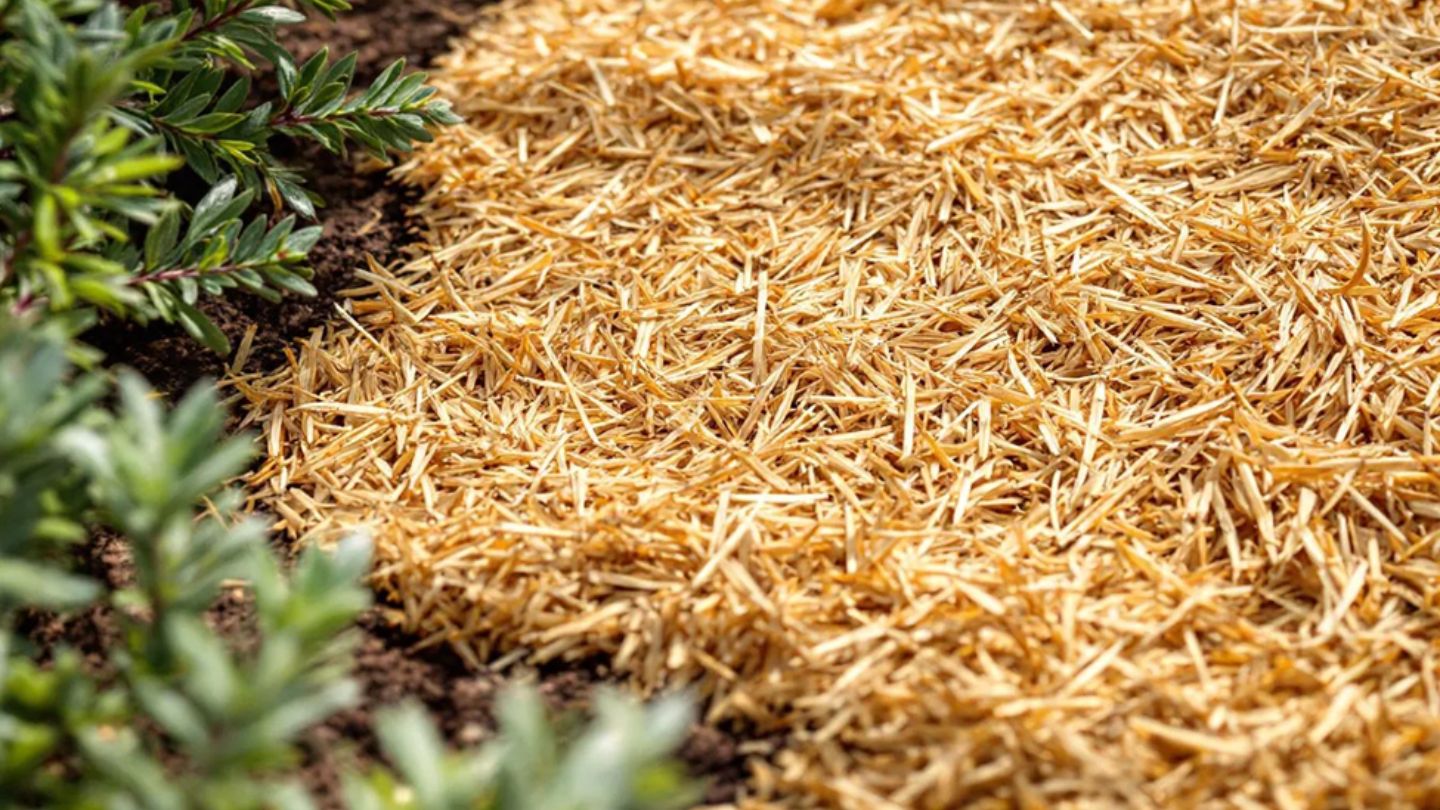
While weed control is a significant advantage of using pine straw mulch, there are additional benefits that make it a valuable choice for gardeners. Pine straw is a cost-effective organic mulch that offers various benefits beyond weed suppression, such as enhancing soil health, controlling erosion, and boosting the aesthetic appeal of garden beds.
Enhancing Soil Health
Pine straw mulch enhances soil health by:
- Providing essential nutrients as it decomposes.
- Creating an interlocking structure that minimizes soil movement and prevents dormant weed seeds from surfacing.
- Binding soil particles into stable aggregates
Additionally, decomposing pine straw boosts soil fertility, creating a more fertile growing environment.
Read More: How Pine Straw Improves Soil Structure and Fertility: The Best Tips and Benefits
Erosion Control
Pine straw mulch is also effective in controlling soil erosion. By stabilizes soil, pine straw prevents it from being easily dislodged by rain or wind. This stabilization reduces surface runoff, allowing for better water absorption and protecting the soil from erosion.
Pine straw also acts as a natural barrier against heavy rain and wind, safeguarding the soil and promoting sustainable landscaping practices.
Aesthetic Appeal
Another significant benefit of using pine straw mulch is its aesthetic appeal. Pine straw enhances garden visual appeal by blending with various landscaping styles and providing a textural element that complements blooming plants. Its natural earth-toned colors create a visually appealing contrast with vibrant flowers, elevating outdoor aesthetics.
Using pine straw mulch contributes to a polished and cohesive look, suitable for both formal and informal garden designs. Its lightweight nature allows for easy application, maintaining a clean and tidy appearance.
Environmental Impact and Sustainability
Pine straw mulch is an environmentally friendly option that promotes sustainable landscaping. Collected from naturally shed pine needles, it decomposes and enriches the soil, contributing to a smaller carbon footprint in landscaping projects, especially when using pine mulch.
As a biodegradable organic material, pine straw decomposes and enriches the soil, supporting healthy plant growth and maintaining ecological balance.
Renewable Resource
Pine straw makes recognized as a renewable resource, making it a sustainable gardening option. It uses naturally shed pine needles, which do not harm the pine trees during collection.
Continuous harvesting of naturally shed needles ensures pine straw stays a sustainable and renewable resource for landscaping.
Eco-Friendly Landscaping
Utilizing pine straw mulch promotes eco-friendly landscaping practices, which are essential for maintaining ecological balance and promoting sustainability. Pine straw serves as a natural mulch alternative, conserving resources and reducing the environmental impact of landscaping projects.
Keep Your Garden Weed-Free the Natural Way
Pine straw is an excellent, eco-friendly choice for effective weed control and soil protection. Its dense, interlocking needles form a natural barrier that blocks sunlight, preventing weeds from germinating while helping soil retain moisture. Unlike other mulch types, pine straw is lightweight, easy to spread, and adds a warm, natural look to your landscape. Regularly replenishing it ensures consistent weed suppression and long-term soil health, making it both practical and visually appealing for any garden.
At Mulch Pros, we provide pine straw in Milton, helping homeowners enhance their outdoor spaces with top-quality pine straw and other premium landscaping materials. Along with pine straw, we offer nutrient-rich soil, decorative mulch, seasoned firewood, and durable gravel and sand, everything you need to maintain a healthy, attractive outdoor space. If you’re looking for high-quality service, trust us to provide reliable products and expert guidance to keep your landscape thriving year-round.
Frequently Asked Questions
How does pine straw mulch help in weed control?
Pine straw mulch effectively controls weeds by blocking sunlight, creating a physical barrier, and retaining soil moisture, which inhibits weed seed germination and growth. Using it in your garden can significantly reduce your weeding efforts.
What are the types of pine straw mulch available?
The two main types of pine straw mulch are long-needle and short-needle. Long-needle pine straw offers better weed control and durability, while short-needle pine straw is a more budget-friendly option but less effective.
How often should pine straw mulch be refreshed?
To maintain its effectiveness and appearance, pine straw mulch should be refreshed once or twice a year. Regular replenishment ensures optimal benefits for your garden beds.
What is the ideal depth for applying pine straw mulch?
The ideal depth for applying pine straw mulch is 2 to 3 inches, which aids in moisture retention and weed suppression.
Why should I consider hiring professionals for pine straw installation?
Hiring professionals for pine straw installation guarantees high-quality results and saves you time and effort, while ensuring the installation meets your landscape’s specific requirements effectively.