
The right landscape supply choices can transform an ordinary Alpharetta yard into something truly remarkable – but only if you understand what works in North Georgia’s unique climate and soil conditions. Whether you’re refreshing garden beds, building retaining walls, or designing an entirely new outdoor living space, the materials you select directly impact how your property looks, performs, and holds up over time.
This blog covers everything homeowners in the Alpharetta area need to know about choosing landscaping materials, planning purchases strategically, and creating outdoor spaces that exceed expectations. From understanding the region’s challenging red clay soil to selecting the best mulch, stone, and topsoil for your project, you’ll walk away with practical knowledge to make confident decisions for any landscaping project.
Key Takeaways
- Choose quality materials suited to North Georgia’s acidic clay soil and humid subtropical climate for lasting results
- Plan your project in phases to maximize your budget and avoid costly material estimation errors
- Work with local suppliers who offer reliable delivery and expert guidance on Alpharetta-specific conditions
- Consider both the aesthetic appeal and long-term maintenance requirements of every material you select
- Use proper soil preparation and installation techniques to ensure your landscape investment delivers long-term value
Essential Materials for Alpharetta Landscapes
Every successful landscaping project in Alpharetta, GA starts with understanding the core materials available and how each one serves a specific purpose. The Piedmont region’s red clay soil – with its high clay content of 35–55% in subsoil layers – creates unique challenges that make material selection especially important. High-quality materials impact plant health and landscape longevity, so cutting corners here can undermine even the most thoughtful landscape design.
The essential landscape supply categories for North Georgia properties include mulch and pine straw for garden beds, quality topsoil and soil mixes for planting areas, gravel and sand for drainage solutions, decorative stone for hardscape accents, and hardscape materials like pavers and retaining wall blocks. Each contributes differently to the overall appearance of your outdoor spaces – mulch suppresses weeds and retains moisture, topsoil supports root development, and stone provides structure and visual contrast.
Homeowners choose from a broad range of options depending on their goals. A front yard refresh might only require pine straw and fresh topsoil, while a full backyard renovation could involve a crushed granite base for patios, river rock for dry creek beds, and shredded hardwood bark for surrounding planting areas. Using local suppliers is essential for sourcing materials suited for Georgia, and choosing the best landscaping suppliers in Alpharetta helps ensure products perform well in the region’s acidic soil and humid conditions.
Choosing the Right Mulch and Ground Cover
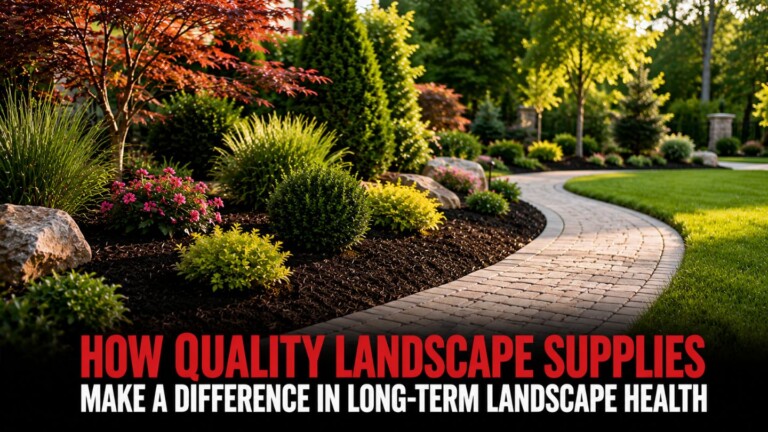
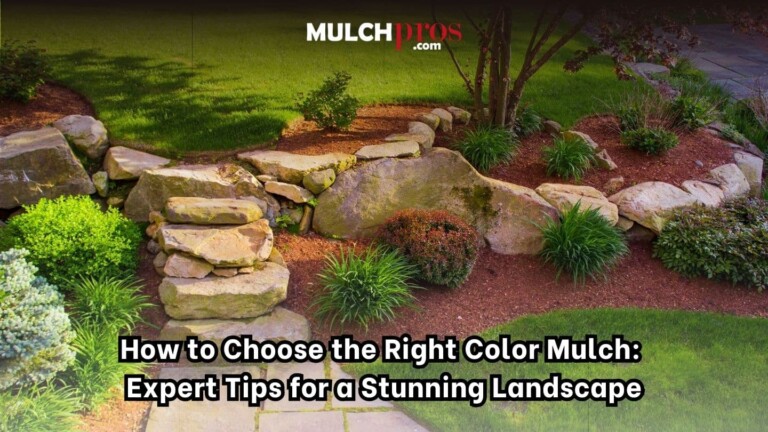
Selecting the right mulch for your landscape is one of the most impactful decisions you’ll make. In Alpharetta’s climate, popular organic options include pine straw, shredded hardwood bark, pine bark nuggets, and wood chips. Mulch options include wood chips, straw, and rubber – though organic varieties remain the top priority for most residential lawns because organic mulch decomposes and enriches soil over time.
Pine straw is especially popular across surrounding North Georgia communities. It’s abundant, naturally acidic (ideal for azaleas, camellias, and other acid-loving plants), and interlocks to resist erosion and wind displacement. Pine straw typically lasts 12–18 months under local humid conditions before needing replenishment. Shredded hardwood bark offers a richer texture and breaks down more gradually, making it an excellent choice when visual durability matters. High-quality mulch provides color contrast in garden beds, enhancing curb appeal immediately after installation when applied using proven mulch installation tips.
Decorative gravel is suitable for low-maintenance landscapes where homeowners want to reduce ongoing upkeep. River rocks and gravel are long-lasting mulch alternatives that won’t decompose, fade, or attract insects. Inorganic ground covers like pea gravel, slate chips, and marble chips suppress weeds effectively but don’t improve soil health the way organic mulch does. For a deeper comparison, explore whether mulch, stone, or river rock is best for your specific situation.
For coverage calculations, measure your bed area in square feet, multiply by desired depth in inches, then divide by 324 to get cubic yards. Apply organic mulch at a depth of 3–4 inches for most varieties, 5 inches for pine needles, and a minimum of 2 inches for wood chips. Mulch can reduce soil erosion and retain moisture, and using mulch can lower garden maintenance needs significantly.
Planning Your Landscape Supply Purchases
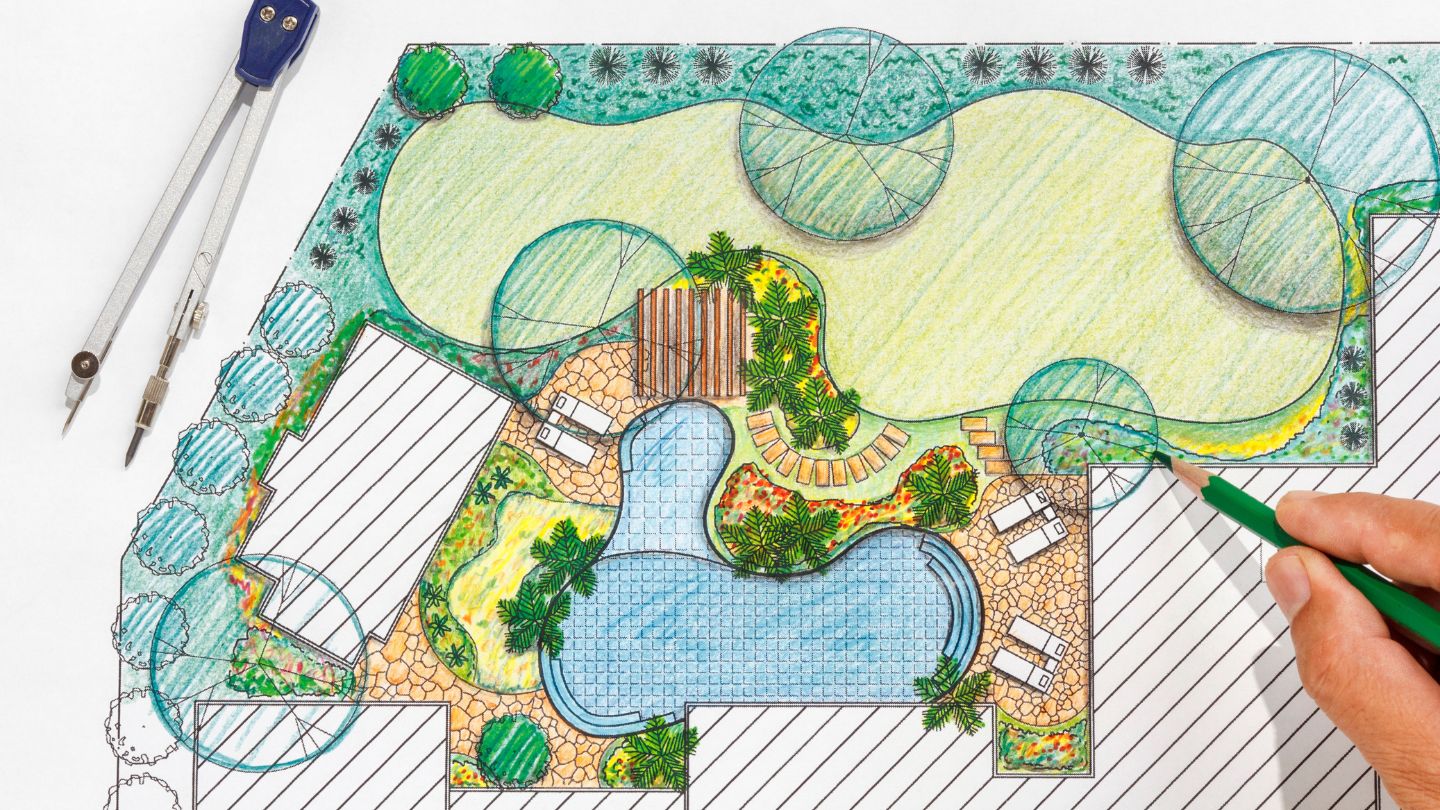
Smart planning separates a smooth landscaping project from one riddled with delays and budget overruns. Start by mapping out your entire yard and identifying distinct zones – planting beds, pathways, drainage areas, lawn sections, and hardscape zones like patios or retaining walls. Landscape designs should consider the site’s conditions and purpose before a single material is ordered.
- Estimating material quantities accurately is critical. For a 200-square-foot bed wanting a 3-inch mulch layer, the calculation is straightforward: 200 × 3 ÷ 324 ≈ 1.85 cubic yards. Use similar formulas for topsoil and pea gravel Online ordering simplifies pricing and scheduling delivery, helping you lock in costs before the busy season drives prices up.
- Budget planning should account for material cost, delivery fees, soil preparation, and installation labor. In Alpharetta, screened topsoil typically runs $30–$38 per cubic yard, while decorative mulch ranges around $60 per yard. Gravel and crushed stone, including gravel for winter driveways, fall between $60–$80 per ton for standard grades, though decorative or specialty stone can exceed $200 per ton. Look for suppliers offering bulk discounts for large orders – communities ordering over 20 cubic yards receive a 10% discount through select providers.
- Timing matters for your budget and results. Late winter and early spring (February through April) are ideal for prep work before planting season, offering better pricing and delivery windows. Early fall (September–October) is excellent for establishing beds before cooler weather arrives. Avoid mid-summer for heavy installations or stone delivery due to storms and extreme heat across the Atlanta metro area.
Common Material Estimation Mistakes to Avoid
- Underestimating quantities by failing to account for settling – organic mulch compacts over time and stone settles into soft soil, meaning you’ll need more than initial calculations suggest
- Ignoring soil preparation costs such as grading, amending, removing existing lawn or debris, and testing soil pH, which helps in selecting compatible plants and materials
- Choosing materials without considering drainage – Georgia’s soil is naturally acidic and clay-heavy, so amending clay-heavy soil improves drainage in landscapes rather than just layering materials on top
- Forgetting delivery logistics, including truck size requirements, site access restrictions, offloading location, and landscape material storage, can make it harder for your supplier to place material where you actually need it on your property.
Creating Stunning Outdoor Features with Quality Supplies
The real artistry in landscape design comes from combining materials thoughtfully to create spaces that are both beautiful and functional. Rock gardens add dimension and texture to outdoor spaces, while dry creek beds enhance beauty and solve drainage issues simultaneously. Landscape architects and landscape designers often recommend layering coarse decorative stone along pathways, bordered by lush mulch beds with flowering shrubs and pine straw for contrast.
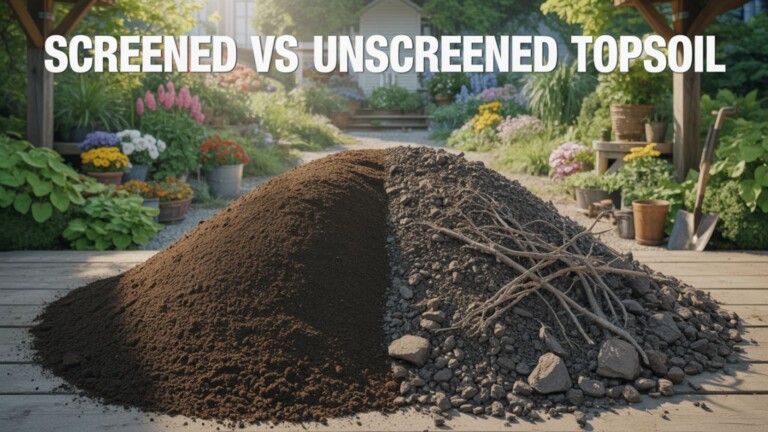
Garden beds and focal points benefit from strategic material pairing. Use landscaping rocks for erosion control and pathways on slopes while surrounding plantings with organic mulch that enriches the soil. Quality topsoil supports strong root development for plants, so invest in at least 6 inches of screened topsoil over native red clay when establishing new planting beds. Native plants thrive with less water and maintenance, making them a smart choice alongside ornamental grasses for year-round visual interest.
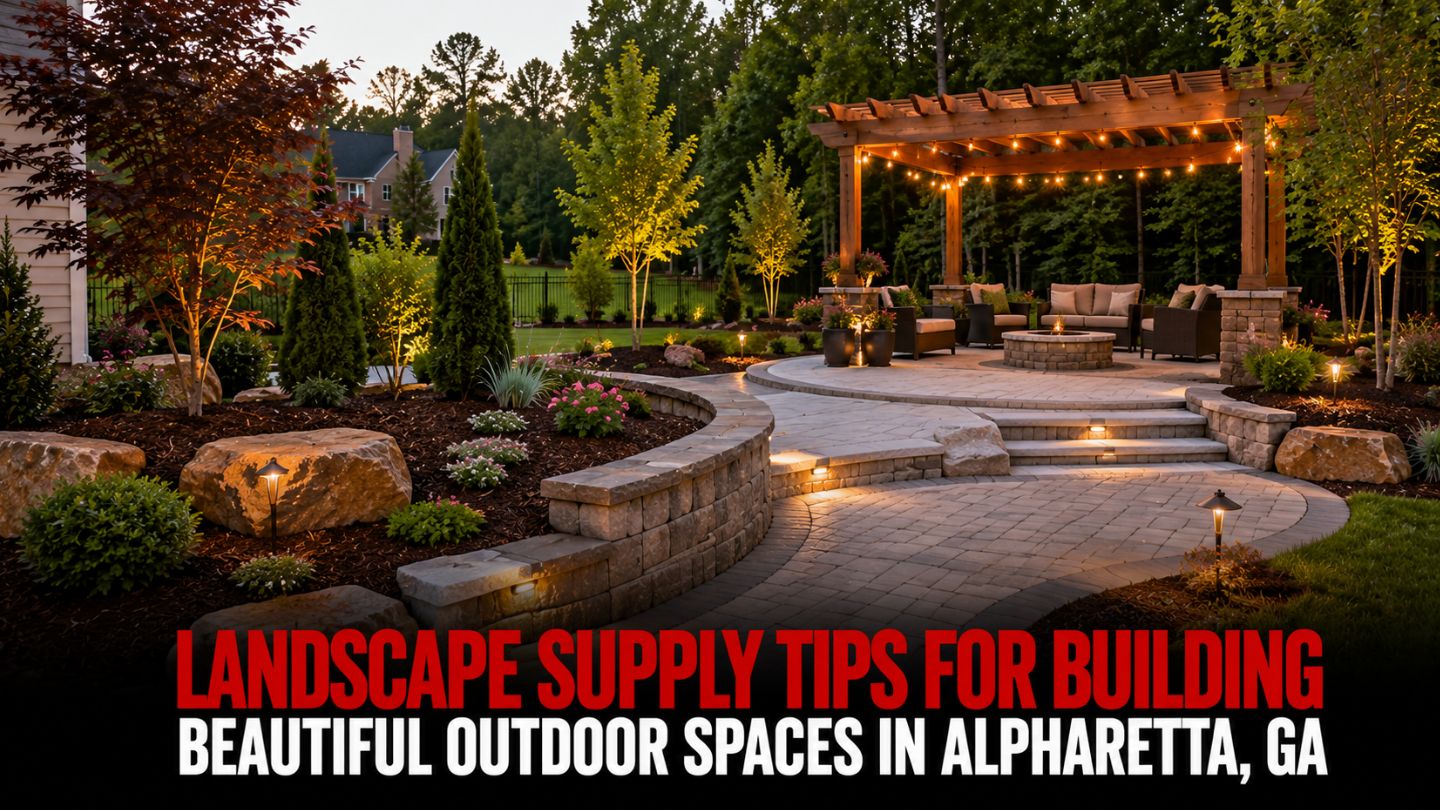
Hardscape elements like patios, rock pathways, and retaining walls anchor your outdoor living spaces and create structure. Retaining wall blocks manage slopes and prevent erosion, while flagstone set in decomposed granite joints creates elegant patio surfaces. Select gravel for pathways that balances aesthetics with footing safety – angular crushed stone provides better stability than smooth river rock. Using durable materials reduces long-term maintenance needs and ensures these features hold up under North Georgia’s freeze-thaw cycles.
Enhancing curb appeal is where material selection pays dividends in property value. Incorporate clean transitions between beds and lawn using edging, pavers, or stone borders to avoid mulch spills and maintain a polished overall appearance. Consider how landscape lighting interacts with your material choices – light-colored limestone and granite reflect light beautifully at night, while darker stones absorb heat during the day. Water features and elevated beds look dramatically better when underlain with proper gravel base material that prevents settling and uneven surfaces. Installation services can improve property value and curb appeal, and professional installation enhances the usability and aesthetics of outdoor spaces.
Bring Your Outdoor Vision to Life
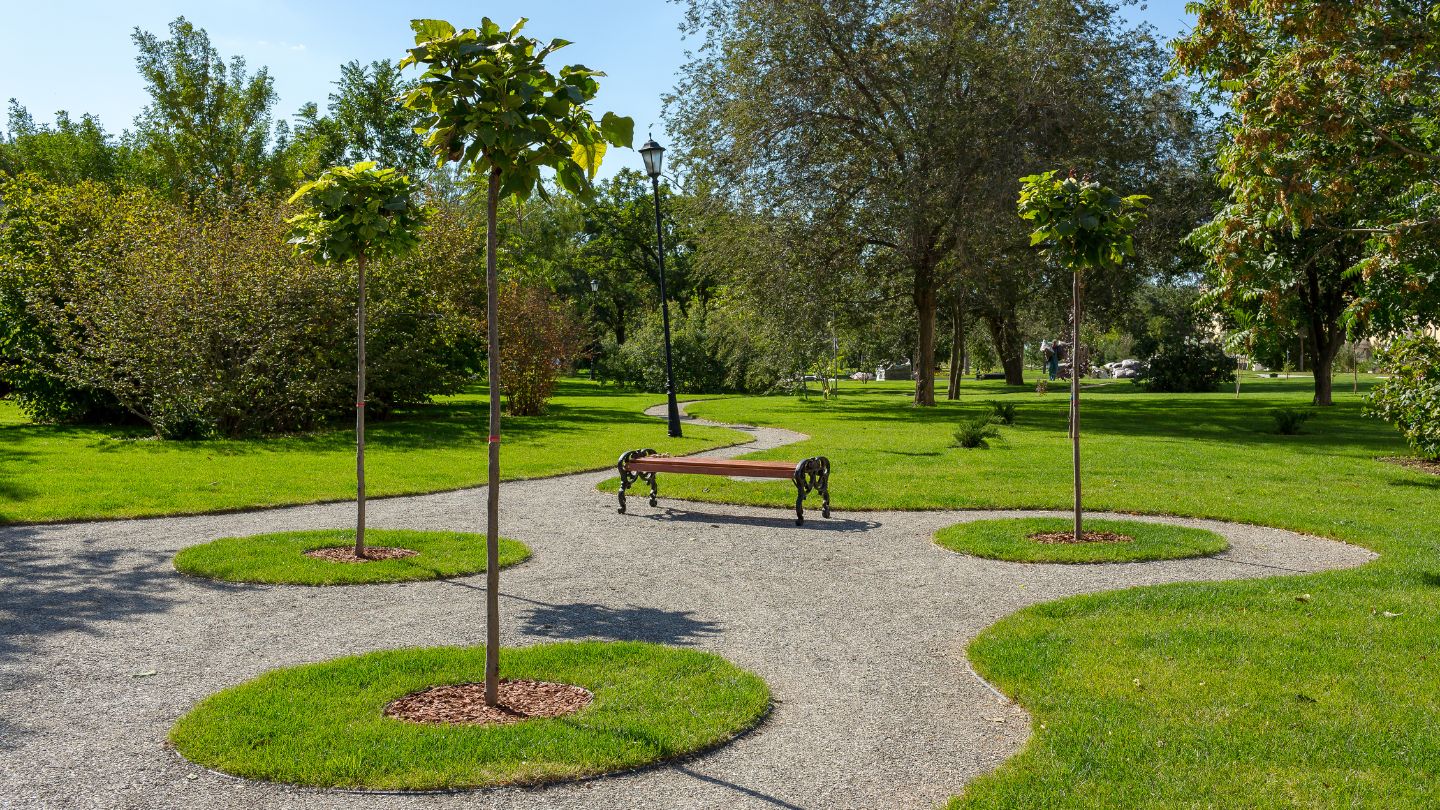
Creating a beautiful outdoor space starts with choosing quality landscape materials that enhance both appearance and long-term performance. Careful planning and the right supplies help improve curb appeal, support healthy plant growth, and create inviting landscapes that remain attractive and functional throughout every season.
Mulch Pros Landscape Supply is dedicated to providing quality products, reliable delivery, and outstanding customer service, including dependable landscape supply in Alpharetta. Whether you need mulch, firewood, soil, or pine straw, we have premium materials to support projects of every size. Contact us today and let us help you find the right materials to bring your landscaping project to life.
Frequently Asked Questions
What landscape materials work best for Alpharetta’s clay soil?
Alpharetta sits in the Piedmont region with acidic red clay soil that has 35–55% clay content in subsoil layers. Quality topsoil supports strong root development for plants, so add at least 6 inches of screened topsoil or garden mix above the native subsoil for new planting beds. Amending clay-heavy soil improves drainage in landscapes, and organic compost improves soil fertility. Choose suppliers with a wide range of materials to find the right combination of topsoil, compost, and mulch for your specific conditions.
How much mulch do I need for my garden beds?
Use a simple formula: measure length × width of your bed in feet, multiply by your desired depth in inches, then divide by 324 to get cubic yards. For example, a 200-square-foot bed at 3 inches deep needs approximately 1.85 cubic yards. Apply most organic mulches at 3–4 inches and pine straw at 5 inches. Use our mulch calculator for quick, accurate estimates and always add 10% for settling and compaction.
When is the best time to start a landscaping project in North Georgia?
Late winter through early spring (February–April) is ideal for soil preparation and material delivery before the growing season in surrounding North Georgia communities. Early fall (September–October) works well for establishing beds before cooler weather. Avoid mid-summer for heavy installations due to storms, high temperatures, and saturated clay soil that complicates delivery and grading.
What’s the difference between pine straw and traditional mulch?
Pine straw decomposes more slowly, is lighter to move and apply, adds acidity that benefits plants like azaleas and camellias, and interlocks to reduce soil erosion on slopes. Traditional wood mulch provides richer texture and more soil amendment as it breaks down, but may need more frequent refreshing and can compact or fade. Many homeowners in Alpharetta use both – pine straw around acid-loving shrubs and hardwood bark in prominent display beds.
How do I prepare my yard for bulk material delivery?
Clear the delivery area of vehicles, toys, and obstacles. Identify a flat, accessible spot near your project area where a dump truck can safely unload – ideally on a hard surface like a driveway. Confirm access width (most trucks need 10–12 feet). Lay tarps or plywood to protect lawn areas if needed. Many landscaping supply stores offer convenient delivery services, and Mulch Pros provides predictable delivery windows so you can plan accordingly.
Can I mix different types of gravel and stone in my landscape design?
Absolutely. Combining materials is a hallmark of professional landscape design. Use crushed limestone or granite base under pavers for stability, pea gravel or decomposed granite for pathway surfaces, and decorative river rock for dry creek beds or accent areas. Select aggregate gradation carefully – angular crushed stone provides better compaction for structural bases while rounded river rock works better for aesthetic features. Check online ratings for insights on supplier reliability before ordering specialty stone, as quality varies significantly between sources.