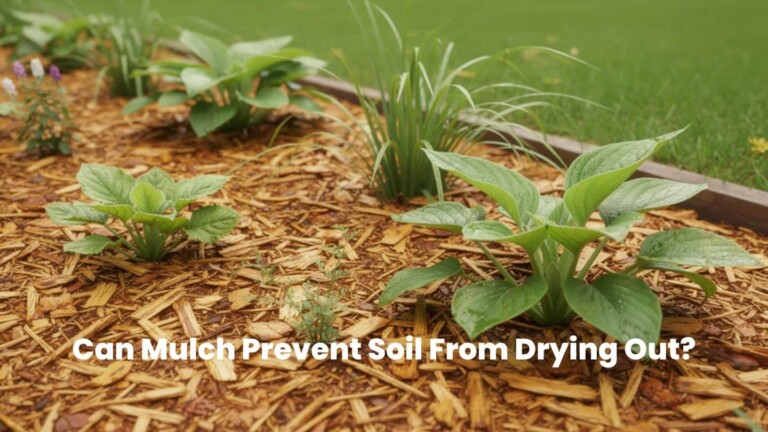
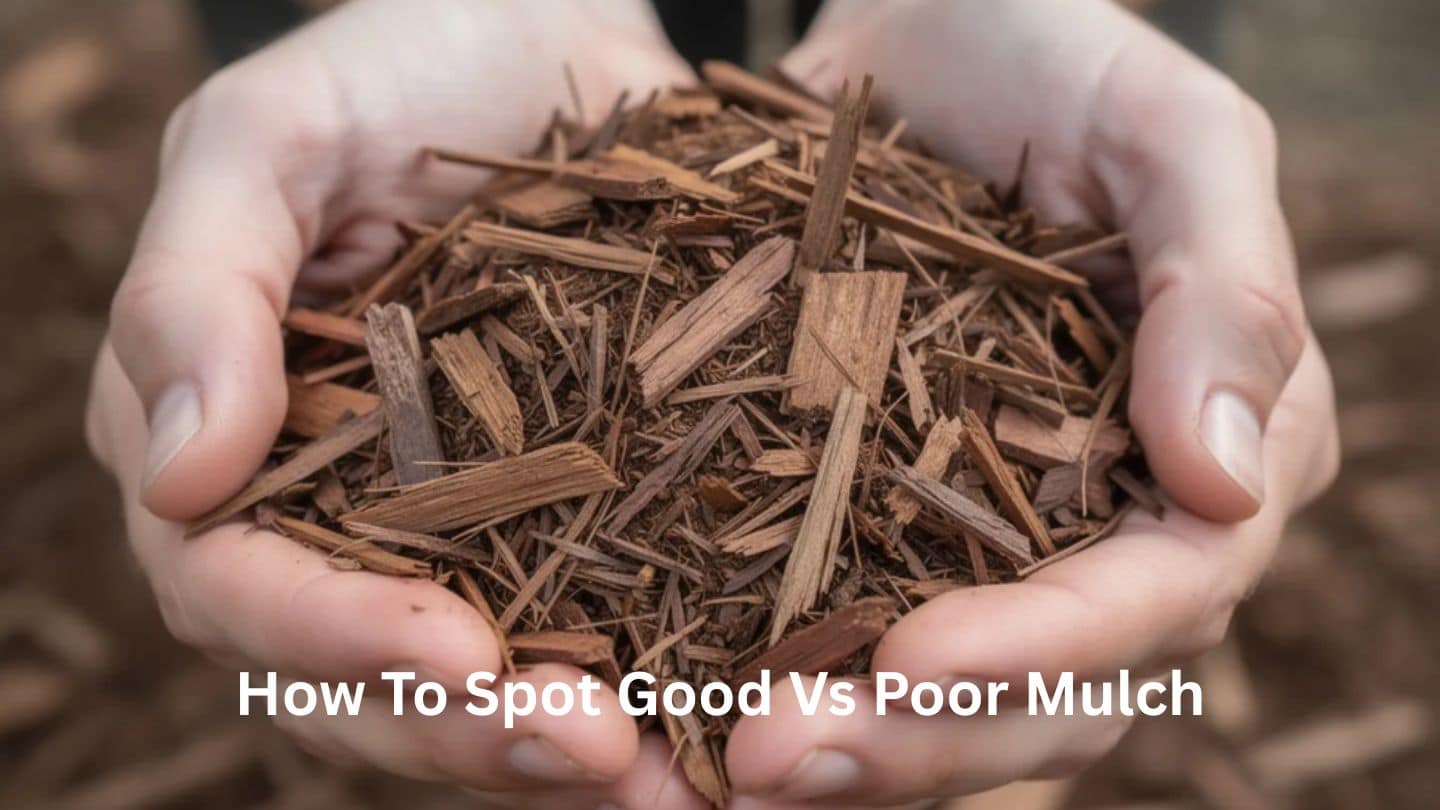

Mulch plays a bigger role in landscape health than many homeowners realize, affecting moisture retention, soil temperature, weed control, and overall appearance. Not all mulch products are created equal, and using the wrong type can lead to problems like mold, poor drainage, or nutrient imbalance. Knowing what to look for helps you make smarter choices before installation. Quality differences become obvious once you know the signs. In this blog, we break down how to recognize high-quality mulch and avoid materials that cause more harm than good.
Key Takeaways
- Good mulch smells earthy and fresh, like forest soil after rain, while poor mulch has sour, chemical, or ammonia-like odors that signal contamination or anaerobic decomposition.
- Quality mulch has uniform particle size (½–2 inch pieces), natural brown tones, and feels slightly moist, not dusty, soggy, or clumpy.
- Poor mulch often contains visible contaminants like painted wood, nails, plastic, weed seeds, or recycled construction debris that can harm plants and soil.
- Low-quality mulch can rob nitrogen from the soil, introduce pests and diseases, and even leach toxic substances near vegetables and young plants.
- Buying from reputable, certified suppliers and inspecting samples before purchase are the fastest ways to avoid bringing problems into your landscape.
Why Mulch Quality Matters for Your Garden
- High-quality organic mulch improves soil structure over 1–3 seasons by breaking down into rich organic matter, feeding beneficial microorganisms, and creating healthy soil conditions. Poor mulch, on the other hand, can cause root rot, lock up nutrients, or lead to plant decline.
- Mulch quality especially matters around trees, shrubs, vegetable gardens, and perennials planted within the last few years, root systems are still establishing and are more vulnerable to problems.
- The differences become most obvious during hot summers and cold winters. That’s when mulch is under stress, and your plants rely on it for protection against soil temperature swings and moisture loss.
- Spending slightly more on premium mulch in spring (March through May) typically saves money on plant replacement, pest control, and extra watering later in the year when paired with proper mulch maintenance and re-mulching practices.
Quick Visual Checks: What Good Mulch Looks Like
Appearance is the first and fastest way to judge mulch quality before you buy or spread it. A quick look can tell you a lot about what you’re getting.
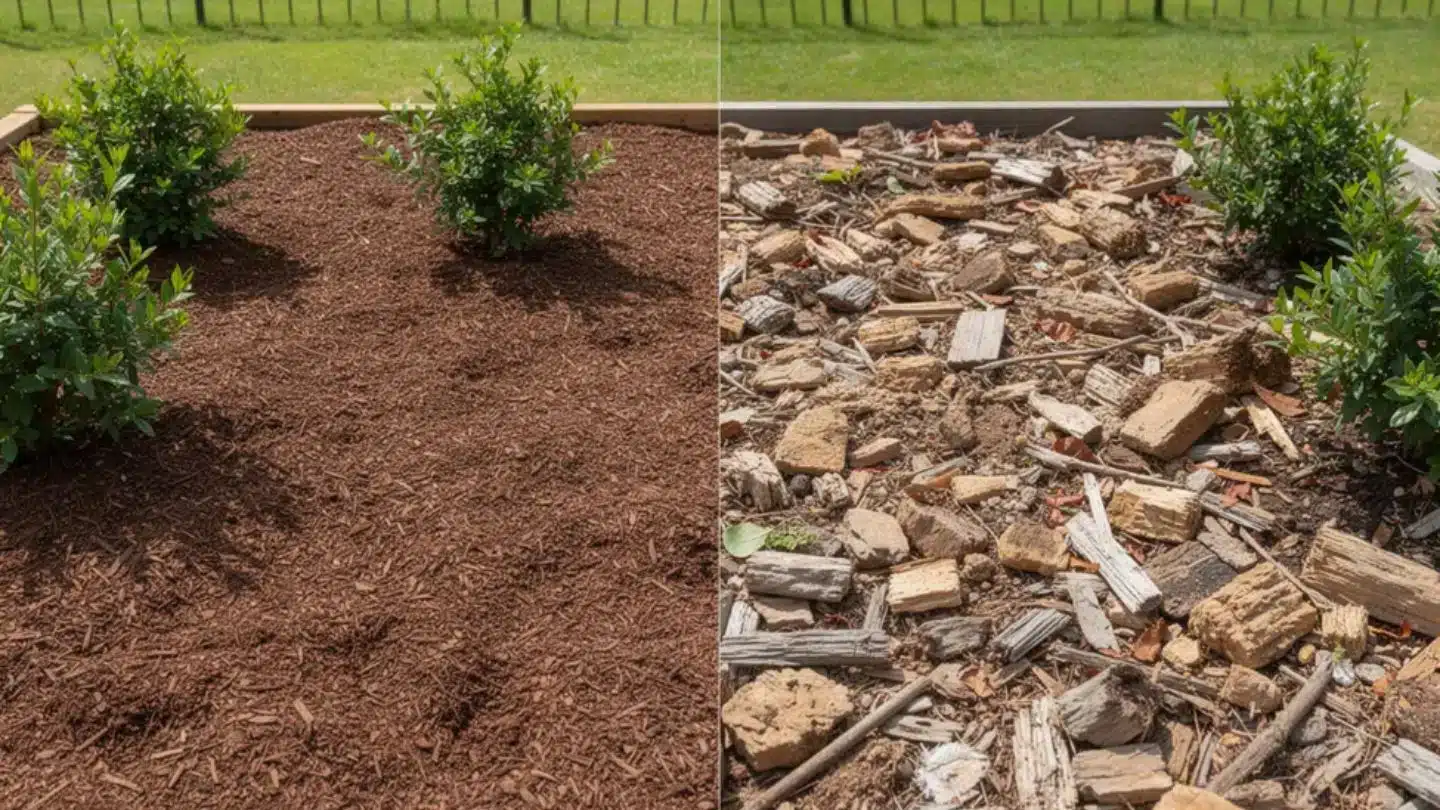
What good mulch looks like:
- Fairly uniform particle size, mostly ½–2 inch pieces
- A mix of fine material and medium chips, not dominated by large splinters or powdery dust
- Natural colors: various shades of brown and tan that look evenly toned
- Well-shredded bark or hardwood chips that interlock when spread
What poor mulch looks like:
- Visible contaminants: painted lumber, plywood flakes, nails, plastic, glass, or large stringy pieces
- Faded, grayish color from age or excessive weathering
- Random scrap lumber pieces mixed in with actual mulch
- Extremely inconsistent sizing with huge chunks alongside fine dust
If you’re looking at dyed mulch, rub a handful in your dry hands. High-quality colored mulch shouldn’t leave heavy pigment behind. If your palms come away stained, that’s a red flag.
The Smell Test: Healthy vs Problem Mulch
Smelling mulch is one of the most reliable ways to detect hidden problems. Your nose can catch issues that your eyes might miss.
| Smell Type | What It Means |
|---|---|
| Earthy, like fresh forest soil | Good quality, properly composted |
| Fresh wood or cedar fragrance | Quality material, especially cedar mulch or cypress mulch |
| Sour or vinegary (like silage) | Anaerobic decomposition can burn plants |
| Ammonia-like | Decomposition problems, possibly too wet |
| Rotten eggs | Sulfur compounds from oxygen-deprived conditions |
| Chemical, paint, or petroleum smell | Treated or recycled wood contamination |
What “sour mulch” means for your plants.
When mulch goes anaerobic (starved of oxygen in a poorly managed pile), it produces acids and alcohols that can burn plant roots and foliage if used immediately. This is a common problem with bulk mulch that’s been sitting in compacted piles too long.
If you visit a supply yard in spring or summer and catch a strong sour or chemical odor from a bulk pile, skip that load and choose another supplier. Fresh mulch should smell pleasant, or at least neutral.
Texture and Moisture: Feel the Difference
How mulch feels in your hand reveals whether it will spread well, decompose properly, or cause issues like matting and water runoff. Take a moment to grab a handful before committing to a purchase.
Good mulch texture:
- Slightly moist but not soggy
- Crumbles apart easily without forming clumps or mats
- Shredded bark has a fibrous feel that interlocks lightly on the soil surface
- Holds together loosely when squeezed, then falls apart
Bad mulch texture:
- Overly wet and slimy with clods that stick together (indicates poor storage or fungal issues)
- Very dry and dusty (old mulch that may blow away and won’t retain soil moisture)
- Forms a waterproof “carpet” that blocks water penetration
- Compacts into hard, impermeable layers
High-quality bark mulch and wood chips should create a mulch layer that allows water and air to reach plant roots while still suppressing weeds and regulating soil temperature, which also helps when estimating how much mulch you need for proper coverage.
Reading the Ingredients: What Your Mulch Is Really Made Of
Knowing exactly what materials are in your mulch, bagged or bulk, matters more than most people realize. Not all wood mulch is created equal. Good mulch ingredients like pine bark, cedar mulch, and shredded leaves also play a role in pest management, especially when considering which mulch choices help keep bugs away. Certified mulches from reputable brands should list ingredients clearly on the bag, along with any dye or additive information. Look for this before buying.
Ingredients to avoid:
- Vague labels like “recycled wood mulch” with no details
- Construction debris, pallets, or pressure-treated lumber
- Ground-up furniture or fencing
- Any mulch containing CCA-treated wood
When buying bulk, ask suppliers directly: Does your mulch include pallet wood, painted boards, or pressure-treated materials? Reputable suppliers from the soil industry will answer these questions honestly.
Good vs Poor Dyed Mulch
Black, brown, and red dyed mulches are popular for curb appeal, and there’s nothing wrong with colored mulch when it’s done right, especially when understanding the materials behind black mulch uses and benefits. The key is knowing the difference between quality dyed products and cheap imitations.
Signs of good dyed mulch:
- Uses natural wood fiber as the base material
- Colorants are iron oxide or carbon-based (safe for plants)
- Chips still look like clean, recognizable wood
- Color is even and natural-looking, not neon or unnaturally intense
- Doesn’t bleed heavily when sprinkled with water
Signs of poor dyed mulch:
- Made from recycled lumber, pallets, or demolition wood
- Contains remnants of paint, glue, or unknown treatments
- Extremely bright red mulch or jet-black pieces with splintery, irregular shapes
- Stains sidewalks and driveways badly after rain
- Strong chemical smell masked by dye
Remember: the dye itself isn’t usually the problem. It’s what’s underneath the dye that matters. Low-grade dyed mulch often contains non-organic chemicals and toxic substances from its source materials.
Organic Mulch: Signs of Healthy Decomposition
Organic mulch is supposed to break down slowly and add organic matter to your soil. Watching this process helps you judge whether you bought good stuff.
Signs of healthy decomposition:
- Mulch gradually darkens over 6–18 months
- Particles get smaller and blend into the soil
- Underlying soil becomes looser, darker, and richer
- White, thread-like fungal mycelium appears in the mulch layer (this is good!)
- You may notice beneficial microorganisms at work
Signs of poor decomposition:
- Mulch disappears unevenly, leaving hard chunks behind
- Creates a dense, waterproof crust on the surface
- After a full growing season, it still looks like raw, bright wood scraps
- No crumbly fines developing underneath
- Slime molds or unusual fungal growth with unpleasant odors
Don’t panic if you see white powdery mass or thread-like fungi in your mulch, most of the time, this indicates healthy decomposition. However, unusual fruiting structures or foul smells suggest a problem.
Poor Mulch Red Flags: What to Avoid Immediately
Certain warning signs mean mulch should not be used, especially around food crops, native plants, and young plants still establishing their roots.
Walk away if you see:
- Metal pieces, nails, or hardware mixed in
- Plastic shards, glass, or drywall bits
- Colored furniture chips or painted wood
- Very large chunks, long stringy boards, or obvious plywood flakes
- Anything that looks like ground construction waste
Walk away if you smell:
- Strong petroleum or chemical odors
- Heavy paint or preservative smells
- Intense sour or rotten notes
Walk away if you feel:
- Hands feeling itchy or irritated after brief contact
- Residue that won’t wash off easily
These signs indicate contaminated material that’s ecologically harmful and potentially dangerous to soil or plant health.
How to Recognize Contaminated or Treated Wood in Mulch
Some recycled mulches can contain pressure-treated wood, which gardeners should avoid near vegetable gardens, an organic garden, and children’s play areas.
Visual signs of treated or painted wood:
- Greenish tint (common in older CCA-treated lumber)
- Blue or gray streaks
- Paint color visible on splinters
- Small attached metal hardware (staples, screws, nails)
Materials that don’t belong in garden mulch:
- Plywood pieces
- Oriented strand board (OSB)
- Particle board
- Old decking, fencing, or furniture
CCA-treated wood (arsenical copper chromate), commonly used before 2003 for decks and play sets, can leach arsenic into soil. This is particularly concerning for veggie garden applications and anywhere children play.
Mulch and Weeds: Quality vs Weed Pressure
Good mulch should significantly reduce weed growth, but it’s not a cure-all, and quality directly affects how well it performs for weed control.
What good mulch does:
- Blocks light to prevent weeds and inhibit weed germination
- Is screened by reputable suppliers to minimize viable weed seeds
- Creates a dense mulch layer that’s difficult for weeds to penetrate
- Stays in place without shifting and creating gaps
What poor mulch does:
- May contain weed seeds from field weeds or lawn clippings with mature seed heads
- Includes fragments of aggressive perennials like bindweed
- Shifts and creates gaps where weeds emerge easily
- Actually introduces new weed problems to your garden beds
Test for contamination: If a new mulch layer applied in spring results in a sudden flush of unfamiliar weeds within a few weeks, the mulch itself is likely the source.
Maximize weed suppression by:
- Removing existing weeds before applying mulch
- Using a thin layer of newspaper or cardboard as a ground cover underneath
- Avoiding landscape fabric or plastic weed barriers long-term (they compact soil)
- Applying 2–3 inches of quality mulch to suppress weeds effectively
Spotting Age and Storage Problems in Bulk Mulch
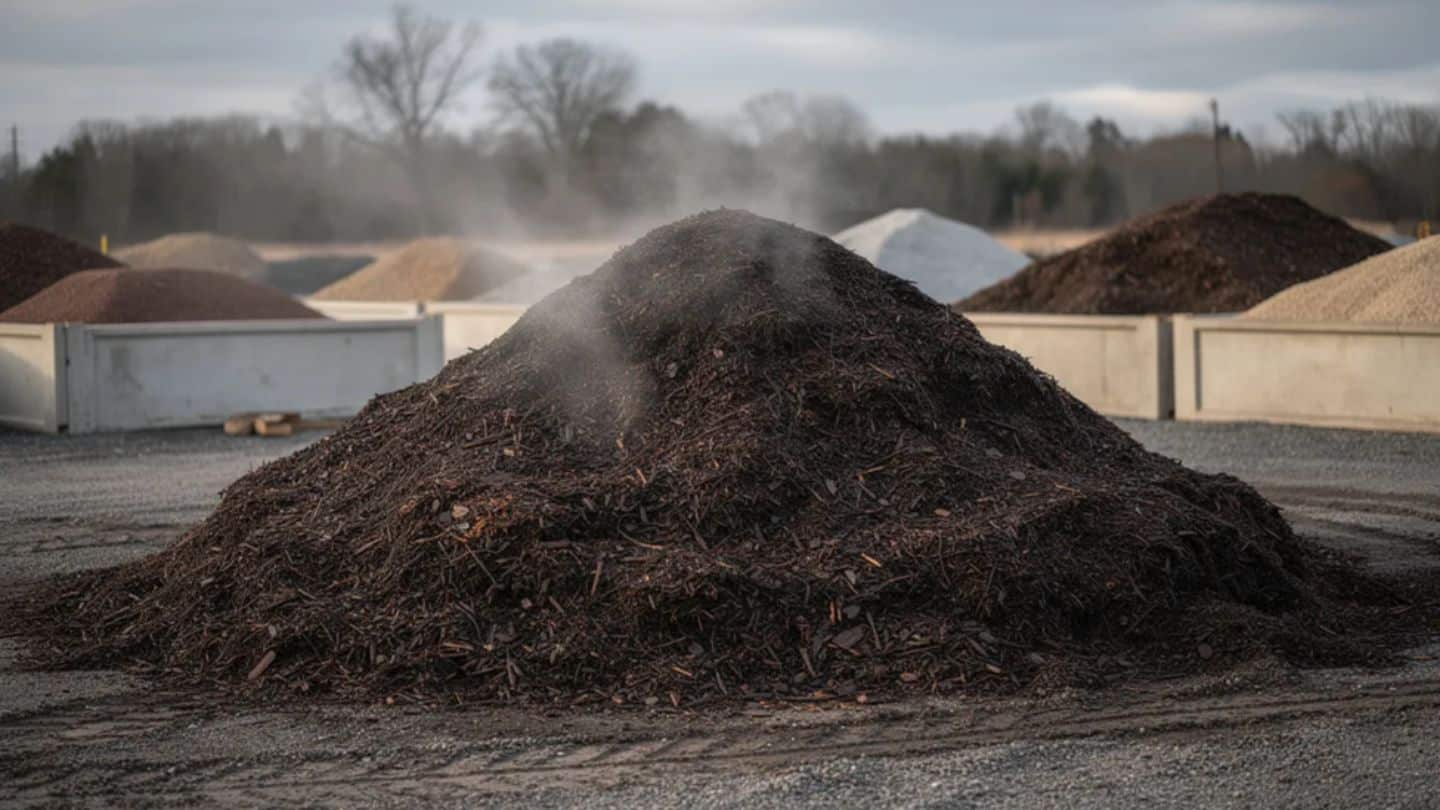
Even good mulch ingredients can become poor-quality mulch if stored improperly. Here’s what to look for when buying bulk.
| Storage Sign | What It Means |
|---|---|
| The pile is moderately warm inside. | Normal decomposition, good sign |
| Steaming hot pile | Maybe too fresh or poorly managed |
| Gray, crusty exterior | Weathered, possibly old stock |
| Slimy layers or black pockets | Anaerobic conditions, sour mulch |
| Standing water around the base | Poor drainage, quality issues |
| Foul odors from the interior | Decomposition problems |
What good storage looks like:
- Piles turned regularly
- Stored on well-drained surfaces
- Protected from constant soaking rain
- Sold within a reasonable timeframe
Avoid mulch that:
- Has been sitting untouched for over 12 months
- Shows signs of compaction throughout
- Has visible mold colonies or artillery fungus
- Smells sour when you dig into the pile
Fresh mulch from a well-managed supplier will look, smell, and feel noticeably different from old, neglected stock.
Choosing Materials That Support a Healthier Landscape
Recognizing the difference between good and poor mulch protects your plants, soil, and long-term landscape investment. Quality mulch improves moisture retention, suppresses weeds, and enriches soil as it breaks down, while inferior materials can introduce odors, contaminants, and plant stress. Informed selection leads to healthier, more resilient outdoor spaces.
At Mulch Pros, we help homeowners and contractors source dependable materials with confidence, including high-quality mulch in Milton for gardens, beds, and large landscape projects. A well-rounded landscape plan often combines firewood, pine straw, soil, gravel, and sand to support both functional and aesthetic needs throughout the property. If you’re ready to upgrade your outdoor spaces with reliable products and expert guidance, we’re here to help you choose the right materials.
Frequently Asked Questions
Can I fix sour or smelly mulch, or do I need to throw it away?
Sour mulch can sometimes be saved by spreading it thinly and turning it every few days for one to two weeks to reintroduce oxygen. If the smell becomes neutral or earthy, it can be reused in low-risk areas. Persistent odor means disposal is best.
Is it safe to use free municipal mulch from my city or county?
Municipal mulch can be safe when properly composted, but quality varies. Inspect for earthy smell, lack of contaminants, and sufficient aging before use. Freshly ground material may need more curing time, especially before applying it around vegetables or sensitive plants.
How often should I replace or top up good-quality mulch?
Most organic mulches should be refreshed every one to two years as they decompose. Maintain a depth of two to three inches and rake existing mulch before topping up. Avoid exceeding four inches, as excessive depth can trap moisture and harm plant roots.
Can poor mulch be used anywhere instead of being discarded?
Low-quality mulch without chemical contamination may be suitable for non-plant areas like paths or slopes. However, mulch containing treated wood or unknown materials should not be reused anywhere. Using contaminated mulch risks long-term soil and plant damage.
How do I know if mulch is hurting my plants after it’s already applied?
Warning signs include yellowing leaves, wilting in moist soil, persistent sour odors, or abnormal fungal growth near plants. If these appear, pull mulch away from stems, aerate the soil, and replace it with clean, high-quality mulch from a reliable source.