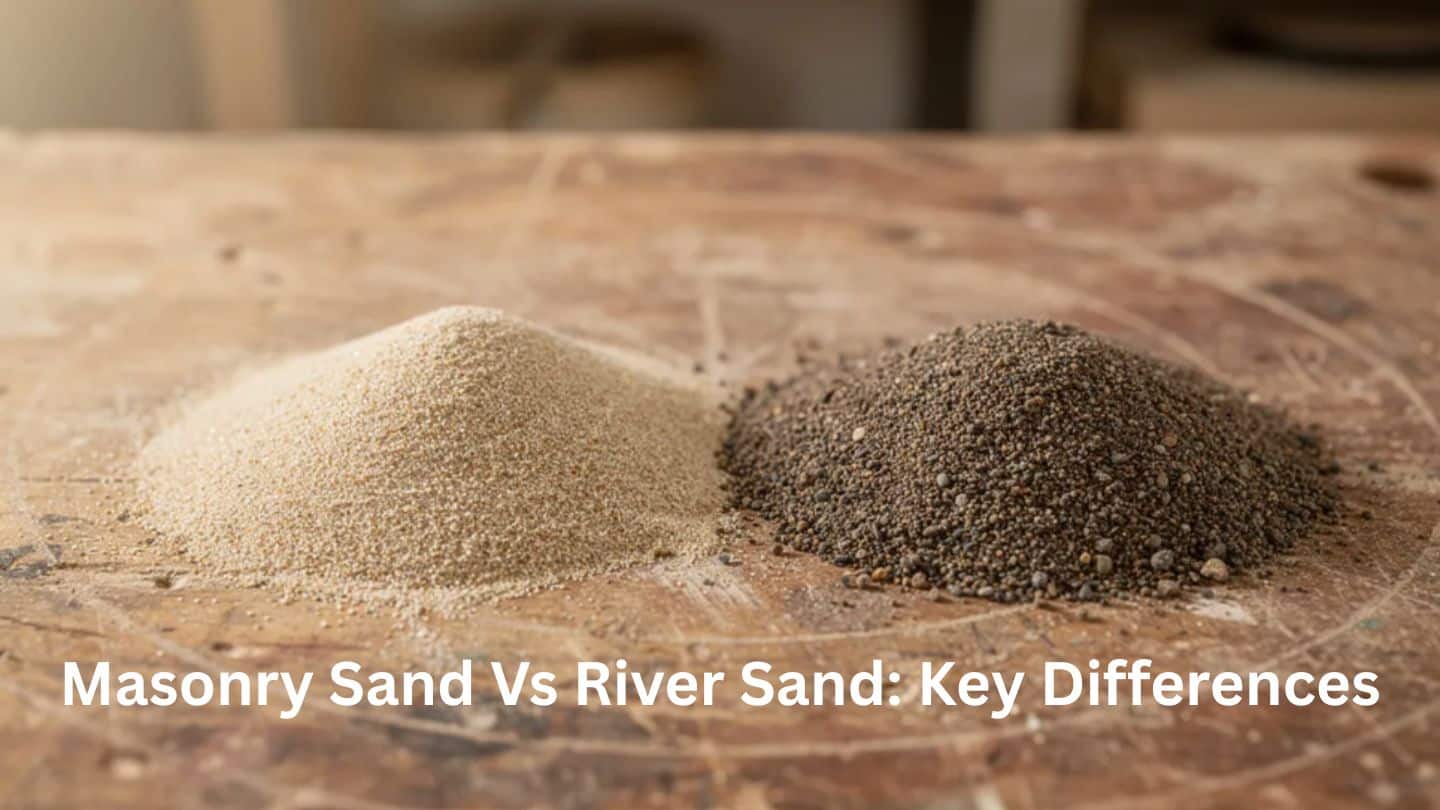

Choosing the right type of sand is just as important as selecting the right stone or base material for your project. Whether you’re laying pavers, mixing mortar, improving drainage, or preparing a concrete base, understanding the differences between masonry sand and river sand can prevent costly mistakes. While both materials may look similar at first glance, they vary significantly in texture, strength, drainage performance, and intended use. Selecting the wrong sand can lead to cracking, shifting surfaces, or poor water flow. In this blog, we break down masonry sand vs river sand and explain the key differences you need to know.
Key Takeaways
- Masonry sand is manufactured, fine, and uniform, ideal for mortar, paver bedding, and smooth finishes. River sand is naturally sourced, more variable in particle size, and better suited for drainage and general fill.
- Choosing the wrong sand can lead to cracking mortar joints, poor drainage, or uneven surfaces in patios and walkways.
- Building codes like ASTM C-144 typically apply to masonry sand used in structural applications, while river sand may not meet the same specifications.
- River sand generally costs less due to minimal processing, but masonry sand offers more predictable results, load to load.
- Environmental considerations matter: river dredging faces stricter regulations in many regions, making manufactured sand an increasingly popular alternative.
Introduction: Why the Right Sand Type Matters
If you’ve ever searched “masonry sand vs river sand key differences” before ordering materials for a patio, walkway, or masonry work, you’re not alone. Both sand types have been widely available and sold in bulk from landscape yards and quarries for decades, but they serve different purposes. Understanding those differences before you order can save you from drainage headaches, weak mortar joints, or surfaces that shift over time.
Professional contractors typically specify the sand type in their project estimates for good reason. The right sand type affects everything from how well your pavers settle to how long your mortar joints last. This guide breaks down what sets these materials apart and helps you pick the best option for your construction project.
What Is Masonry Sand?
Masonry sand, also called mason sand or brick sand, is a manufactured, fine, washed sand designed primarily for mortar, pavers, and finish work. It’s produced by crushing harder rocks like granite, limestone, or similar stone, then washing and screening the material to achieve a consistent particle size. Its color typically ranges from light tan to off-white, which provides a clean, uniform look for joints and surface finishes.
Here’s how masonry sand is typically produced and sourced:
- Created by crushing larger rocks (often crushed granite or limestone) at local quarries
- Washed thoroughly to remove silt, clay, and organic debris
- Screened to achieve a uniform grain size that meets industry standards
- Sourced regionally from quarries rather than riverbeds
- Available year-round with consistent quality from load to load
Key Characteristics of Masonry Sand
Masonry sand stands out for its fine, uniform texture. The grains are relatively small and similar in size, with minimal stones or larger particles mixed in. This consistency comes from the thorough washing process that removes silt, clay, and organic matter, improving bonding strength and reducing staining in mortar and concrete.
When it comes to workability, masonry sand blends smoothly with Portland cement and lime. The result is a cohesive, easy-to-trowel mortar or bedding layer that spreads evenly. This makes it ideal for tight joints in brick, block, and stone work, as well as for laying pavers and creating smooth, level bases.
Because masonry sand is manufactured and processed to strict specifications, it tends to be more predictable than natural river sand. You can expect similar texture and performance from one delivery to the next.
Common Uses for Masonry Sand
- Brick and block mortar for walls, chimneys, and structural applications
- Stone veneer, mortar, and joint filling for pavers and retaining walls
- Paver bedding where a smooth, level surface is critical
- Pool deck bases and leveling under patio stones
- Volleyball courts, golf course bunkers, and man-made beach surfaces
- Playground sand areas where local codes allow fine, soft textures
- Visible or finished surfaces where a consistent, clean appearance matters most
What Is River Sand?
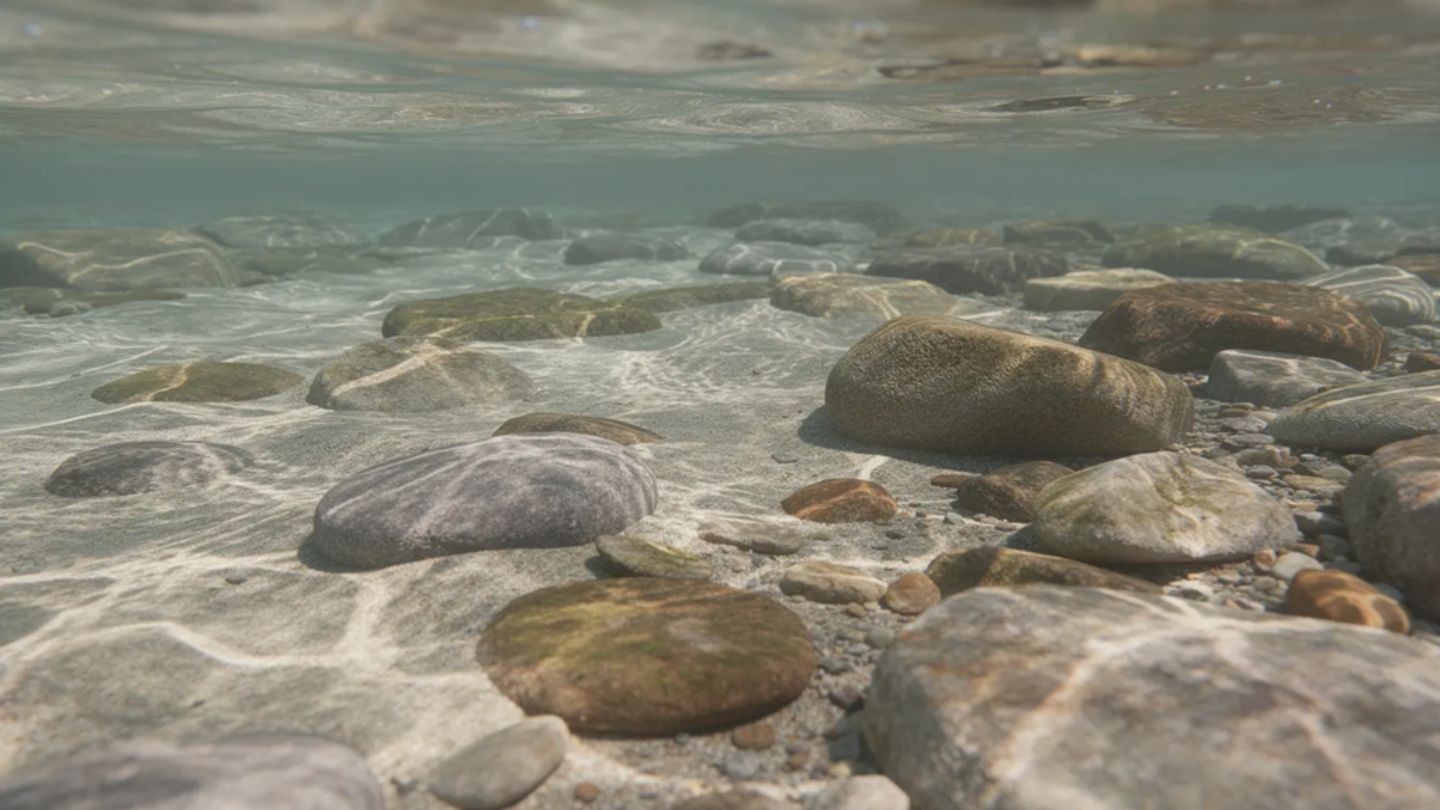
River sand is a naturally occurring material deposited in riverbeds and floodplains over thousands of years through weathering and erosion. It’s typically mined from active or ancient river channels, then washed and screened, though not as finely controlled as masonry sand.
The grains in river sand are usually rounded or sub-rounded due to water transport. You’ll often find a mix of sizes from fine to coarse, along with small pebbles and natural minerals.
Environmental regulations in many states and provinces (particularly post-2000) now limit where and how river sand can be dredged, which affects availability in some markets.
Key Characteristics of River Sand
The naturally rounded particles and mixed gradation of river sand generally promote good drainage and compaction for sub-bases. Unlike the uniform fine particles in masonry sand, river sand typically contains more variation in grain size and occasional small pebbles.
Washing reduces clay and organic content, but river sand may still have slightly higher fines than high-spec masonry sand, depending on the source. This natural variation can make concrete mixes and mortar slightly less predictable unless your supplier provides a consistent, graded product.
Some landscape designers actually prefer river sand’s texture for pathways and seating areas. The subtle variation adds a more natural, organic appearance compared to the uniform look of processed sand.
Common Uses for River Sand
- Trench backfill, slab bases, and footing support for various construction tasks
- Sub-bases for driveways, walkways, and patios where drainage matters
- French drains, underlayment for retaining wall drainage, and around perforated pipes
- Soil amendment for heavy clay soils in lawns, sports fields, and garden beds
- Topdressing for grass to improve drainage and level low spots
- Informal pathways and naturalistic landscaping features
- Beach restoration projects and play areas where coarser sand is acceptable
- General fill material for leveling, especially when the budget is a major concern
Contractors reviewing the top benefits of using sand and gravel for landscaping often prioritize river sand for drainage layers, pathways, and decorative landscape features.
Side-by-Side Comparison: Masonry Sand vs River Sand
Understanding how these different sand types stack up against each other helps you make the right call for your specific project. Here’s a direct comparison across the criteria that matter most:
- Texture and Gradation: Masonry sand delivers fine, uniform grains with minimal size variation. River sand includes mixed particle sizes, from fine to coarse, with naturally varied gradation that creates more open spacing between grains.
- Cleanliness: Masonry sand is tightly controlled for silt and clay content through manufacturing processes. River sand cleanliness depends heavily on local supplier processing; some sources deliver clean sand, while others may contain more fines or organic material.
- Drainage Performance: River sand generally drains better thanks to its varied particle sizes, which create natural channels for water flow. Masonry sand drains adequately but compacts more tightly, which can reduce permeability by 20-30% compared to well-graded river sand.
- Strength and Workability in Mixes: Masonry sand produces smoother, more predictable mortar joints that meet ASTM standards for structural applications. River sand can work in concrete mixtures, but it may yield rougher, less consistent joints, not ideal for code-inspected masonry work.
- Appearance: Masonry sand is best for clean, uniform, light-colored finishes in visible areas. River sand offers a more natural, sometimes speckled look that works well for landscaping and informal surfaces.
- Cost and Availability: In many markets, river sand runs slightly cheaper per ton due to less processing. However, the price difference is usually modest compared to overall project costs, and availability can vary based on local dredging regulations.
Choosing the Right Sand for Your Project
The “best” sand depends entirely on what you’re building. Here’s practical guidance for common applications:
- For Masonry Work (Brick, Block, Stone): Stick with masonry sand that meets ASTM C-144 or your local equivalent. The consistent grain size and low clay content ensure reliable mortar performance and a solid foundation for structural walls.
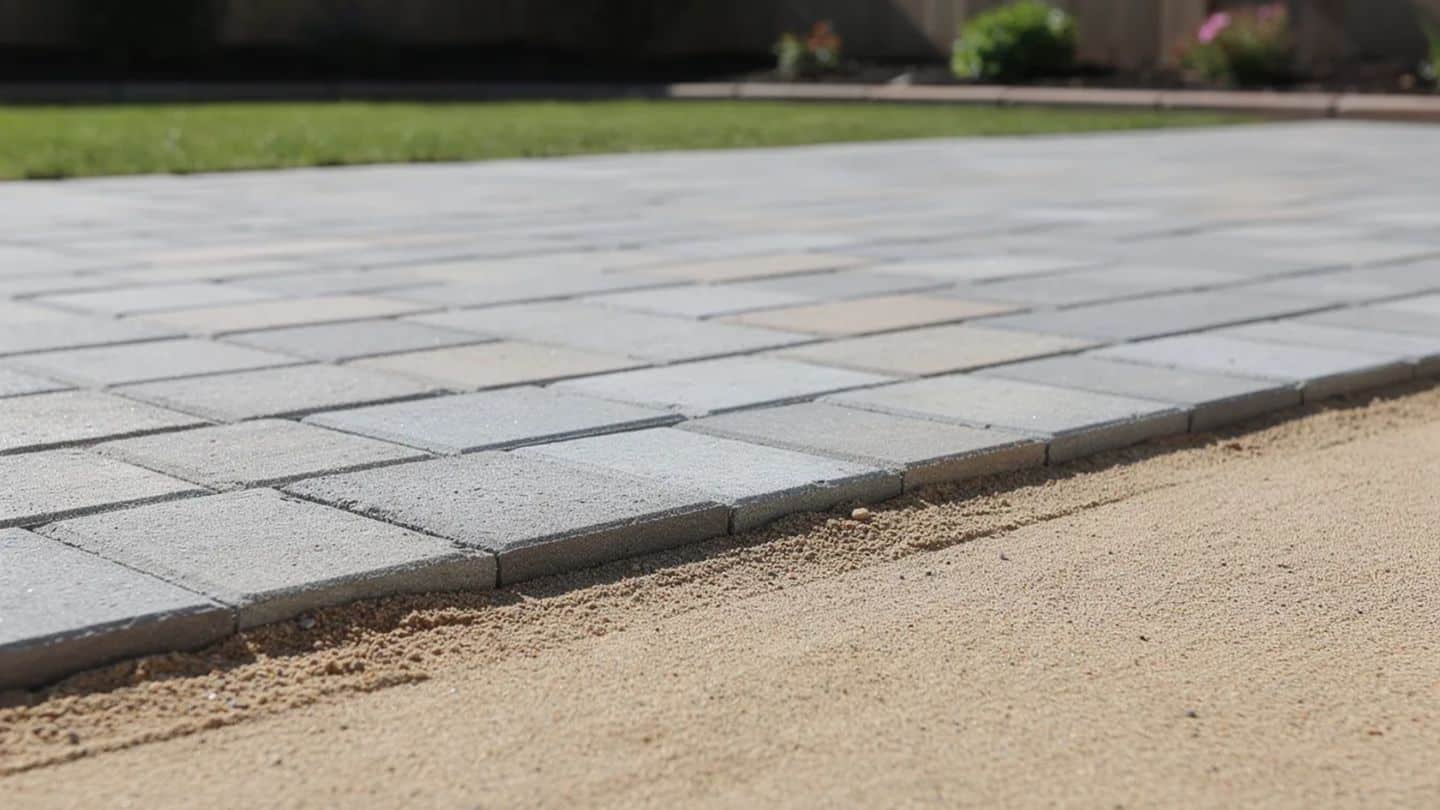
- For Pavers and Patios: Use masonry sand for bedding and joint sand when a smooth, level surface is critical. Consider river sand beneath as a deeper base layer, where local practice supports it, and better drainage can reduce frost heave in colder climates.
- For Drainage and Backfill: River sand (or similar well-graded sand) is the better option under slabs, around pipes, and behind retaining walls. The varied particle sizes create the drainage channels you need to prevent water buildup.
- For Landscapes and Lawns: River sand works well as topdressing and soil amendment where you’re improving drainage or breaking up clay soils. It’s cost-effective for large areas where precise uniformity isn’t required.
- For Man-Made Beaches, Volleyball Courts, and Play Areas: Choose fine masonry sand or other purpose-graded play sand for comfort and aesthetics. The smooth grains feel better underfoot and create the soft texture people expect. Check local regulations for waterfront installations.
When selecting sand for code-regulated construction work, ask your supplier for gradation data or test reports to confirm you’re getting the specified material.
Quality, Sourcing, and Environmental Considerations
Not all sand is equal; quality depends on quarry practices, washing, and screening. A supplier’s attention to these details makes the difference between materials that perform as expected and materials that cause problems down the road.
Clean sand with low clay content is essential for structural and masonry work. Excessive clay or silt can cause efflorescence (those white stains on brick), shrinkage cracks, and weak mortar joints that fail prematurely.
Environmental Impact of River Sand
River sand extraction carries environmental considerations that have led to stricter regulations since the early 2000s:
- Riverbank erosion from dredging operations
- Habitat disruption for aquatic species
- Regulations limiting extraction locations and volumes
- Increased costs as accessible deposits become restricted
Manufactured sand (M-sand) offers an alternative. It is sometimes used by-products from crushed stone operations, reducing the need for river dredging while providing consistent quality.
When ordering, look for suppliers who follow local environmental rules, provide material data sheets, and are transparent about their source. Note that “river sand” on some price lists may actually be a blend or processed natural sand from old floodplain deposits; verify with your supplier if the distinction matters for your project.
Cost and Practical Ordering Tips
While price often drives decisions, the wrong sand can lead to expensive repairs or rework that costs far more than the initial savings. That said, river sand typically runs less expensive per ton than masonry sand because it requires less fine screening and processing.
Estimating Quantity
Use this simple formula: (Square footage × desired depth in inches) ÷ 324 = cubic yards needed
For example, a 200 square foot patio with 2 inches of sand bedding: (200 × 2) ÷ 324 = approximately 1.2 cubic yards
Ordering Tips
- Add 5-10% overage to account for compaction and grading adjustments
- Coordinate delivery timing with weather, as heavy rain can wash away or saturate loose piles
- Schedule delivery when your contractor is ready to use materials promptly
- Inspect sand on arrival for excessive clay lumps, organic debris, or color inconsistencies
- Store on a clean surface or tarp to prevent contamination with soil
Installation Considerations: Masonry Sand vs River Sand on Site
Proper installation techniques vary depending on which sand type you’re working with. Getting this right ensures your project stands the test of time.
Installing Masonry Sand as Paver Bedding
- Spread in a thin, even layer (about 1 inch thick)
- Screed smooth using rails and a straight board
- Avoid over-watering before compaction
- Keep dry and store on clean surfaces to prevent contamination
Installing River Sand as a Base Layer
- Place in lifts of 2-4 inches at a time
- Moisten lightly before compacting
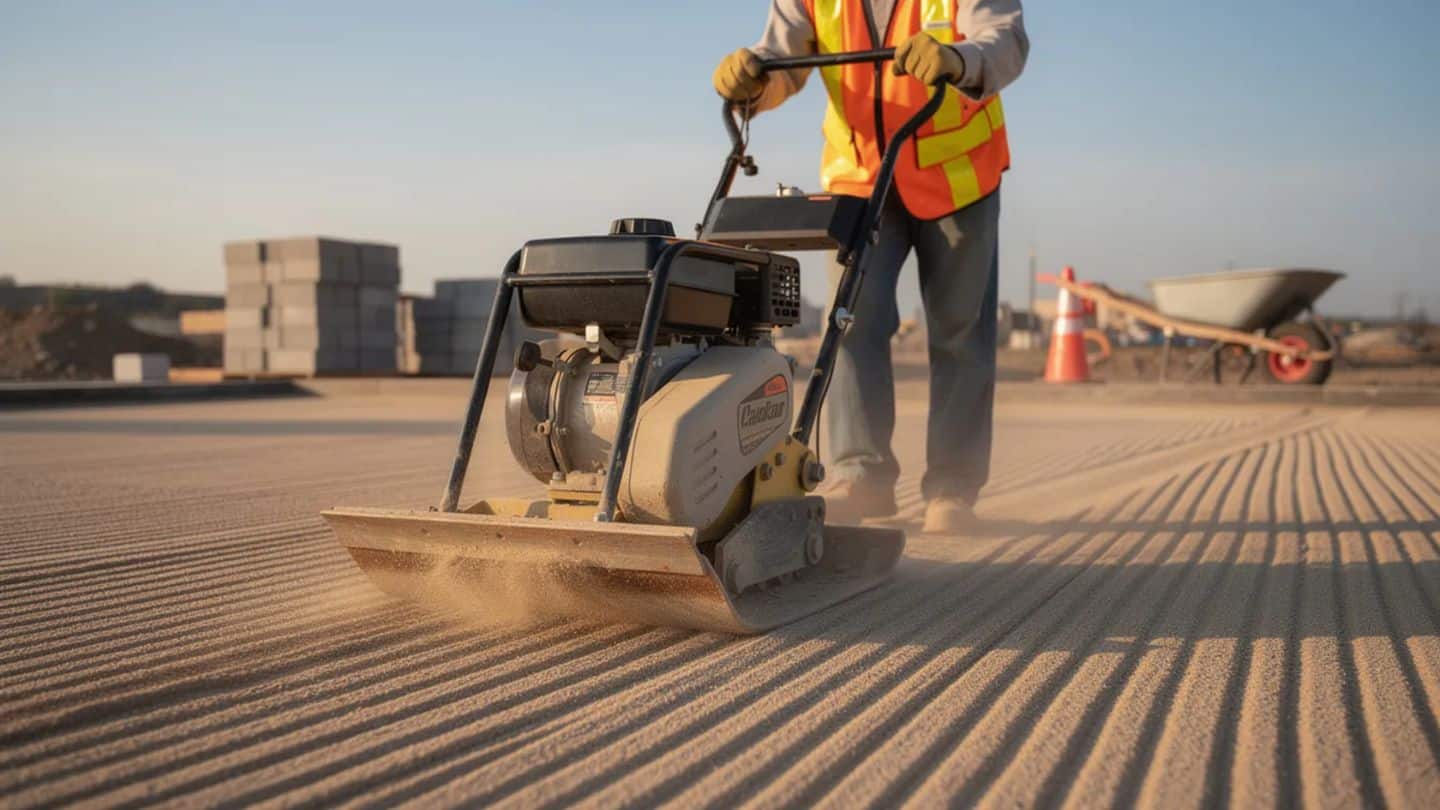
- Use a plate compactor for a stable, solid base support
- Allow proper drainage pathways to remain open
General Best Practices
Both sand types should be protected from runoff and erosion during storms. This prevents material loss and keeps sediment out of storm drains. Cover piles with tarps when rain is expected.
In cold climates, well-drained river sand bases below patios and slabs can actually reduce frost heave compared to poorly draining soils or highly compacted fine sands. The drainage prevents water from collecting and expanding when temperatures drop.
For mortar mixing, keep masonry sand dry and clean. Any soil or organic matter contamination can weaken your mix and cause problems with durability over time.
Final Thoughts
Choosing between masonry sand and river sand can directly impact the strength, drainage, and long-term performance of your project. While both materials are commonly used for patios, pavers, mortar, and base preparation, they differ in texture, consistency, and ideal applications. Masonry sand is manufactured, fine, and uniform, best suited for mortar and smooth finishes, while river sand is naturally sourced, more varied in particle size, and often preferred for drainage and base layers. Understanding these differences helps prevent cracking, poor compaction, and costly repairs.
At Mulch Pros, we provide quality materials for contractors and homeowners seeking a dependable landscape supply in Alpharetta. In addition to sand products, we supply premium mulch, fresh pine straw, nutrient-rich soil, and reliable firewood to support complete residential and commercial outdoor projects.
Frequently Asked Questions
Can I substitute river sand for masonry sand in mortar?
While some older structures used locally available river sands in mortar, modern building codes and best practices typically require masonry sand meeting ASTM C-144 or similar specifications. Using ungraded river sand in mortar can lead to weak joints, poor workability, and uneven texture, and may not pass inspection on permitted projects. Check local code requirements and consult your engineer or building official before substituting.
Is masonry sand or river sand better under concrete slabs?
Many contractors prefer a well-draining, well-compacted sand or sand-gravel mix for slab sub-bases, typically closer in behavior to river sand. Masonry sand works in thin leveling layers, but as a deep base, it compacts more tightly and drains less freely than graded natural sand. Follow local engineering standards or your ready-mix supplier’s guidance for base materials.
Which sand is safer for play areas and sandboxes?
Purpose-made play sand, often similar in texture to masonry sand, is generally recommended for children’s sandboxes. It should be washed, screened, and labeled as safe for play with low dust and no known contaminants. Avoid using untested river sand from informal sources for children’s areas due to potential debris and contaminants.
Will using river sand instead of masonry sand really affect drainage that much?
Drainage differences become more noticeable in thicker layers and larger areas like patios, driveways, and lawns. The mixed particle sizes and more open structure of river sand help water move through more efficiently than very fine, tightly packed masonry sand. That said, proper grading and overall base design matter as much as sand type for long-term drainage performance.