
Healthy, vibrant plants start with the right foundation, and that foundation is found in the soil beneath them. The quality of your soil determines how well your garden grows, influencing everything from root strength to nutrient absorption. Many gardeners overlook the importance of this layer, focusing instead on watering and sunlight. However, the true secret to lush growth often lies just below the surface. In this blog, we’ll explore what makes topsoil so important and how it supports a thriving garden.
Key Takeaways
- Topsoil, the uppermost layer of soil, is essential for providing nutrients, moisture retention, and supporting plant root development, making it critical for successful gardening.
- There are distinct differences between topsoil, garden soil, and potting soil; each has unique characteristics suited for specific gardening applications.
- Regular maintenance, including soil testing and the addition of organic matter, is crucial for maintaining healthy topsoil and ensuring a thriving garden environment.
Understanding Topsoil
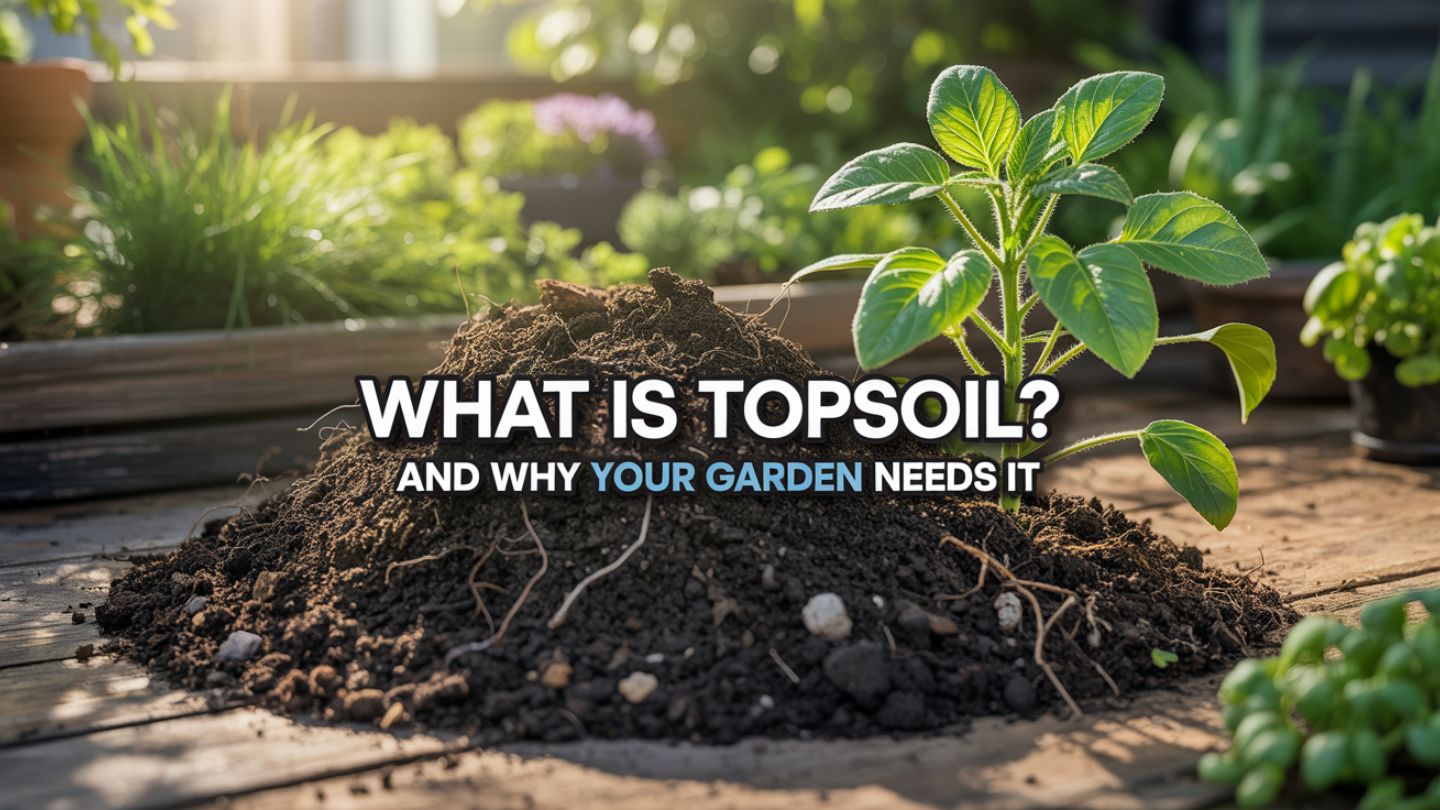
Topsoil is often referred to as the lifeblood of a garden. As the uppermost layer of soil, typically 2 to 8 inches deep, it plays a critical role in nutrient provision and plant growth support. In community gardens, topsoil is frequently used to enhance the quality of productive soil, making it a vital component for growing vegetables and flowers.
Topsoil’s importance extends beyond its depth and nutrient content. It acts as a nurturing bed for seeds and plants, ensuring they receive the necessary nutrients to survive and flourish. Comprehending topsoil’s definition, composition, and significance is essential for fostering a thriving garden environment.
Definition of Topsoil
Gardeners rely on the nutrient-rich uppermost layer of soil, known as topsoil, to support plant life. This layer, typically 3 to 6 inches deep, contains a high concentration of organic matter and essential nutrients that are crucial for healthy plant growth. Good topsoil is often screened to remove large debris, ensuring it remains rich in nutrients and beneficial for plants.
Topsoil’s value lies in providing a stable environment for plants to root and access necessary nutrients. This makes it indispensable for anyone looking to maintain a lush, green garden. Without good topsoil, plants would struggle to thrive, as the necessary nutrients for their survival would be insufficient, and understanding how much topsoil you need for a healthy landscape project ensures your garden has the proper depth and balance for sustained growth.
Composition of Topsoil
Topsoil’s composition is a balanced mix of clay, silt, and sand, which together create a texture that supports plant growth. The specific texture and components of topsoil can vary significantly depending on the minerals and materials present in the area, affecting its nutrient levels and overall fertility. For example, topsoil in different regions may contain varying amounts of clay, silt, or sand, affecting its suitability for various plant types.
The natural minerals and materials present in topsoil play a crucial role in its ability to retain moisture and provide nutrients. This variability in composition means that gardeners must choose topsoil that can occur naturally to match their specific gardening needs to ensure optimal plant health and growth.
Importance of Topsoil
Topsoil is vital for plant health as it contains essential nutrients and organic matter that support growth. This nutrient-rich layer not only provides the necessary elements for plants to thrive but also plays a crucial role in retaining moisture, ensuring that plants have a consistent water supply. The ability of topsoil to retain moisture and distribute water evenly is essential for maintaining healthy plant roots and overall garden vitality.
Moreover, topsoil supports root systems by providing a stable environment where roots can spread and anchor plants effectively. This support is critical for the long-term health of plants, making topsoil an indispensable component of any successful garden.
Differences Between Topsoil, Garden Soil, and Potting Soil
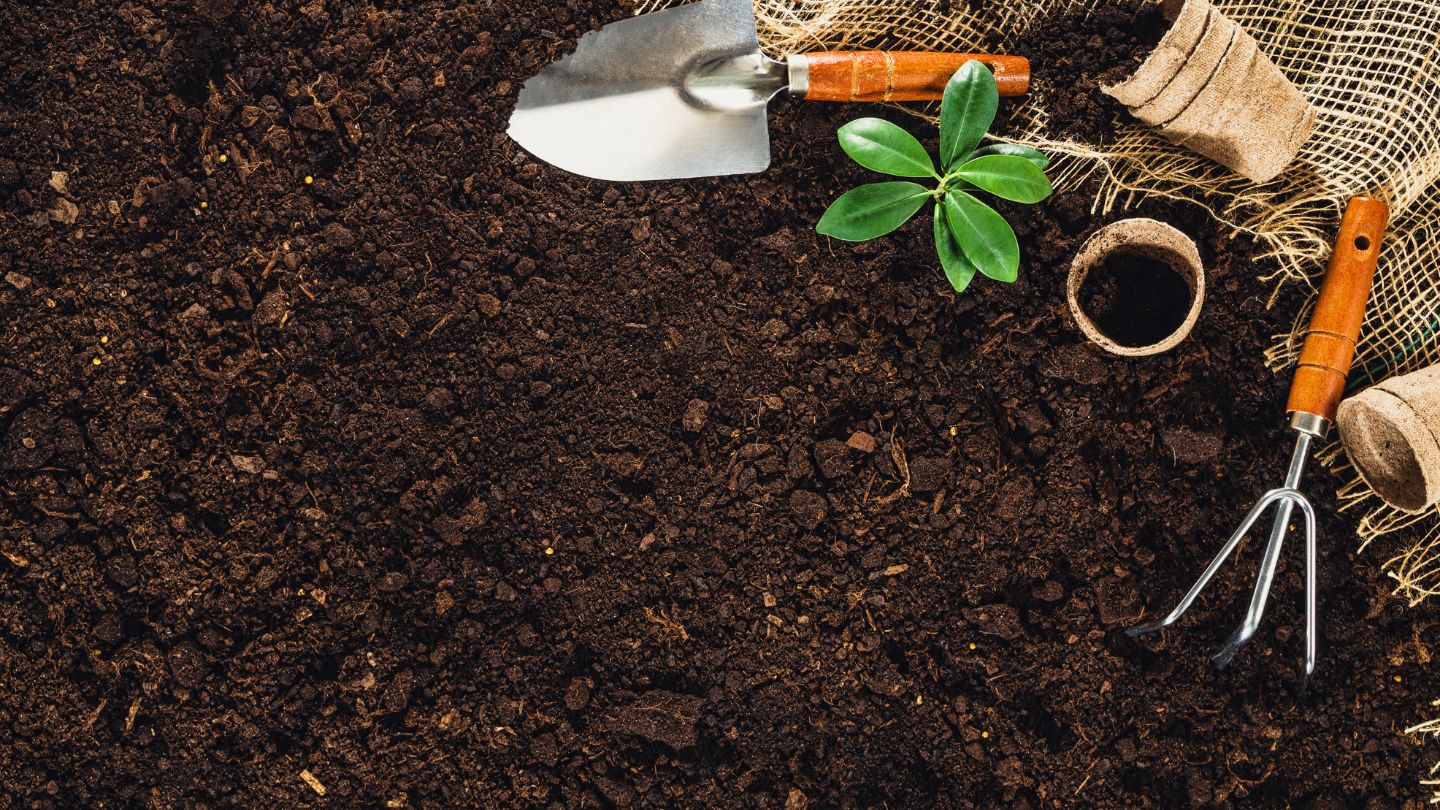
Understanding the differences between topsoil, garden soil, and potting soil is crucial for selecting the right medium for your gardening needs. Each type of soil has unique characteristics that make it suitable for specific applications. Topsoil, for instance, is a balanced mixture of clay, silt, and sand, which varies based on location and influences soil health.
Garden soil and potting soil, on the other hand, are tailored with specific amendments to enhance their properties for particular uses. Garden soil typically contains added materials like vermiculite and peat moss, making it lightweight and optimal for plant growth in garden beds. Additionally, recognizing the importance of garden soil vs. topsoil helps gardeners choose the right soil type for optimal plant performance.
Potting soil is designed for container gardening, offering improved aeration and drainage, but is not suitable for garden beds due to its lightweight nature. Potting soils, however, can be beneficial in other contexts.
Topsoil Characteristics
Topsoil is commonly used in landscaping and for improving existing soil quality. It is primarily composed of sand, silt, and clay, providing essential nutrients like nitrogen, phosphorus, and potassium that are crucial for plant growth. The organic matter in screened topsoil supports sustained fertility and reduces the need for synthetic fertilizers, making it a sustainable choice for gardeners.
Compared to garden and potting soil, topsoil is heavier and has a different texture, which affects its drainage and nutrient-holding capacity. Adding fresh topsoil can improve soil composition and balance pH levels, enhancing the overall health of your garden.
Garden Soil Characteristics
Garden soil is specifically designed for use in garden beds and containers, containing a mix of organic and inorganic matter to ensure balanced nutrients and effective drainage. This tailored composition provides optimal nutrient availability and improves drainage for plant growth, making it ideal for creating healthy garden environments with garden soils.
However, garden soil can include other heavier soils like clay, which retains moisture but may be challenging to work with due to its compaction. Soils can vary significantly in their composition and properties.
Garden soil’s versatility makes it a popular choice among gardening experts for establishing new garden beds and maintaining healthy plant growth.
Potting Soil Characteristics
Potting soil is designed to be lightweight and offers improved aeration, making it suitable for container gardening. This type of soil often includes amendments like peat moss and perlite to enhance its properties, ensuring that new plants have the optimal environment for growth. The lightweight nature of potting soil allows for better drainage, which is crucial for preventing root rot in container gardens.
While potting soil is excellent for growing plants in containers, it is not suitable for garden beds due to its inability to retain moisture effectively. Its specialized composition makes it the go-to choice for container gardening, supporting healthy plant growth in limited spaces.
Types of Topsoil
Topsoil is classified based on its texture and composition, with six of the most common types:
- Clay
- Silt
- Sand
- Loam
- Chalk
- Peat
Each type of topsoil has unique properties that make it suitable for different gardening applications. Knowing these types helps in selecting the best topsoil for your garden’s specific needs.
The various types of topsoil provide essential nutrients, water, air, and microorganisms necessary for plant vitality. Choosing the right type of topsoil creates an optimal environment for plant growth, ensuring a healthy and productive garden, while understanding and navigating the world of topsoil provides deeper insight into matching soil type with your landscape requirements.
Clay Topsoil
Clay topsoil is dense and retains moisture well, but its compact nature can make it difficult for roots to grow and may lead to poor drainage. This type of topsoil is known for its high nutrient content, but the density of clay soils can pose challenges for aeration and root penetration.
Improving clay-heavy topsoil quality often involves adding coarse sand and compost to break up the dense texture and enhance aeration and drainage. Such amendments significantly enhance the usability of clay topsoil, making it more gardening-friendly.
Silt Topsoil
Silt topsoil is known for its fine texture, which allows it to hold nutrients well and support healthy plant growth. The particle sizes in silt soil are larger than clay but smaller than sand, providing a balanced texture that retains moisture effectively.
This type of topsoil is fertile and moisture-retentive, making it ideal for gardening applications where nutrient availability and water retention are crucial. The fine texture and nutrient-holding capacity of silt topsoil make it a valuable garden addition.
Sandy Topsoil
Sandy soil topsoil is lightweight and easy to dig, making it a popular choice for gardeners. However, it is generally low in nutrients and drains quickly, which can be both an advantage and a disadvantage depending on the plants being grown.
Enhancing sandy topsoil fertility often requires amendments like organic matter or compost. Such additions improve the nutrient content and water-holding capacity of sandy topsoil, making it suitable for a wider range of plants.
Loam Topsoil
Loam topsoil is composed of a mix of sand, silt, and clay, providing a balanced texture that is ideal for gardening. Rich in organic matter, loam topsoil offers good drainage and nutrient availability for plants. When squeezed, loam topsoil holds its shape, indicating its well-balanced composition.
Gardeners highly desire loam topsoil for its combination of the best properties of sand, silt, and clay, suitable for a wide range of plants and gardening applications. Its rich organic content and good texture make it a top choice for healthy garden environments.
Chalky Topsoil
Chalky topsoil has a high pH level due to the presence of limestone or calcium carbonate. This type of chalky soil is known for being porous, allowing for good drainage, but it can lead to nutrient leaching if not managed properly.
To improve its structure and nutrient retention, gardeners often add amendments to increase the acidity of chalky topsoil. Such amendments balance pH levels and enhance soil fertility, making it more suitable for gardening.
Peat Topsoil
Peat topsoil is lightweight and rich in organic matter, providing excellent drainage, which is beneficial for many plants. This type of topsoil is commonly used in gardening to improve the texture and drainage of the existing soil. Peat moss, a key component of peat topsoil, helps retain moisture and provides a stable environment for plant roots to thrive.
Adding peat topsoil to a garden or raised beds can significantly enhance soil structure and fertility, ideal for various gardening applications. Its lightweight nature and organic richness make it a versatile choice for gardeners looking to improve their soil quality.
Benefits of Using Topsoil in Your Garden
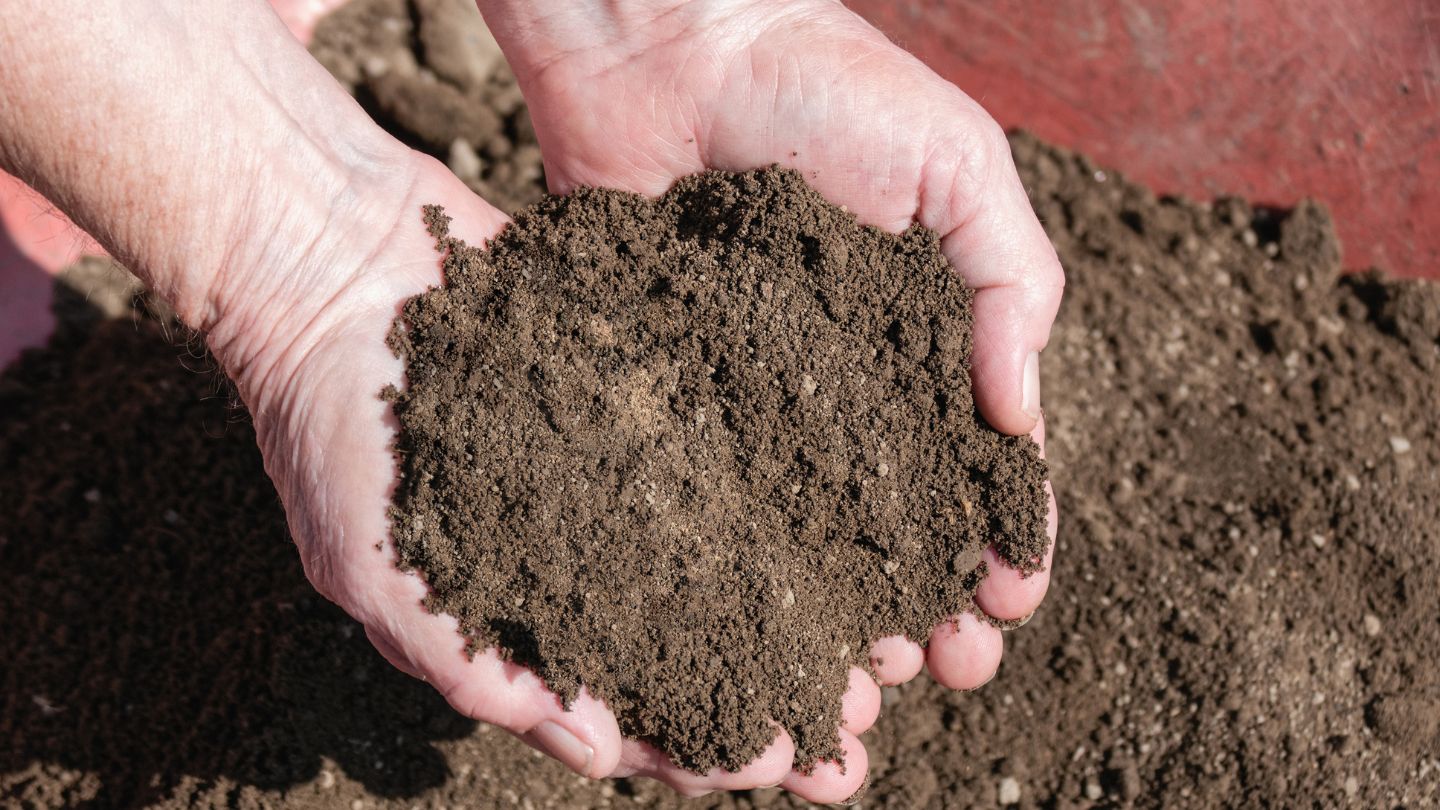
Topsoil is essential for providing nutrients, absorbing water, and supporting healthy plant growth. By incorporating organic matter, topsoil significantly enhances soil fertility and structure, supporting better plant growth and long-term soil health. Regular topsoil maintenance is crucial for ensuring productivity and overall garden success.
Using topsoil in your garden can:
- Improve moisture retention, which is vital for healthy plant growth and development
- Enhance fertility in new garden beds
- Encourage robust plant growth
- Ensure a thriving garden environment
Enhances Soil Structure
Screened topsoil has a loamy consistency that enhances its structure for gardening, promoting better root penetration and overall garden health. The improved soil texture aids in water retention and drainage, which is critical for effective water management in your garden.
The right soil texture influences aeration, nutrient availability, and water retention, making it a crucial factor for successful gardening. Topsoil can transform existing soil into a more productive medium for plants.
Provides Essential Nutrients
Topsoil is rich in organic matter that supports gradual nutrient release, enhancing soil fertility and providing the necessary nutrients for robust plant development. The gradual release of nutrients from topsoil ensures sustained nourishment for plants, contributing to their overall health and productivity.
Topsoil nutrient availability is crucial for producing healthy and productive garden plants. Topsoil creates a nutrient-rich environment that supports healthy plant growth by providing essential nutrients, enough nutrients, more nutrients, and additional nutrients.
Supports Root Development
Topsoil is essential for supporting healthy root development in plants, creating optimal conditions for root systems to thrive. The properties of screened topsoil help create a stable environment where roots can spread and anchor effectively, leading to more stable and robust plants.
Healthy root systems form the foundation of a thriving garden, contributing to plant success and vitality. Using topsoil ensures that your plants receive the support they need to grow strong and healthy.
Promotes Sustainable Gardening
Using topsoil offers several benefits for gardening:
- Mitigates erosion
- Fosters the long-term health of garden ecosystems
- Balances water retention
Incorporating topsoil into your gardening routine fosters a more sustainable and resilient garden environment. Crop rotation and the use of topsoil help retain soil nutrients and prevent nutrient depletion, ensuring a healthy garden for years to come.
How to Apply Topsoil Effectively
To maximize the benefits of topsoil in your garden, it’s essential to understand the best practices for purchasing, applying, and timing its application:
- Use screened topsoil to ensure effective application by removing large debris and maintaining a nutrient-rich composition.
- Conduct soil testing to tailor the topsoil use to your garden’s needs.
- Customize the depth of topsoil application.
- Mix the topsoil thoroughly with existing soil to enhance its effectiveness.
Knowing when to apply topsoil is also crucial for maximizing its benefits. Applying topsoil in early spring or late fall creates a better growing environment for new seeds and plants, ensuring optimal growth and development.
Purchasing Topsoil
Topsoil is available for purchase in bulk or bags, depending on your gardening needs. For vegetable gardens, it is recommended to add fresh topsoil at a depth of 1 to 2 inches annually to maintain soil fertility and support healthy plant growth. Whether you’re buying in bulk or bags, choosing high-quality topsoil is essential for achieving the best results in your garden.
Consulting gardening experts and understanding your garden’s specific needs helps you make informed topsoil purchasing decisions. This ensures that you select the right type and quantity of topsoil for your gardening projects.
Read More: Top Benefits of Buying Topsoil in Bulk for Your Garden
Application Techniques
The recommended depth for applying screened topsoil is 2-8 inches, depending on the specific needs of your garden. After applying topsoil, it should be thoroughly mixed with the existing soil and watered to ensure even distribution and absorption of nutrients.
Enhancing topsoil with peat moss, compost, manure, or other organic matter further improves its fertility and structure. If the purchased topsoil is lumpy, mixing it in a wheelbarrow or on top of a tarp before spreading can help achieve a smoother application.
When to Apply Topsoil
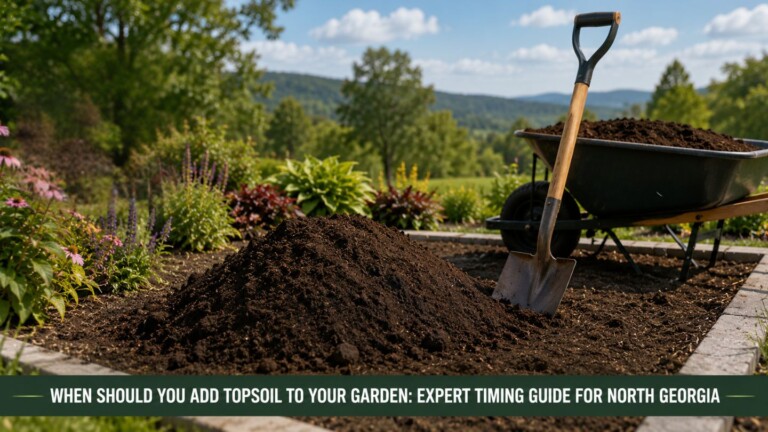
The best time to apply screened topsoil is in early spring or late fall, as these seasons provide optimal conditions for soil amendment and plant growth. Applying topsoil before planting new seeds can create a better growing environment, ensuring that your plants have access to the necessary nutrients and support for healthy development.
Correctly timing topsoil application can significantly impact the success of your gardening efforts. By following these guidelines, you can maximize the benefits of topsoil and create a thriving garden environment.
Common Uses of Topsoil in Gardening
Topsoil is commonly used in gardening, farming, and landscaping to improve soil quality and support healthy plant growth. Its benefits include:
- Leveling landscapes
- Filling in low spots
- Establishing garden areas and new lawns
When the existing soil is thin or nonexistent, adding topsoil can significantly enhance soil quality and fertility. Additionally, understanding topsoil uses can further optimize its benefits in various applications.
Knowing the practical uses of topsoil helps you maximize this valuable resource in your gardening projects. Whether you’re creating new garden beds, patching lawns, or landscaping, topsoil can play a crucial role in achieving your gardening goals.
Creating New Garden Beds
Garden soil is designed for use in gardens and containers, but topsoil is essential for establishing new garden beds. Using topsoil improves soil quality and fertility by enhancing:
- Soil life
- Soil structure
- Drainage
- Nutrient availability
For best results, mix topsoil with existing soil and incorporate organic matter to maintain nutrients and improve soil health. This combination creates an ideal environment for growing plants, ensuring a healthy and productive garden.
Patching Lawns
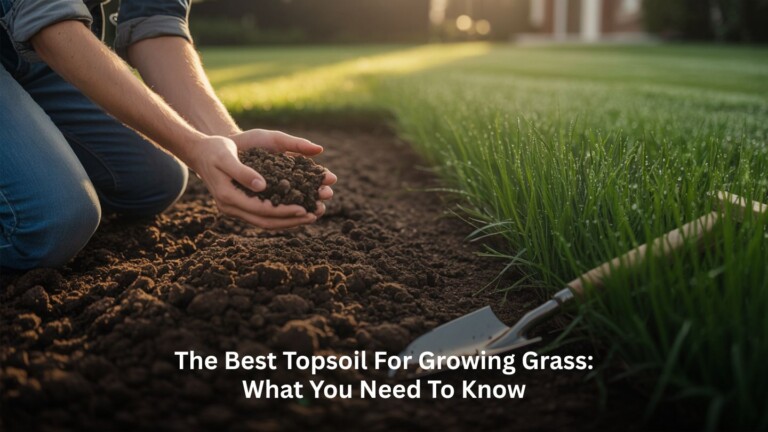
Nutrient-rich topsoil helps promote even growth when patching lawns, filling in holes or bare spots, and planting grass seed. Adding a few inches of topsoil to these areas enhances the overall vitality of the lawn by providing essential nutrients.
Using bagged topsoil as a top-dressing on damaged lawn or garden areas is a common practice for beautification and maintaining a healthy garden environment. This approach ensures that your lawn remains lush and green throughout the growing season.
Landscaping and Filling Low Spots
Topsoil is frequently used to create a smooth surface in landscape areas, filling low spots and improving drainage. By adding topsoil to these areas, you can achieve a more level and visually appealing landscape while enhancing the overall health of your garden environment.
Topsoil improves drainage when used for landscaping and filling low spots, preventing waterlogging and promoting healthy plant growth. This practical application of topsoil ensures that your landscape remains beautiful and functional.
Read More: How to Level Your Lawn with Topsoil for a Perfect Yard – Step-by-Step Guide
Maintaining Healthy Soil with Topsoil
Maintaining healthy soil with topsoil involves regular soil testing, adding organic matter, and avoiding over-tilling. Topsoil serves as a habitat for beneficial microorganisms and wildlife that enhance soil health. The presence of organic matter in topsoil improves soil structure and offers a habitat for beneficial organisms, supporting long-term soil health.
Regular practices like soil testing and adding organic matter ensure your topsoil remains productive and supports healthy plant growth. By following these practices, you can maintain a thriving garden environment, setting a gold standard for garden care, along with recognizing the value of preserving topsoil to retain its structure and fertility over time.
Regular Soil Testing
Conducting regular soil tests helps determine the amendments needed for topsoil to maintain its health and productivity. Soil tests provide valuable information about nutrient levels, pH balance, and soil composition, allowing you to make informed decisions about soil amendments and management practices.
Regular soil testing ensures that your topsoil stays in optimal condition, supporting healthy plant growth and a vibrant garden environment. This proactive approach to soil management is essential for long-term gardening success.
Adding Organic Matter
Adding compost and organic matter to topsoil improves soil structure and maintains nutrient levels, ensuring a healthy garden environment. Using screened topsoil can be enhanced with other organic matter or compost, creating a nutrient-rich medium for plant growth.
Screened topsoil should be replenished every few years to keep it effective and maintain its nutrient content. Incorporating organic matter into your topsoil enhances its fertility and supports sustainable gardening practices.
Avoiding Over-Tilling
Minimizing tillage prevents soil compaction and maintains the integrity of soil microenvironments, supporting a healthy garden ecosystem. Limiting tilling practices helps preserve soil structure and beneficial organisms within the soil, promoting a healthier ecosystem.
Overall, minimizing tillage fosters a healthier soil ecosystem, crucial for sustainable gardening. By avoiding over-tilling, you can protect the natural structure of your topsoil and support long-term soil health.
Final Thoughts
In sum, understanding what topsoil truly is and recognising its role can transform your garden from good to great. A rich, well-structured layer of topsoil supports robust root systems, retains vital nutrients, and provides the foundation your plants need to flourish. By giving your garden the quality base it deserves, you’re investing in long-term health, stronger growth, and less maintenance down the line.
When you’re ready to take that next step, we invite you to explore how we at Mulch Pros make sourcing premium topsoil in Alpharetta seamless and dependable. Whether you’re refreshing your beds or prepping a new space, we’re equipped to supply screened topsoil and support your landscaping goals. In addition to topsoil, we offer fresh pine straw, rich mulch, seasoned firewood, and durable gravel and sand, ensuring you have everything needed for a beautiful, functional, and long-lasting landscape. Trust us to deliver the right materials and expertise to bring your outdoor vision to life.
Frequently Asked Questions
What is topsoil, and why is it important for gardening?
Topsoil is the nutrient-dense upper layer of soil crucial for gardening as it supplies essential nutrients, retains moisture, and anchors plant roots, ensuring healthy growth. Without it, plants struggle to thrive.
How do I choose the right type of topsoil for my garden?
Choosing the right type of topsoil for your garden hinges on understanding its specific needs and the properties of various soil types, such as clay, loam, or sand. Evaluate your garden’s drainage and nutrient requirements to select the most suitable topsoil.
How often should I replenish topsoil in my garden?
To maintain soil fertility and health, it is advisable to replenish topsoil annually for vegetable gardens and every few years for other types of gardens. Regularly refreshing your topsoil will enhance plant growth and overall garden vitality.
What is the best time to apply topsoil in my garden?
The best time to apply topsoil is in early spring or late fall, as these periods provide optimal conditions for soil amendment and plant growth.