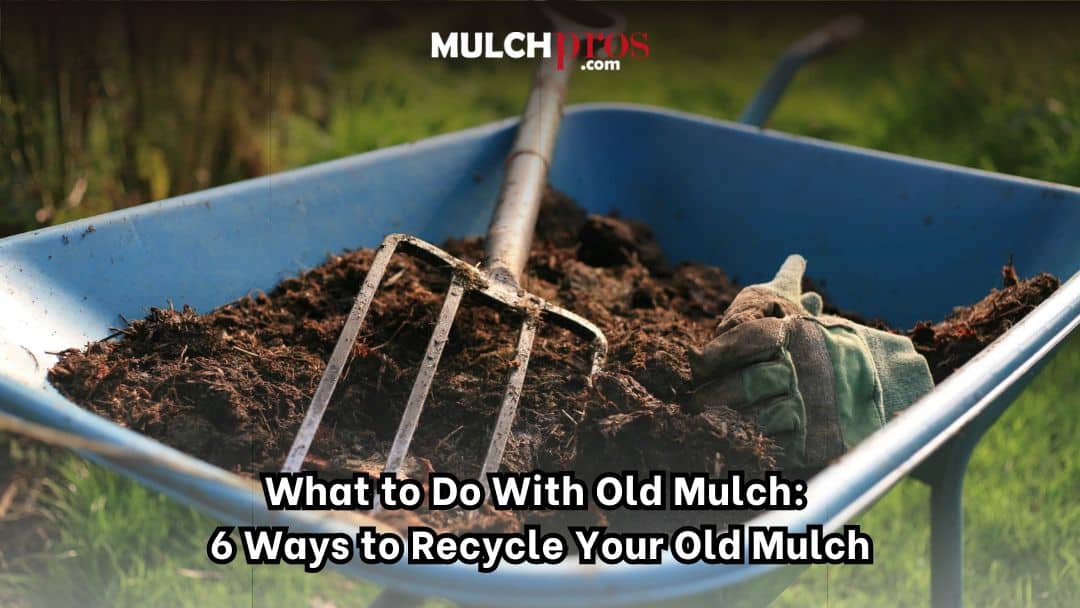

Mulch plays a critical role in maintaining soil moisture, regulating temperature, and suppressing weeds. But when the season changes or your landscaping project wraps up, it’s common to wonder what to do with old mulch that’s no longer visually appealing or functionally effective. Is it still usable? Should it be thrown out? Can it be recycled?
Instead of letting that pile of mulch go to waste, or worse, dumping it improperly, there are eco-friendly and practical ways to handle it. Whether you’re dealing with leftover material from a new delivery or last season’s decayed layer, this blog explores six smart ways to recycle or repurpose old mulch around your property.
Is the Mulch Still Good?
Before you decide what to do with mulch that’s already been used, take a moment to evaluate its condition. Not all mulch is created equal, and not all mulch should be reused.
Start by checking for signs of rot, mold, or infestation. Foul odors, slimy textures, or visible pests are all red flags. If the mulch still looks fibrous, hasn’t compacted into hard layers, and shows no obvious damage, there’s a good chance it’s safe to recycle.
Also consider what type of mulch you’re working with. Organic mulches like bark, wood chips, straw, and leaves break down over time and are often easier to reuse. In contrast, rubber, stone, or plastic mulch tends to compact, gather debris, and require cleaning before repurposing. Evaluating mulch type also means understanding how to choose the best mulch for your tropical garden, ensuring that reused material supports the specific climate and soil needs of your plants.
1. Rejuvenate Beds with a Fresh Layer
One of the simplest ways to manage leftover mulch is to leave it in place and simply add a thin top layer of fresh material. This enhances both the appearance and effectiveness of the mulch bed.
As long as the underlying mulch hasn’t decomposed completely or developed fungal growth, it can still act as a base. Fluff it up with a rake, break up clumps, and top it off with a new layer. This helps with moisture retention and weed control while improving curb appeal. Refreshing old layers reinforces why mulching is important, keeping soil moisture stable and maintaining essential weed control.
2. Composting: Turn Waste into Nutrients
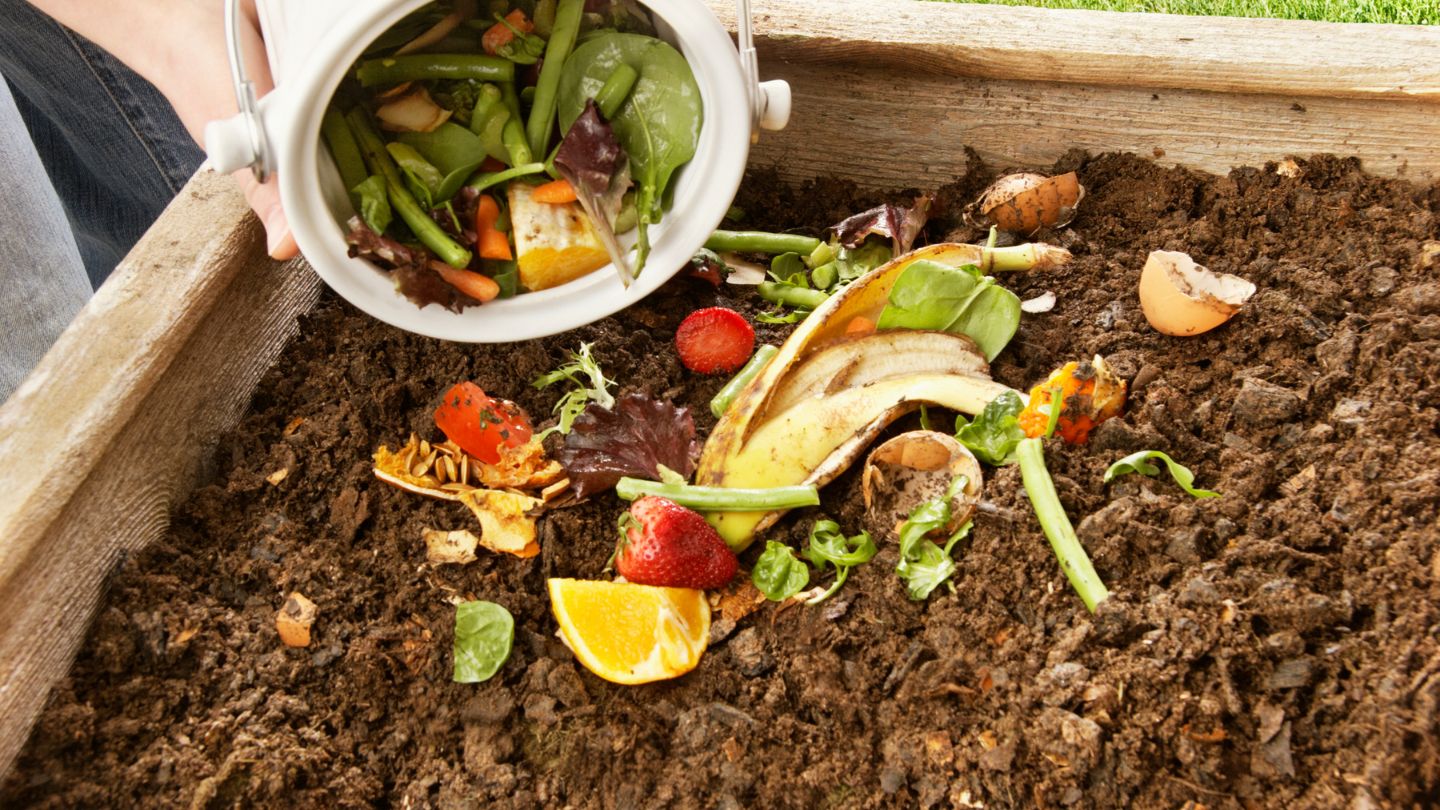
If you’re unsure how to dispose of old mulch, your compost bin may be the best destination. Organic mulch that’s beginning to break down can serve as a rich source of carbon, which balances out nitrogen-heavy components like grass clippings and food scraps. Composting results differ based on material, making deciding between hardwood mulch vs pine mulch a key step in planning long-term soil enrichment.
Before composting, shred larger pieces or wood chips to speed up decomposition. Avoid adding mulch that has mold, pests, or was previously around diseased plants. Once fully decomposed, the resulting compost can be used as a nutrient-rich amendment for garden beds and containers.
3. Create Functional Garden Paths
Wondering what to do with extra mulch sitting in a pile after a project? Consider using it to build natural-looking garden walkways or buffer zones between planting areas. A few inches of mulch layered on a defined path can reduce mud, prevent erosion, and help suppress weeds.
This is particularly useful in high-traffic areas or spaces that don’t need to support plant growth. You’ll get extra value out of the mulch without investing in costly hardscape materials.
4. Use it as a Weed Barrier
If the mulch has lost its fresh look but remains dry and intact, it can still be useful for weed suppression. Apply a layer over cardboard or newspaper in neglected garden corners or along fence lines. This method chokes out weed growth and preps the area for future planting.
Be sure to avoid using moldy or compacted mulch for this method. You want breathable, moisture-retaining material to keep the soil underneath in good condition.
5. Insulate Perennials During Winter
Cold-weather protection is another smart use of older mulch. When winter approaches, mulch can be layered around the base of trees, shrubs, and perennials to provide insulation. This minimizes freeze-thaw cycles and helps keep roots stable during temperature drops.
If you’ve been debating what to do with old mulch at the end of the growing season, this tactic allows you to recycle it while directly benefiting your existing landscape.
6. Feed Non-Edible Landscape Areas
If you’re still asking how to dispose of mulch without contributing to landfill waste, consider redistributing it around non-edible plants. Decorative beds, walking trails, or base layers under bushes can all benefit from the organic content of older mulch, even if it’s no longer ideal for vegetable gardens.
Keep in mind that mulch used in this way shouldn’t be too degraded or compacted. And never reuse mulch that’s been exposed to plant disease or chemical spills. Reusing mulch alongside new applications underscores the best benefits of buying mulch from local suppliers, ensuring freshness and supporting regional ecosystems.
When Not to Reuse Mulch
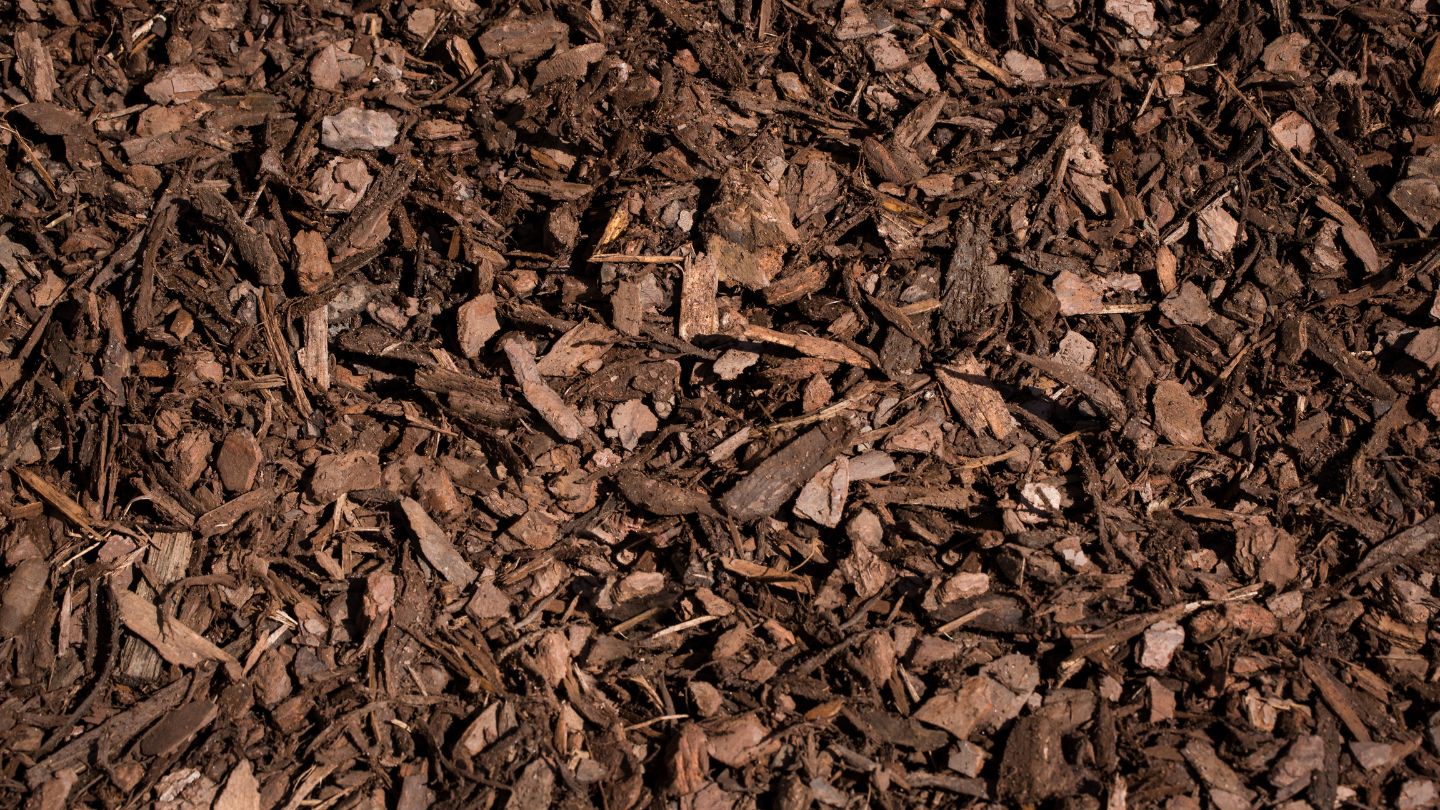
Although reusing mulch is usually a good move, some materials simply need to go. If the mulch shows signs of sour rot, pest infestation, or fungus, don’t try to salvage it. Also avoid reusing mulch from areas affected by blight, powdery mildew, or other plant diseases.
Improperly reused mulch can cause more harm than good, compacting soil, spreading disease, or reducing oxygen availability for roots. Knowing how to dispose of old mulch responsibly includes recognizing when to discard it.
If composting or reusing isn’t an option, check with your local waste management facility about green waste disposal. Some cities even offer mulch recycling programs or pick-up services during yard waste collection periods. Recognizing the key differences between mulch and bark is crucial for knowing which materials can safely be reused without risking soil compaction or disease spread.
Final Thoughts
Old mulch doesn’t always need to go in the trash. From composting and pathway creation to winter insulation and weed control, there are several smart ways to reuse this valuable material. Understanding what to do with old mulch allows you to stretch your landscaping resources and reduce your environmental impact.
If you’re still uncertain how to dispose of old mulch safely, or need help selecting the right fresh mulch for your next project, Mulch Pros offers premium mulch delivery and expert guidance tailored to your landscaping needs.