


The best time to refresh mulch in Johns Creek landscapes is late February to mid-March, just before or around the last frost date. This window lets you suppress early weeds, lock in soil moisture, and set your garden beds up for the entire growing season before Georgia’s heat and humidity take over. A secondary touch-up of mulch can occur in late summer or early fall-typically mid-October-to protect plant roots heading into winter.
Getting this timing right can make all the difference between a landscape that thrives and one that struggles with weed pressure, erosion, and plant stress throughout the year. Below, we break down exactly why these windows matter for Johns Creek homeowners, what signs tell you it’s time to refresh mulch, and how to coordinate with your seasonal landscape tasks.
Key Takeaways
- Late February to mid-March is the ideal window for a full spring mulch refresh in Johns Creek.
- Georgia’s humid subtropical climate accelerates organic mulch breaks down faster than in cooler regions-plan accordingly.
- Fall touch-ups in October extend mulch life and protect roots through winter freeze-thaw cycles.
- Waiting too long into spring allows weed seeds to germinate before your fresh mulch layer is in place.
- Professional mulch installation ensures proper timing, even application, and coordination with seasonal landscape needs.
Understanding Johns Creek’s Climate and Mulch Needs
Johns Creek sits northeast of Atlanta in USDA Hardiness Zone 8a, with average annual temperatures ranging from about 50°F (low) to 71.5°F (high). The area receives roughly 55 inches of rain per year, creating a warm, moisture-rich environment that directly impacts how quickly mulch degrades.
Winter freeze-thaw cycles-where soil temperature swings above and below freezing repeatedly-shift and loosen existing mulch, creating gaps where bare soil peeks through. These cycles also cause frost heaving, which can expose shallow roots and destabilize plantings. For many Johns Creek landscape beds, the damage from winter alone is enough to warrant a spring refresh.
Spring in North Georgia brings variable conditions. Average highs in March reach about 63.8°F while lows hover around 40.4°F, meaning soil warming lags behind air temperature until mid-March or later. Once soil temperature rises and weed seeds start germinating, an unprotected bed is vulnerable. That early spring window-before weed growth explodes-is exactly when applying mulch delivers maximum weed suppression.
Then comes summer heat. Johns Creek’s long, hot, humid summers supercharge beneficial microbial activity in the soil, which is great for breaking organic mulch into nutrients that improve soil structure-but it also means your mulch layer thins out faster. Mulch decomposes faster in humid subtropical climates compared to cooler regions, so what started as 3 inches deep in March may be under 2 inches by August.
How Georgia Weather Affects Mulch Breakdown
Winter ice storms and occasional snow can displace mulch, compress it unevenly, and create matted areas that block air circulation to plant crowns. When the snow melts, those compressed zones trap too much moisture against stems, creating conditions for fungal growth and rot.
Heavy rain in spring-common in Johns Creek-washes mulch from slopes and drainage areas, leaving bare soil exposed to erosion. Shredded hardwood mulch resists washout better than light bark chips, making it a preferred choice for sloped flower beds and an effective mulch for shaded yards. On flat beds, spring rains still compact the existing layer, reducing its effectiveness at moisture retention and weed control.
Summer’s extreme heat accelerates decomposition of organic mulch dramatically. Pine straw, for example, may thin noticeably in just six months under these conditions. Even shredded hardwood mulch with a typical lifespan of one to two years breaks down faster in Georgia than in northern states.
Fall leaf drop presents its own challenge. Leaves matting down on top of existing mulch can smother garden beds, block airflow, and harbor pests. That’s why a fall clean-up paired with a light mulch touch-up is so valuable for Johns Creek homeowners.
Optimal Timing for Mulch Refresh in Johns Creek
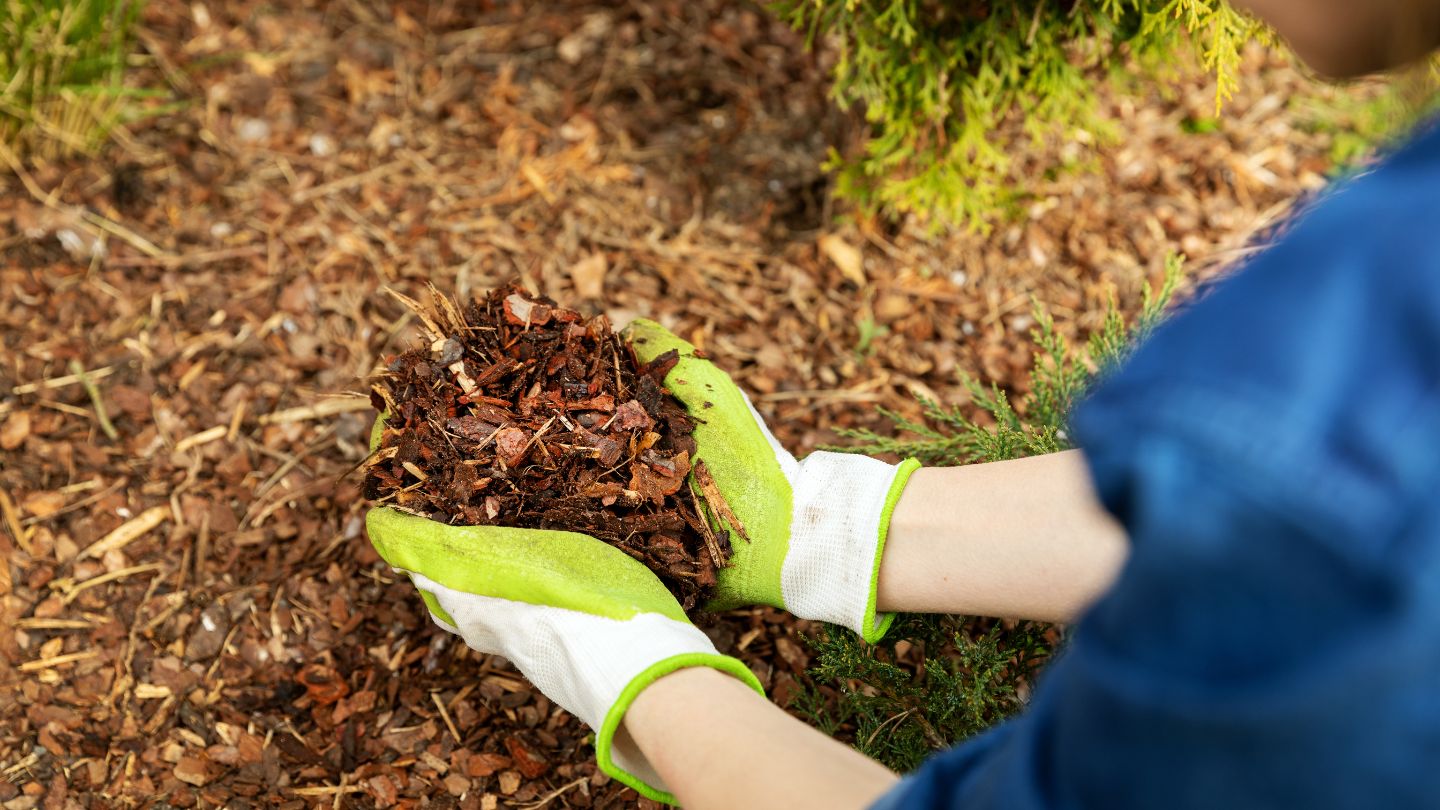
The primary window for refreshing mulch in Johns Creek is late February through mid-March. Here’s why this timing works so well:
- Last frost alignment: The average last frost date in Johns Creek falls around March 11–20. Refreshing mulch just before or during this window means you’re protecting soil as it begins to warm without delaying plant emergence.
- Weed prevention: Refreshing mulch suppresses early weeds and retains soil moisture just as weed seeds are about to germinate, especially when following recommendations for how thick the mulch should be. A fresh layer of mulch-maintained at a proper mulch depth of 2 to 4 inches-acts as a physical weed barrier that reduces the need for chemical treatments later.
- Coordination with landscape tasks: Early spring is when pruning, dividing perennials, and applying pre-emergent weed control all happen. Many landscapers in Johns Creek apply pre-emergent for crabgrass in mid-February to early March. Laying new mulch right after seals in that application and maximizes its effectiveness.
- Soil workability: By late February, daily highs typically rise above 55°F and the soil begins drying enough to work without creating compaction. If the soil is still muddy, wait a few more days-covering waterlogged ground with mulch traps too much moisture and can suffocate roots.
The secondary opportunity comes in early to mid-October. After the first frost risks begin (the average first freeze is around November 11–20) and plants start moving toward dormancy, a light fall mulching refresh protects root systems, prevents frost heaving, and maintains curb appeal through winter. This isn’t a full replacement-it’s a targeted top-up to restore depth where summer heat and heavy rain have thinned coverage.
For bulk mulch delivery and mulch installation, plan ahead. Peak demand hits in early spring, so scheduling delivery in late February provides time to inspect mulch at delivery before installation begins. For fall work, booking in mid-September ensures your beds are refreshed before the first freeze.
A practical seasonal schedule:
- February: Prepare beds-remove winter debris, prune, apply pre-emergent. Order mulch.
- Late February to mid-March: Spread a fresh mulch application across all landscape beds.
- April–June: Monitor depth, add spot top-ups to thin areas and drainage areas.
- October: Light refresh after leaf drop to protect roots and cover bare soil before winter.
Common Timing Mistakes to Avoid
Mulching too early when soil is still frozen or waterlogged leads to soggy, compacted areas that delay plant bud break. Cold, wet soil covered by mulch stays cold and wet longer, which can trigger root rot and fungal growth. Wait until soil temperature is consistently above freezing and the ground can be worked without clumping.
Waiting until April or later is one of the most common mistakes Johns Creek homeowners make. By April, soil temperatures have risen enough that weed seeds are already germinating. You’ll find yourself fighting existing weeds before you can even lay down new material. Waiting too long to mulch allows weeds to establish, and at that point, even a thick mulch layer won’t fully solve the problem.
Applying fresh mulch over winter debris without proper bed preparation creates problems. Old mulch, matted leaves, and broken branches trap moisture, block airflow, and harbor pests. New mulch should be added to restore depth rather than piling on old mulch indiscriminately. Clear debris, fluff or remove compacted old mulch, and then apply the fresh layer.
Ignoring trunk clearance is another frequent error. Keep mulch 2 to 6 inches away from tree trunks and plant stems to prevent rot. Piling mulch against trunks-creating a mulch volcano-traps moisture buildup against bark, encouraging disease and pest infestations. Always ensure mulch is pulled back from stems and plant crowns.
Signs Your Johns Creek Landscape Needs Fresh Mulch
Knowing when to refresh starts with knowing what to look for. Mulch should be refreshed annually for optimal plant health, but the following indicators tell you exactly when your beds have crossed the line from functional to failing.
Visual indicators:
- Faded color: Mulch should be replaced if it looks gray and lifeless. While mulch color fading alone doesn’t mean the material has stopped working, it often coincides with reduced depth and structure. Many homeowners prefer a rich, uniform appearance-and a fresh layer instantly restores curb appeal, while gravel improves curb appeal when incorporated into surrounding landscape features. Whether you choose brown mulch or black mulch, color refresh also signals high quality mulch care to neighbors and visitors.
- Bare soil showing through: Bare soil peeking through indicates mulch erosion, often from rain runoff or foot traffic. Exposed soil loses moisture faster, heats up in summer, and invites weed growth.
- Compacted or matted appearance: When the existing layer becomes hard-packed, it repels water rather than absorbing it, defeating the purpose of moisture retention.
Functional problems:
- Increased weed growth: Weeds breaking through signify ineffective mulch coverage. If you’re seeing annual weeds popping up across your beds despite having mulch in place, the layer has likely thinned below the effective 2-inch minimum.
- Poor soil moisture: If soil dries out quickly after rain or requires frequent watering, your mulch is no longer doing its job. Organic mulch at proper depth dramatically reduces water loss.
- Erosion on slopes: Mulch washing downhill after heavy rain means the material is too thin, too light, or too decomposed to hold its position. Consider switching to shredded hardwood mulch for better grip on slopes.
- A sour smell indicates mulch is decomposing improperly-often from anaerobic conditions in overly thick or compacted layers. This is a sign to remove and replace rather than simply top-dress.
Depth Issues
Mulch should be at least 2 inches deep for effectiveness. Maintain a total mulch depth of 2 to 3 inches for optimal performance-or up to 4 to 5 inches deep for lightweight materials like pine straw, which settles quickly. Pine straw is effective in naturalized spaces and around acid-loving plants like azaleas and camellias, making pine straw vs wheat straw an important comparison for Johns Creek landscapes.
On the flip side, a mulch layer exceeding 5 inches-especially near tree trunks-can suffocate roots by blocking oxygen and trapping excess soil moisture. If you have over-thick matted areas, pull back and redistribute rather than adding more on top.
Keep Your Landscape Looking Its Best Year Round
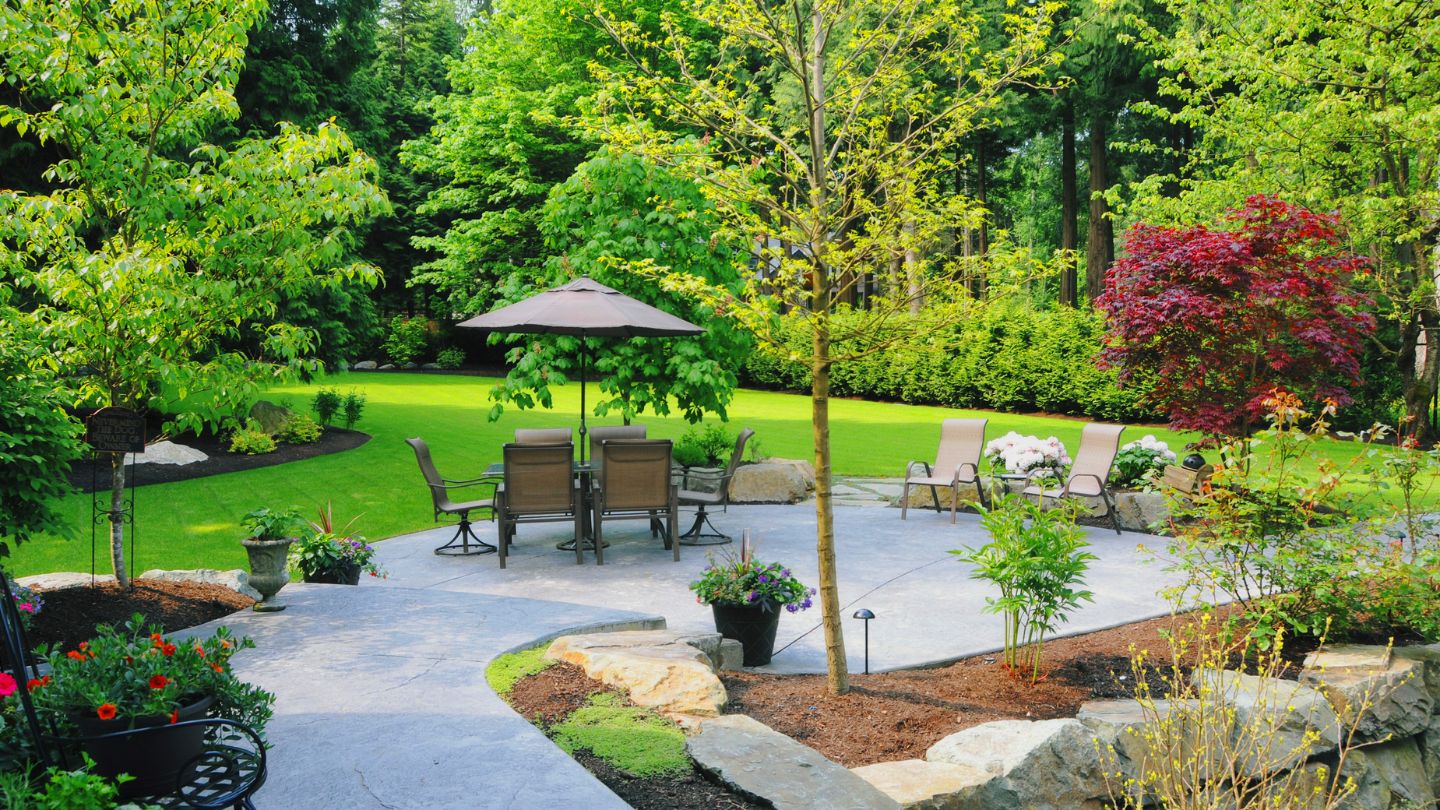
Refreshing mulch at the right time helps protect plant roots, retain soil moisture, reduce weed growth, and enhance the appearance of your landscape. Replacing worn mulch before it breaks down too far keeps landscape beds healthy, improves curb appeal, and ensures your outdoor spaces remain attractive and well maintained throughout every season.
Mulch Pros Landscape Supply offers dependable products, reliable delivery, and exceptional customer service, including premium mulch in Johns Creek. Whether you need gravel and sand, firewood, soil, or pine straw, we have quality landscape materials for projects of every size. Contact us today and let us help you choose the right materials to keep your landscape looking its best year round.
Frequently Asked Questions
What happens if I wait until April to refresh mulch in Johns Creek?
By April, soil temperature in Johns Creek has warmed enough for weed seeds to germinate aggressively. You’ll be fighting established weeds rather than preventing them. Waiting also means your plants endure a longer period without the insulation and moisture retention benefits of a proper mulch layer, increasing plant stress during spring’s variable weather.
Can I refresh mulch in fall instead of spring in North Georgia?
Fall mulching is a valuable supplement but shouldn’t replace your spring refresh. A full fresh mulch application in spring delivers the greatest weed suppression and soil moisture benefits. October touch-ups protect roots from winter frost and fill in areas where summer heat and rain eroded coverage. For most Johns Creek landscapes, doing both produces the best results. Learn more about the best month to install mulch.
How do I know if existing mulch needs complete replacement or just top-dressing?
If the existing mulch is matted, sour-smelling, or decomposed to the point that it no longer resembles its original form, replace it. If it’s simply faded in color or slightly thin, a top-dressing of 1 to 2 inches of new mulch restores both function and appearance. New mulch should be added to restore depth rather than piling on old mulch-remove debris and compacted material first.
Does the type of mulch affect the best timing for refresh in Johns Creek?
Yes. Pine straw typically needs a full refresh every 6 to 12 months, making annual spring application essential with a possible fall top-up. Shredded hardwood mulch lasts 1 to 2 years and may only need top-dressing in the second spring. Coarse bark nuggets can go 2 to 3 years functionally, though mulch color may fade sooner. Inorganic mulches like stone last longer but require periodic replenishment and can absorb heat that stresses plants in summer. Understanding your mulch type helps you plan the right schedule.
Should I coordinate mulch refresh with other spring landscape services?
Absolutely. The late February to mid-March window overlaps with spring pruning, perennial division, soil testing, and pre-emergent weed control application. Apply any soil amendments or fertilizer before laying your fresh layer so nutrients can integrate into the soil. Mulch installation requires proper bed preparation for best results-clearing debris, pulling weeds, and edging beds-so tackling everything together saves time and produces a cleaner result.
How far in advance should I schedule mulch delivery for optimal spring timing?
Schedule your bulk mulch delivery at least 2 to 3 weeks before your target installation date. Early spring is peak season, and supply can tighten quickly. Booking in mid-February for a late February or early March installation ensures you have materials on site when conditions are right. For mulch delivery in Johns Creek, planning ahead helps you secure exactly how much mulch you need without last-minute scrambling.