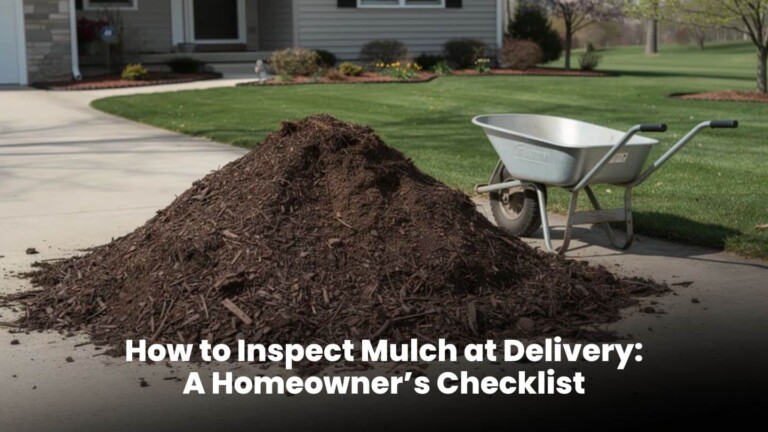
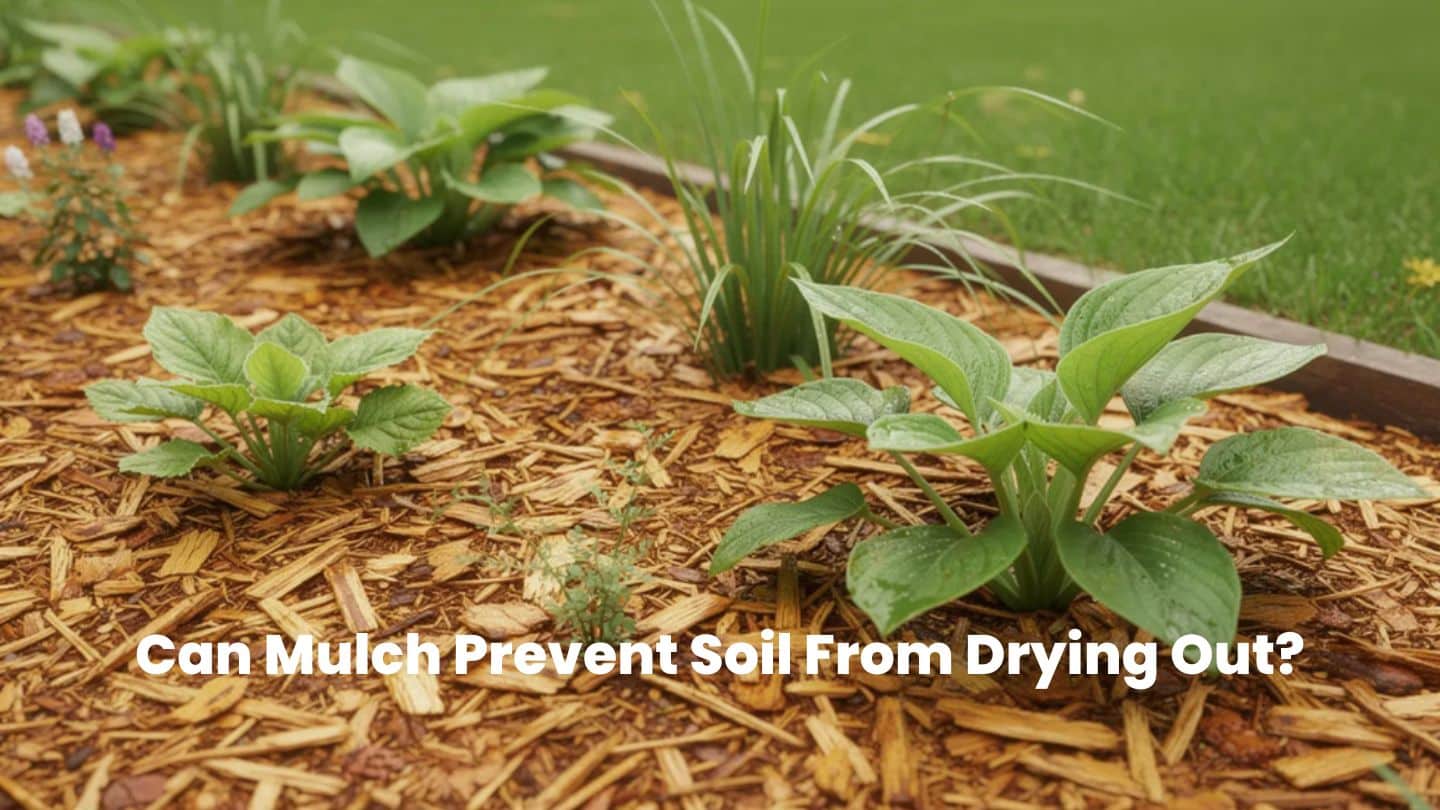

If you’ve ever watched your garden beds turn dusty and cracked just days after a nice rain, you’re not alone. Keeping soil consistently moist through hot summers is one of the biggest challenges for homeowners, especially in areas prone to heat and drought. The good news? Mulching is one of the simplest, most effective ways to help your soil hold onto water, and this blog will walk you through exactly how it works, which materials perform best, and how to apply mulch so it actually delivers results. Whether you’re tending vegetable gardens, refreshing perennial beds, or just trying to keep your foundation plantings alive through August, you’ll find practical recommendations here.
Key Takeaways
- Yes, mulch significantly slows soil drying. Properly mulched garden beds can lose up to 50-60% less moisture to evaporation compared to bare soil, and many gardeners cut their watering needs by half or more.
- How it works matters as much as whether you use it; mulch shades the soil surface, blocks drying winds, and improves soil structure over time, but only if applied at the right depth (typically 2-4 inches) on already-moist ground.
- Different mulch types perform differently; organic materials like grass clippings, straw, and shredded leaves excel at moisture retention, while wood chips and bark mulch offer longer-lasting coverage with moderate water-holding benefits.
- Mulch can backfire if misused; applying it too thickly, using matted materials, or covering dry soil can actually repel water and leave plant roots parched.
- Tailoring your approach to your garden type and climate makes the difference between okay results and outstanding moisture retention all growing season long.
Does Mulch Really Keep Soil From Drying Out?
Here’s the short answer: yes, mulch is one of the most effective ways to slow soil drying, and both research and real-world gardening experience back this up.
Properly mulched soil can lose around 50-60% less water to evaporation than bare soil. That’s not a small difference; it translates to longer stretches between waterings and healthier plants that aren’t constantly stressed. Many gardeners report cutting their watering frequency by up to two-thirds after adding a solid layer of mulch to their beds.
Think about what happens to bare soil on a hot, windy July afternoon. The sun beats down directly on the soil surface, heating it up and pulling moisture into the air. The top inch crusts over and cracks. Any water you applied that morning? Much of it is already gone. Now picture that same bed with a 2-3 inch mulch layer on top. The soil stays shaded, cooler, and protected from drying winds. Moisture stays put in the root zone where your plants can actually use it.
The main mechanisms at work are straightforward:
- Reduced evaporation, mulch creates a physical barrier that blocks direct sun and slows water vapor from escaping
- Soil shading and cooling, covered soil stays significantly cooler, which slows the evaporation process
- Improved soil structure, as organic mulches break down, they add organic matter that helps soil hold more water long-term
- Wind protection, mulch shields the soil surface from drying breezes that accelerate moisture loss
Mulch can’t stop soil from ever drying out; your plants will still use water, and eventually, even mulched soil needs a drink. But it can keep usable moisture in the root zone for days longer between waterings, giving you more flexibility and your plants less stress.
How Mulch Slows Soil Drying
Let’s break down what’s actually happening when you spread mulch over your garden beds. No chemistry degree required, just the practical science that explains why this stuff works so well.
The Shade Blanket Effect
Mulch acts like a shade blanket over your soil. On a blazing summer day, bare soil surface temperatures can climb past 105°F. Add a few inches of mulch, and that same soil might stay in the comfortable 80s. Cooler soil means slower evaporation, plain and simple. This temperature difference alone can dramatically extend how long moisture sticks around for plant roots.
The Capillary Break
Here’s something neat: mulch creates what soil scientists call a “capillary break.” In bare soil, water naturally wicks upward through tiny pores toward the surface, where it evaporates into the air. Mulch disrupts this upward movement. Moisture stays deeper in the soil profile, right where roots can access it, instead of constantly migrating toward the surface and disappearing.
The Sponge Factor
Organic mulches like straw, shredded leaves, and wood chips act like sponges. They absorb water during rain or irrigation, then release it slowly downward into the soil. Instead of water running off or flash-evaporating on a hot surface, it gets buffered through the mulch layer and delivered more gradually. Research shows this can improve infiltration capacity by 39-44% compared to bare ground.
Long-Term Soil Improvement
As organic mulch breaks down over time, it feeds your soil, reinforcing soil health by increasing organic matter that improves structure and long-term water-holding capacity. Decomposing materials boost organic matter content, which directly increases water-holding capacity by up to 50% in some studies. This happens because organic matter improves soil structure, creating better aggregation and more pore space for water storage. You’re not just conserving moisture for this season; you’re building soil health that pays dividends for years.
Best Mulch Types for Keeping Soil Moist
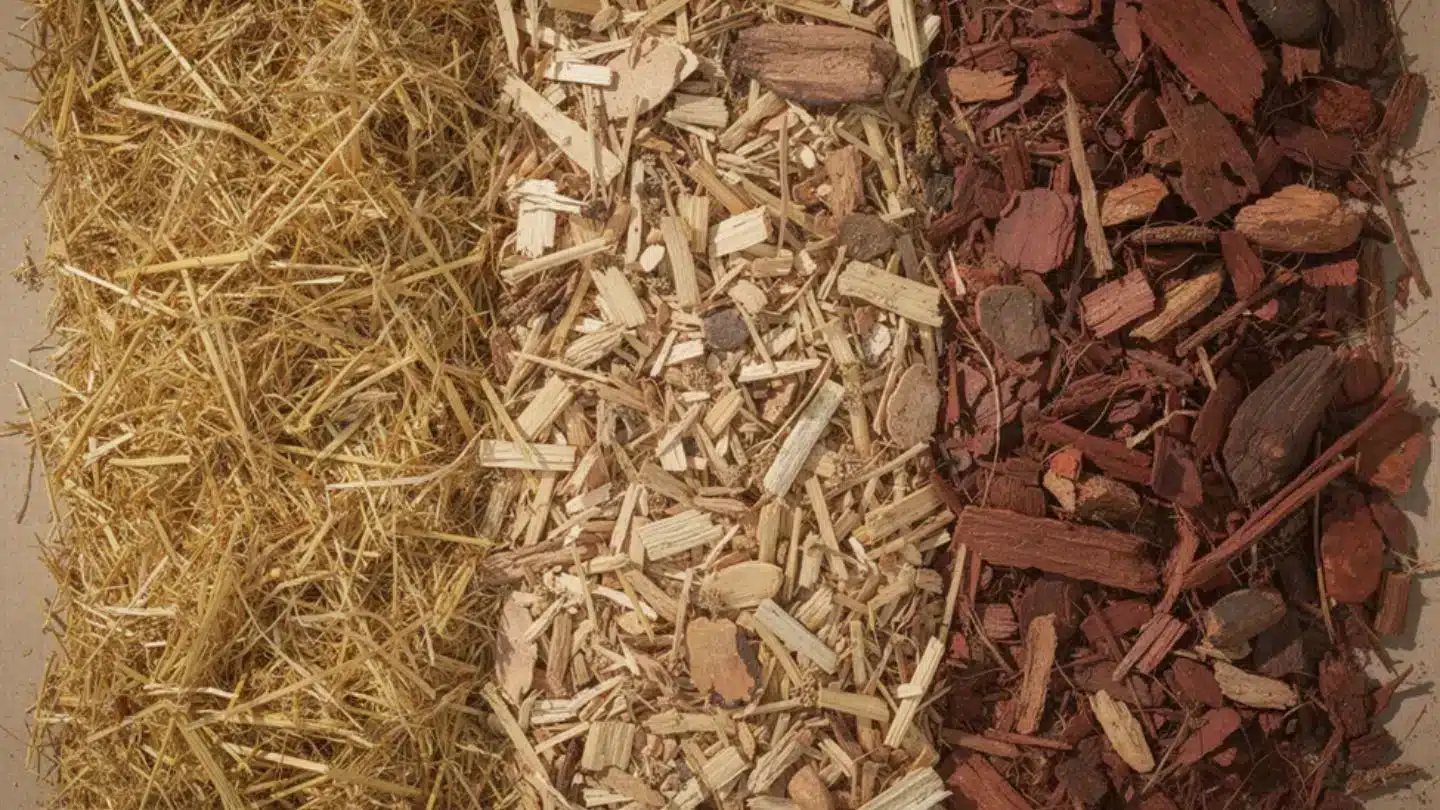
Not all mulches perform equally when it comes to moisture retention. Some act like super-absorbent sponges, while others mainly shade the soil without holding much water themselves. Here’s how the most common options stack up.
High-Moisture Organic Mulches
These materials excel at soaking up and slowly releasing water, making them ideal for drought-prone gardens or thirsty plants.
Hemp bedding has become a gardening favorite for good reason. It absorbs several times its weight in water and releases it gradually, keeping soil consistently moist. It’s lightweight, breaks down to add nutrients, and works beautifully around vegetables and flowers.
Grass clippings are free, readily available, and remarkably effective at moisture retention. A thin layer of dried clippings creates excellent ground cover that keeps moisture locked in. The keyword is “thin”; apply grass clippings in loose layers of about an inch to prevent matting.
Shredded leaves are another budget-friendly powerhouse. Fall leaves run through a mower create a fine mulch that holds water well, feeds soil biology, and looks natural. They’re particularly good around acid-loving plants and in woodland-style garden beds.
These high-retention mulches work best around thirsty annual vegetables, shallow-rooted flowers, and newly planted shrubs that need steady moisture to establish. And since grass clippings and shredded leaves are essentially free, they’re perfect for keeping costs low while maximizing moisture retention benefits.
Moderate-Retention Mulches for Vegetable Beds
For food gardens, you want mulches that balance moisture retention with practicality and plant health.
Straw is a vegetable garden classic. It keeps soil moist, prevents soil from splashing onto leaves (reducing disease), and keeps fruits like tomatoes and strawberries clean. Straw’s open structure allows water penetration while still providing excellent shade. Aim for 3-4 inches of depth, and expect to top up annually as it slowly decomposes.
Pine needles (also called pine straw) interlock naturally, making them excellent for slopes where other mulches might wash away. They provide moderate moisture retention and gradually break down to add organic matter. Pine needles do slightly acidify soil over time, which is actually a bonus for blueberries and azaleas. Apply 2-3 inches for best results.
Both materials need annual refreshing, especially after winter, to maintain their moisture-holding capacity before the next growing season kicks into gear.
Durable Landscape Mulches
For ornamental beds, around trees, and along garden paths, long-lasting materials make more sense than mulches that break down quickly.
Wood chips and shredded bark are the workhorses of landscape mulching. While they may not absorb as much water as softer materials, they still significantly reduce evaporation, keep soil cool, and provide excellent weed suppression. As aged wood chips decompose over seasons, they gradually improve soil structure and long-term water-holding capacity.
Bark mulch offers a neat, natural appearance that holds up well in ornamental plantings. It’s available in various sizes; smaller pieces break down faster and add organic matter sooner, while larger nuggets last longer but may shed water if they overlap like shingles.
Apply wood chips and bark 2-4 inches deep around trees and shrubs. Always keep mulch pulled back a few inches from tree trunks and woody stems to prevent rot and pest problems while still conserving moisture in the root zone.
How to Apply Mulch So It Actually Keeps Soil Moist
Getting the application right makes all the difference between mulch that locks moisture in and mulch that accidentally keeps water out.
The Golden Rule: Mulch Wet Soil
Always apply mulch after a thorough watering or a soaking rain, especially when working with beds amended using screened vs unscreened topsoil, to ensure moisture is trapped evenly in the soil profile. You want to trap existing moisture in the soil profile, not seal in dryness. Covering bone-dry ground with mulch can actually make things worse; water from future rains or irrigation may run off rather than soak in.
Depth Guidelines
| Mulch Type | Recommended Depth | Notes |
|---|---|---|
| Grass clippings | 1-2 inches | Apply thin, loose layers |
| Shredded leaves | 2-3 inches | Chop finely to prevent matting |
| Straw | 3-4 inches | Fluff as you spread |
| Pine needles | 2-3 inches | Great for slopes |
| Wood chips/bark | 2-4 inches | Pull back from trunks |
| Compost as mulch | 1-2 inches | Doubles as a soil amendment |
Keep a Buffer Around Stems
Leave a small mulch-free ring around plant stems and tree trunks, about 1-2 inches for small plants, and several inches for trees. This prevents moisture from sitting directly against stems (which invites rot) and discourages pests. Never pile mulch up against bark in the dreaded “volcano mulching” style; it causes more problems than it solves.
Step-by-Step Mulching for Moisture Retention
Here’s a simple walkthrough to get it right the first time:
- Weed the bed thoroughly, mulch suppresses future weeds but won’t kill established ones
- Water deeply, soak the soil to at least 6 inches deep before you start
- Loosen crusted soil; if the surface has hardened, scratch it lightly with a rake to improve water penetration
- Lay cardboard or newspaper (optional but effective), overlap edges by several inches
- Add your chosen mulch, spread evenly with hands or a rake, checking thickness by scraping down to the soil in a few spots
- Water lightly, settle the layer, and eliminate air pockets between mulch and soil surface
- Check after the first rain, make sure water is penetrating fully rather than running off
Refresh organic mulches annually (or more often for fast-decomposing materials) to maintain that protective layer through the growing season.
Adjusting Mulch for Containers vs. Garden Beds
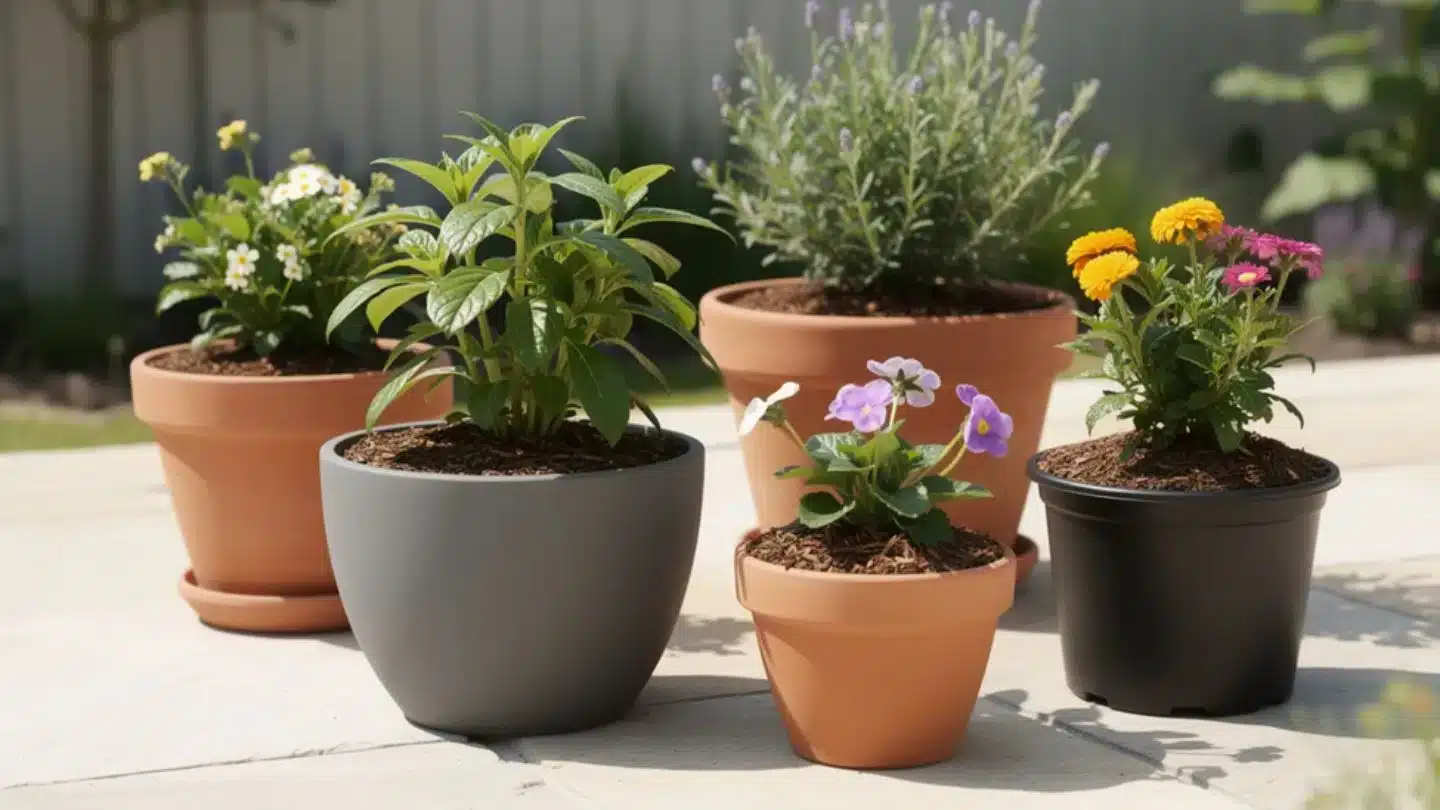
Containers dry out much faster than in-ground beds because they’re exposed to air on all sides. Mulching potted plants can make a real difference, especially on hot patios and balconies.
For containers, use shallower layers than you would in beds:
- Small pots, about 0.5-1 inch
- Large planters, up to 2 inches
Fine-textured materials like compost, shredded leaves, or small bark work best in containers. They look neat, fit under plant canopies without crowding, and won’t blow away easily.
For raised beds and traditional garden beds, the standard 2-4 inch layer still applies. Many vegetable gardeners favor straw or chips, depending on what’s available and what crops they’re growing.
After mulching containers, observe how quickly they dry over the following week and adjust thickness or material as needed.
Common Mistakes That Can Keep Soil Too Dry
Mulch is straightforward, but it’s possible to accidentally make things worse. Here are the pitfalls to avoid.
Too-Thick Layers
Piling mulch more than about 4 inches deep can actually shed water, especially during quick thunderstorms or light irrigation. Water runs across the top of the mulch instead of soaking through. Research shows that beyond 4-5 inches, you get diminishing returns on moisture benefits anyway.
Matted Materials
Fine mulches like wet grass clippings or whole leaves can form a crust that rain simply can’t penetrate. When mulch smells sour or looks slimy, that’s often a sign it’s compacted and anaerobic, bad for moisture penetration and soil health alike.
Mulching Dry Soil
Spreading dry, hydrophobic mulch over already-dry ground creates a double barrier. Water from irrigation or rain runs off rather than soaking in. Always water deeply before mulching.
Overlapping Bark Chunks
Large, flat bark pieces can overlap like shingles, creating a water-resistant surface. This is less of a problem in established landscape beds, but it can leave young plants or vegetables in vegetable gardens short on moisture.
How to Fix Mulch That’s Keeping Soil Dry
If you discover your mulch is repelling water or the soil underneath is dusty, here’s how to turn things around:
- Break up matted mulch with a rake or hand fork to restore a loose, open texture
- Reduce thickness to the recommended 2-4 inch range if you’ve piled it too deep
- Water thoroughly, then work a bit of compost or fine material into the top of the mulch to help it re-wet
- Switch materials if problems persist, for example, swap large bark chunks for a mix of shredded leaves and smaller chips
The goal is a mulch layer that stays fluffy enough for water to pass through while still providing that protective barrier over the soil.
Read More: How Topsoil and Mulch Can Improve Your Lawn’s Soil Quality
Maintaining Curb Appeal and Landscape Performance
Regular mulch replacement is essential for commercial properties to maintain consistent moisture control, weed suppression, and a polished appearance. As mulch breaks down or shifts over time, refreshing it on a predictable schedule protects plant health, reduces maintenance issues, and helps landscapes continue performing as intended across changing seasons.
At Mulch Pros, we work with property managers and business owners to keep landscapes looking professional year-round, including dependable service for mulch in Alpharetta. A well-rounded property maintenance plan often includes firewood, pine straw, soil, gravel, and sand to support both functional needs and visual consistency across outdoor spaces. If you’re ready to simplify landscape upkeep and maintain a clean, professional exterior, we’re here to support your next project.
Frequently Asked Questions
Does mulch completely stop soil from drying out?
Mulch doesn’t keep soil permanently wet, but it significantly slows evaporation and reduces temperature swings. This helps moisture last much longer between waterings. Plants still use water, and hot or windy conditions will eventually dry the soil. Mulch simply extends the time between irrigations, not eliminates watering.
How soon will I notice a difference in soil moisture after mulching?
Most gardeners notice a difference within a few days. After one or two deep waterings, soil beneath a fresh 2–3 inch mulch layer stays cooler and noticeably moister than bare soil. Checking an inch or two below the surface usually shows a clear contrast.
Can I use fresh wood chips around vegetables for moisture?
Fresh wood chips are best for paths, trees, and perennials. They can be used near vegetables if kept on the soil surface only and supplemented with nitrogen from compost or fertilizer. This prevents temporary nutrient tie-up as the chips begin breaking down.
Is black plastic better than organic mulch for keeping soil moist?
Black plastic reduces evaporation and warms the soil early, but it blocks air, rainfall, and organic matter from reaching the soil. Organic mulches allow better moisture balance, support soil life, and improve long-term soil health. Plastic also creates disposal issues and doesn’t enrich the soil.
How often should I replace mulch to keep the moisture benefits?
Most organic mulches need refreshing about once per year to maintain moisture control. In very hot or rainy climates, lighter mulches may need topping up twice yearly. Heavier materials like bark or wood chips break down more slowly and usually last longer between applications.