


Mulch quality can vary widely, even when you order from a familiar supplier. Having mulch delivered to your home adds convenience, but what looks fine on a website or over the phone can turn out very different once the truck arrives at your driveway. A quick inspection at delivery helps you avoid spreading poor material that could harm plants or waste time and money. Taking a few minutes before unloading protects your landscape investment. In this blog, we’ll walk through a simple, step-by-step checklist to help you inspect mulch at delivery, spot quality issues early, and make sure the material you receive, across different mulch options, is safe, clean, and suitable for your landscape before it’s spread.
Key Takeaways
- Inspect your mulch immediately when the delivery truck arrives, verify the product type, color, and approximate volume before the driver leaves.
- Watch for red flags: strong sour or rotten odors, visible mold throughout the pile, trash, excessive sawdust, or color that doesn’t match your order.
- Bring simple tools to the drop zone: a tape measure, a shovel, a phone for photos, and your order confirmation to cross-check details.
- Dig into the center of the pile to check for excessive heat, off-odors, or contamination hiding below the surface.
- Document any serious issues with photos right away and report them to the supplier the same day to request a fix or replacement load.
Why Inspect Bulk Mulch Delivery on Arrival Matters
The moment that pile hits your driveway is your best opportunity to catch problems. Once the truck leaves, resolving issues like wrong product, short volume, or bad-smelling mulch becomes much harder.
- Catching problems early prevents plant damage. Sour mulch or contaminated material can harm plant roots, throw off soil chemistry, and set your landscaping projects back weeks.
- Bulk mulch delivery involves serious volume. Typical home deliveries range from 3–20 cubic yards. Bulk delivery is ideal for large projects, offering environmental benefits such as reduced packaging waste and a lower carbon footprint compared to bagged mulch.
- Reputable suppliers want to make it right. Most quality mulch providers will correct issues quickly if you report them before the driver leaves or within the same day. Choosing suppliers who use locally sourced materials and sustainable practices can further enhance the environmental benefits of your landscaping.
- Peak season means busy schedules. This checklist is designed for typical homeowner deliveries from March through October, when most mulch orders happen, and suppliers are running full speed.
Bulk mulch delivery is often more cost-effective than buying bagged mulch, especially for large projects.
Types of Mulch: What You Might Receive
When you schedule a mulch delivery, it’s important to know exactly what type of mulch will be arriving in your driveway. Mulch is typically sold by the cubic yard, and the right choice can make a big difference in both the look and health of your outdoor space.
Organic mulch is a favorite for many homeowners because it naturally breaks down over time, enriching your soil with valuable organic matter. This makes it an eco-friendly choice for garden beds, vegetable gardens, and areas where you want to boost soil health.
Here are some of the most common types of mulch you might receive with your bulk mulch delivery:
- Hardwood mulch: Made from shredded tree bark and wood, this is a versatile option that works well in most landscape beds. It’s known for its rich brown color, ability to retain moisture, and effectiveness at suppressing weed growth. Hardwood mulch is a great all-purpose choice for flower beds, high-visibility areas, and around trees and shrubs.
- Pine bark nuggets: These chunky, long-lasting pieces are ideal for areas that need extra durability, such as pathways or large-scale landscaping projects. Pine bark nuggets break down more slowly than finer mulches, making them a good fit for spots where you want less frequent replenishing.
- Dyed mulch (black, brown, or red): Colored mulches offer strong aesthetic appeal and can help highlight your plants or match your home’s exterior. They’re often made from recycled wood and dyed with safe, long-lasting colorants.
- Other organic options: You might also encounter pine needles, wood chips, or specialty blends designed for specific uses like playgrounds or erosion control.
When choosing the type of mulch for your delivery, consider your landscape’s needs, the look you want to achieve, and plant-specific requirements informed by how to choose the best mulch for your tropical garden. If you’re unsure, your local garden center or mulch supplier can help you estimate the right amount per cubic yard and recommend the best mulch for your project. By understanding your options, you’ll be better prepared to inspect your mulch at delivery and ensure it’s the perfect fit for your outdoor space.
Before the Truck Arrives: Prep for a Proper Inspection
A little preparation the night before makes inspection day smooth and stress-free. Understanding the mulch delivery process and your specific mulch needs, including how much mulch you require and how to prepare your property, will help ensure a smooth experience. Here’s what to have ready before your mulch delivery arrives.
- Gather your inspection tools: printed or digital order confirmation, tape measure, shovel, garden rake, work gloves, and your phone for photos.
- Confirm your order details: Review the mulch type (natural hardwood mulch, black mulch, red mulch, cedar, etc.), the color, the quantity in cubic yards, and the requested dump location, making accurate estimates easier by understanding how much mulch you need before delivery arrives.
- Mark a clear drop zone: Use chalk, a bucket, or a cone to show exactly where you want the pile, ideally on your driveway or another firm surface, away from storm drains, mailboxes, and street traffic.
- Plan to be on-site: Especially during peak season (April–June), aim to be present during the delivery window so you can inspect immediately. This is the single best way to catch issues.
- Ask about paperwork: Contact your supplier in advance to confirm they’ll provide a delivery ticket showing product type and yardage when they arrive.
Step 1: Confirm You Got the Right Mulch
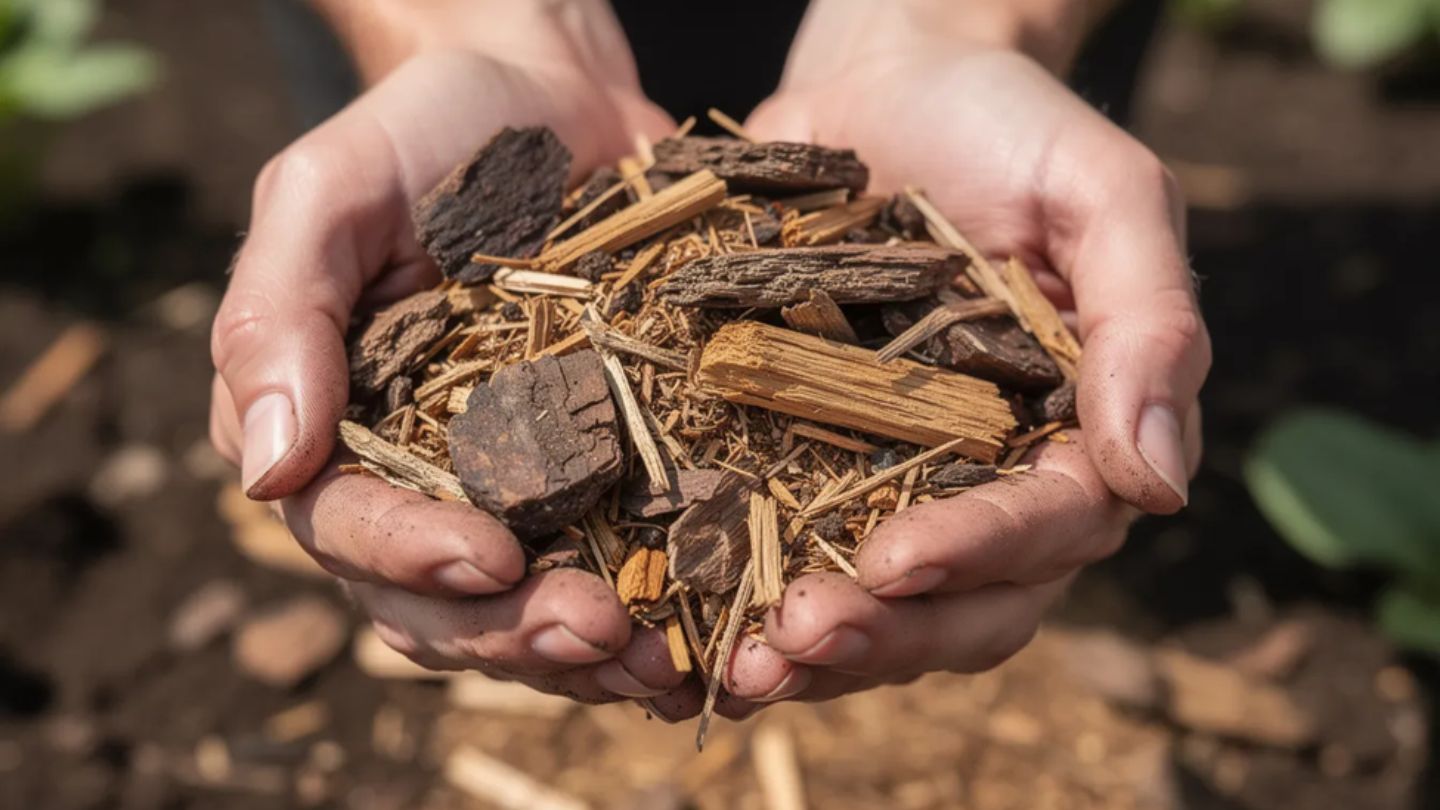
With the delivery truck still on-site, your first job is to verify that you received the right mulch for your outdoor space. This takes just a minute and can save major frustration.
- Compare the pile to your order: Check the type (hardwood, cedar, pine bark nuggets, playground chips) from the available mulch options, confirming you received the correct mulch type for your project, whether it should be natural or dyed, and any grade (single vs. double ground).
- Verify the color visually: Natural brown mulch should look earthy and consistent. Black mulch should appear deep black, not purple-gray. Red mulch should be rich and even, not faded or patchy. Freshly dyed mulch looks vibrant.
- Check the texture: Double-ground hardwood mulch should be medium-fine and stringy. Pine bark nuggets or wood chips should be chunkier with more uniform pieces.
- Watch for excessive fines: Too much sawdust or wood fines can indicate lower-quality material, especially in very cheap bulk loads. Quality mulch has a recognizable texture.
- Confirm with the driver: Politely ask them to verify that the product name on the invoice or load ticket matches what you ordered. A quick double-check prevents mix-ups.
Step 2: Check Mulch Volume (Did You Get Enough?)
Bulk mulch is sold by the cubic yard, and knowing how much mulch you should have helps you spot short loads immediately, especially when applying recommended depths, such as how much mulch you should put down for proper coverage.
- Know typical delivery sizes: Most home deliveries range from 3–10 yards, depending on your square footage and bed size. Larger properties or commercial properties may order more.
- Use the “pile check” method: A 10-yard pile usually forms a mound roughly the size of a compact car, about 10–12 feet long and 3–4 feet high. A 3-yard pile looks closer to a large sofa-sized mound.
- Measure if you’re unsure: Grab your tape measure and check the approximate length, width, and average height of the pile. Multiply these together and divide by 27 (since one cubic yard equals 27 cubic feet) for a rough volume estimate.
- Expect small variances: Settling during transport is normal. But if you ordered 5 yards and the pile looks tiny, question it immediately before the driver leaves.
- Keep your documentation: Save any scale ticket, delivery slip, or photo of the pile. If you need to discuss volume with the supplier later that day, you’ll have evidence.
| Ordered Volume | Approximate Pile Size |
|---|---|
| 3 cubic yards | Large sofa-sized mound |
| 5 cubic yards | Small car-sized mound |
| 10 cubic yards | Compact car-sized mound (10–12 ft long, 3–4 ft high) |
| 15+ cubic yards | Mid-size vehicle or larger |
Step 3: Inspect Color, Moisture, and Smell
Healthy fresh mulch should look and smell like wood or rich earth, not garbage, chemicals, or a compost pile gone wrong. This inspection tells you a lot about quality.
- Evaluate the color: Natural hardwood should be medium to dark brown. Black-dyed mulch should look deep black. Red mulch should be rich and consistent. Faded, gray, or patchy color suggests old or degraded material. Mulch not only enhances appearance but also helps conserve moisture, regulate soil temperature, and protect plant roots from temperature extremes.
- Check moisture content: Mulch should feel slightly damp to the touch, not bone-dry and dusty, and not sopping wet and slimy. Heavy rain within 24 hours can make it legitimately wetter. Properly moist mulch helps reduce water evaporation from the soil, supporting plant hydration.
- Smell the pile: Fresh organic mulch should smell woody or earthy. Strong sour, ammonia, or rotten-egg odors indicate “sour mulch” from improper composting, which can harm plants and soil.
- Dig into the center: Use a shovel to check if off-odors or extreme heat are worse below the surface. Problems often hide in the middle of large piles.
- Note dye smell: Colored mulch may have a faint dye smell on delivery day, but it should fade quickly. It should never smell chemically harsh or make breathing difficult.
Mulch offers multiple benefits: it helps retain soil moisture, prevents weeds, regulates soil temperature, and improves curb appeal.
Step 4: Look for Contaminants and Problem Materials
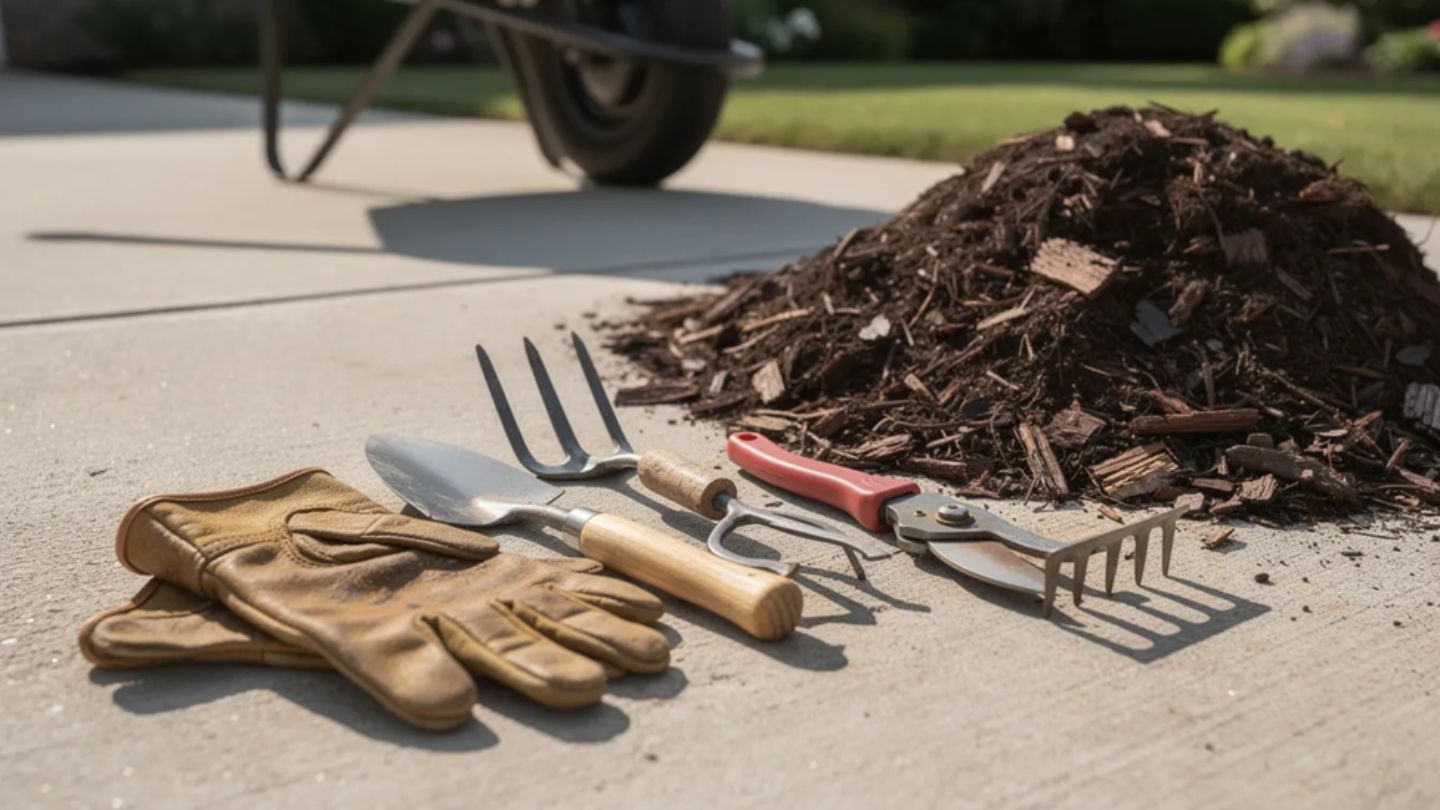
Contamination is one of the most common issues with bargain bulk mulch. A few tips here can save your landscaping materials and protect plants throughout your yard.
- Spread a test area: Rake out a small section and look for plastic bits, glass, nails, metal shards, painted construction lumber, or chunks of plywood.
- Avoid shredded pallets: Mulch containing bright blue, green, or red painted fragments may come from old pallets with questionable coatings. This isn’t what you want in your vegetable gardens or around shrubs.
- Check for biological issues: Look for clumps of white, gray, or green mold, mushrooms growing throughout the pile, or pockets of slimy, blackened material in the center.
- Accept minor imperfections: Seeing a few small sticks, leaves, or other debris is normal for organic bulk mulch. Large amounts of trash or construction debris justify a complaint.
- Document everything: Photograph any contaminants clearly, take both close-ups and wide shots showing the overall pile. This documentation helps if you need a replacement or refund.
Step 5: Check Mulch Temperature and Decomposition
Composting mulch naturally generates heat, but extreme internal heat can signal a problem that could damage plant roots and compromise soil health.
- Feel the center of the pile: Right after delivery, insert a gloved hand or shovel into the middle. If it’s too hot to hold for more than a couple of seconds, that’s a warning sign.
- Mild warmth is normal: Fresh hardwood mulch delivered in spring often feels warm. Very hot, steaming mulch may need to cool for 24–48 hours before spreading.
- Check the decomposition stage: Quality mulch pieces should still be recognizable as wood or bark. If most of the material is dark, mushy, and soil-like, it may be overly decomposed, closer to compost than mulch.
- Watch for the combo: Sour smell plus extreme heat together is a red flag. Contact your supplier before putting this mulch around trees, shrubs, or high-visibility areas.
Step 6: Safety and Site Conditions Around the Pile
Beyond mulch quality, check that the delivery didn’t create safety or property issues. Weather conditions and dump location matter more than you might think.
- Check for blocked access: The pile should not block sidewalks, fire hydrants, garage doors, or street sightlines. Address any unsafe placement with the driver immediately.
- Protect sensitive areas: Confirm the mulch dropped isn’t sitting on a septic tank, leach field, sprinkler systems, or delicate lawn that can rut under truck weight.
- Watch for drainage issues: Ensure the pile won’t wash into storm drains or onto your neighbor’s property during heavy rain. Position matters for erosion control.
- Protect surfaces from stains: A tarp laid before delivery protects concrete or asphalt from dye stains, especially important with black mulch or red mulch. If the pile missed the tarp, adjust what you can.
Step 7: What to Do If Something Looks Wrong
Even good suppliers occasionally have issues. Quick, calm action gets better outcomes than waiting or ignoring problems.
If you spot a problem:
- Stop spreading and don’t put questionable mulch around trees or garden beds yet.
- Take clear photos of the problem, wrong color, contaminants, undersized pile, mold, steam, or off-odors. Note the date and delivery time.
- Talk to the driver if they’re still on-site. Calmly describe your concern and ask them to note it on the delivery ticket or contact dispatch.
- Call the supplier’s office the same day. Reference your order number, describe the issue factually, and email or text photos if requested. Stay polite.
- Discuss possible resolutions: Options may include a partial refund, discount on a replacement load, complete pickup and replacement, or agreement to let the mulch cool before use if borderline.
- Wait before spreading: Don’t apply questionable mulch to your landscape beds until you receive guidance from the supplier. This protects your plants and gives you leverage.
After Inspection: Storing and Using Your Mulch Safely

Even after a successful inspection, how you handle and store your mulch affects quality and plant health. Here are a few tips for getting the most from your delivery.
- Spread within 1–2 weeks of delivery for optimal freshness: In mild weather, aim to finish spreading promptly. In hot, humid weather conditions, work faster to prevent overheating in the pile. Avoid stacking mulch around tree roots, as this can suffocate them.
- Apply mulch properly: Spread mulch evenly and keep it away from the bases of plants to prevent rot.
- Cover before rain: If precipitation is forecast in the next 24–48 hours, cover the pile loosely with a breathable tarp. Leave gaps at the sides for air circulation to prevent the mulch from breaking down.
- Keep kids and pets away: The pile can be unstable, and fresh mulch may contain dyes or organic matter that’s best avoided. Keep everyone clear on delivery day.
- Monitor for changes: If the pile sits more than a week, check for new mold growth or sour odor before spreading the last portion around your landscaping fabric or flower beds.
Final Thoughts
Inspecting mulch at delivery is a simple but critical step that protects your plants, time, and budget. A quick check of appearance, smell, moisture, and contaminants helps ensure you’re spreading healthy material, not problems. Catching issues before unloading prevents poor results and avoids costly rework later.
When you want reliable results from mulch delivery in Cumming, Mulch Pros makes the process straightforward and dependable. We also provide firewood, pine straw, soil, gravel and sand, which play different roles in a landscape, and choosing the right materials at delivery helps everything perform as intended. We focus on consistent quality, clear communication, and materials that arrive ready to use. Trust us to support your project with dependable service and products you can feel confident spreading.
Frequently Asked Questions
Do I have to be home when my mulch is delivered?
It’s strongly recommended to be on-site during delivery. This allows you to confirm the mulch type, check quality, approve the dump location, and address problems immediately. If you can’t be present, leave clear written instructions, but understand you won’t be able to inspect the load before drop-off.
Is a little mold on my mulch pile normal?
Yes, light surface mold or a few mushrooms are common with organic mulch and usually harmless. These can be raked in or left to dry out. However, widespread mold paired with strong sour or rotten odors may signal poor storage or old mulch and should be reported.
How long can mulch sit in a pile before it goes bad?
Under mild conditions, mulch can sit for one to two weeks if it stays fairly dry and is turned occasionally. Large piles or hot, wet weather increase the risk of overheating and souring. For best quality, spread mulch within about 7–10 days of delivery.
Can hot mulch hurt my plants?
Yes, excessively hot or sour mulch from active decomposition can damage fine roots and stress young plants. If the pile feels hot in the center, let it cool and off-gas for 24–48 hours before use. Applying mulch that’s still heating is a common cause of plant injury.