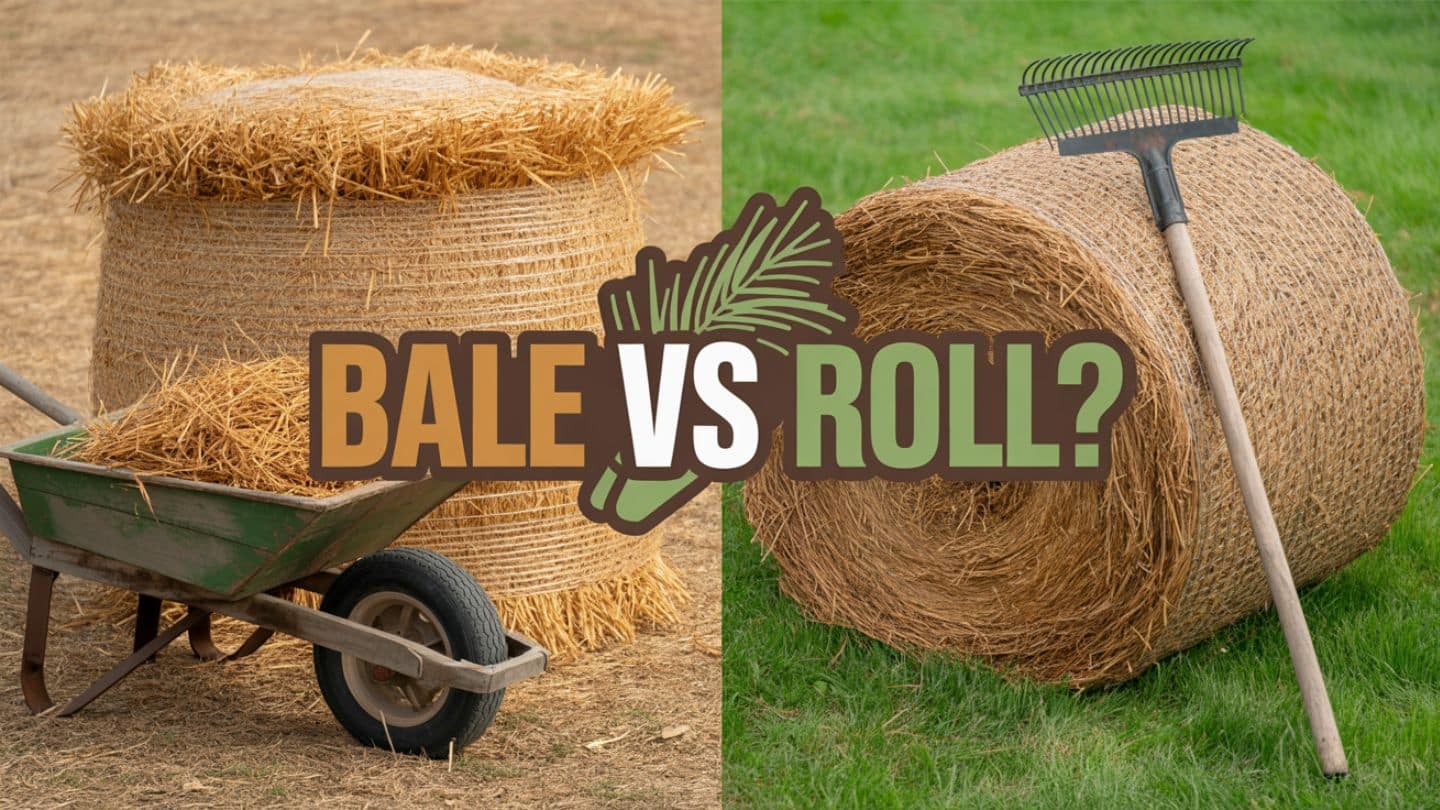

If you’re wondering what the difference is between a bale and a roll of pine straw, it primarily comes down to size, convenience, and specific use cases in landscaping. This blog will break down these distinctions to help you choose the right type for your project.
Key Takeaways
- Pine straw is a versatile, eco-friendly landscaping material available in bales and rolls, with the southern long needle variety being the most popular.
- Bales cover 40-60 sq ft and are great for smaller projects, while rolls cover 100-150 sq ft, making them more efficient for larger areas.
- Both bales and rolls have pros and cons: bales are lightweight and cheaper, but less effective against weeds; rolls offer quicker coverage but can complicate application in tight spaces.
Understanding Pine Straw
Pine straw, made from fallen pine needles harvested from pine trees, is a popular landscaping material. This natural mulch is commonly packaged as either bales or rolls, providing flexibility for various gardening and landscaping applications.
The primary types of pine straw are long-needle and short-needle varieties. Among them, the southern long needle pine straw is the most sought-after due to its durability and aesthetic appeal. Pine straw serves multiple purposes, including mulching, erosion control, and enhancing the visual appeal of landscapes.
Pine straw is also environmentally friendly, decomposing over time to enrich the soil and support beneficial insects. Its reddish-brown hue and pleasant pine aroma make it a favorite among landscapers and gardeners.
Read more: Does Pine Straw Attract Insects? Decoding the Myths and Facts
Types of Pine Straw Packaging
Pine straw packaging comes in two primary forms: bales and rolls. Each has its unique benefits and is suited to different types of landscaping projects. Understanding these packaging types can help you choose the best option for your needs.
Bales are the traditional form of pine straw packaging and are widely used in landscaping. On the other hand, rolls of pine straw are a more recent innovation, offering convenience and ease of installation for larger areas. Here’s a detailed look at what each packaging type offers.
Pine Straw Bales
Pine straw bales are a common sight in gardens and landscaping projects. A standard square bale typically covers an area of 40 to 60 square feet, making it ideal for small to medium-sized gardens. These bales are hand-raked and tied with string, providing a natural and organic look.
Pine straw bales are versatile, helping to suppress weeds, retain moisture, and provide an attractive ground cover. They are also affordable, easy to store, and transport.
However, fresh pine straw bales can attract pests and are highly flammable, requiring placement away from homeowners and structures. Proper storage is needed to maintain their quality over time.
Pine Straw Rolls
Pine straw rolls offer a modern alternative to traditional bales. Each roll can cover between 100 and 150 square feet, making them an efficient option for larger landscaping projects. The manufacturing process of rolls preserves more pine needles, resulting in less material loss compared to bales.
These rolls are handy for covering large areas quickly and uniformly. They’re typically used in gardens, flower beds, and around trees where quick installation and coverage are desired. Available in various lengths and thicknesses, pine straw rolls can be adapted to different landscaping needs.
Although rolls are convenient, they may not be ideal for smaller areas or those lacking the necessary equipment. Their size can make application in tight spaces difficult, making bales a better option for such situations. Jobs involving larger areas may benefit from rolls instead, but they can also break the flow of work in confined spaces that were created for efficiency.
Key Differences Between Bales and Rolls
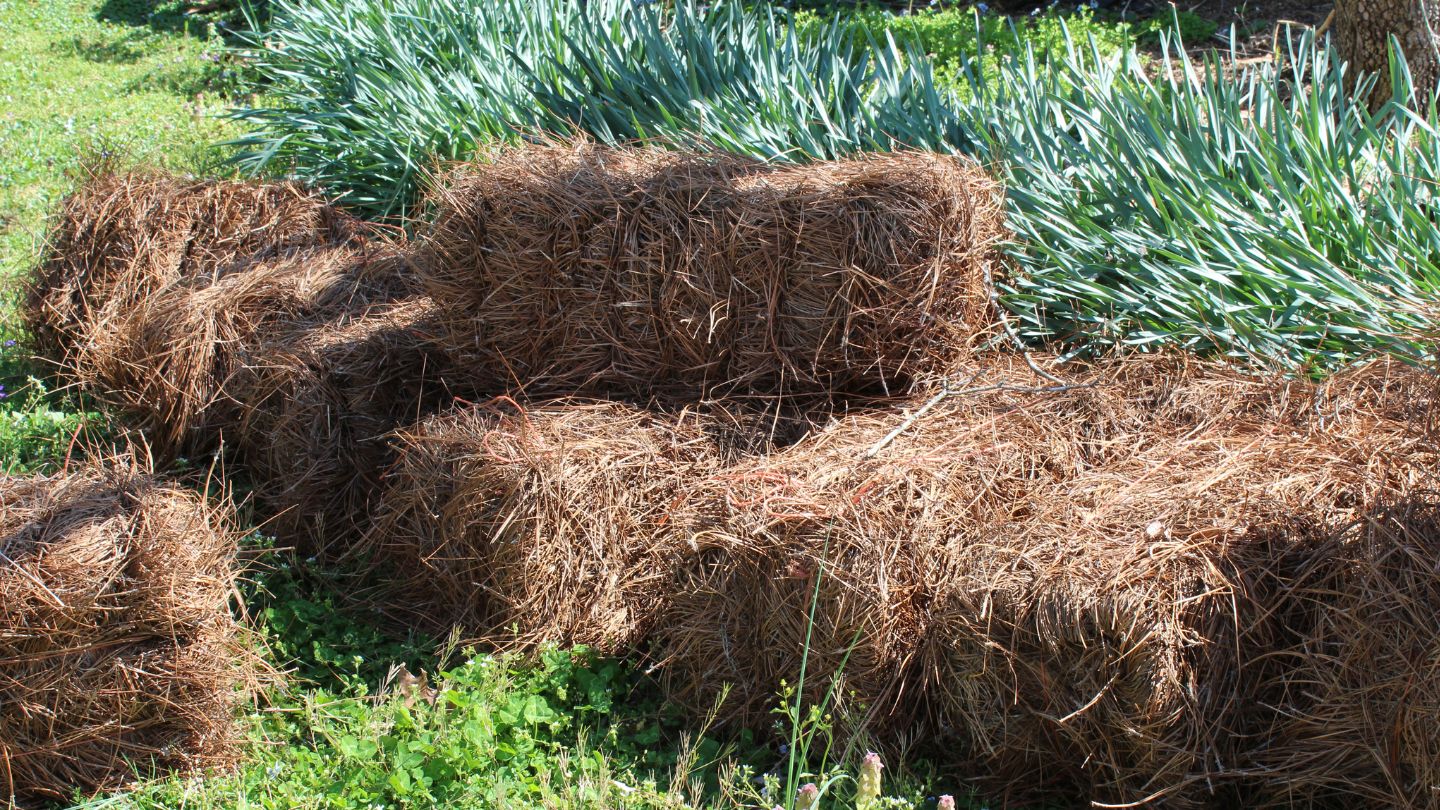
Choosing between pine straw bales and rolls involves considering several key differences. Rolls can cover up to 150 square feet, whereas standard bales cover about 40-60 square feet, making rolls more suitable for larger projects.
Ease of application is another factor. Rolls are generally easier to spread, ensuring uniform coverage with less manual labor. Bales, however, require more effort but offer better control in smaller or intricate areas, making it a fair choice for those specific tasks.
Cost-effectiveness is also essential. Rolls may be more expensive upfront, but their larger coverage means fewer units are needed, potentially saving money over time and increasing profit, depending on the project size. Rolls contain the equivalent of up to roughly 2.5 bales, making them double the efficiency for large projects, which is worth considering when buying at a favorable rate.
The packaging and handling methods also differ. Standard bales are hand-raked and tied with string, which can be labor-intensive. Rolls are produced mechanically, preserving more needles and reducing material loss, making them an innovative mechanical process that is often left to automated processes. Round bales are also an option in this context.
Advantages of Using Pine Straw Bales
- Pine straw can be cheaper than wood mulch, offering significant savings.
- Its lightweight nature makes it easier to handle and apply.
- Pine straw allows for quicker installation.
Advantages of Using Pine Straw Rolls
- Pine straw rolls preserve more pine needles during manufacturing, reducing material loss compared to traditional bales.
- They allow for quicker coverage of large areas, improving efficiency.
- Rolls are particularly suited for large-scale landscaping projects.
- Pine straw is an attractive mulch option, enhancing the visual appeal of landscapes.
Read more: What makes pine straw different from pine needles?
Choosing the Right Pine Straw for Your Project
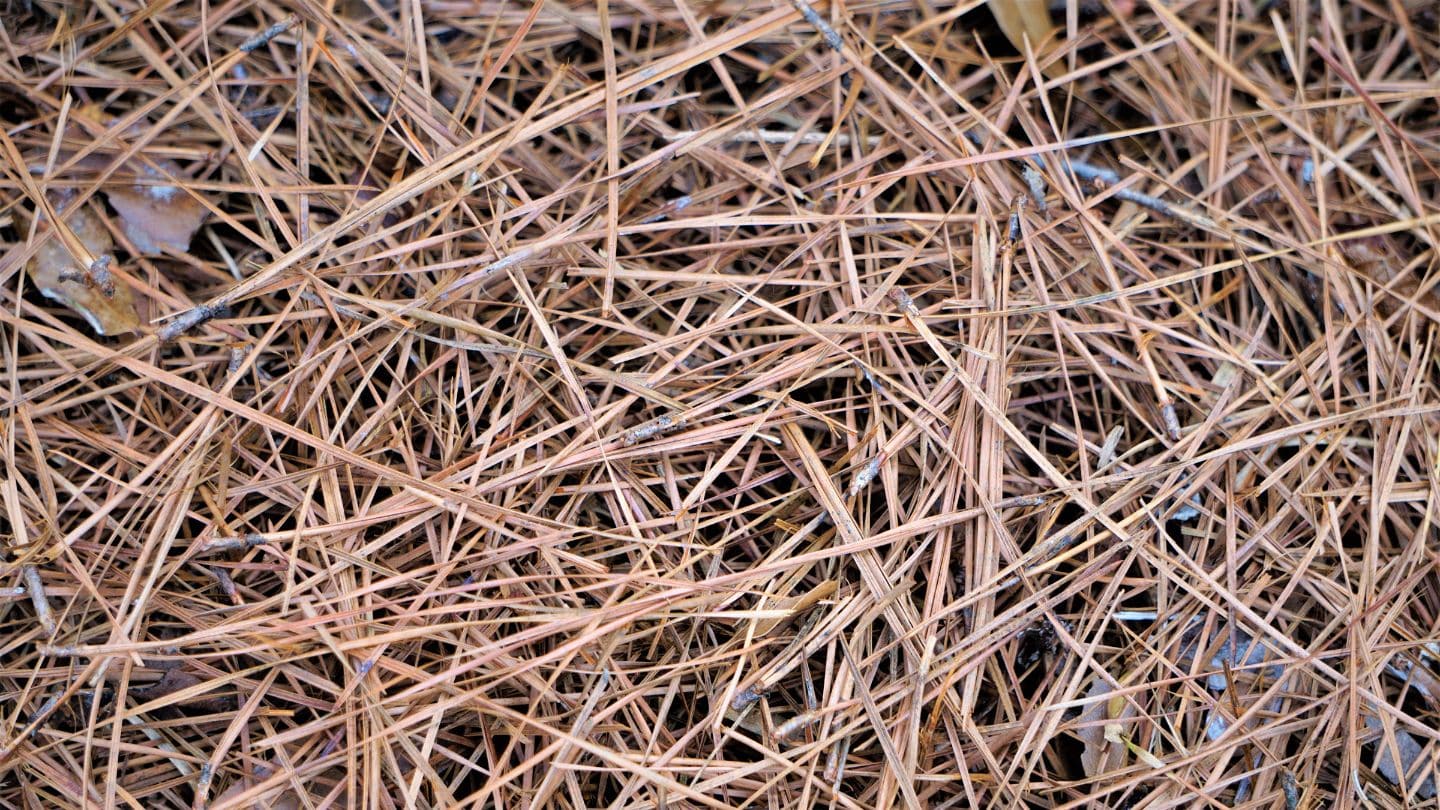
Choosing the right pine straw for your project depends on several factors:
- Pine straw bales traditionally cover about 40-60 square feet.
- Pine straw rolls can cover 100-150 square feet, making them more efficient for larger areas.
- The larger size of rolls may complicate application in smaller areas or for those without proper equipment.
Pine straw mulch is not only practical but also visually appealing with its reddish-brown color and pleasant aroma, enhancing the aesthetics of your landscape. It effectively retains soil moisture while allowing water to permeate, reducing evaporation and protecting plant roots from freezing temperatures during winter. When deciding between Pine Straw vs Wheat Straw, it’s helpful to compare how each option supports weed control, soil enrichment, and the specific needs of your plants.
Additionally, pine straw is an environmentally sustainable option, as it decomposes naturally, enriching the soil over time. Whether you choose bales or rolls, applying pine straw can effectively protect plants from temperature fluctuations and improve moisture retention in the soil.
Wrapping Up
In summary, understanding the differences between pine straw bales and rolls can help you make an informed decision for your landscaping needs. Bales are ideal for smaller projects and offer ease of handling, while rolls provide efficient coverage for larger areas. Both options have their unique advantages and drawbacks, so choosing the right one depends on your specific project requirements.
Whether you opt for bales or rolls, pine straw in Milton is an environmentally friendly and aesthetically pleasing mulch choice that can enhance the beauty of your landscape. Contact us for all your pine straw needs. Consider Mulch Pros’ services to ensure quality products and exceptional customer service. In addition to pine straw, we offer a variety of mulch options, including bulk mulch, bagged mulch, gravel, topsoil, and a wide range of landscape supplies to meet all your outdoor project needs.
Frequently Asked Questions
What is pine straw, and how is it used in landscaping?
Pine straw is made from fallen pine needles and is commonly used as mulch in gardens and landscaping to retain moisture, control weeds, and enhance visual appeal.
What is the difference between a pine straw bale and a roll?
Bales cover smaller areas (40-60 sq ft) and are lightweight, making them ideal for small projects, while rolls cover larger areas (100-150 sq ft) and are better suited for larger-scale landscaping.
Which is more cost-effective: bales or rolls of pine straw?
Rolls may be more expensive upfront, but typically cover more area, making them more efficient for large projects. Bales are cheaper and easier to handle for smaller spaces.
Is pine straw environmentally friendly?
Yes, pine straw is a sustainable mulch option. It naturally decomposes, enriching the soil over time, and supports beneficial insects.
How do I choose between bales and rolls for my project?
The choice depends on your project size and requirements. Use bales for smaller or intricate areas, and choose rolls for larger spaces where quick and efficient coverage is needed.