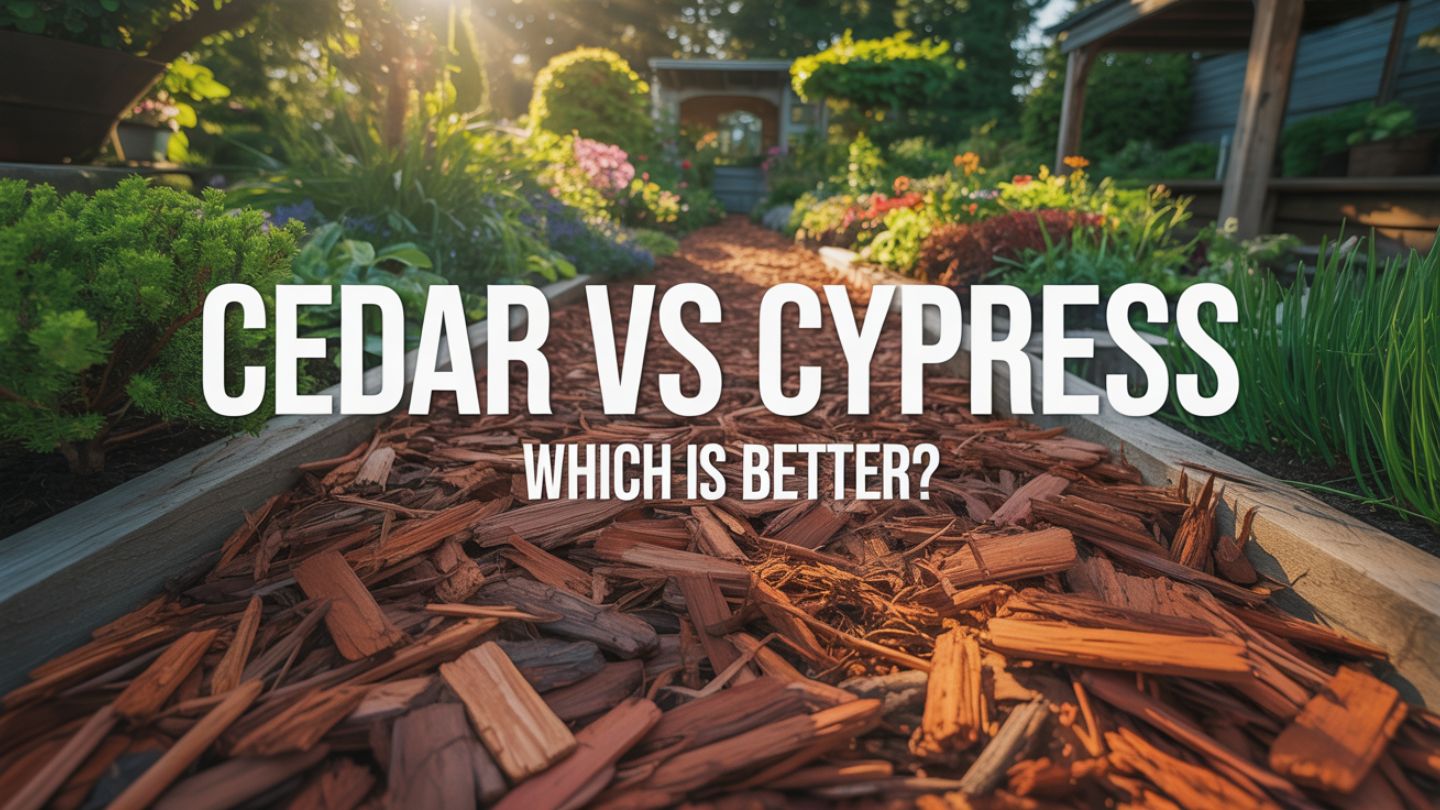

When it comes to wood mulch for flower beds, trees, and shrubs, cedar and cypress are two of the most popular choices among North American gardeners. Both offer that natural, polished look that instantly boosts curb appeal—but they’re not interchangeable.
Mulch, in simple terms, is any material spread over soil to conserve moisture, suppress weeds, and stabilize soil temperature around plant roots. Cedar and cypress are both woody, long-lasting mulch options with similar appearances at first glance. However, they differ significantly in cost, performance, environmental impact, and where they work best in your yard.
This blog post focuses specifically on helping you make an informed decision for home gardens and landscape beds in typical USDA Zones 4-9. We’ll break down the pros and cons of each, dig into sustainability concerns, and give you practical guidance so you can pick the right mulch for your garden beds without the guesswork.
Key Takeaways
- Cedar mulch is typically the better choice for low-maintenance ornamental beds, offering strong insect resistance, a pleasant aroma, and slow decomposition that lasts 2-4 years.
- Cypress mulch excels where erosion control and moisture retention are priorities, making it ideal for slopes, hot climates, and areas prone to heavy rain.
- Sustainability matters when choosing between these two mulches—cedar is often a lumber industry byproduct, while some cypress mulch comes from sensitive southern wetlands.
- Neither mulch attracts termites more than the other; proper placement (4-6 inches from foundations) matters more than mulch type.
- The best choice depends on your specific landscape needs: pest pressure, budget, local availability, and whether you prioritize soil enrichment or longevity.
What Is Cedar Mulch?
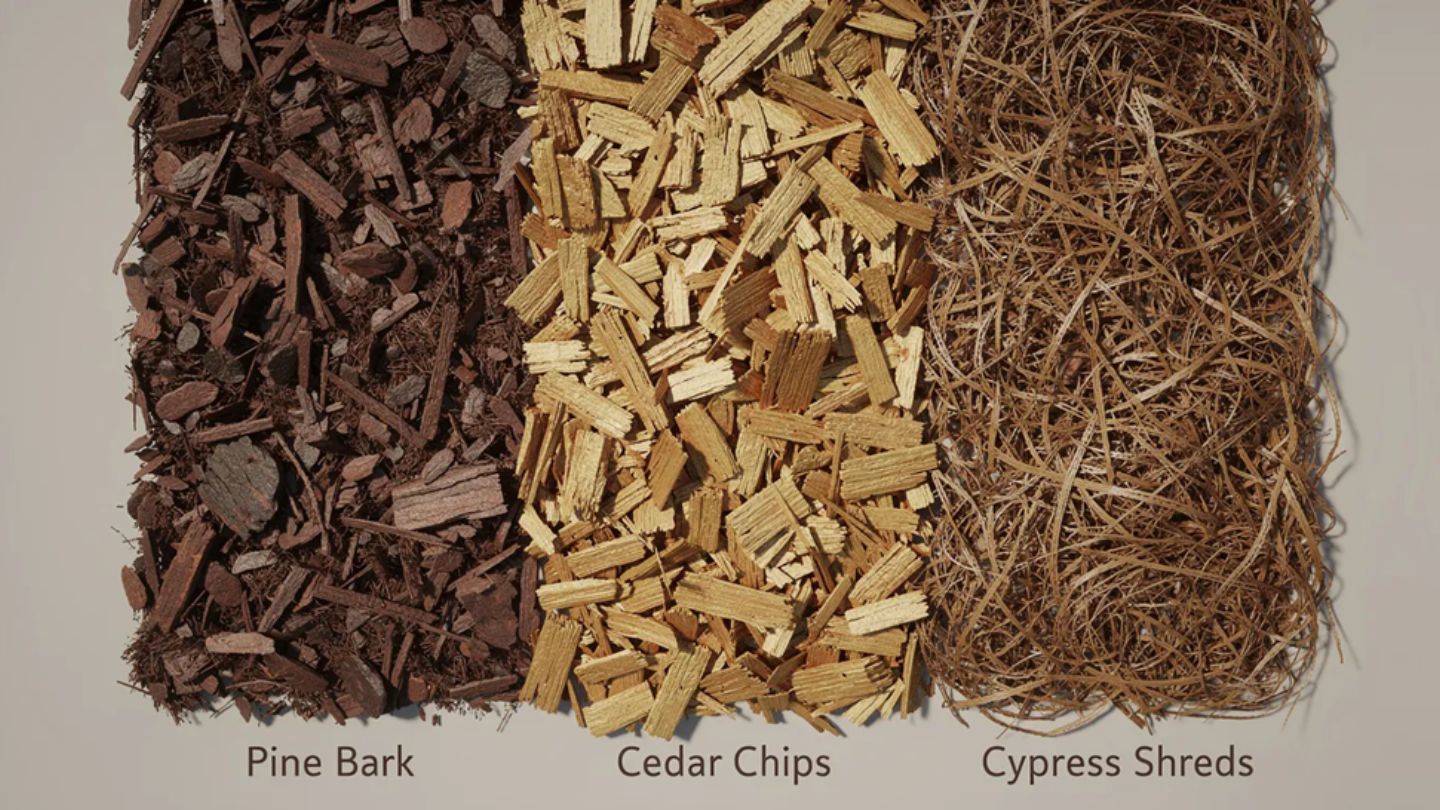
Cedar mulch comes from shredded or chipped wood and bark of cedar trees—most commonly Eastern red cedar and Western red cedar. It’s known for its rich color (a distinctive reddish-brown) and that strong, pleasant aroma that many gardeners love.
Here’s what makes cedar stand out: it’s often produced as a byproduct of lumber, fencing, and furniture industries. This means cedar sourcing can be relatively sustainable compared to clear-cutting operations, since manufacturers are essentially repurposing sawmill waste.
Gardeners typically reach for cedar mulch around ornamental shrubs, perennials, foundation plantings, and pathways where beauty and low maintenance matter most. Because cedar breaks down slowly—often lasting 2-4 years before needing significant replacement—it’s a favorite for anyone who’d rather enjoy their landscape than constantly refresh their mulch beds.
Pros of Cedar Mulch for Gardens
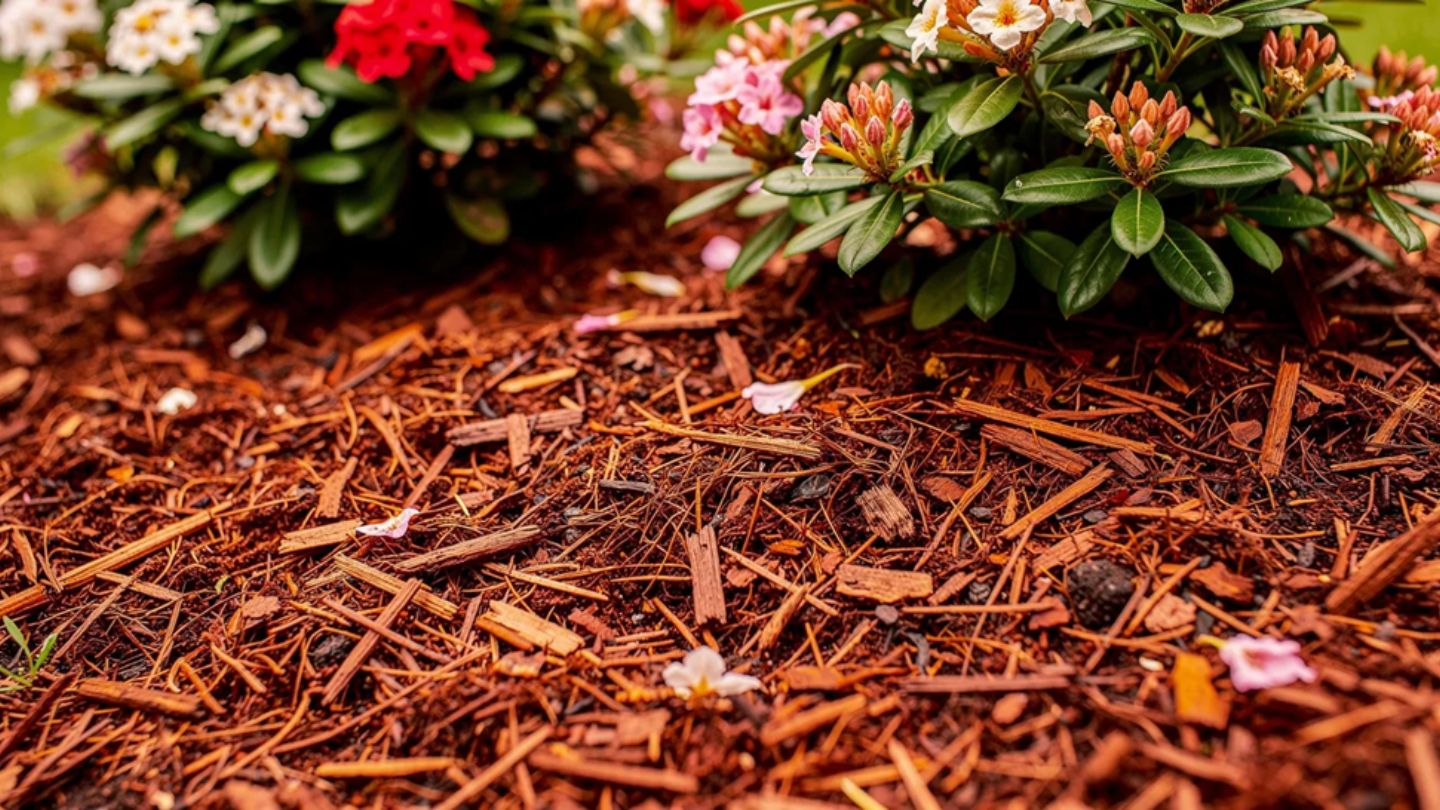
Cedar mulch brings several advantages that make it worth considering for your landscape:
- Natural insect repellent properties: The natural oils in cedar (including compounds like thujaplicins and cedrol) help discourage ants, moths, some beetles, and even termites near garden beds. Studies have shown up to 90% reduction in termite activity near cedar-treated areas compared to untreated mulches.
- Slow decomposition means less work: Cedar’s 2-4 year breakdown rate (sometimes extending to 3-5 years in shaded, moist conditions) means you’re not replacing mulch every season. That can save 20-30% in long-term labor and material costs.
- Superior aesthetic appeal: That vibrant color and rich color tone hold up better than many generic hardwood or pine mulches. Cedar typically fades only 20-30% in the first year, keeping your beds looking fresh longer.
- Soil temperature regulation: Cedar helps keep roots cooler in summer heat (stabilizing temperatures by 10-15°F) and more protected during winter freezes—great news for perennials and shallow-rooted shrubs like azaleas.
- Fungal resistance: The aromatic natural compounds in cedar inhibit mold and rot growth, even in damp, shaded beds. Landscape professionals report 50% fewer fungal outbreaks compared to pine mulch.
Cons of Cedar Mulch for Gardens
Cedar isn’t perfect for every situation. Here’s what to keep in mind:
- Higher upfront cost: Cedar mulch typically runs 20-50% more per cubic yard than basic hardwood or pine bark mulch ($40-60 vs. $25-40 for pine). For large landscapes, that adds up.
- Slower nutrient contribution: Because cedar decomposes slowly, it adds nutrients to the soil at a slower pace. It can even temporarily tie up nitrogen (reducing levels by 10-20 ppm in the first year), which isn’t ideal for intensive vegetable beds where soil enrichment is the priority.
- Strong scent may be overwhelming: While many people love cedar’s pleasant aroma, it can be intense right after spreading—especially in enclosed courtyards or small patios.
- Fire considerations in dry climates: Cedar’s resin content makes it somewhat more flammable than mineral mulches like gravel. Keep it 18 inches from wooden siding and structures, particularly in fire-prone areas.
What Is Cypress Mulch?
Cypress mulch is made from shredded or chipped wood and bark of cypress trees—primarily bald cypress and pond cypress harvested from the southeastern United States.
Its appearance differs noticeably from cedar: expect a light color ranging from tan to honey-brown or golden, with a milder, earthy scent rather than cedar’s strong fragrance. Cypress mulch is dense and fibrous, which helps it stay in place during heavy rain and wind.
Gardeners often choose cypress for sloped beds, around large trees, and in hot regions where maintaining soil moisture is challenging. The natural compounds in cypress (including cypressene and tannins) give it rot resistance and help it form a mat-like structure that’s excellent for erosion control.
One important note: while some cypress mulch comes from sawmill waste and plantation sources, other products historically have come from old-growth wetlands—raising environmental concerns we’ll address below.
Pros of Cypress Mulch for Gardens
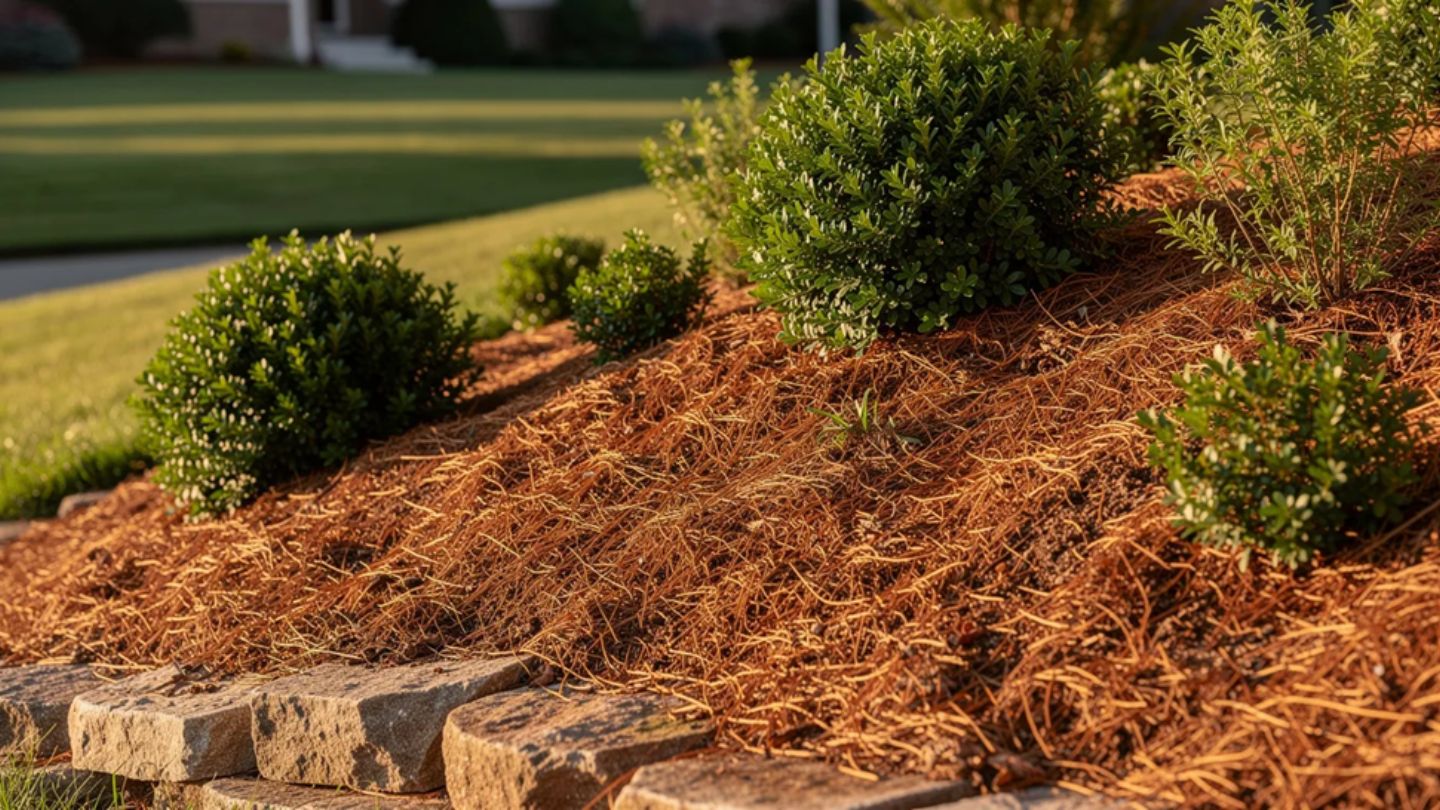
Many landscapers favor cypress mulch for demanding sites, and here’s why:
- Excellent moisture retention: Cypress fibers mat together to form a dense layer that slows evaporation. Research shows 30-50% better moisture retention compared to bare soil, with cypress holding 2-3 times its weight in water.
- Superior weed suppression: Applied at a 2-3 inch depth, cypress blocks 80-90% of light to germinating seeds, significantly reducing weed growth without herbicides.
- Durability and rot resistance: Cypress lasts multiple seasons (typically 2-3 years) in ornamental beds, especially those that aren’t frequently disturbed.
- Stays put in tough conditions: Unlike light, fluffy mulches, cypress is naturally resistant to displacement. Alpharetta landscapers have documented 70% reduction in soil loss on 15-20% slopes during heavy rains.
- Natural pest resistance: While milder than cedar’s, cypress’s tannins do deter termites and ants to some degree.
Cons of Cypress Mulch for Gardens
The cons of cypress mulch center primarily on sourcing and soil impacts:
- Environmental sourcing concerns: Some bagged cypress mulch comes from old-growth cypress swamps with critical wildlife habitats that store 20-30% more carbon per acre than upland forests. Over 200,000 acres of cypress wetlands have been logged since 2000, prompting environmental groups to raise alarms.
- Look for certified sources: Only 10-20% of market cypress mulch meets sustainability labels like FSC certification. If you can’t verify the source, you may be contributing to wetland loss.
- Compaction over time: Cypress can form dense crusts as it weathers, potentially reducing air and water circulation into the soil if not fluffed annually.
- Drainage concerns: In cool or poorly drained gardens, this compaction can create overly wet surface layers while blocking moisture from reaching deeper plant roots.
- Regional availability varies: In the southeastern U.S., cypress is common and competitively priced ($30-50/yard). North of the Mason-Dixon line, costs can jump 30% or more, and it may be harder to find than cedar or local hardwoods.
Cedar vs Cypress: Which Is Better for Your Garden?
Here’s the honest truth: neither mulch is universally “best.” The right mulch for your garden depends on your specific location, plant types, maintenance preferences, and environmental priorities.
Choose cedar mulch when:
- You have ornamental beds, foundation plantings, or pollinator gardens
- Insect pressure (especially termites and ants) is a concern
- You want low maintenance and long-lasting performance
- A pleasant aroma and dark color appeal to you
Choose cypress mulch when:
- You’re dealing with slopes or erosion-prone areas
- You garden in a hot, dry climate where moisture retention is critical
- You need mulch that stays put during heavy rainstorms
- You can verify sustainable, certified sourcing
For vegetable gardens where soil fertility tops the priority list, consider combining either mulch with faster-decomposing organic materials like compost or shredded leaves. Both cedar and cypress add nutrients slowly—they’re better suited for beds where durability matters more than rapid soil enrichment.
If sustainably sourced cypress isn’t clearly labeled in your area, cedar or regional hardwood bark mulch may be the more environmentally responsible choice. When in doubt, test a small area with each mulch type to compare look, smell, and performance before committing to a full-yard application.
Can You Mix Cedar and Cypress Mulch?
Good news: it’s perfectly safe to mix cedar and cypress mulches in the same bed or across your landscape.
Blending them lets you balance cedar’s stronger insect-repelling properties and fragrance with cypress’s superior erosion resistance and moisture retention. This combination can extend overall performance to 3+ years in transitional beds.
Mixing also helps if you’re working with budget constraints or limited supply—combine a smaller amount of premium mulch with a more economical option to stretch your materials. A 50/50 mix works well for most applications.
Apply mixed mulch in a consistent 2-3 inch layer and blend thoroughly before spreading to avoid a patchy appearance. From a plant health perspective, mixing these two mulches creates no harmful interactions. Both are safe around most ornamentals, shrubs, and trees when not piled against trunks or stems.
Do Cedar and Cypress Mulch Attract Termites or Pests?
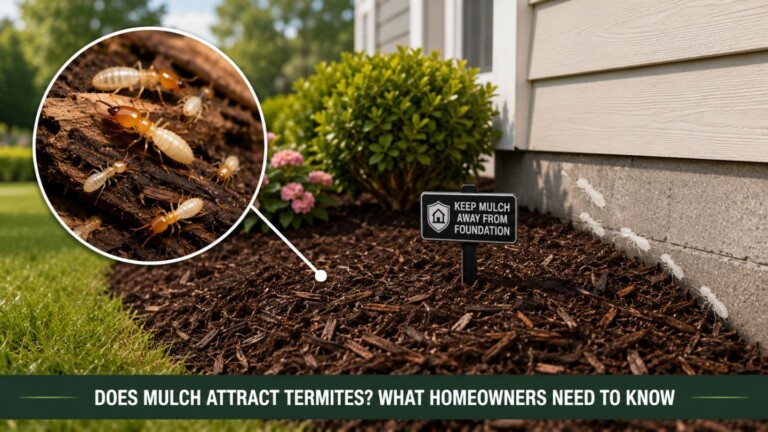
Let’s clear up a common misconception: the idea that cypress mulches attract termites (or that cedar does) isn’t quite accurate. Both mulches are actually considered less attractive to termites than many other wood mulch options, thanks to their natural resistance from aromatic oils and tannins.
Termites are far more influenced by consistent moisture and direct contact with structural wood than by the specific type of mulch you choose. Your overall yard design and moisture control matter more than mulch type.
Here’s how to protect your home regardless of which mulch you use, and you’ll see similar best practices recommended when mulching around trees for health and protection:
- Keep mulch 4-6 inches away from house foundations, wooden siding, and deck posts
- Avoid piling mulch against any wood structure
- Maintain proper drainage away from your home
- Schedule regular professional termite inspections
Both cedar and cypress will still harbor common garden invertebrates like sowbugs and beetles. These are typically harmless—even beneficial—as they help break down organic matter and contribute to healthy soil.
Read More: Top Mulch Choices: What Mulch Keeps Bugs Away
Other Mulch Alternatives Gardeners Should Consider
While cedar and cypress are excellent mulch options, other mulch types may better serve particular goals, including hardwood vs pine mulch choices and black mulch for enhanced aesthetics:
| Mulch Type | Best For | Lifespan | Notes |
|---|---|---|---|
| Pine bark mulch | Quick soil enrichment | 1 year | Breaks down fast, adds nutrients, needs more frequent replacement |
| Hardwood bark | Neutral aesthetics, budget | 1-2 years | Good weed suppression, moderate durability, lower cost |
| Shredded leaves | Free soil building | 1 season | Excellent nutrients, requires annual refresh |
| Compost | Base layer under other mulches | Ongoing | Best for soil health, works great beneath cedar or cypress |
| Gravel | Fire-prone areas, modern aesthetics | Permanent | Zero decay, no nutrients, won’t retain moisture |
Consider layering strategies: spread compost or leaf mold beneath cedar or cypress to combine soil-building benefits with surface durability. This approach gives you the best of both worlds—long-lasting mulch on top with active soil improvement underneath. This can be especially useful when selecting mulch for your tropical garden, where moisture balance, heat, and organic matter all play an important role.
Practical Tips for Using Cedar or Cypress Mulch in Your Garden
Once you’ve chosen your mulch, here’s how to get the best results; tools like a mulch calculator to estimate how much mulch you need can also help you plan accurately before you start spreading:
Application basics:
- Apply in a 2-3 inch layer around plants—this depth provides optimal weed suppression and moisture retention without smothering roots
- Keep mulch a few inches away from stems and trunks to prevent rot and discourage rodent damage
- Use coarser chips around trees and shrubs; slightly finer textures work better for annuals and perennials
Maintenance approach:
- Refresh the top 1 inch each spring or fall by raking and adding a light layer, rather than piling thick new layers annually
- Fluff compacted cypress mulch periodically to maintain water circulation and air flow
- Replace fully every 2-3 years, or when you notice significant thinning, faded color, or increased weeds
Read More: How to Properly Maintain and Refresh Your Mulch for Year-Round Benefits
Soil considerations:
- In heavy clay soils, loosen the surface and ensure good drainage before adding dense mulches like cypress
- Consider a soil test before your first application to establish baseline pH—both mulches have minimal long-term impact (less than 0.5 pH units)
- Monitor moisture levels under the mulch during the first season to fine-tune irrigation
Conclusion: How to Choose Between Cedar and Cypress Mulch
When it comes down to it, cedar mulch is typically the best choice for low-maintenance ornamental beds where you want insect resistance, that beautiful reddish mulch appearance, and a pleasant aroma that lasts. Cypress mulch shines when erosion control and maximum moisture retention are your priorities—think slopes, hot climates, and areas that take a beating from rain. Don’t overlook sustainability. If you can’t find clearly labeled, sustainably sourced cypress, cedar, or regional hardwood mulches, they are the more environmentally responsible pick. The smartest approach? Match your mulch to specific areas of your garden. Use cedar in front beds near the house where curb appeal and pest deterrence matter most; save cypress for slopes and street-side trees where stability and moisture retention are key. With the right mulch in the right place, you’ll reduce watering, cut down on weeding, and keep your landscape looking tidy and polished for multiple seasons. Your plants—and your weekends—will thank you.
If you’re looking for reliable mulch in Alpharetta, Mulch Pros offers high-quality landscaping materials with convenient delivery options to make your projects easier. Through our site, customers can browse and order a wide range of landscape supplies, including pine straw, soil, gravel and sand, and firewood. Whether you’re refreshing garden beds, improving soil health, or enhancing your outdoor space, or even planning mulch for a tropical garden, Mulch Pros provides the quality materials and dependable service you need to get the job done right.
Frequently Asked Questions
Is cedar or cypress mulch better for vegetable gardens?
For vegetable beds, soil health and fertility usually matter more than mulch longevity. Most vegetable gardeners prefer faster-decomposing options like straw, shredded leaves, or compost that actively add nutrients throughout the growing season. If you do use cedar or cypress in veggie beds, keep them a few inches from tender stems and combine with regular compost additions to offset their slower nutrient contribution. Keep in mind that cedar’s insect-repelling qualities can be a mixed blessing—they may also discourage some beneficial insects near the soil surface.
How often should I replace cedar or cypress mulch?
Both cedar and cypress mulches typically last 2-3 seasons before needing significant refresh, though this varies with climate, sun exposure, and foot traffic. Rather than fully removing and replacing mulch each year, lightly rake and top up with 1 inch of fresh material annually. Watch for visual cues—faded color, thinning coverage, or increased weeds—as indicators that it’s time for a fuller refresh. Cedar tends to last slightly longer (3-5 years in ideal conditions) than cypress (2-4 years).
Will cedar or cypress mulch make my soil too acidic?
While fresh wood mulch can be slightly acidic on the surface, research shows that both cedar and cypress have minimal long-term impact on established garden soil pH when used as surface mulch. Any shifts are typically less than 0.5 pH units over time. If you’re growing pH-sensitive plants like blueberries or azaleas, test your soil every 1-2 years and adjust with amendments if needed. Mixing compost beneath the mulch layer helps buffer any minor pH changes.
Can I use cedar or cypress mulch around pets and children?
Both cedar and cypress mulches are generally considered safe for family yards when applied properly. Choose medium-sized mulch pieces to reduce splinter risk, and keep very young children and pets from chewing or swallowing wood chunks. Some dogs may show paw sensitivity to aromatic oils in fresh cedar—if you notice irritation, rinse paws after yard time. As always, avoid letting pets eat mulch, and consider playground-certified options for dedicated play areas.