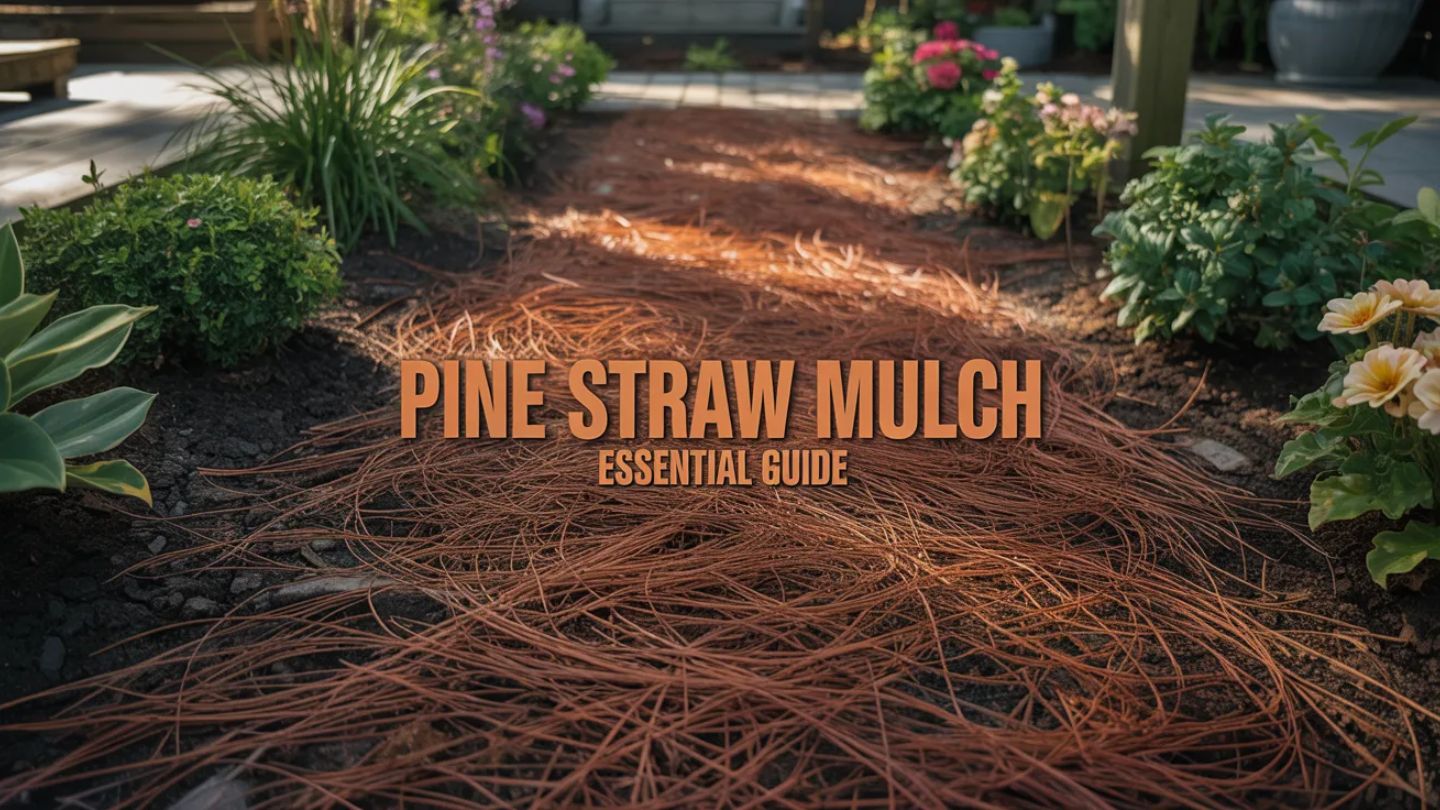

Choosing between long-needle and slash pine straw can have a big impact on the appearance, maintenance, and performance of your landscape beds. Both options offer valuable mulch benefits such as moisture retention, weed suppression, and erosion control, but they differ in cost, needle length, and durability. Long-needle pine straw is often preferred for its fuller look and better staying power, while slash pine straw is a practical choice for larger areas and budget-conscious projects. Understanding these differences can help homeowners and property managers choose the right material for their specific landscape needs. This blog outlines the key differences between long-needle and slash pine straw so you can decide which mulch is the better fit for your property.
Key Takeaways
- Long needle (longleaf) pine straw features needles measuring 12–16 inches in length, offers superior color retention with a warm auburn hue, and typically lasts 6–12 months before needing refresh.
- Slash pine straw is the budget-friendly option with shorter needles (5–10 inches), making it ideal for large area coverage and properties where frequent replacement fits the maintenance schedule.
- Both types provide excellent moisture retention, weed control, and erosion control—not all pine straw is created equal, but both deliver solid mulch benefits.
- Your best choice depends on slope conditions, bed visibility, budget constraints, and how often you want to refresh your mulch throughout the year.
- Longleaf excels in high visibility areas and on slopes, while slash works well for expansive commercial properties and cost-conscious projects.
What Is Pine Straw and Why Do Landscapers Use It?
Pine straw is simply fallen pine needles that get harvested, baled, and sold as mulch for landscaping applications. Unlike shredded wood mulches that require industrial processing, pine straw is a natural by-product of pine trees and timber operations across the Southeast. It’s lightweight, easy to spread, and creates that distinctive forest-floor appearance that homeowners and professional landscapers love.
You’ll find pine straw widely used throughout Georgia—basically anywhere pine plantations and natural pine forests thrive. It works beautifully in flower beds, around trees, along pathways, and on slopes where other mulches tend to wash away.
The core benefits make pine straw a go-to choice, and understanding the benefits of pine straw mulch for garden health and why pine straw is a valuable, cost-effective mulch choice can help you see why it’s so widely used:
- Moisture retention that keeps plant roots hydrated during hot Southern summers
- Weed control through a dense mat that blocks sunlight from reaching weed seeds
- Erosion control on slopes and uneven terrain
- Natural appearance that complements both formal and casual landscapes
- Sustainability as a renewable resource from managed pine forests
Read More: Pine Straw for Weed Control: How Effective Is It?
Why Pine Straw Works Well on Slopes and Hard-to-Mulch Areas
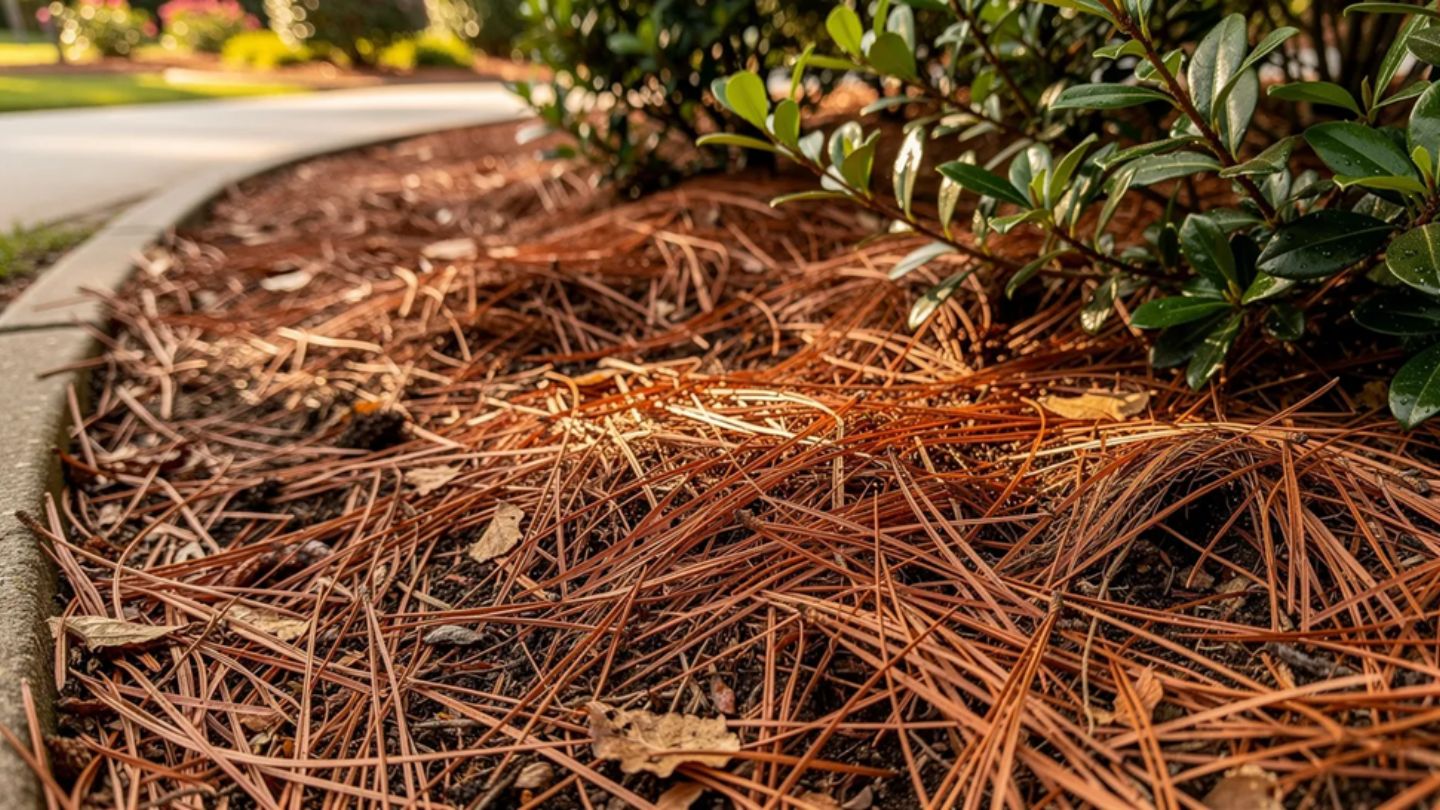
Here’s where pine needle mulch really shines compared to bark chips and shredded wood. The needle structure allows individual strands to interlock and overlap, creating a protective layer that grips the ground rather than sliding downhill.
When heavy Southern thunderstorms roll through—and we all know they can dump inches of rain in minutes—that overlapping mat stays put while loose bark chips wash into the driveway. Water and air still move through the straw layer freely, which prevents soil compaction and supports healthy root development for your plants.
Pine straw is the smart choice for hillsides, drainage swales, curved beds, and any irregular areas where traditional mulches just won’t cooperate. You’ll still need to fluff and top-dress periodically, and understand how to care for pine straw yards over time, but you won’t spend your weekends chasing escaped mulch down the street.
Long-Needle Pine Straw (Longleaf): The Premium Choice
When landscapers and suppliers talk about long needle pine straw, they’re typically referring to needles from longleaf pine trees, botanically known as Pinus palustris. These majestic trees grow across the Southeast and produce the longest, thickest needles of any commercial pine straw variety.
Longleaf pine straw needles measure approximately 12–16 inches in length, with most commercial bales averaging around 14 inches or more. The needles are typically grouped in bundles of three on the tree, creating that distinctive thick, pliable texture.
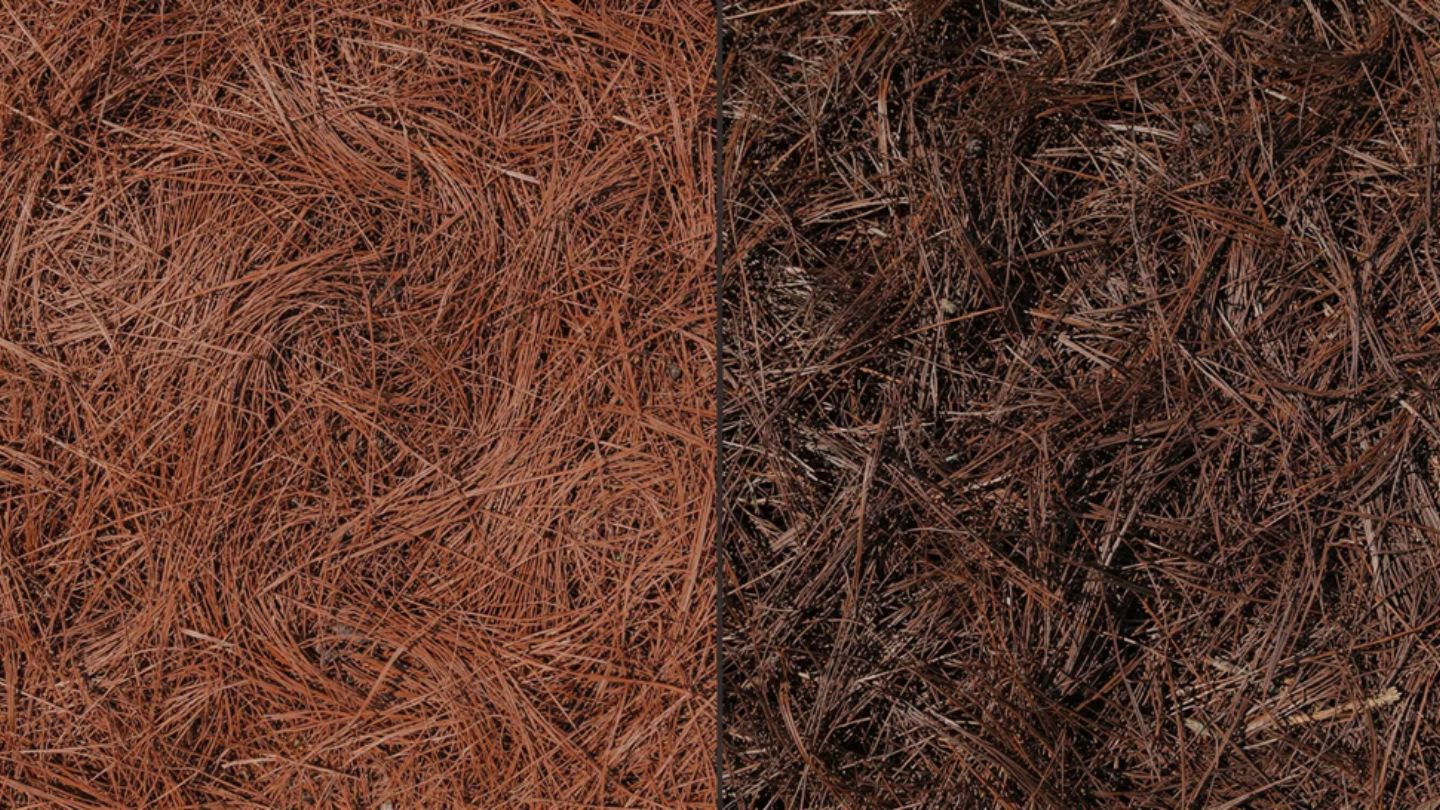
The appearance is what sets longleaf apart. Freshly installed, it displays a warm auburn to reddish-brown color that’s hard to miss. Over several months, that rich tone slowly transitions to a soft golden-brown—still attractive, just mellowed. The longer needles interweave tightly, giving better coverage per bale and that fluffy, upscale look that turns heads in front yards across the Southeast.
Longleaf pine straw is widely considered the gold standard for high visibility areas where curb appeal matters most.
Advantages of Long-Needle Pine Straw
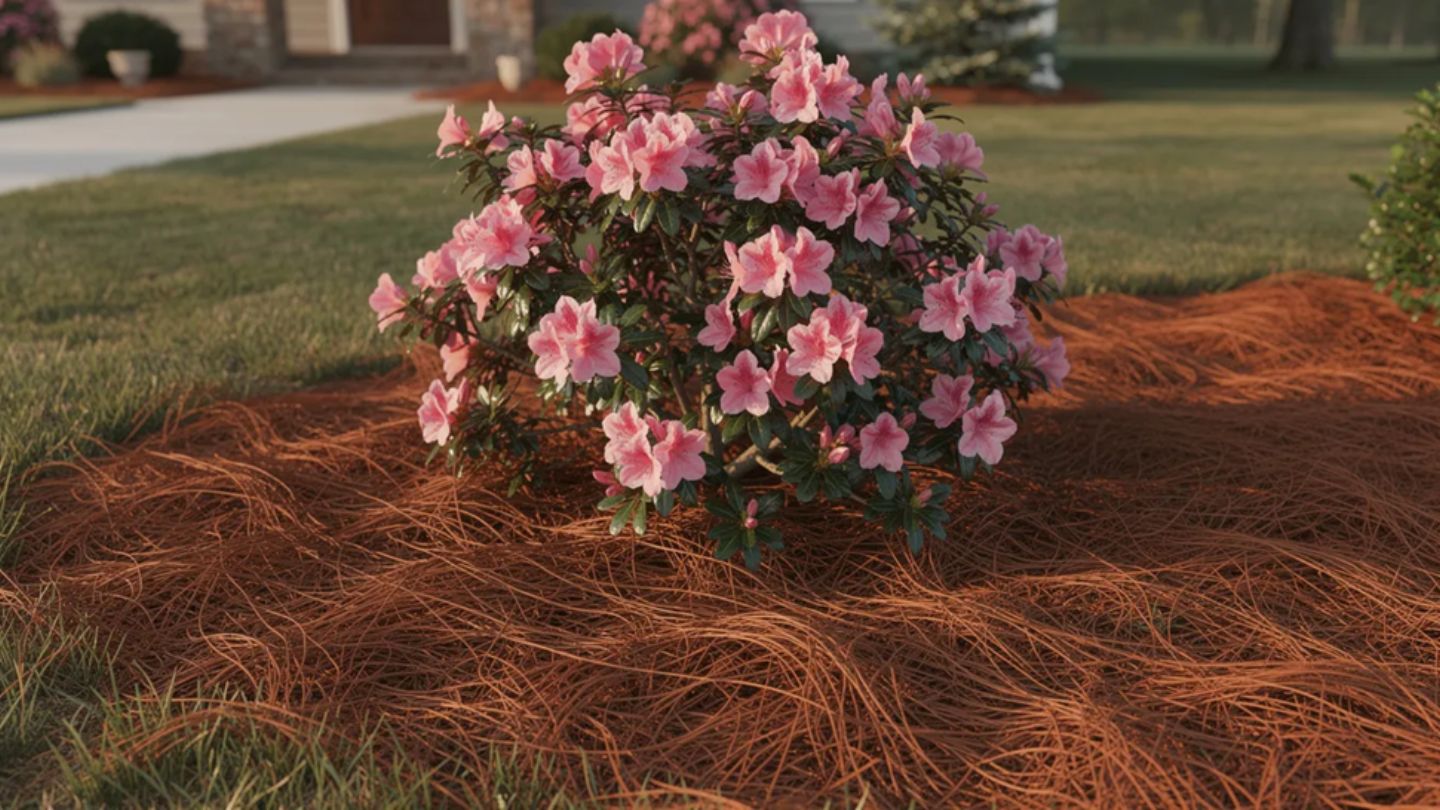
What makes longleaf the premium choice for so many properties? Here’s what you’re getting:
- Superior durability — Holds its color longer and maintains structure for 6–12 months, depending on sun exposure and rainfall patterns in your area
- Excellent slope performance — Longer needles lock together more effectively, creating a stable mat that resists movement even on steep embankments
- Better coverage efficiency — Fewer bales may be needed per square foot because the thicker needles interweave and create depth more readily
- Extended appearance window — While all pine straw breaks down at similar biological rates, longleaf looks good for longer before decomposition becomes noticeable
- Reduced long-term cost — Higher upfront price often gets offset by less frequent replacement and fewer labor hours over a full year
For upscale residential properties, model homes, and commercial front entrances, longleaf delivers the aesthetic punch that makes landscapes stand out.
Slash Pine Straw: The Budget-Friendly Workhorse
Slash pine straw comes from slash pine (Pinus elliottii), a species widely grown across Georgia, and coastal regions. These trees naturally favor wetter growing sites.
The needles measure roughly 5–10 inches in length, with most commercial bales falling in the 7–9 inch range. You might also hear this called short needle pine straw in some markets. The needles can occur in bundles of two or three, and they’re noticeably thinner and more compact than their longleaf cousins.
Fresh slash pine straw presents as a darker brown to bronze color when first installed. The texture is more compact and lower-profile—it doesn’t have that fluffy, piled appearance of longleaf. Because the needles are shorter and finer, the coverage is decent but the mat doesn’t interlock as firmly.
Advantages of Slash Pine Straw
Don’t write off slash pine straw as a lesser option. For many properties and situations, it’s the practical, economical choice that makes perfect sense:
- Lower cost per bale — Makes it attractive when you’re covering a large area like HOA common areas, wide roadside beds, or multi-building commercial properties
- Clean initial appearance — That darker color looks rich and tidy right after installation, perfect for seasonal refreshes
- Easy top-dressing — Light and quick to spread over existing layers when you’re maintaining beds
- Regional availability — In areas where slash pine grows locally, it’s often cheaper and easier to obtain than shipped longleaf
- Consistent fresh look — If you’re planning to redo beds every 4–6 months anyway, slash delivers the desired appearance at each refresh without the premium price
For rental properties, event staging, homes being prepared for sale, or anywhere budget drives the decision, slash pine straw gets the job done.
Long Needle vs Slash Pine Straw: Head-to-Head Comparison
Let’s put these two sub varieties side by side so you can see exactly where they differ and where they overlap.
| Feature | Long Needle (Longleaf) | Slash |
|---|---|---|
| Needle Length | 12–16 inches | 5–10 inches |
| Initial Color | Warm auburn to reddish-brown | Darker brown to bronze |
| Texture | Fluffy, pliable, upscale look | Compact, lower-profile, drier feel |
| Typical Lifespan | 6–12 months looking fresh | 4–6 months before noticeable fading |
| Slope Performance | Excellent—locks together firmly | Adequate—more prone to movement in heavy rain |
| Coverage per Bale | Higher due to interlocking | Lower, may need more material |
| Cost per Bale | Higher | Lower |
| Both types decompose into organic matter that enriches your soil over time. The noticeable difference is really about cosmetic durability and structural performance—how long they maintain that fresh mulch appearance and stay where you put them. |
| On slopes, longleaf’s longer needles create a durable mat that resists movement even during those intense summer storms. Slash pine straw works on gentle grades but may shift during heavy rain events on steeper embankments. |
Cost, Demand, and Availability
Regional forestry patterns and market demand significantly influence pine straw pricing across the Southeast. Long needle pine straw is in high demand for premium landscapes, which can sometimes create tighter supply and higher prices in certain markets.
Typical retail pricing varies by region and season, but slash generally runs a few dollars less per bale or roll than longleaf. However, the cost calculation gets more interesting when you factor in longevity and whether you’re buying pine straw in bales versus rolls.
Consider this: if longleaf lasts 6–12 months and slash needs refreshing every 4–6 months, your annual material and labor costs might end up surprisingly close—or longleaf might actually save money over a full year. Before deciding purely on price per bale, think about total annual cost including both materials and installation labor.
Local availability matters too. Slash dominates because that’s what grows locally. In Georgia, longleaf is often more readily available. Work with what’s practical in your area.
Which Pine Straw Should You Choose?
There’s no single right answer here. The best pine straw for your landscape depends on your specific priorities, property characteristics, and maintenance preferences. Both longleaf and slash provide solid mulch benefits—retaining moisture, suppressing weeds, protecting soil, and looking natural.
Key decision factors to weigh:
- Budget — How much can you allocate to mulch this year?
- Coverage area — Are you mulching a small front bed or acres of commercial property?
- Terrain — Flat beds vs. slopes and drainage areas
- Visibility — Front yard showcase vs. backyard utility areas
- Maintenance schedule — How often are you willing to refresh beds?
- Climate exposure — Full sun, shade, heavy irrigation patterns
If you’re uncertain, consider testing a small area with one type before committing to your entire landscape. See how it performs through one season in your specific conditions.
Choose Long-Needle (Longleaf) Pine Straw If:
- You want maximum curb appeal in front yards, entry beds, and around specimen trees where first impressions count
- Your property has noticeable slopes, retaining walls, or drainage swales that need reliable erosion control
- You’re willing to invest more upfront to reduce how often you need to re-mulch throughout the year
- You’re landscaping high-end residential developments, model homes, or commercial front entrances
- Color retention and that warm, polished appearance matter to you year round
- You prefer the fluffy, substantial texture that comes from thicker needles
Choose Slash Pine Straw If:
- You’re covering a large area where the lower cost per bale adds up to significant savings
- Budget drives your decisions for rental properties, utility areas, or back-of-property beds
- You’re in a region where slash pine grows locally and longleaf must be shipped in
- You plan to refresh beds every 4–6 months anyway as part of your seasonal maintenance routine
- You’re staging a property for sale or preparing for an event where short-term appearance is the goal
- You’re managing commercial properties, HOA common areas, or multi-building complexes with extensive bed coverage
Installation and Maintenance Tips for Either Type
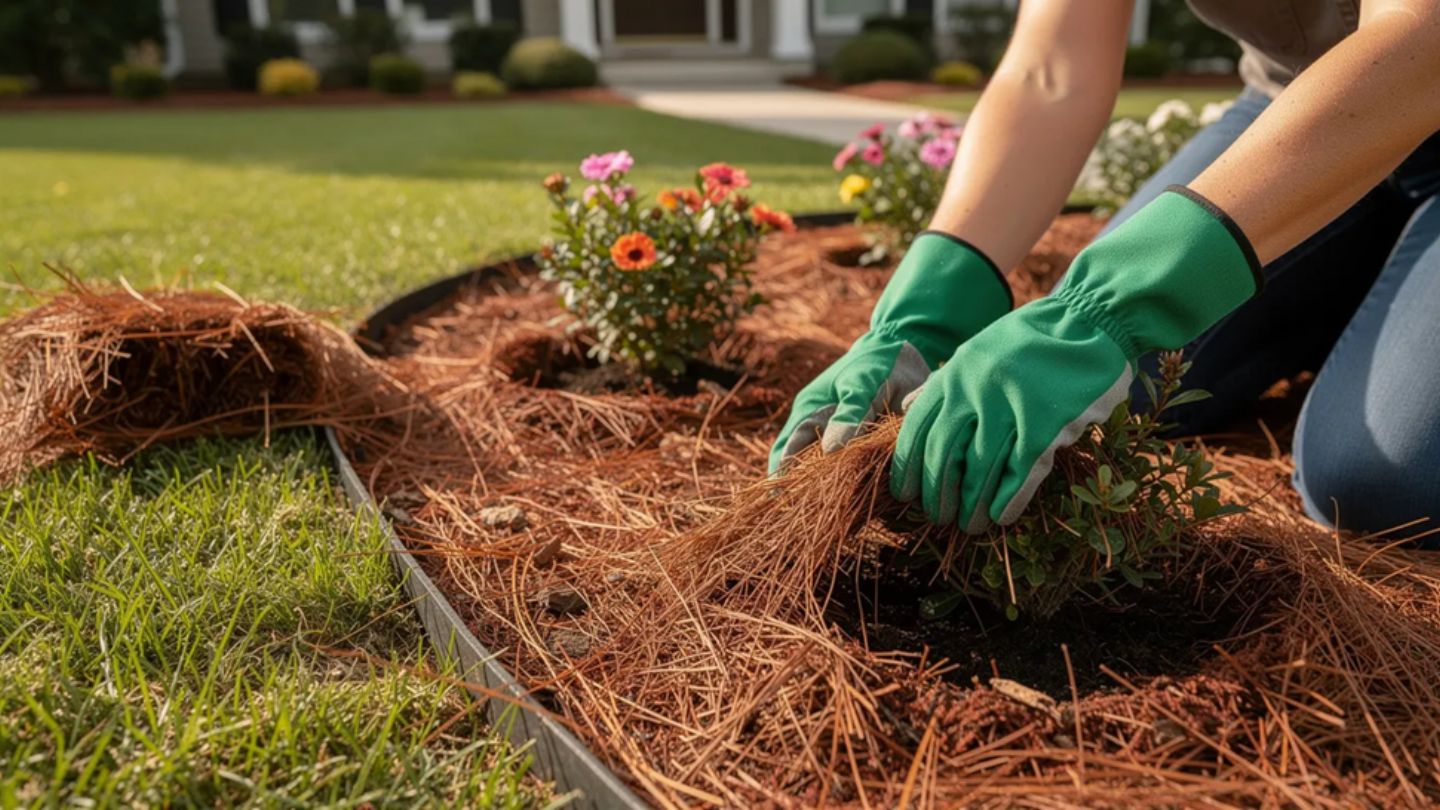
The basic installation process works the same whether you’re spreading longleaf or slash pine straw, and following a step-by-step guide to spreading pine straw effectively can help you get professional-looking results. A little prep work goes a long way toward great results.
Before spreading:
- Clear existing weeds and debris from beds completely
- Consider applying a pre-emergent herbicide underneath the straw for enhanced weed control, especially if you’re combining pine straw with other mulch materials in your beds
- Edge beds cleanly so straw has defined boundaries
Application guidelines:
- Spread to a typical depth of 2–3 inches in most beds
- Go slightly thicker on slopes and high-traffic edges where material compresses
- Fluff and spread by hand or with a rake so needles interlock and cover bare soil completely
- Work the material gently around plants without smothering low growth
Ongoing maintenance:
- Light re-application every 4–6 months for slash, every 6–12 months for long needle, deciding whether to refresh with fresh pine straw or pine straw painting based on your budget and appearance goals
- Fluff periodically to maintain loft and coverage
- Pull straw back a few inches from trunks and stems to avoid excess moisture against bark
- Keep a 6–12 inch gap between pine straw and building foundations or wooden siding
Choosing the Right Pine Straw for Lasting Landscape Results
When comparing long-needle and slash pine straw, the better choice depends on your landscape goals, budget, and maintenance preferences. Long-needle pine straw stands out for its rich appearance, stronger interlocking coverage, and better performance on slopes, while slash pine straw remains a cost-effective solution for broad coverage and routine seasonal refreshes. Both types can improve moisture retention, reduce weed growth, and enhance the finished look of your beds, making either one a useful option when matched to the right setting.
For dependable pine straw in Milton, Mulch Pros makes it easy to order quality landscape materials for your home or job site. Mulch Pros offers online ordering, delivery scheduling, and installation services, along with a wide selection of products including mulch, soil, and gravel and sand. The company serves Milton and the surrounding areas, provides delivery for landscape materials, and allows customers to order online or by phone for added convenience. Visit Mulch Pros to choose the right pine straw and other supplies for your next project.
Frequently Asked Questions
Does pine straw attract termites or other pests?
Pine straw itself doesn’t attract termites any more than other organic mulches like wood chips or bark. The concern comes when any mulch gets piled thickly against building structures, creating moisture and hiding spots that insects appreciate. The solution is simple: maintain that 6–12 inch gap between your pine straw and foundations, siding, or wooden structures. In most landscape settings where straw is used properly around plants and beds, pest problems don’t develop. If you’re in a termite-prone area of the Southeast, follow your local pest control guidelines and schedule regular inspections as you would regardless of mulch type.
Will pine straw make my soil too acidic?
This is one of the most persistent myths about pine needle mulch. While fresh pine needles are slightly acidic, their impact on soil pH is quite modest once they begin decomposing. Long-term research shows that pine straw mulch has minimal effect on pH in most garden soils, and many common myths about pine straw and soil acidity simply aren’t supported by research. Pine straw is used successfully year round around acid-loving plants like azaleas, camellias, and rhododendrons throughout the Southeast without causing problems. If you’re growing particularly pH-sensitive plants, test your soil every couple of years and amend with lime only if testing actually indicates a need—not based on assumptions.
Is pine straw safe to use around vegetable gardens?
Pine straw works well as a pathway or between-row mulch in vegetable gardens, helping reduce mud and suppress weeds between planting rows, and some gardeners also compare wheat straw vs pine straw for garden beds when deciding what to use around edibles. The key is keeping a small gap around vegetable stems to prevent excess moisture accumulation and potential crown rot. Many gardeners prefer using pine straw for walkways while applying compost or other nutrient-rich mulches directly around edible plants where decomposition feeds the soil. Remove heavily decomposed straw and replenish annually to keep vegetable garden areas clean and manageable through the growing season.
How much pine straw do I need for my yard?
A typical roll or bale of pine straw covers approximately 100–125 square feet at standard 2–3 inch depth. Start by measuring your bed lengths and widths, then calculate total square footage. Slopes and highly visible areas may require slightly more material for fuller, more polished coverage. As a rule of thumb, order about 10–15% extra to account for fluffing, settling around plants, and achieving clean edges. It’s always better to have a bale or two left over than to run short mid-project.