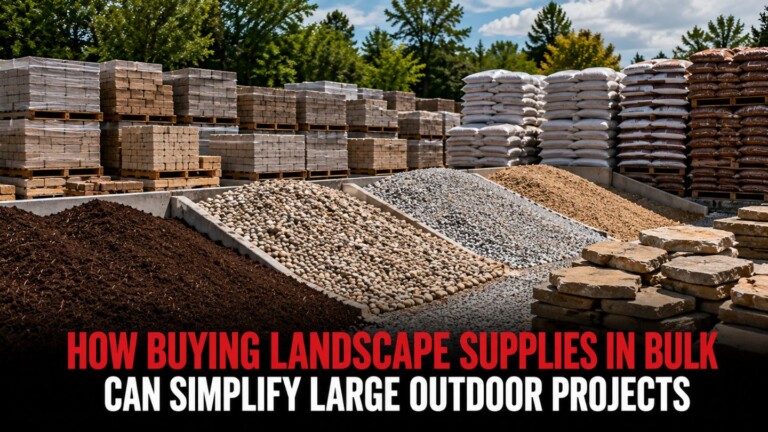
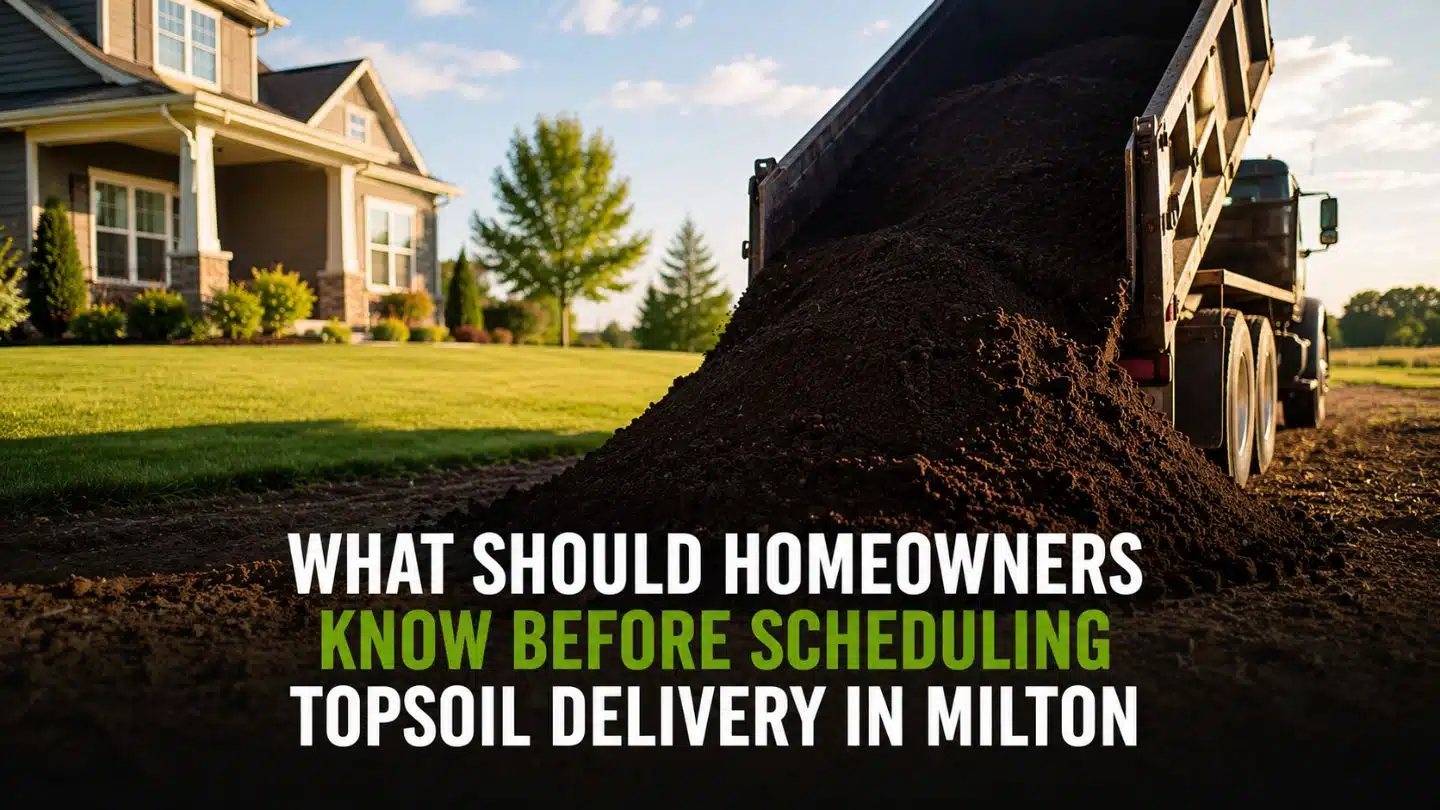

Before scheduling topsoil delivery in Milton, homeowners should know how much topsoil they need, what type of soil is best for the project, where the delivery trucks can safely drop it, and how soon the soil will be used after delivery. The right planning prevents wasted material, extra fees, property damage, and a second delivery. Milton’s lawns and gardens often sit above clay-heavy existing soil, so quality topsoil is more than a finishing layer. It becomes the solid foundation for healthy plant growth, better water retention, improved soil structure, and strong roots. This blog covers how to choose screened topsoil or a topsoil blend, calculate cubic yards, prepare the job site, compare suppliers, and time the delivery process so the soil arrives ready to support a healthy lawn, garden beds, raised beds, or a vegetable garden.
Key Takeaways
- Calculate your project’s cubic yard requirements before ordering. To calculate the topsoil needed, use (Length x Width x Depth) ÷ 27, and remember that a cubic yard equals 27 cubic feet of topsoil.
- Homeowners should select the right soil type for their project. Screened topsoil, loam, compost-enriched blends, and specialty soil mixes are not created equal.
- Clear the delivery area of obstacles before topsoil delivery, and mark the drop zone with visible markers for clarity.
- Delivery trucks need at least 9 feet of width and 11 feet of height clearance, and dump trucks require enough clearance to maneuver and drop soil safely.
- Schedule delivery close to when you will use the topsoil, and schedule topsoil deliveries for dry weather to avoid complications with wet soil.
Understanding Your Topsoil Needs in Milton
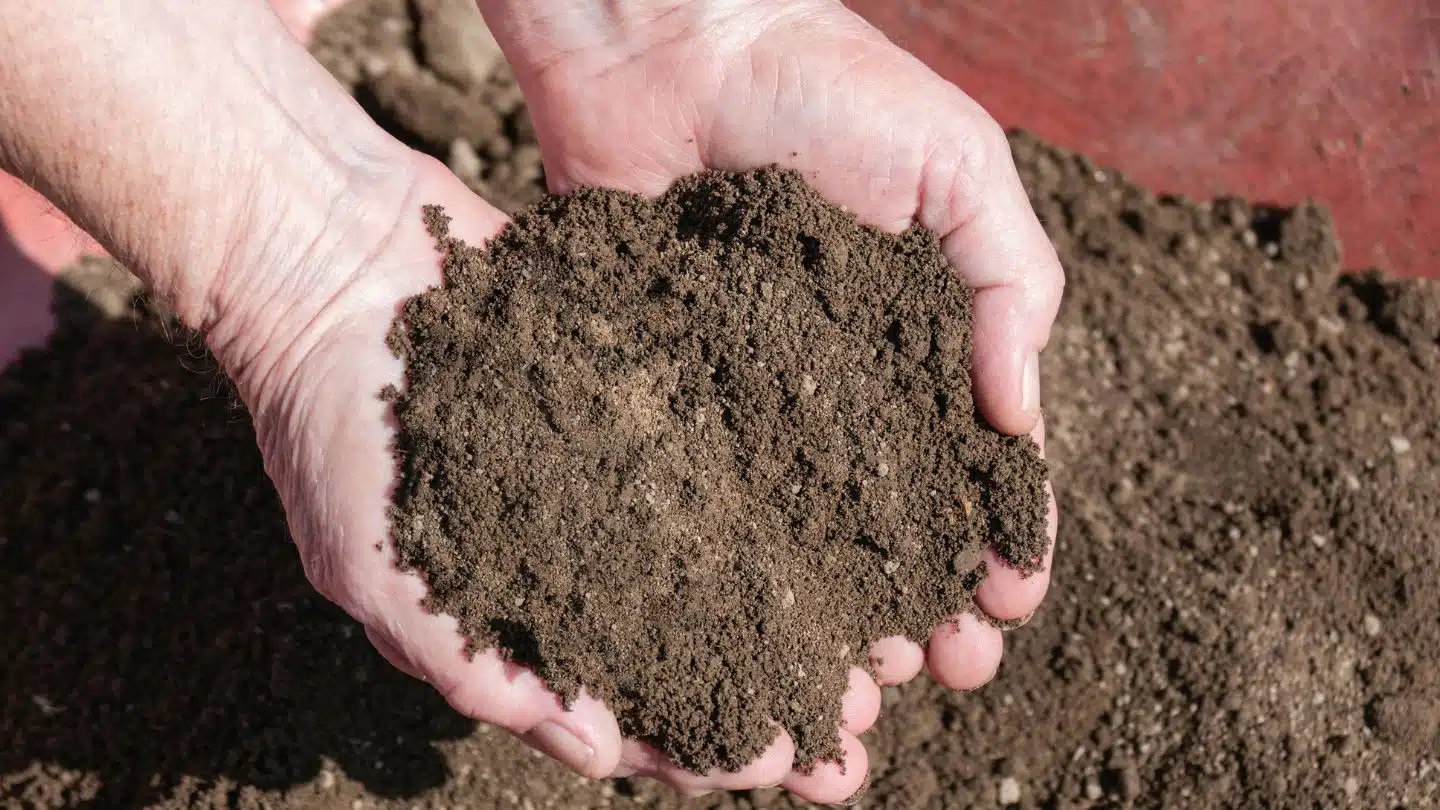
Topsoil is the uppermost layer of soil, and high-quality topsoil provides a fertile base for gardens and lawns. Topsoil is rich in organic matter and nutrients, which helps support plant health, healthy growth, and strong roots, especially when paired with practices like improving your lawn’s soil with topsoil and mulch. In Milton, this matters because many yards contain compacted clay, disturbed construction soil, or uneven areas where water does not move well.
Different projects need different landscaping materials. Screened topsoil is filtered to remove rocks and debris, making it a smart choice for a new lawn, general landscaping project, and areas where you want a level surface. If you are filling raised beds or building raised garden beds, a richer garden soil or topsoil blend with compost and organic materials may be a better fit. Loam is a nutrient-rich soil ideal for gardening because it balances drainage, water retention, and nutrient content. Understanding how to select the right type of topsoil for gardening helps match soil characteristics to your specific plants and site conditions.
A good topsoil supplier can help you match the soil to the use:
- New lawn: Use quality topsoil or screened topsoil spread evenly over loosened existing soil.
- Garden beds: Use a topsoil blend with organic matter to retain moisture and improve soil structure.
- Vegetable garden: Use garden soil, loam, compost, or specialty soil mixes that cater to specific plant needs.
- Leveling low spots: Use screened topsoil for minor uneven areas, then compact and level carefully.
- Clay-heavy areas: Mix topsoil with compost or organic materials so the new topsoil improves drainage instead of sitting on top of compacted clay.
Testing existing soil can help identify deficiencies before ordering topsoil. A soil test helps determine the right soil type for your project by showing pH levels, nutrient deficiencies, and whether adding nutrients, compost, or a specialty mix will make all the difference.
Common Milton Soil Challenges
Milton homeowners often deal with red clay, compaction, slow drainage, and soil that becomes hard in dry weather. Quality topsoil can help fix minor drainage issues and support strong root systems when installed correctly over prepared existing soil.
Topsoil alone is not a shortcut for major grading problems, but it can improve plant growth when paired with compost, aeration, and proper leveling. Compost improves soil drainage and nutrient retention, while organic matter helps create air pockets that allow roots, water, and oxygen to move through the soil.
Season also matters. Soil is heavier when wet, making it harder to spread during delivery. For best results, schedule delivery during dry weather and plan to use the soil soon after delivery rather than leaving it sitting for days or weeks.
Read more: Benefits of Using Compost in Your Garden
Calculating Quantities and Understanding Delivery Costs
Start by measuring the area in square feet to estimate the amount of topsoil needed. Measure the length and width, then choose the desired depth for the project. Online tools can assist in calculating the volume of soil needed for a project, but the basic formula is simple:
Length x Width x Depth ÷ 27 = cubic yards. For larger or more complex landscaping projects, a detailed guide to how much topsoil you need for a healthy landscape project can prevent costly miscalculations.
Use feet for length and width, and convert inches of depth into feet. For example, 6 inches is 0.5 feet. A cubic yard equals 27 cubic feet of topsoil.
Read more: How Much Topsoil Do I Need for a Healthy Landscape Project?
Typical depth recommendations include:
- New lawn: 4–6 inches of quality soil over prepared existing soil
- Garden beds: A depth of 4-6 inches of topsoil is recommended for gardens
- Planting areas: Topsoil is typically spread around 6 inches deep for planting
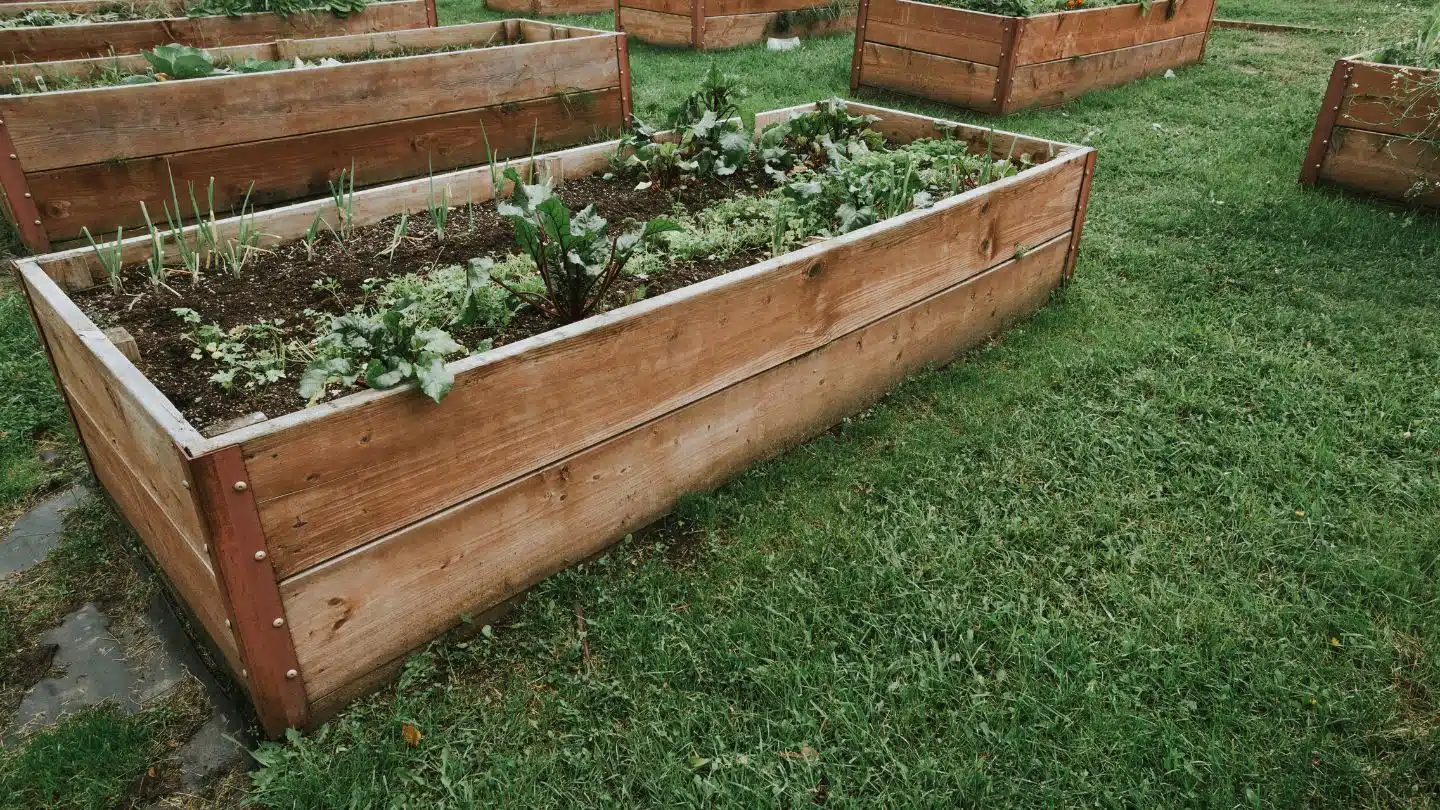
- Raised garden beds: 8–12 inches or more, depending on the crop and bed height
- Minor leveling: Enough screened topsoil to create a level surface without burying grass crowns too deeply
For gardens, 4-6 inches of topsoil is recommended. If you are installing a new vegetable garden or filling raised beds, ask for a topsoil blend with strong nutrient content and excellent drainage.
Order 10%-15% extra topsoil to account for settling and uneven ground. Soil settles after watering and foot traffic, so ordering the exact calculated amount often leaves homeowners short. Compacting and leveling soil ensures long-term durability, especially for lawns, walkways, and garden edges.
Topsoil delivery costs range from $100 to over $2,000, depending on quantity, material type, delivery distance, access, and installation support. Delivery fees typically range between $80 and $170. A cubic yard of bulk topsoil costs between $68 and $170, though local pricing can vary based on the topsoil supplier and product quality. Confirm any delivery fees and minimum order requirements with suppliers before placing the order.
Buying in bulk is more economical than buying bagged soil. Bulk soil delivery is more cost-effective than bagged soil, especially for a larger lawn, garden, or landscaping project. Bulk orders save money and reduce plastic waste, while bulk delivery allows you to get several cubic yards of landscaping supplies at once.
Read more: Benefits of Buying Topsoil in Bulk for Your Garden
Common Mistakes to Avoid
- Underestimating volume: Not ordering 10% to 15% extra topsoil can lead to shortages, uneven coverage, or a second delivery.
- Choosing the wrong one: Fill dirt vs topsoil, unscreened soil, screened topsoil, loam, compost, and specialty soil mixes serve different purposes.
- Skipping soil testing: Testing existing soil can identify pH levels, nutrient deficiencies, and whether you need compost or a richer topsoil blend.
- Ignoring settling: Compacting and leveling soil ensures long-term durability and helps prevent low spots after rain.
- Scheduling during peak demand: Delivery schedules should avoid peak seasons to ensure availability, especially in spring when most suppliers are busiest.
- Comparing only the material price: Delivery fees, minimum orders, extra fees, and the delivery area can change the best value.
Preparing Your Milton Property for Delivery
Topsoil delivery logistics include preparing a wide and accessible drop zone. Bulk deliveries are typically made using large dump trucks, so the property must be ready before the delivery driver arrives.
Clear the delivery area of obstacles before topsoil delivery. Clear the delivery area of old grass, weeds, or debris before delivery, and remove rocks, branches, toys, vehicles, low planters, and other obstacles. Clear the delivery area to avoid delays during topsoil delivery and to help prevent property damage.
Delivery trucks need at least 9 feet of width and 11 feet of height clearance. Delivery trucks need at least 9 feet of width clearance and room to turn, back up, raise the dump bed, and exit safely. Confirm accessibility for delivery trucks to prevent property damage, especially if your driveway is narrow, curved, steep, soft after rain, or bordered by landscaping.
Mark the drop zone with visible markers for clarity. Use cones, stakes, flags, a tarp, or plywood so the delivery driver knows exactly where to place the soil. A marked drop zone saves a few minutes on delivery day and keeps the soil close to the job site.
Protect hardscaping and landscaping before the soil arrives. A dump truck loaded with several cubic yards is heavy, so avoid weak driveway edges, irrigation heads, septic areas, fresh sod, and soft lawn areas. If the drop zone is on a driveway, consider using a tarp to make cleanup easier.
If you live in a Milton subdivision, check the HOA rules before the delivery date. Some communities limit delivery hours, street parking, visible soil sitting in driveways, or changes that affect drainage. Clear communication with your supplier and HOA helps the delivery process go smoothly.
Read more: How to Prepare Your Yard for Topsoil Delivery
Choosing the Right Topsoil Delivery Service
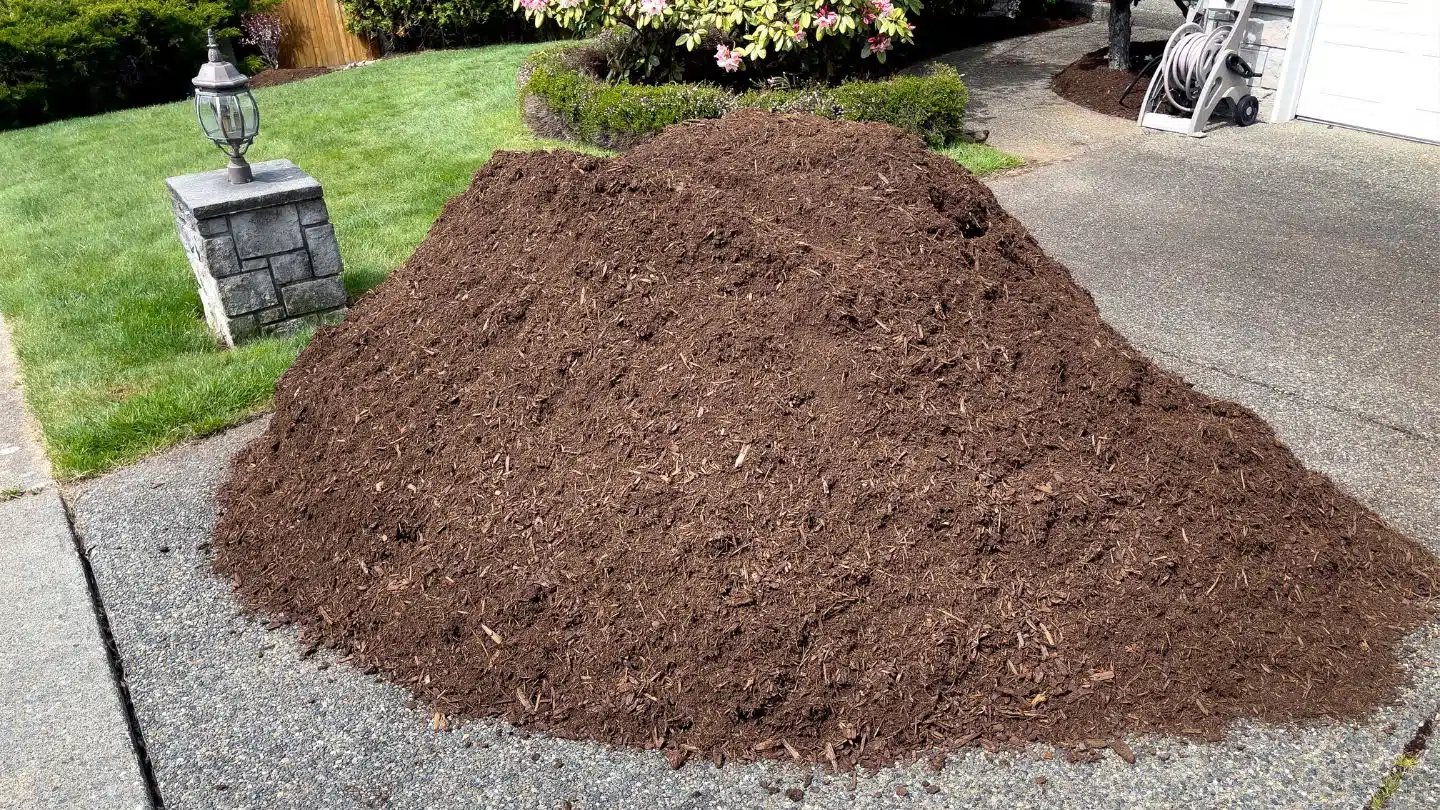
Not every topsoil supplier offers the same quality soil, scheduling flexibility, or great service. Before ordering, ask what type of topsoil is available, whether the soil is screened, where it comes from, and whether the supplier offers blends for lawns, garden beds, raised beds, or a vegetable garden.
Good questions include:
- Is the screened topsoil filtered to remove rocks and debris?
- What organic matter or organic materials are included in the topsoil blend?
- Is the soil suitable for a healthy garden, new plantings, or a new lawn?
- Can the supplier explain nutrient content, pH levels, and soil structure?
- Are compost, loam, or specialty soil mixes available for specific plant needs?
- What are the delivery fees, minimum orders, and delivery area limits?
- Can the supplier recommend how much topsoil to order for the desired depth?
Working with a local supplier can minimize delivery fees and simplify scheduling. A local Milton-area supplier also understands clay-heavy existing soil, drainage issues, and the practical challenges of delivery trucks in neighborhood driveways.
Read reviews from past customers and look for clear communication about pricing, delivery date, and drop-zone requirements. Reliable supplier policies should explain what happens if weather delays delivery, if the site is not accessible, or if extra fees apply.
Professionals assess your yard’s specific topsoil needs. Hiring professionals saves time during topsoil installation; they ensure even topsoil coverage for optimal growth, recommend the best topsoil blend for plants, and help prevent waste or shortages. If the project is large, steep, or time-sensitive, renting equipment or hiring installation help may be worth it.
Timing and Scheduling Considerations
The best time for topsoil delivery in Milton is usually when the ground is workable, the forecast is dry, and your landscaping project is ready to begin. Schedule topsoil deliveries for dry weather to avoid complications from wet soil, which is heavier, harder to spread, and more likely to rut lawns or driveways.
Schedule delivery close to when you will use the topsoil. Topsoil should be delivered close to when it will be used so it stays workable and does not wash away, compact in a pile, grow weeds, or lose quality from extended exposure. Plan tools, labor, wheelbarrows, tarps, and spreading equipment before the soil arrives.
Spring and early fall are popular landscaping seasons, so most suppliers book quickly. Delivery schedules should avoid peak seasons to ensure availability when possible, or you should schedule ahead if you need a specific date. During busy periods, ordering early helps prevent delays and limited material choices.
Coordinate topsoil delivery with other landscaping supplies and tasks. Remove old material, finish grading, repair drainage, install edging, and prepare garden beds before the delivery day. If you are adding compost, fertilizer, or mulch, plan those materials at the same time so the soil can be installed season-long with fewer interruptions.
Have a backup plan for rain. If the forecast changes, contact the supplier quickly and confirm whether rescheduling is possible. Clear communication prevents wasted delivery attempts, unsafe access for dump trucks, and soil arriving when the job site is too wet to work.
Read more: When Should You Add Topsoil to Your Garden
Final Thoughts
Successful topsoil planning in Milton begins before the delivery truck arrives. Homeowners should measure the area carefully, choose the right soil type, order enough cubic yards, prepare a safe drop zone, and schedule delivery near the installation so the material remains workable and ready to support the project.
For homeowners planning a lawn renovation, a garden soil refresh, raised garden beds, or a larger landscaping project, Mulch Pros Landscape Supply offers reliable topsoil delivery in Milton, along with quality materials and helpful guidance. The company also provides landscaping essentials such as pine straw, soil, gravel and sand, and firewood to support outdoor projects year-round. Contact us today to get the right materials delivered for your next outdoor project.
Frequently Asked Questions
How much topsoil do I need for my Milton lawn renovation project?
Measure the area in square feet, choose the desired depth, and use (Length x Width x Depth) ÷ 27 to calculate cubic yards. For a new lawn, 4–6 inches is commonly used over prepared existing soil. Order 10%-15% extra topsoil to account for settling and uneven ground.
What’s the best time of year to schedule topsoil delivery in Milton?
Schedule delivery when the weather is dry and the ground is firm enough for delivery trucks. Spring and early fall are popular, but they can be busy, so schedule ahead. Avoid wet weather because the soil is heavier and harder to spread.
What should I do if my Milton property has difficult truck access?
Confirm accessibility before the delivery date, and make sure delivery trucks have at least 9 feet of width and 11 feet of height clearance. Clear the delivery area of obstacles, mark the drop zone with visible markers, and inform the supplier of any steep driveways, low-hanging branches, soft ground, or tight turns.
How quickly do I need to use the delivered topsoil?
Topsoil should be delivered close to when it will be used. Leaving soil sitting too long can make it harder to spread, especially after rain, and may allow weeds or compaction in the pile. Prepare the job site before delivery day so you can promptly spread and level the soil.
Can topsoil delivery help with Milton’s clay soil problems?
Yes, quality topsoil can help fix minor drainage issues, support strong roots, and improve the growing layer above clay-heavy existing soil. For best results, loosen compacted clay, mix topsoil with compost or organic matter, and use the right topsoil blend for your lawn, garden, or raised beds. For major drainage issues, grading or drainage improvements may also be needed.