


Seasonal weather changes dictate landscaping needs in Cumming, GA, and understanding those shifts is the single most important factor in keeping your yard healthy, attractive, and cost-effective year-round. From the first warm days of spring through the cold-snap potential of winter, every season demands a different set of materials, timing, and strategies. Cumming has a humid subtropical climate with hot summers, mild but sometimes freezing winters, and a growing season that stretches more than 200 days, which means your landscape supply needs are constantly evolving.
This blog breaks down exactly how each season in Cumming and Forsyth County affects what materials you need, when to order them, and how to avoid the supply shortages and price spikes that catch unprepared homeowners off guard.
Key Takeaways
- Spring weather in Cumming brings warm days and plenty of rain, driving peak demand for mulch, topsoil, pine straw, and soil amendments for bed refresh and new plantings.
- Summer heat increases the need for moisture-retaining mulches, decorative stone, and erosion control materials to handle extreme heat and afternoon storms.
- Fall preparation is the smart window to bulk-order pine straw, leaf mulch, slow-release fertilizer, and soil amendments before winter dormancy sets in.
- Winter months create demand spikes for firewood, protective mulching materials, and frost blankets to shield plants from freeze-thaw cycles.
- Proper timing of material orders and delivery prevents costly repairs, supply shortages, and inflated pricing during peak demand periods.
Spring Material Surge in Cumming
Warm weather creates an ideal environment for planting and turf establishment in spring. As soil temperature climbs past the last frost date – typically around late March in North Georgia – homeowners expect to hit the ground running with bed prep, new plantings, and landscape refreshes. This is also when landscape supply demand hits its annual peak. Homeowners choosing color-enhanced mulch should consider how the right color mulch can improve curb appeal while still supporting moisture retention and weed control.
Spring weather in Cumming brings warm days and plenty of rain, which means the window for getting materials delivered and installed before the soil becomes saturated is surprisingly narrow. The combination of rising temperatures, increased rainfall (March is often the wettest month), and the urgency to establish plant growth before summer creates a surge that affects everything from mulch to topsoil to gravel.
Heavy mulching is applied in spring to suppress weed germination and retain moisture. Mulch suppresses weed growth by up to 80%, making it the single most effective tool for weed control in flower beds and around shrubs and trees. Apply mulch between February and April for best results, maintaining a mulch depth of 2-3 inches for optimal performance. Bulk mulch pricing ranges from $20 to $60 per cubic yard, depending on type and quality.
Cumming’s heavy red clay soil – with an acidic pH often between 5.0 and 6.0 – requires amendments to improve soil health and drainage. Soil testing in early spring improves drainage and structure by identifying exactly what your clay needs. For a major bed renovation, incorporate 3-4 inches of compost or organic amendment into the top 8-12 inches of soil. Topsoil should be added at a depth of 3 inches for planting in new beds.
Pine straw is another high-demand spring product. The March-through-May window is when landscape contractors, HOA managers, and residential customers all compete for supply. Pine straw helps maintain soil moisture and cools plant roots, making it ideal for beds around acid-loving native plants. A typical 200-square-foot bed may require 20-25 bales of pine straw at 2-3 inches of depth.
Pre-emergent herbicides are essential to prevent weeds in spring, and aerate lawns in spring and fall for better root growth. Apply slow-release fertilizer in spring for healthy grass – slow-release fertilizers prevent a growth flush that can damage grass. These steps, combined with the right landscape-supply materials, set the stage for healthy growth throughout the growing season. A thoughtful soil selection guide can help homeowners match compost, topsoil, and soil amendments to Cumming’s clay-heavy conditions.
Essential Spring Supply Planning
The materials you need in spring fall into three categories: ground cover, soil improvement, and drainage support.
- Organic mulch (shredded hardwood, pine bark, color-enhanced varieties): Fresh mulch improves soil moisture retention and visual appeal. A fresh layer of mulch on flower beds and around trees suppresses weeds and helps retain moisture through the transition into summer months.
- Topsoil blends and custom soil mixes: Custom soil blends are in high demand to improve drainage for new beds. For clay-heavy Cumming soil, blends enriched with compost and organic matter are essential for seed germination and stronger roots.
- Pine straw: Preferred by HOAs and commercial property managers for its uniform look and interlocking properties. Pine straw is ideal for slopes due to its interlocking properties, resisting washout during spring storms.
- Pea gravel, river sand, and decorative stone: For drainage paths, retaining walls, and areas where water management is critical.
Timing matters. Order materials in early March – before the spring rush – to lock in availability and avoid delivery delays caused by saturated roads and high demand. Bulk ordering during this window is more cost-effective than scrambling in April when every landscaper in metro Atlanta is competing for the same supply. Knowing what to expect from a professional landscape supply delivery can also help homeowners prepare the drop zone and avoid delays during the spring rush.
Summer Heat Impact on Material Selection

Cumming’s hot summers push landscape materials to their limits. Average July highs reach nearly 88°F, and the combination of extreme heat and humidity means that the materials you installed in spring are already breaking down. The demand for mulch increases significantly in summer to lock in moisture across your outdoor space.
Drought resistance is a key focus during summer landscaping. Irrigation components are essential due to the intense heat and humidity in Cumming. Drip irrigation minimizes water waste by delivering water directly to the roots, making it a smart investment for any homeowner who wants their lawn to stay green through July and August. Smart irrigation systems use real-time weather data to optimize efficiency, and watering early in the morning reduces evaporation and disease risk. Over-watering can lead to root rot and wasted resources, so adjusting your approach – adjusting sprinkler schedules at least four times a year – is critical to system life and keeping maintenance costs under control.
Mulch reflects sunlight to keep soil roots cool during hot weather. Light-colored mulches help reflect heat and keep roots cool, which is especially important for drought-resistant plants and shrubs that struggle in dry conditions. Pine straw helps maintain soil moisture during summer heat, making it an excellent choice for summer top-offs around trees and in beds where soil moisture is a constant concern.
Decorative stone enhances drainage and requires minimal maintenance, making it a strong choice for high-sun, low-maintenance areas. Stone surfaces moderate soil temperature, reduce water needs, and add curb appeal without the decomposition issues that organic mulches face during hot summers.
Summer storms – frequent afternoon thunderstorms that can dump inches of rain – create urgent demand for erosion control materials. Gravel, river rock, and rip-rap are needed around slopes, retention areas, and anywhere runoff threatens your landscape. Fungicides are necessary to combat diseases that thrive in warm, wet conditions, adding another layer to summer landscape maintenance requirements.
Mow regularly, cutting no more than one-third of the grass height, to keep your lawn in top shape during the stress of summer months.
Read more: Can Mulch Prevent Soil from Drying Out?
Common Mistakes to Avoid in Summer Material Orders
- Choosing the wrong mulch type: Large nugget bark dries out quickly and floats away in storms. Shredded hardwood or pine straw retains moisture far more effectively and resists displacement.
- Ordering inadequate quantities: Homeowners frequently underestimate how much mulch they need for summer replenishment. Heat accelerates decomposition, so plan for at least one mid-summer top-off.
- Waiting too long to order: Mid-summer is when supply tightens, and prices climb. Order in early June to get ahead of peak demand and delivery delays caused by storm seasons.
- Ignoring irrigation needs: Without proper irrigation systems – whether drip irrigation systems or smart controllers – even the best mulch and soil amendments cannot keep plants thriving through weeks of extreme heat.
- Neglecting pest control: Warm, humid conditions invite pests. Combine material orders with a pest control strategy to protect your investment.
Taking time to choose the right mulch for your landscape can prevent washout, moisture loss, and poor coverage during Cumming’s hot, storm-prone summers.
Fall Preparation and Winter Material Requirements
Fall in North Georgia lasts from September to November, and it represents the most strategic ordering window of the year. Cooler weather reduces plant stress, soil is still warm enough for root establishment, and suppliers are less overwhelmed than during spring – meaning better availability, easier delivery scheduling, and often better pricing.
September through mid-October is the primary window for overseeding fescue grass. Overseed lawns with cool-season grasses in fall, and aerate lawns in spring and fall for better root growth. Remove fallen leaves to prevent turf smothering in fall – a step many homeowners skip, leading to dead patches that require costly repairs come spring.
Pine straw sees a second, smaller demand peak in September and October as homeowners and commercial property managers refresh beds for fall visual appeal and protect soil heading into winter. Pine straw harvest occurs from September through November, so this is also when suppliers collect and bale for the following spring’s demand. Ordering in the fall, when capacity is available, can save significant money compared to the spring rush.
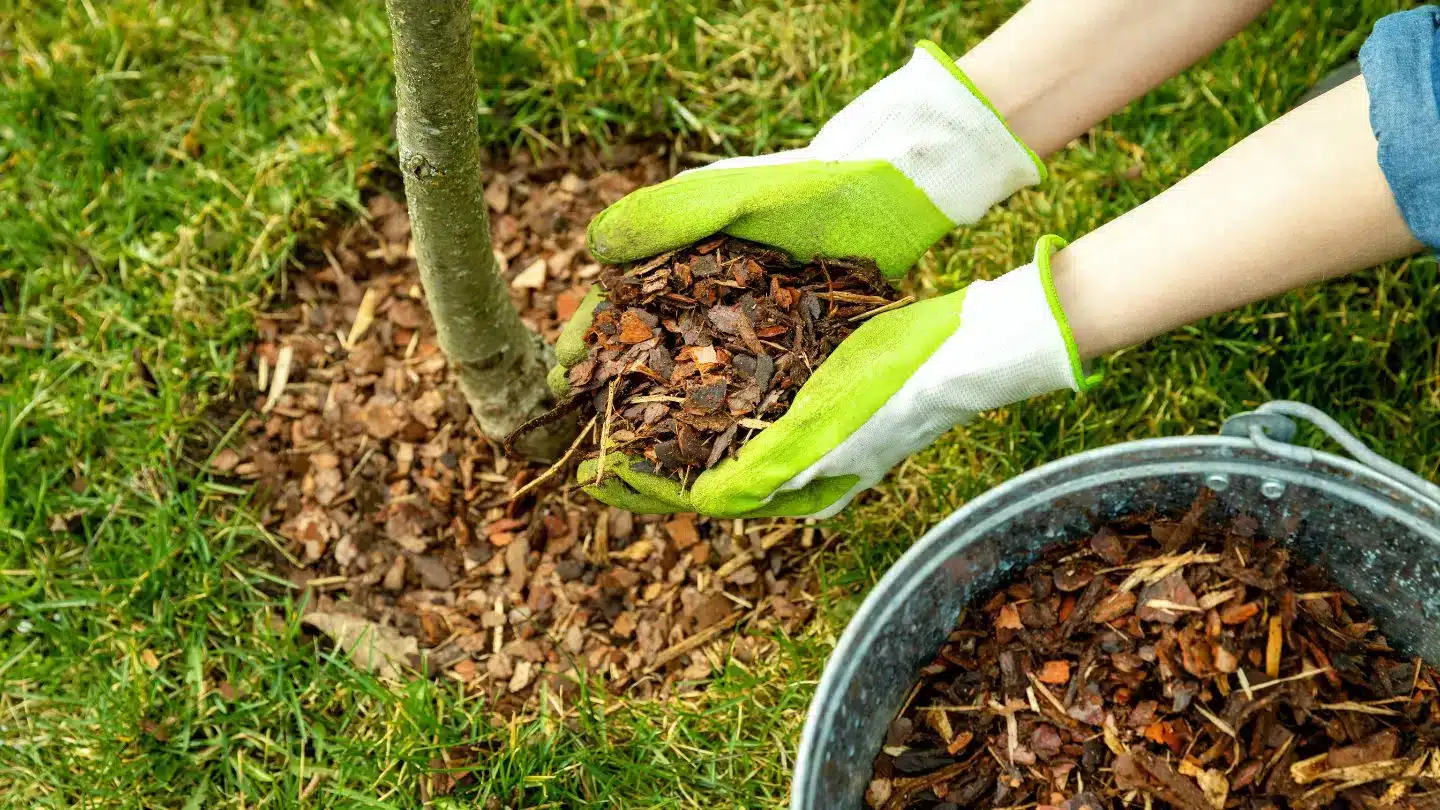
Fall requires heavy mulch application to insulate roots and trap underground heat before frost. Protective mulch layers insulate roots from freeze-thaw cycles in winter, making this application essential for shrubs, trees, and perennial beds. Prune shrubs in late fall after growth slows but before hard freezes.
Amendments improve heavy clay soil year-round, but fall is the optimal time for pH adjustments. Lime is frequently applied in winter to balance the acidity of Georgia red clay, but applying it in late fall gives it time to react with the soil before spring planting. Slow-release fertilizer applied in the fall supports stronger roots and prepares turf for the stress of winter dormancy.
Read more: What’s the Best Month to Install Mulch or Pine Straw?
For winter months specifically:
- Firewood: Cold snaps in Cumming can drop temperatures below freezing. Firewood should be seasoned for 3-4 months, so purchasing or preparing it in late summer to early fall is ideal. Waiting until winter often means paying premium prices.
- Frost blankets and protective materials: Essential for sensitive plants when overnight temperatures plunge. Having these on hand before the first freeze (typically mid-November) prevents frost damage.
- Decorative stone and gravel: Provide winter interest in beds when plant material is dormant, and maintain drainage paths after leaf drop. Erosion control materials are necessary to manage runoff during winter rains.
- Weed growth doesn’t stop entirely in winter – cool-season weeds can establish in bare soil, making mulch coverage and weed control measures important even in the off-season.
Winter in Cumming can significantly slow grass growth, but that doesn’t mean your landscape needs to disappear. Weather can disrupt deliveries – icy roads and storms lead to delays – so planning is the difference between a protected, well-maintained yard and one that suffers unnecessary damage.
Read more: How Long Does Bark Mulch Last?
Final thoughts
Understanding how seasonal weather patterns affect landscaping needs in Cumming helps homeowners plan projects more efficiently year-round. From spring mulch and soil improvements to summer moisture management, fall preparation, and winter protection, each season brings different material requirements. Planning helps ensure better material availability, healthier landscapes, and lower long-term maintenance costs.
For homeowners, contractors, and property managers looking for dependable landscape supply in Cumming, Mulch Pros Landscape Supply provides quality materials, bulk pricing, and reliable delivery services tailored to North Georgia’s changing climate. Whether you need mulch, pine straw, soil, firewood, or other seasonal landscaping materials, we ensure you have the right products at the right time for successful outdoor projects year-round. Contact us today to prepare your landscape for the season ahead.
Frequently Asked Questions
When should I order mulch for a spring bed refresh in Cumming?
Order mulch in late February to early March, before the spring demand surge hits. Apply mulch between February and April for best results, and aim for a 2-3 inch depth to suppress weeds and retain moisture. Early ordering ensures availability and avoids the price spikes and delivery delays that occur when every homeowner in metro Atlanta orders at the same time.
What type of mulch works best during Cumming’s hot summers?
Shredded hardwood mulch and pine straw are the top performers for summer in Cumming. Both retain moisture effectively and resist displacement during storms. Light-colored mulches help reflect heat and keep roots cool, which protects plants during extreme heat. Pine bark is another solid option that decomposes slowly and maintains its appearance through the summer months.
How much pine straw do I need for fall landscape preparation?
Apply pine straw at a depth of 2- 3 inches for adequate coverage. A typical 200-square-foot bed requires approximately 20-25 bales of pine straw. Measure your flower beds and planting areas carefully – pine straw is ideal for slopes due to its interlocking properties, but flat beds may require slightly less material. For precise estimates, contact a landscape supply provider who can calculate based on your specific yard dimensions.
Should I stockpile firewood before winter in North Georgia?
Yes. Firewood requires 3-4 months of seasoning to burn safely and efficiently, so purchasing in late summer or early fall gives it time to dry properly. Buying firewood during winter often means paying a premium, and supply can be limited during cold snaps. Store firewood under cover and with airflow to prevent rewetting.
How do summer storms affect landscape material delivery schedules?
Afternoon thunderstorms in Cumming are frequent during summer and can delay deliveries due to road conditions and safety concerns. Saturated ground also makes it difficult to place bulk materials without damaging your lawn or driveway. Plan deliveries for early morning and order well ahead of your project date – at least one to two weeks – to build in a weather buffer.
What materials help protect plants during Cumming’s winter freeze events?
Protective mulch layers – pine straw or shredded bark applied at 3-4 inches – insulate roots from freeze-thaw cycles. Frost blankets provide additional protection for sensitive shrubs and perennials during overnight temperature drops. Decorative stone around the bed edges helps manage drainage during winter rains, and erosion-control materials like gravel prevent runoff damage on slopes. Having these materials in place before the first frost in mid-November is critical to avoiding frost damage.